1913Thanhouser CompanyOne reelDrama

A Business Woman

No copy you can watch online. No print is known to survive. What follows is what does: the release, the cast, the story, and what the trade press said at the time.

The story

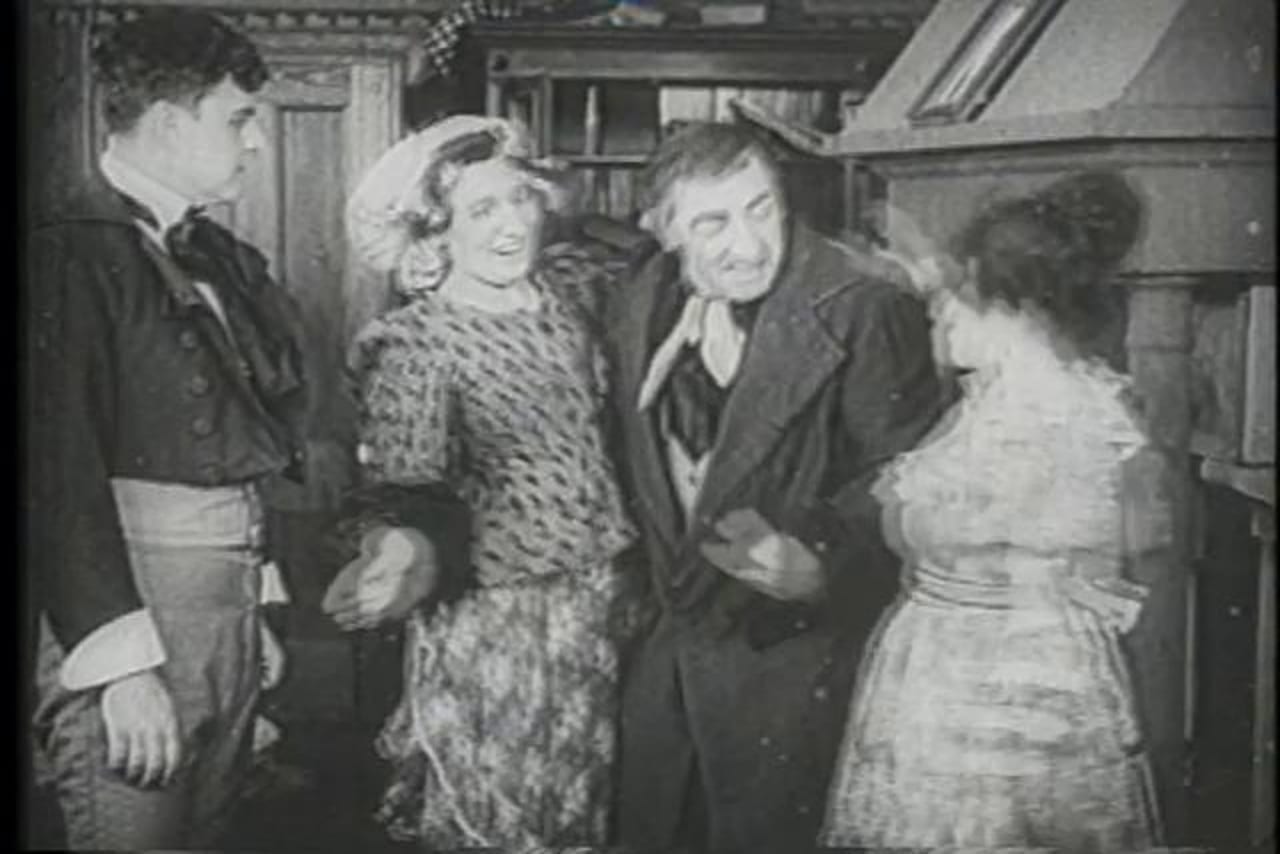
When a wealthy manufacturer died, he left all his property unreservedly to his widow, and his choice was a good one. The woman had excellent business ability, ran her late husband’s factory herself, and year by year made it a better paying proposition. She had two children, a boy and a girl, and they had all the luxuries that they could desire. Both graduated from college, returned home, and calmly permitted their mother to struggle with life’s burdens alone. More than that, they were not grateful, and were constantly lamenting because they were ‘wasting time’ in the dreary little town when they might be leaders of business and fashion in New York. On numerous occasions they urged their mother to let them go out into the great world, and finally she consented, making each a liberal allowance. The boy secured a position in Wall Street, and dreamed of the time when he would call J.P. Morgan by his first name. The girl had talent as an artist, engaged high-priced instructors, and made many friends of whom she was extremely proud.

Some months later, the widow, who had been engrossed in business, awoke to realize that her children needed attention. The girl had a suitor, a foreign nobleman, who, as she said, ‘was willing to overlook’ the lack of social position. The boy had become the favorite of his employer and was offered a partnership for the trifling sum of $50,000. The business woman was a real business woman, and her suspicions were aroused. She hired detectives and made investigations. The count was a plebeian barber and a fortune hunter; the ‘business man’ was crook. The widow carefully collected evidence, unmasked the barber and drove him away, then communicated with the postal authorities and had the satisfaction of furnishing conclusive evidence of the crookedness of her son’s ‘friend and employer,’ after which she told her children she was tired of their foolishness, compelled them to return to their home town and become her aides at the factory. If these two people had had a foolish mother they probably would have been penniless before many years. But as she was a business woman she showed them their errors and they grew up to be good members of society.

Summary from The Moving Picture World · 24 May 1913
What the papers said

3 reviews

Rather a good comedy drama where the young son and daughter of a practical business woman, tired of living in the country, beg to be allowed to go to the city to find vent for talents that they felt were hampered in their country life. Some time elapses without the mother hearing from them. At last she decides to employ …

Read in full · 1 min

Rather a good comedy drama where the young son and daughter of a practical business woman, tired of living in the country, beg to be allowed to go to the city to find vent for talents that they felt were hampered in their country life. Some time elapses without the mother hearing from them. At last she decides to employ a detective to look into the circumstances surrounding her children, and finds through the efforts of the detective that they both have been duped.

The Morning Telegraph · 25 May 1913

Mrs. Marsden [sic] here gives us a very good characterization as a capable woman in charge of her own factory. Her children, a boy and a girl, leave her to go to the city, but they are glad to return when she goes to the city to help them out of their troubles. A light idea, nicely treated.

The Moving Picture World · 31 May 1913

More reviews

28 May 1913The New York Dramatic Mirror1 min

The widow, who is executive head of a small town factory, has two children who fall into the hands of tricksters when they essay city life. She rescues them, and the last scene shows the son and daughter working with mother. ‘The postal authorities want your boss, dear’ is a rather absurd subtitle. Too much action takes place in the subtitle, as the way the children are duped isn’t brought out in the picture save in the climax, when the daughter’s lover is shown to be a barber masquerading as a count and the son’s employer to be a fake financier. The story could have easily been better constructed. The characterization of the mother is the only bit of acting to stand out. Satisfactory photography.

Have you seen this film, or a print of it?

Prints of films thought lost still turn up in attics, private collections and archives. A record like this one is how the next one gets found.

Tell us about a print

Cast and crew

Cast
Carl Le Viness as her son
Charles T. Horan as an officer
Mignon Anderson as her daughter
Mrs. Lawrence Marston as the businesswoman
N.S. Woods as an officer

Every name opens that person's page, with each film they appear in and which of them you can watch.

Watch instead

Films you can watch from the same company

Matched by cast, director and kind

More about this film

Bowers’ notes

In the review of the film in The Moving Picture World, May 31, 1913, Mrs. Marston’s name was misspelled as Marsden.

From Volume II: Filmography of Q. David Bowers’ Thanhouser Films: An Encyclopedia and History, reproduced with permission and unchanged. Read the history of 1913 →

Cite as: Bowers, Q. David. Thanhouser Films: An Encyclopedia and History, “A Business Woman”. thanhouser.org/films/a-business-woman/

Where a print is held

Held by
No print known