1910Thanhouser Company1,000 feetLiterary adaptation

Lena Rivers

No copy you can watch online. No print is known to survive. What follows is what does: the release, the cast, the story, and what the trade press said at the time.

The story

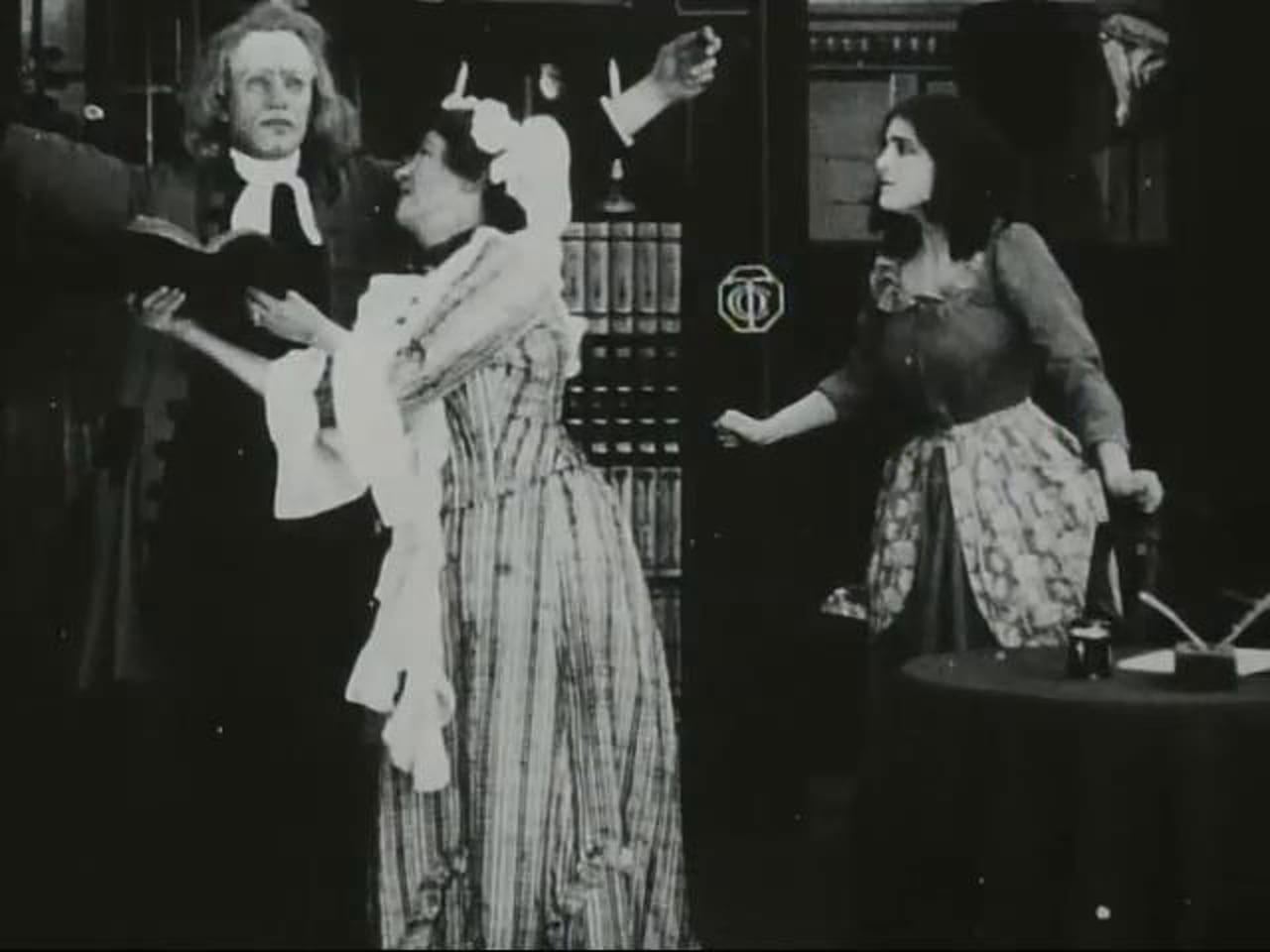
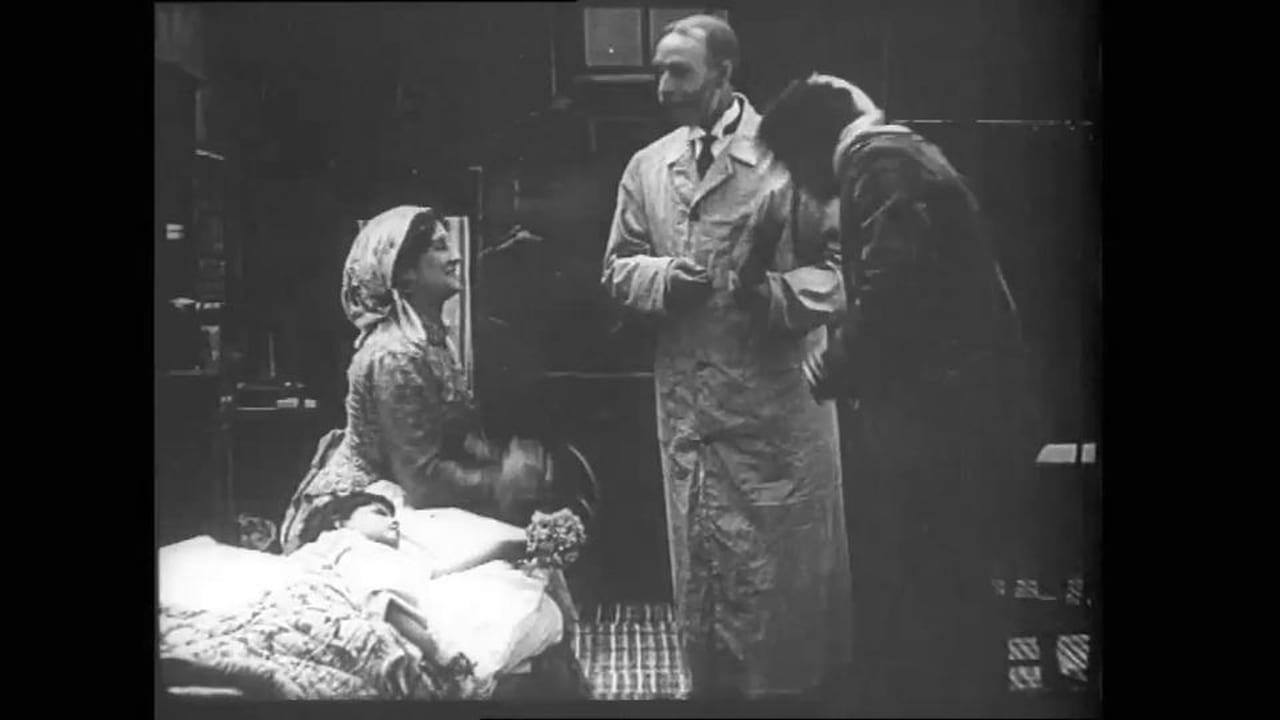
“At the opening of the play, Granny Nichols’ only daughter is leaving the farm to go to the city in search of employment. We next find her in the city, married to a wealthy man who has forbidden her to make their marriage public as he is afraid his family will object. One day, after a year of happy married life, the husband leaves his wife and baby daughter to go downtown on business. Through a case of mistaken identity, he is arrested, and before he can prove his innocence, to the satisfaction of the police, his wife—believing him to have deserted her—takes her baby and returns to her mother. The husband, upon regaining his freedom and returning home, finds only a note from his wife saying that he will never see her or the baby again. He mourns his loved ones as dead, thinking that his wife left him contemplating the death of herself and her child.

“The mother and child return to the farm and there, with her dying breath, the mother entrusts baby Lena to the care of Granny Nichols. Here, on the farm, Lena grows to womanhood never knowing her father’s name. When Lena is 16 her Uncle John decides to take his mother to live with him in the city. Granny refuses to leave without Lena, so she also moves to Uncle John’s home. In the meantime, Lena’s father is a frequent visitor to the home of Uncle John, whom he little thinks is any relation to his dead wife. Here he meets Lena, and espying a locket containing the picture of her mother, which she wears around her neck, recognizes her as his daughter. Not only this but lucky Lena is enabled to marry the man she loves.”

Summary from The Moving Picture World · 13 August 1910
Background of the scenario

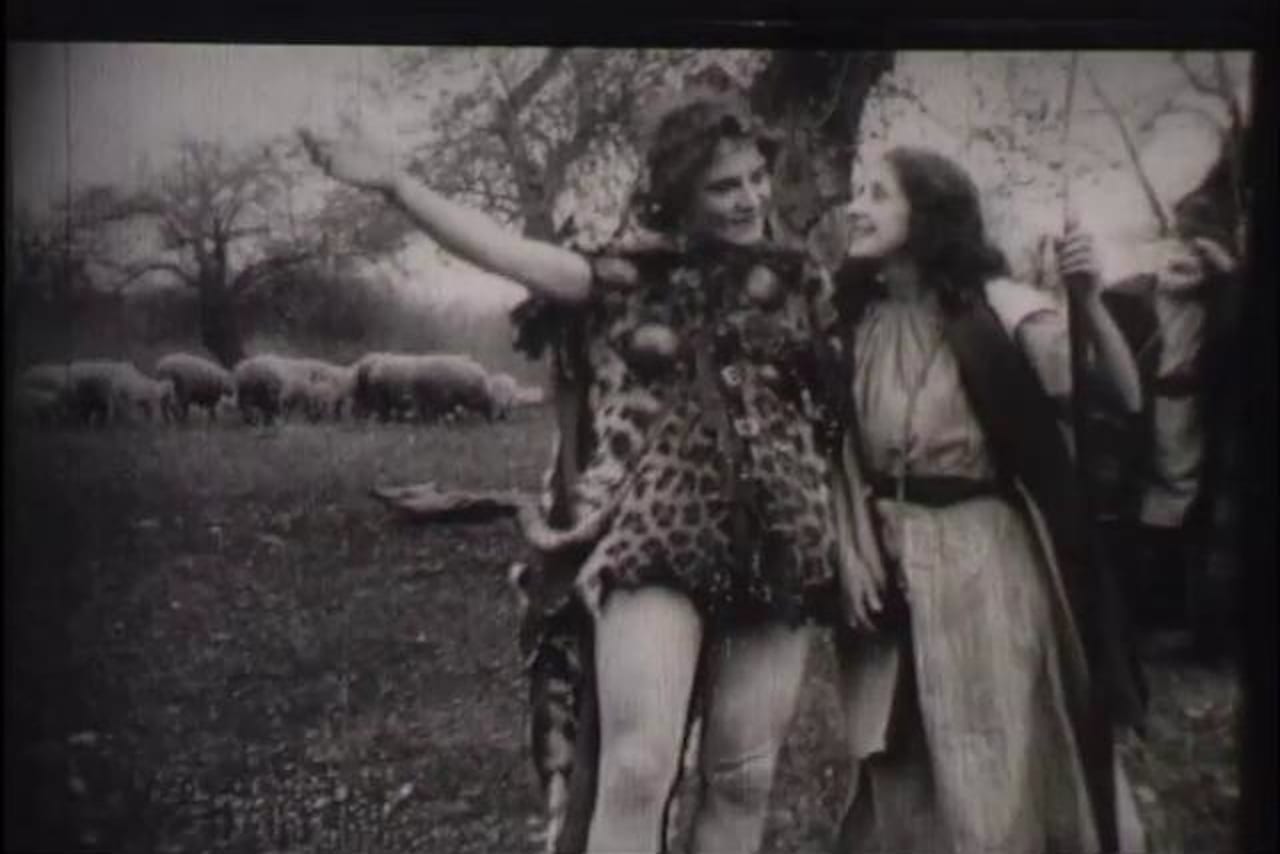
The biography of Mary Jane Hawes Holmes is given under the entry for her dramatized novel, Tempest and Sunshine, released by Thanhouser on June 28, 1910. Lena Rivers was one of Holmes’ two most popular works from a total production of 39 novels, Tempest and Sunshine being the other favorite. Lena Rivers, published in 1856, was reprinted nearly a dozen times before the turn of the century. The same story was dramatized for the screen by Garrison Film in a five-reel production released in November 1914.

What the papers said

2 reviews · 1 article

“A reproduction of Mary Jane Holmes’ stories which were once very popular. It is the story of a poor girl marrying a wealthy man and through certain complications losing sight of his wife and baby. The mother dies without his seeing her again, but ultimately he finds the baby, a grown woman, and the story ends happily. To those who …

Read in full · 1 min

“A reproduction of Mary Jane Holmes’ stories which were once very popular. It is the story of a poor girl marrying a wealthy man and through certain complications losing sight of his wife and baby. The mother dies without his seeing her again, but ultimately he finds the baby, a grown woman, and the story ends happily. To those who have read Lena Rivers with pleasure the picture will be more than ordinarily entertaining. To those who have not read the story the film presents a narrative not without its interest in offering a quarter hour’s diversion well worthwhile.”

The Moving Picture World · 27 August 1910

“The well-known novel is adapted for a film story with considerable success in this picture. The story is clear and not too complicated, although the film covers all the essential points of the written story. Lena’s mother’s trip to the city, her marriage, her return to the farm with Lena, believing her husband has deserted her, the removal of Lena …

Read in full · 1 min

“The well-known novel is adapted for a film story with considerable success in this picture. The story is clear and not too complicated, although the film covers all the essential points of the written story. Lena’s mother’s trip to the city, her marriage, her return to the farm with Lena, believing her husband has deserted her, the removal of Lena with her grandmother and uncle to the city, and the meeting and recognition through a locket of her father’s, are all brought out with some distinctness. The acting is good.”

The New York Dramatic Mirror · 20 August 1910

Article

13 August 1910The Moving Picture World1 min

“What is perhaps the most popular of Mary J. Holmes’ writings has been done into a strong ‘Thanhouser Classic’.... This is Lena Rivers, the story of the girl who lost her father and who, as if by miracle, found him again. It is a charming tale, carrying good love interest, and makes a charming picture....”

Have you seen this film, or a print of it?

Prints of films thought lost still turn up in attics, private collections and archives. A record like this one is how the next one gets found.

Tell us about a print

Cast and crew

Every name opens that person's page, with each film they appear in and which of them you can watch.

Watch instead

Films you can watch from the same company

Matched by cast, director and kind

More about this film

From Volume II: Filmography of Q. David Bowers’ Thanhouser Films: An Encyclopedia and History, reproduced with permission and unchanged. Read the history of 1910 →

Cite as: Bowers, Q. David. Thanhouser Films: An Encyclopedia and History, “Lena Rivers”. thanhouser.org/films/lena-rivers/

Where a print is held

Held by
No print known