1911Thanhouser Company950 feetDrama

Love’s Sacrifice

No copy you can watch online. No print is known to survive. What follows is what does: the release, the cast, the story, and what the trade press said at the time.

The story

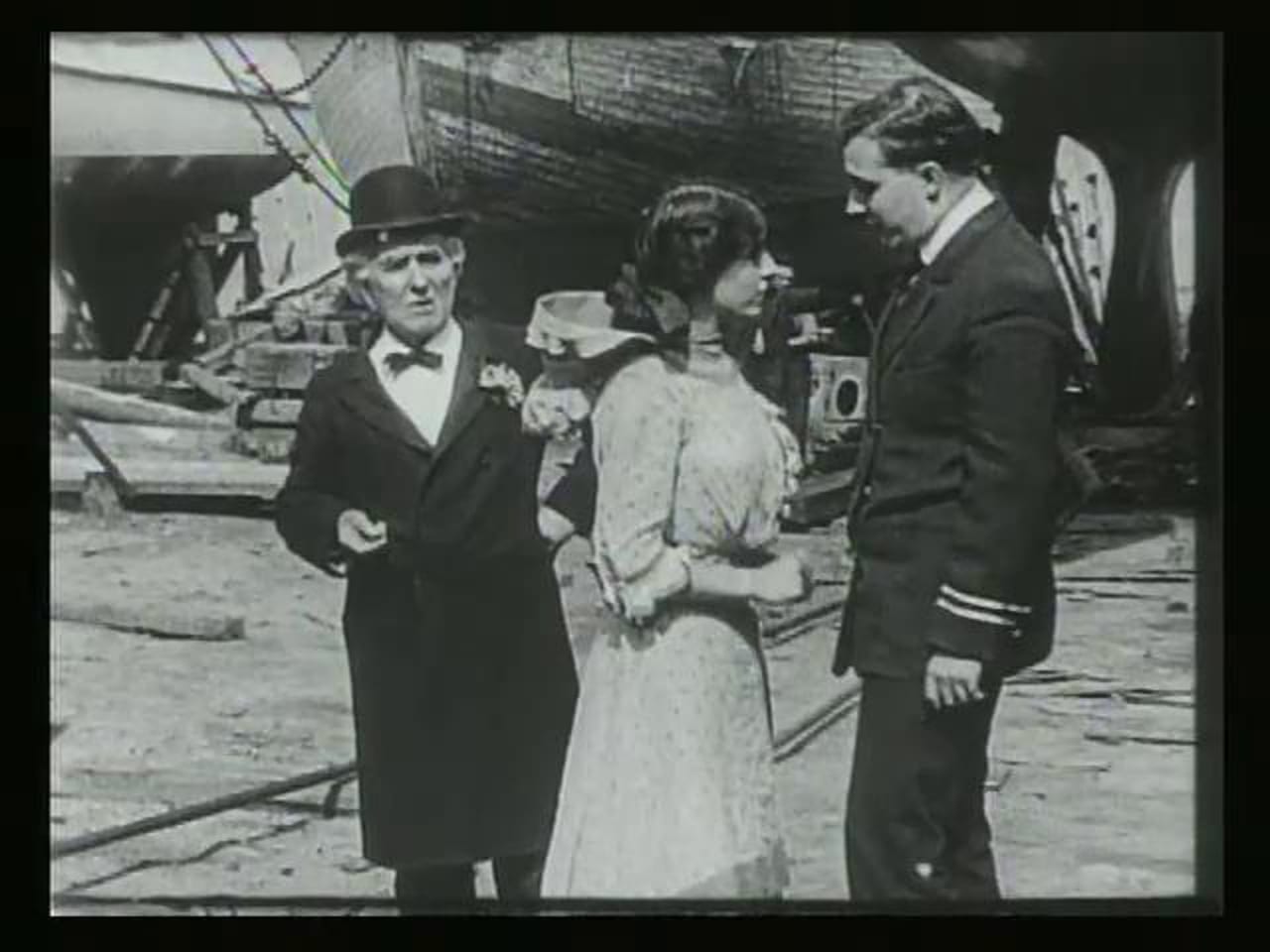
“A middle-aged scientist, on a vacation in the country, meets and falls in love with a young girl, the only daughter of a widow who is an invalid. The widow, knowing that her life is near an end, hopes to see her daughter settled happily before she dies, and heartily approves of the scientist. Partly because of her mother’s advice, the girl consents to marry, and the ceremony is performed while the invalid is on her death bed. In her new home the girl is happy, but finds that her life is a lonely one. Her husband is wrapped up in his profession, and while he loves his wife dearly, she is not all in the world to him, and sometimes she feels that she is neglected. So she welcomes the appearance of a young man, son of one of her husband’s old friends, and on his part the acquaintance speedily ripens into love. The wife is too innocent to realize it, the husband immersed in his studies, does not know it, and the only person who sees that the couple are in danger is a faithful old servant of the scientist.

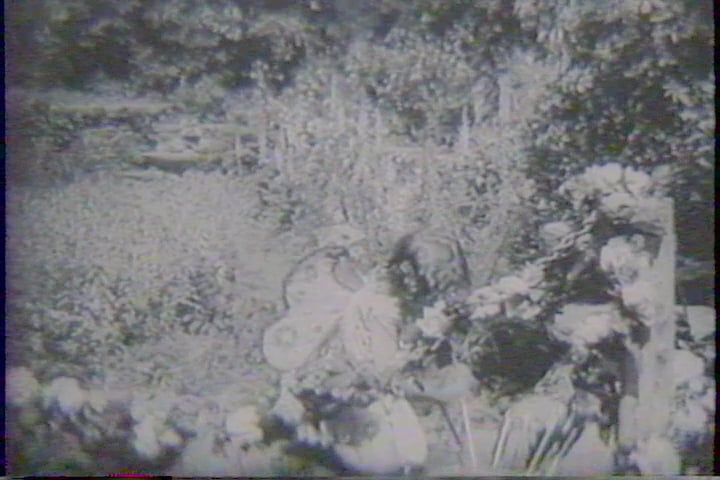
“This man finally determines to call the husband’s attention to affairs. While the young people are in the garden, he induces the scientist to look out the window. The husband sees his wife being embraced by the son of his old friend. He drops the curtain with a groan. Had he waited a moment, he would have seen that his wife indignantly spurned the attention of the man and ordered him from the place, and never to return. But all that the husband saw was what seemed to convince him that his girl wife loved another, a younger and handsomer man. Then he considered what to do. Humbly, he decided that perhaps the mistake was his own, and that the wife’s happiness must be secured under any and all circumstances. So he decided to eliminate himself in such a manner that his death would seem to be a natural one, so that wife, without scandal, could wed the man he thought she loved.

“So he tells the wife that he is going abroad on business, and she does not suspect anything. But later the old servant receives a letter from his master, telling him he has deliberately gone to a section of the tropics, which is practically death for white men, and that he hopes and indeed knows that he will never return. The servant is warned that the wife must never know, but his tears give an inkling of his secret. Finally she sees the letter, and is horror stricken at the error of her husband. Losing no time she posts after him, finds him sick and apparently dying, and convinces him that the only man she does love, or ever did love, is himself. Joy aids his recovery, and in time he is able to return home, with a faithful wife who has nursed him back to health. Each saw that they had been somewhat to blame, and that too much science is sometimes as bad as too much flirtation. So they adapted themselves to each other’s ways, and went through life as partners, without secrets from each other, or misunderstandings.”

Summary from The Moving Picture World · 16 September 1911
What the papers said

2 reviews · 1 advertisement

“Though the story as a story is plausible and could be worked up as a commendable picture play, as herein presented it is so replete with faulty construction and inconsistent action that it sadly misses the mark. A girl marries a scientist whose work takes him from her the greater part of the time. A friend calls and forces his …

Read in full · 1 min

“Though the story as a story is plausible and could be worked up as a commendable picture play, as herein presented it is so replete with faulty construction and inconsistent action that it sadly misses the mark. A girl marries a scientist whose work takes him from her the greater part of the time. A friend calls and forces his attentions upon the wife, and the couple are observed by the husband apparently in an embrace, though she had resented the action. The husband goes to a far country infested with fever, hoping to die, and leaves a note to that effect with his man servant and a less explanatory one for his wife. She follows him, finds him in a hut stricken with the disease, and brings him back home, where they are again happy.

“In the first scenes it is inconsistent that the chum of the husband should invite the latter to visit his sister—the couple have not yet met—then picture the girl as watching for their arrival, repeat the first scene, showing the two men just starting out, and then revert to the country home scene. Bad assembling of film. The change in the appearance of the husband is far too great in the scenes when he makes love to the girl, not yet his wife, and later after his marriage. In the one he is a youthful juvenile and in a the latter a middle-aged man. How trite the revolver in the table drawer! And how ridiculous the mad chase of the girl through the wilderness, alone and unguided! How in the name of common sense could she find her way? And what a custom to travel in! And how very unwild is most of the ground she traverses. And how very healthy, abloom with daisies and other flowers! And why the overdone emotional scene after she finds her husband? It is long drawn out and uninteresting, and tends to stop the action.”

The Morning Telegraph · 1 October 1911

“What might have been a very strong drama fails by the loose treatment given the scenario and the general lack of realizing what are the primary and fundamental situations of the story. The principal actors were sincere, but doubtless the role of the wife would have been more convincing if played by a more mature woman. There is too much …

Read in full · 1 min

“What might have been a very strong drama fails by the loose treatment given the scenario and the general lack of realizing what are the primary and fundamental situations of the story. The principal actors were sincere, but doubtless the role of the wife would have been more convincing if played by a more mature woman. There is too much talk and action to no purpose throughout, and the long drawn out introduction is unnecessary, taking space that should have been given to the real evolution of the plot. A scientist marries a young girl and neglects her after marriage in the pursuit of his studies. A young man appears on the scene who wins her admiration. When her husband realizes this he determines to sacrifice himself by going to a fever infected district. She goes after him, and all is well. The district traversed did not look like the land represented.”

The New York Dramatic Mirror · 4 October 1911

Advertisement

16 September 1911The Moving Picture World1 min

“If some folks on this planet weren’t so eternally hasty there would be a powerful lot of domestic strife avoided—with the emphasis on the ‘mess’ part of it. In this corking drama you see another, but unusual case; not a young fellow doing the wrong thing, but an elderly scientist who ought to have known better. And if it were not for that all-consuming flame of devotion that beats in the good woman’s breast, this story would leave a dark brown taste around our palates—but that is bee-u-ti-full-y avoided, because it’s a Thanhouser.”

Have you seen this film, or a print of it?

Prints of films thought lost still turn up in attics, private collections and archives. A record like this one is how the next one gets found.

Tell us about a print

Cast and crew

No cast or crew is credited in the surviving sources for this film. Bowers records the title and the release; the names did not come with them.

Watch instead

Films you can watch from the same company

Matched by cast, director and kind

More about this film

From Volume II: Filmography of Q. David Bowers’ Thanhouser Films: An Encyclopedia and History, reproduced with permission and unchanged. Read the history of 1911 →

Cite as: Bowers, Q. David. Thanhouser Films: An Encyclopedia and History, “Love’s Sacrifice”. thanhouser.org/films/love-s-sacrifice/

Where a print is held

Held by
No print known