The story
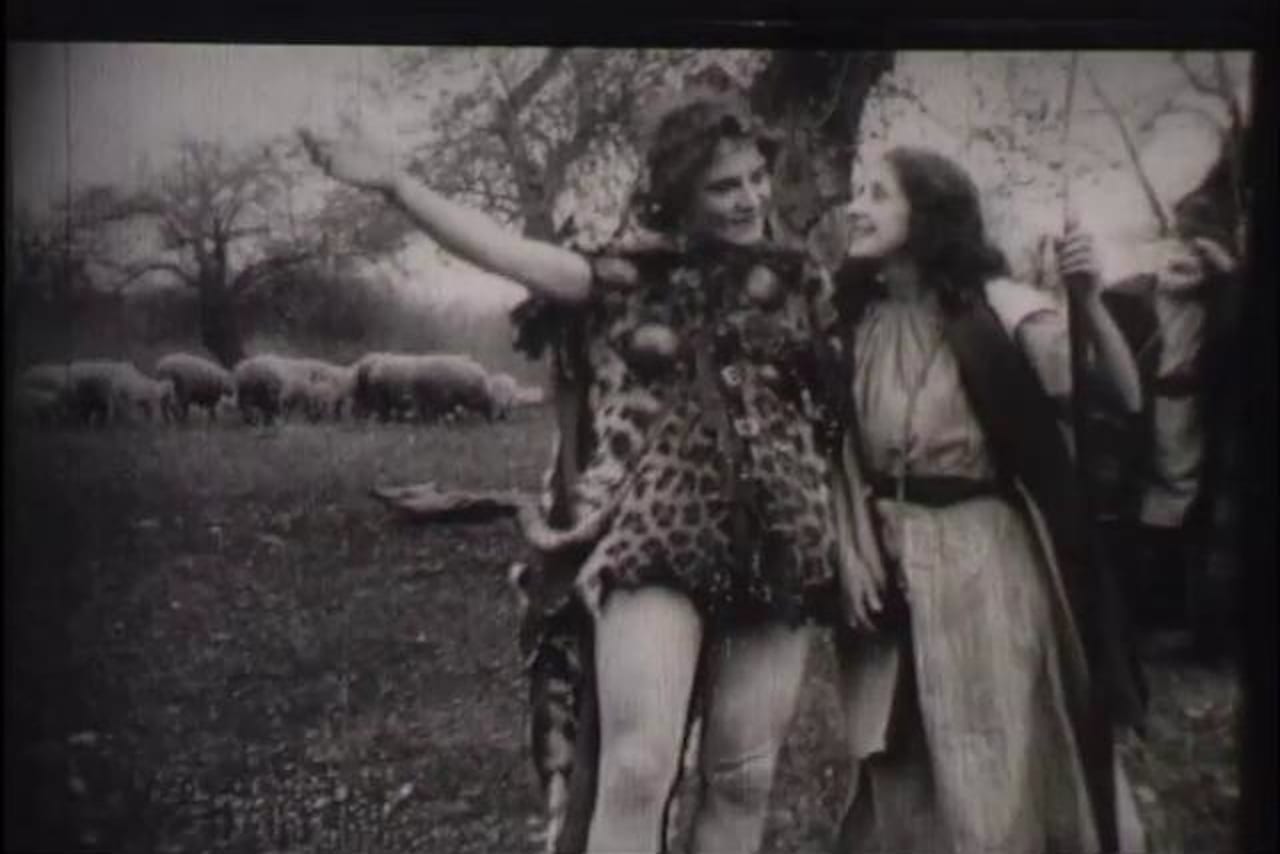
“The play deals with the love affair of two young people, both of whose parents are anxious that they should wed. Young Marlow sent by his father to court the daughter of an old friend, Mr. Hardcastle. Marlow has spent very little time in the company of the fairer sex, and as a consequence thereof is always shy and nervous in their presence. He, therefore, accepts his father’s orders unwillingly and, accompanied by his friend, young Hastings, rides out to meet his future bride. On the road the travelers encounter Hardcastle’s stepson, Tony Lumpkin, who in revenge for punishment his stepfather has inflicted, directs Marlow and his friend to the Hardcastle mansion, claiming that it is an inn where they will be well treated.
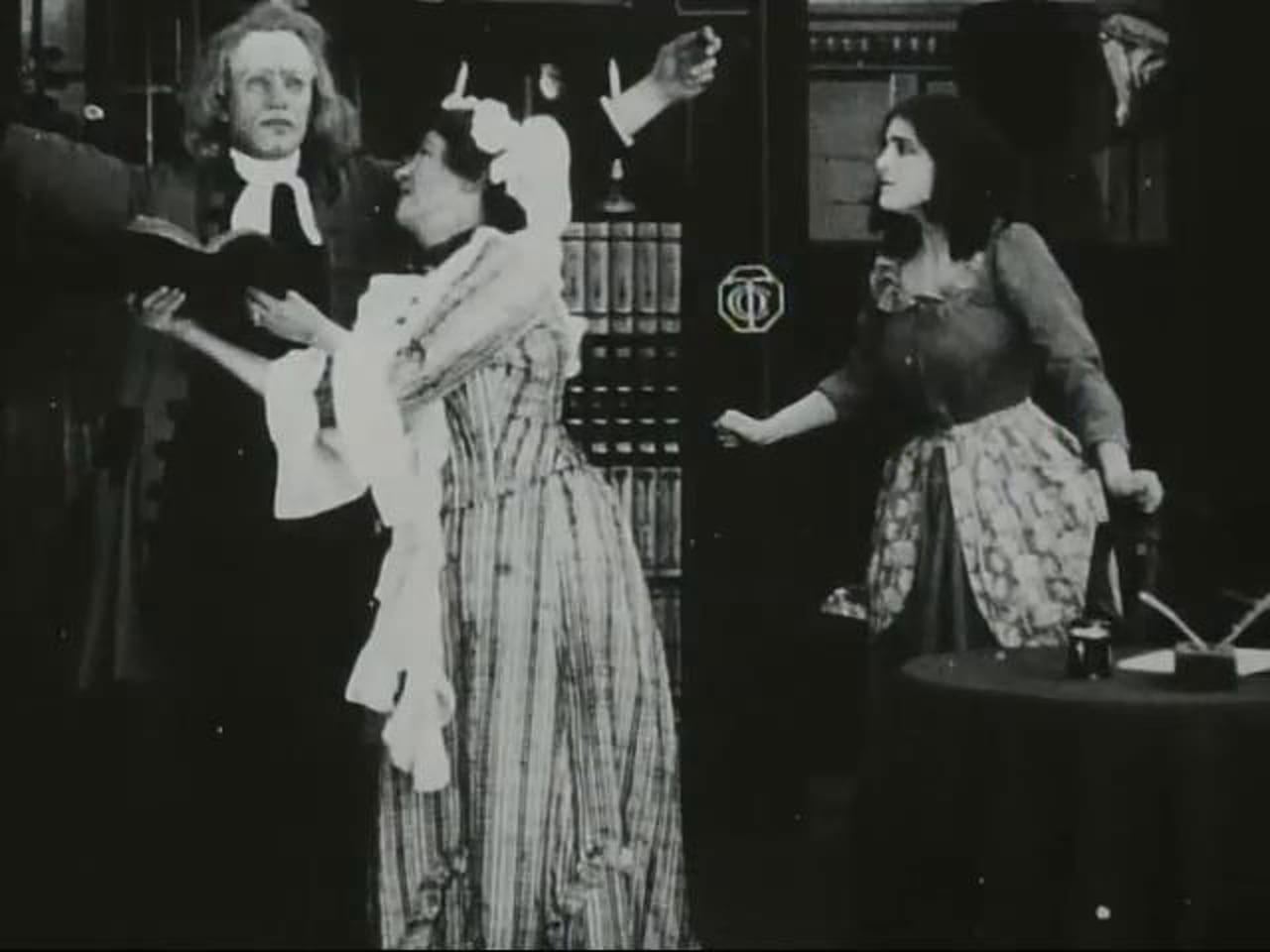
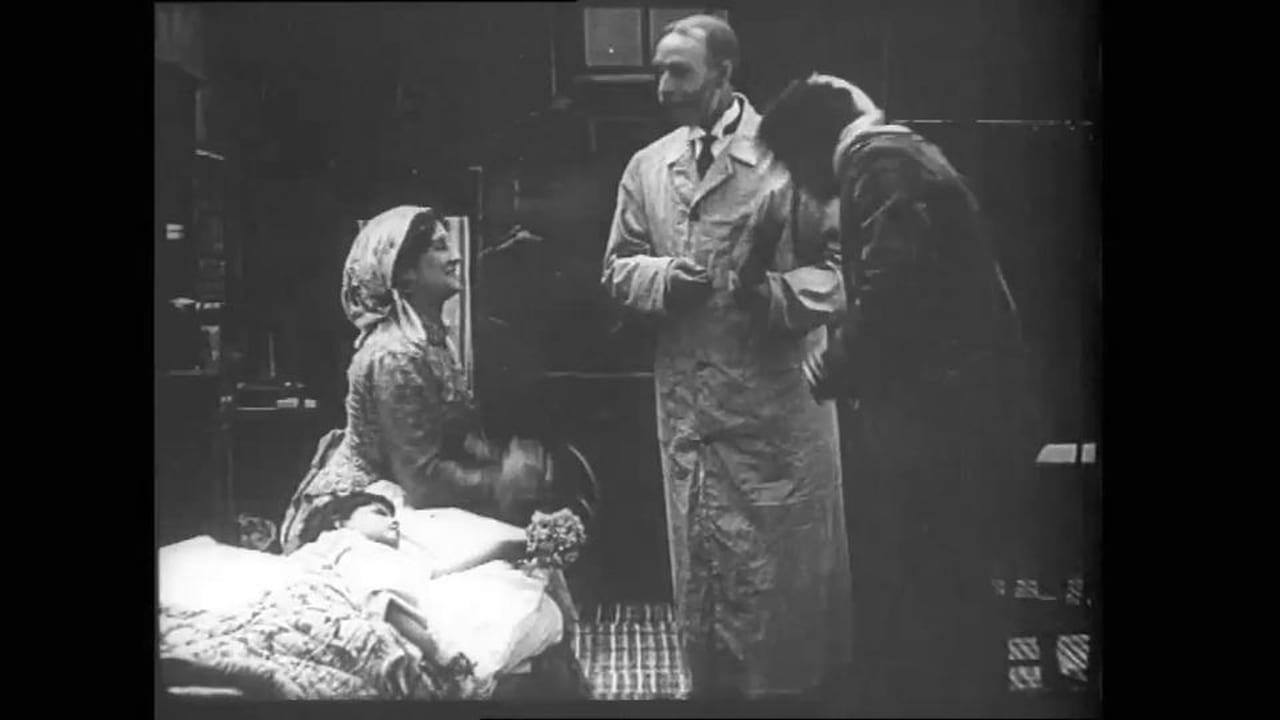
“In the meantime, great preparations are being made at the Hardcastle home for the reception of Hardcastle’s old friend, and when Tony ushers in young Marlow, thinking Hardcastle merely the proprietor of an inn, he treats him with scant courtesy and orders him about, much to the older man’s chagrin. Hardcastle is subjected to his daughter’s extravagant costumes, and she appears on this memorable evening dressed in a simple dress and wearing the cap and apron that housewives in the neighborhood assume. This costume greatly pleases her father, but leads young Marlow further astray. He immediately jumps to the conclusion that she is a most attractive barmaid and loses his heart to her in short order. Upon the arrival of his father, Marlow learns his mistake as regards the inn question, but flatly refuses to marry Hardcastle’s daughter, claiming that she is too grand for him, and citing his preference for the maid servant. While in the act of making love to the supposed barmaid he is discovered by his father, and, when told that this is the young lady his father had intended him to marry, he is overjoyed, as he feels sure that his bashful disposition would never have allowed him to woo and win her had he known her to be a lady of fashion.”
Summary from The Moving Picture World · 20 August 1910