The story
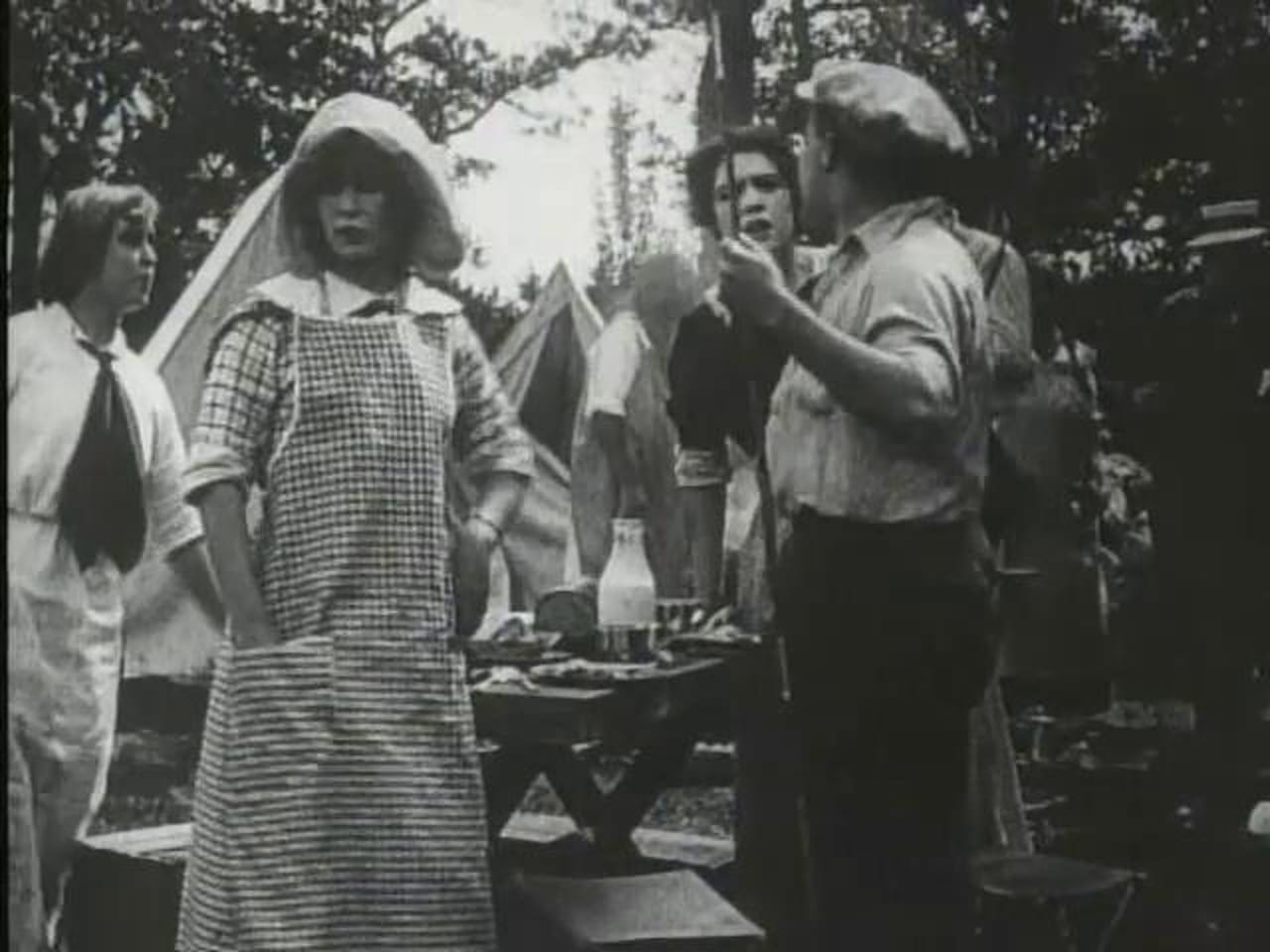
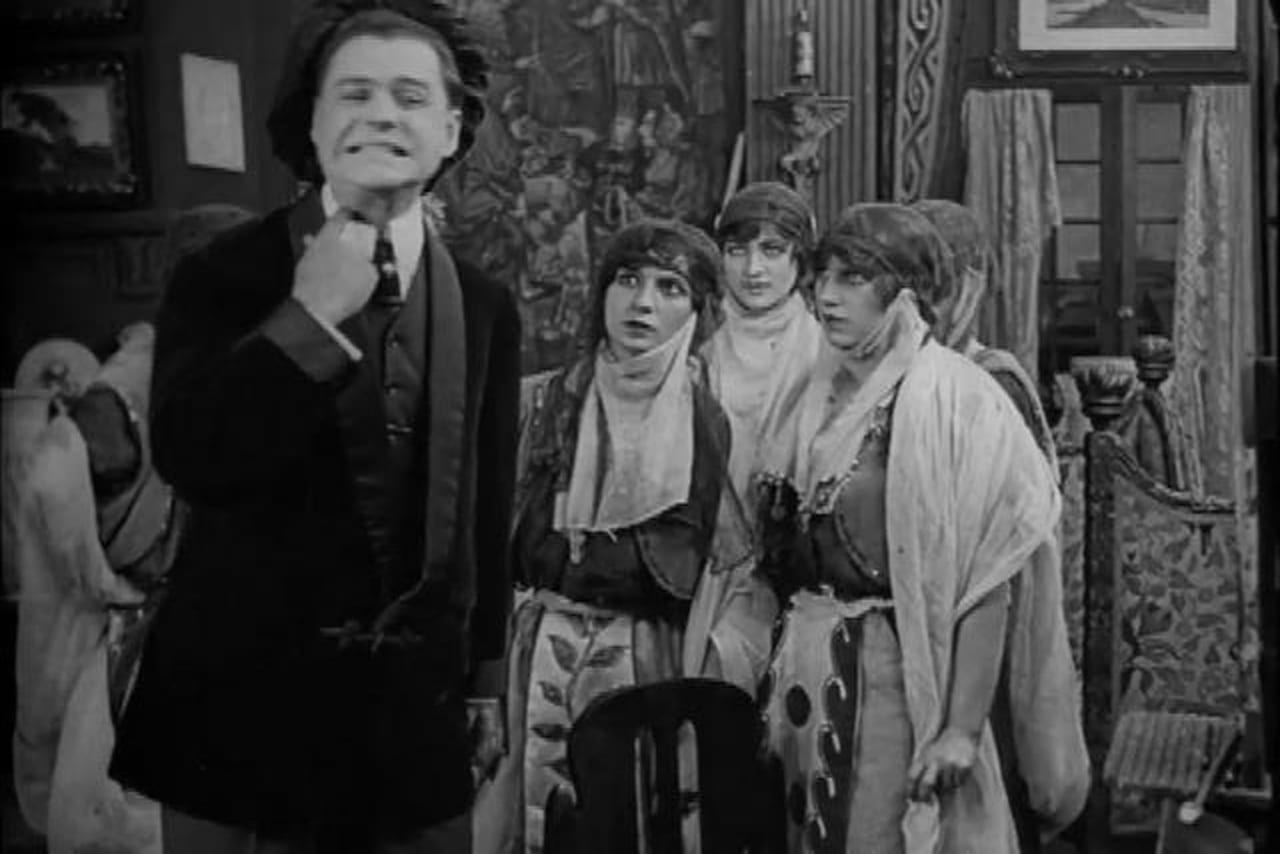
“A learned professor who lives in a small country town, and whose life has always been cast in the most peaceful surroundings, is secretly a student of criminology and a profound believer in the deduction theory. The person he most admires is one Surelock Jones, a sleuth of renown, who has attained much notoriety by his bizarre methods. The detective has seen and admired the professor’s daughter, which is one reason why he accepts an invitation to visit the professor at his country home. For the girl is a problem. Surelock can prove to his satisfaction, by deduction, that she loves him, and he is anxious to demonstrate that his theory is correct. The girl, however, loves another, a young man who is not a detective, and does not want to be one. All he desires is to win the girl of his choice, and she has told him that she will be his, which is much better than any deduction.
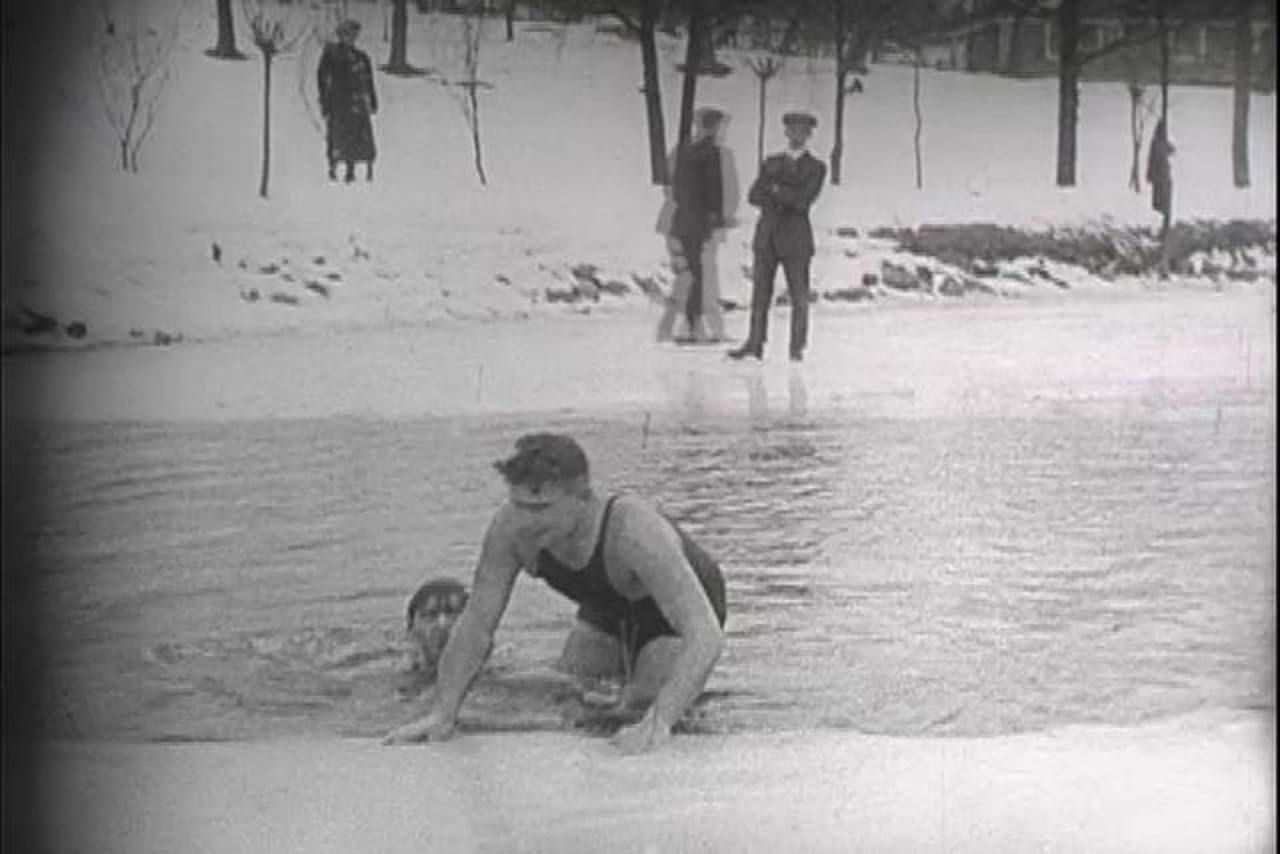
“Surelock arrives in the country and finds that the father favors his suit. The girl, however, does not care for him, even though he tells her some of his wonderful cases, and proves them by newspaper clippings. And the young man of the girl’s choice finds that he has a stormy time ahead, due to parental opposition. So he decides to ‘show up’ the detective. While the distinguished guest is a visitor in the country, two mysterious crimes are committed. There is first ‘The Mystery of the False Face,’ and, second, ‘The Strange Case of the Vanished Heiress.’ These are the kind of crimes that he has always reveled in. Strange to say, he does not solve either. Oddly enough, the girl’s sweetheart, although absolutely devoid of detective standing, scores in each instance. He clears up ‘The Mystery of the False Face’ by means of a dachshund and a sausage, while ‘The Strange Case of the Missing Heiress’ unraveled by the aid of an old trunk and a party of merrymakers. Surelock Jones goes back to town without the girl, wondering at his failure as a detective. He cannot explain it, but the girl and his sweetheart, who is now high in the father’s favor, could. But they never did, because the father had always believed in deduction.”
Summary from The Moving Picture News · 3 February 1912