1910Thanhouser Company957 feetDrama

The Best Man Wins

No copy you can watch online. No print is known to survive. What follows is what does: the release, the cast, the story, and what the trade press said at the time.

The story

“Julia Seaton, a rich heiress, has two suitors, one a wealthy physician and the other a poor lawyer. The caliber of the men is revealed when there is an opportunity to aid a poor family. The physician turns away but the lawyer renders all the assistance he can. The heiress learns of the incident and it is not difficult for her to choose between the two.”

Summary from The Billboard · 14 May 1910

Another synopsis, from The Moving Picture World · 14 May 19101 min

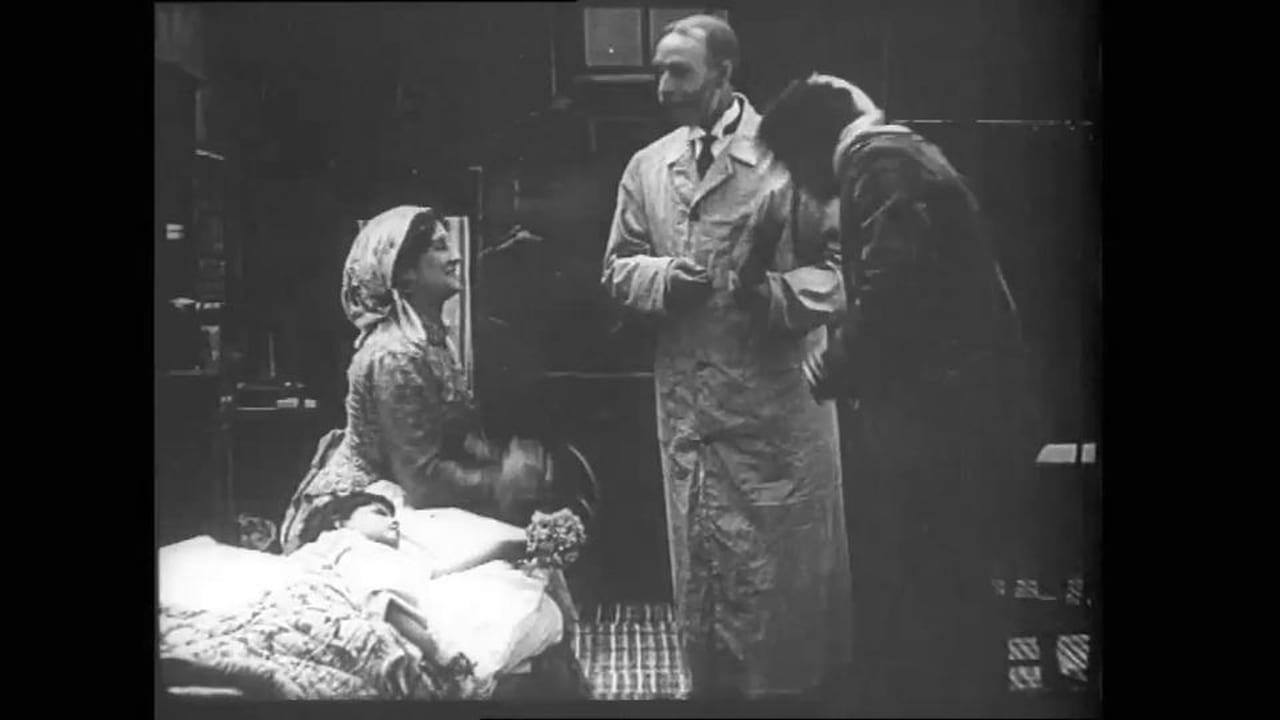
“Julia Seaton, a rich heiress, has two suitors, Dr. John Seymour, a wealthy physician, and Richard Calhoun, a poor lawyer. They both propose in the same evening, but while inclined to prefer John, Julia has not yet made a definite choice, and tells both to come back in a month for their answer. The scene shifts to the squalid home of the charwoman, Mrs. Smith, who, ill in bed and unable to earn the rent money, is about to be evicted with her tiny daughter May. The mother faints from weakness, and May rushes for a doctor. She sees Seymour’s sign in a window, and asks him to help her mother. Then the man shows his caliber. Because she has no money, he turns her away. Calhoun, the lawyer, meets May, learns of her plight, and, although poor, pays the overdue rent, and the family moved back in the house. But the privation she has suffered proved fatal to the mother and tiny May is left an orphan.

“On her death bed, Mrs. Smith is found by Miss Seaton, who is visiting the poor quarters on charity work, and on the charwoman’s passing, society girl adopts poor little May. The child becomes a happy member of the Seaton family and at the end of the month is a fast friend of the kind-hearted Julia. At the end of a month, too, Julia prepares to decide who shall be her life partner, as promised. But it is little May who really decides. At sight of Seymour, she recalls the physician who turned her away, and denounces him to his own and Miss Julia’s face. May recognizes Calhoun as the friend in need, and tells Miss Julia so. The latter feels that Calhoun is a real man and would make a splendid husband, so it’s a cinch that ‘the best man wins.’”
What the papers said

2 reviews · 1 advertisement

“Sometimes one has concrete evidence that the performance of a charitable deed is not lost, even from a selfish viewpoint. Perhaps this man did not realize when he befriended a poor woman and her child that he was really deciding the question of his future marriage. But he did, and this film tells the story in an interesting way, emphasizing …

Read in full · 1 min

“Sometimes one has concrete evidence that the performance of a charitable deed is not lost, even from a selfish viewpoint. Perhaps this man did not realize when he befriended a poor woman and her child that he was really deciding the question of his future marriage. But he did, and this film tells the story in an interesting way, emphasizing the fact that the man who is kind not infrequently receives his reward here. The acting of the child is characteristic, and when she denounces the doctor, who refused aid to her dying mother, she does it very vigorously. It is a good story well told.”

The Moving Picture World · 28 May 1910

“This picture carries interest and sympathy, although it is not particularly strong in plot. The acting is intelligent and effective, but can be improved by avoiding camera consciousness. A wealthy young woman has two suitors—a poor young lawyer and a wealthy doctor. The doctor refuses to visit a dying woman who is living with her child in a garret, because …

Read in full · 1 min

“This picture carries interest and sympathy, although it is not particularly strong in plot. The acting is intelligent and effective, but can be improved by avoiding camera consciousness. A wealthy young woman has two suitors—a poor young lawyer and a wealthy doctor. The doctor refuses to visit a dying woman who is living with her child in a garret, because there is no money to pay his fee, but the young lawyer aids the poor woman and saves her from being ejected for rent. When the mother dies, the child is adopted by the wealthy young woman and later, when the two suitors call, the child tells her story and the cruel doctor is dismissed, while the generous young lawyer is accepted. In the scene where the child is taken from her mother’s death bed too little attention is paid to the corpse.”

The New York Dramatic Mirror · 21 May 1910

Advertisement

14 May 1910The Moving Picture World1 min

“A Thanhouser that will turn Friday the 13th into a day of joy—A rich heiress has two suitors—a rich doctor and a poor lawyer. Both propose on the same evening. She tells them to come back in a month for her answer. The scene shifts to the hovel of a poor charwoman who is dying and is about to be evicted with her tiny daughter. The child rushes for a doctor, and finds the rich physician who is one of the suitors. As she has no money, he turns her away. The child meets the other suitor, the poor lawyer, who cheerfully does what he can for the dying mother and leaves. A rich heiress, on a charity tour, visits her dying mother. When the woman dies, the heiress adopts the child. One month having elapsed, the suitors, rich doctor and poor lawyer ask the heiress for her answer. The adopted child is present. She cries out at the sight of the rich doctor and tells the heiress how he had turned her away. She recognizes the lawyer as a friend in need and tells the heiress so. The heiress orders the doctor out of her presence and says ‘yes’ to the lawyer, to the little one’s delight.”

Have you seen this film, or a print of it?

Prints of films thought lost still turn up in attics, private collections and archives. A record like this one is how the next one gets found.

Tell us about a print

Cast and crew

Cast
Anna Rosemond as rich heiress
Frank H. Crane as poor lawyer
Marie Eline as the young daughter
Martin Faust as wealthy physician

Every name opens that person's page, with each film they appear in and which of them you can watch.

Watch instead

Films you can watch from the same company

Matched by cast, director and kind

More about this film

Bowers’ notes

Some accounts give the film length as 950 feet.

From Volume II: Filmography of Q. David Bowers’ Thanhouser Films: An Encyclopedia and History, reproduced with permission and unchanged. Read the history of 1910 →

Cite as: Bowers, Q. David. Thanhouser Films: An Encyclopedia and History, “The Best Man Wins”. thanhouser.org/films/the-best-man-wins/

Where a print is held

Held by
No print known