1910Thanhouser Company1,000 feetDrama

The Doctor’s Carriage

No copy you can watch online. No print is known to survive. What follows is what does: the release, the cast, the story, and what the trade press said at the time.

The story

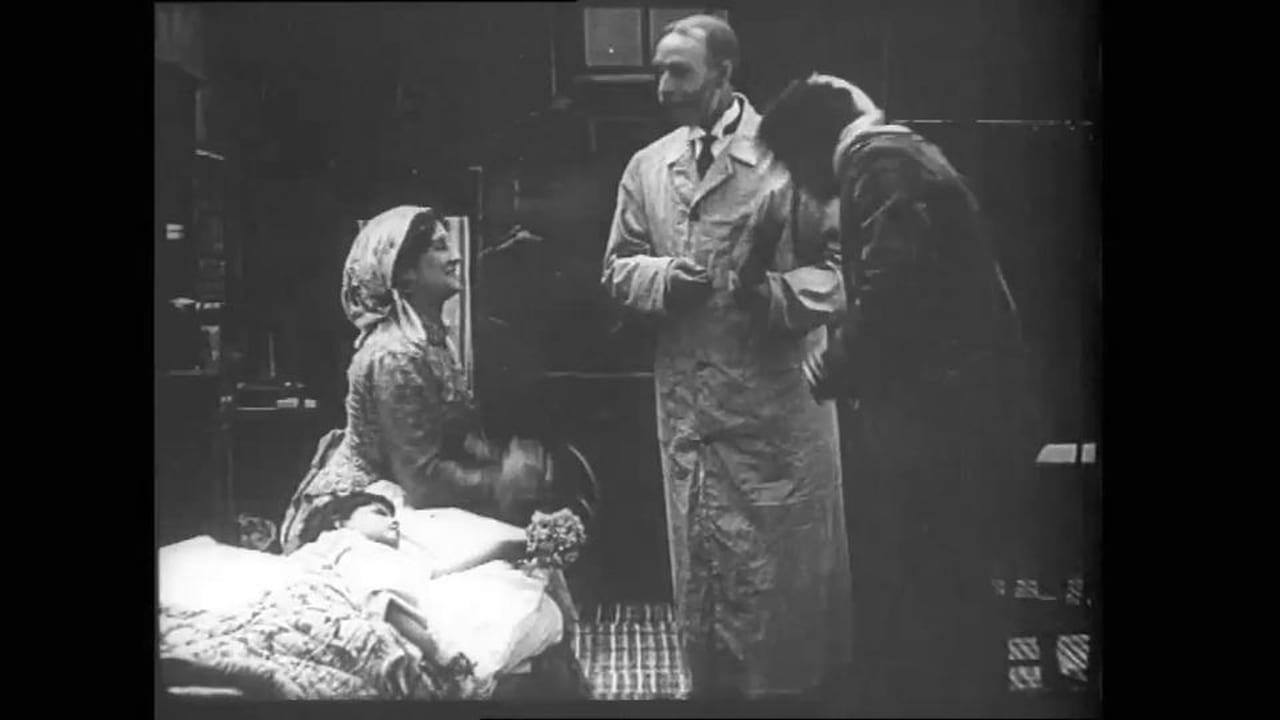
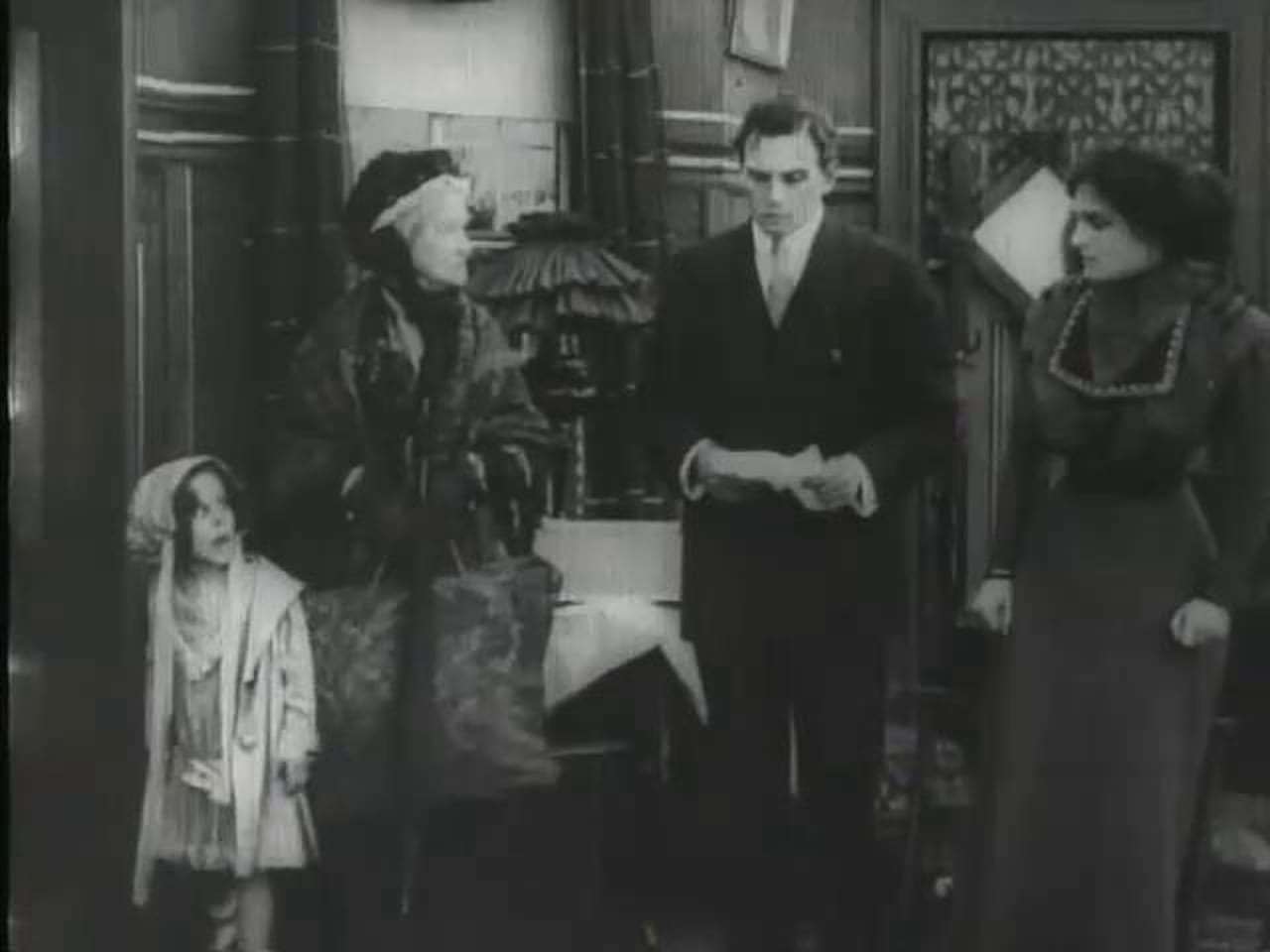
“Max, an old musician, finds it hard to support his two motherless daughters, one of whom is blind, and the professor takes great pride in his daughter’s musical education. The little one sings and the blind girl plays upon the violin. But sickness and death overtake the professor, and the orphans find themselves penniless and homeless. They are compelled to sing in the streets, and thus eke out a precarious livelihood. While walking through a fashionable street one day Marie sees the sign of the famous doctor. She calls her blind sister’s attention to it, but the girl has no hope that the doctor will see penniless patients. Marie returns in time to see the doctor alight from his carriage, but the servant refuses to allow the ragged little girl to follow him. Marie conceives the idea of hiding in the doctor’s carriage, and when he sets out on his rounds he discovers the terrified little girl. She pleads with him not to be angry, and tells of her sister’s affliction. The doctor goes with her to see Violet, and has the stricken girl taken to a hospital, where he operates successfully upon her eyes. Mr. Grey brings Violet to the attention of some charitable women, who see that she does not lack professional engagements. While returning from one of her recitals, Dr. Grey offers to drive her home, and proposes to Violet, and is accepted. Marie is awakened by the sound of a kiss, and is told that she is to have a big brother.”

Summary from The Bioscope · 22 December 1910
What the papers said

2 reviews

“A pathetic story of how a blind girl was cured because her sister hid in a doctor’s carriage and presented the case to him so graphically that he attended to it. Then after the cure he married the girl. That is about all there is to the story and yet it touches the sympathies because the little sister insists that …

Read in full · 1 min

“A pathetic story of how a blind girl was cured because her sister hid in a doctor’s carriage and presented the case to him so graphically that he attended to it. Then after the cure he married the girl. That is about all there is to the story and yet it touches the sympathies because the little sister insists that if she is allowed to visit the doctor he will do something, even though they are poor and friendless. And because her trustfulness was rewarded one feels as though humanity need not yet be given up as hopeless. The really warm hearts in any community are numerous when occasion demands a response, as the eminent doctor did in this instance. Such films are helpful because they make nearly despairing men sometimes hopeful, and as long as hope lasts there is opportunity for achievement.”

The Moving Picture World · 24 September 1910

“One of those precocious infants who accomplish wonders figures as the deus ex machina in this film. Her work is truly remarkable for a juvenile actress, for she has a great deal to do, even before she steps ex machina, which in this case is a carriage. The little girl first has to lead her blind sister about the streets …

Read in full · 1 min

“One of those precocious infants who accomplish wonders figures as the deus ex machina in this film. Her work is truly remarkable for a juvenile actress, for she has a great deal to do, even before she steps ex machina, which in this case is a carriage. The little girl first has to lead her blind sister about the streets to play the violin for stray pennies; next she induces an oculist to treat her sister’s eyes. The sister recovers, of course, and becomes a famous musician. Finale: The ring service. Several of the incidents take place in the doctor’s carriage, hence the title. The little girl performs her part with mature intelligence, doing a number of things that only grown-ups would think of. The heroine is a young woman of taste and dramatic sensibility. She does her part with customary grace. The doctor was a good hero.”

The New York Dramatic Mirror · 14 September 1910

Have you seen this film, or a print of it?

Prints of films thought lost still turn up in attics, private collections and archives. A record like this one is how the next one gets found.

Tell us about a print

Cast and crew

Cast
Marie Eline as Marie, the little orphan

Every name opens that person's page, with each film they appear in and which of them you can watch.

Watch instead

Films you can watch from the same company

Matched by cast, director and kind

More about this film

Bowers’ notes

“This is the play that was written especially for the Thanhouser Kid,” a publicity release stated.

From Volume II: Filmography of Q. David Bowers’ Thanhouser Films: An Encyclopedia and History, reproduced with permission and unchanged. Read the history of 1910 →

Cite as: Bowers, Q. David. Thanhouser Films: An Encyclopedia and History, “The Doctor’s Carriage”. thanhouser.org/films/the-doctor-s-carriage/

Where a print is held

Held by
No print known