1910Thanhouser Company970 feetRomance

The Girls of the Ghetto

No copy you can watch online. No print is known to survive. What follows is what does: the release, the cast, the story, and what the trade press said at the time.

The story

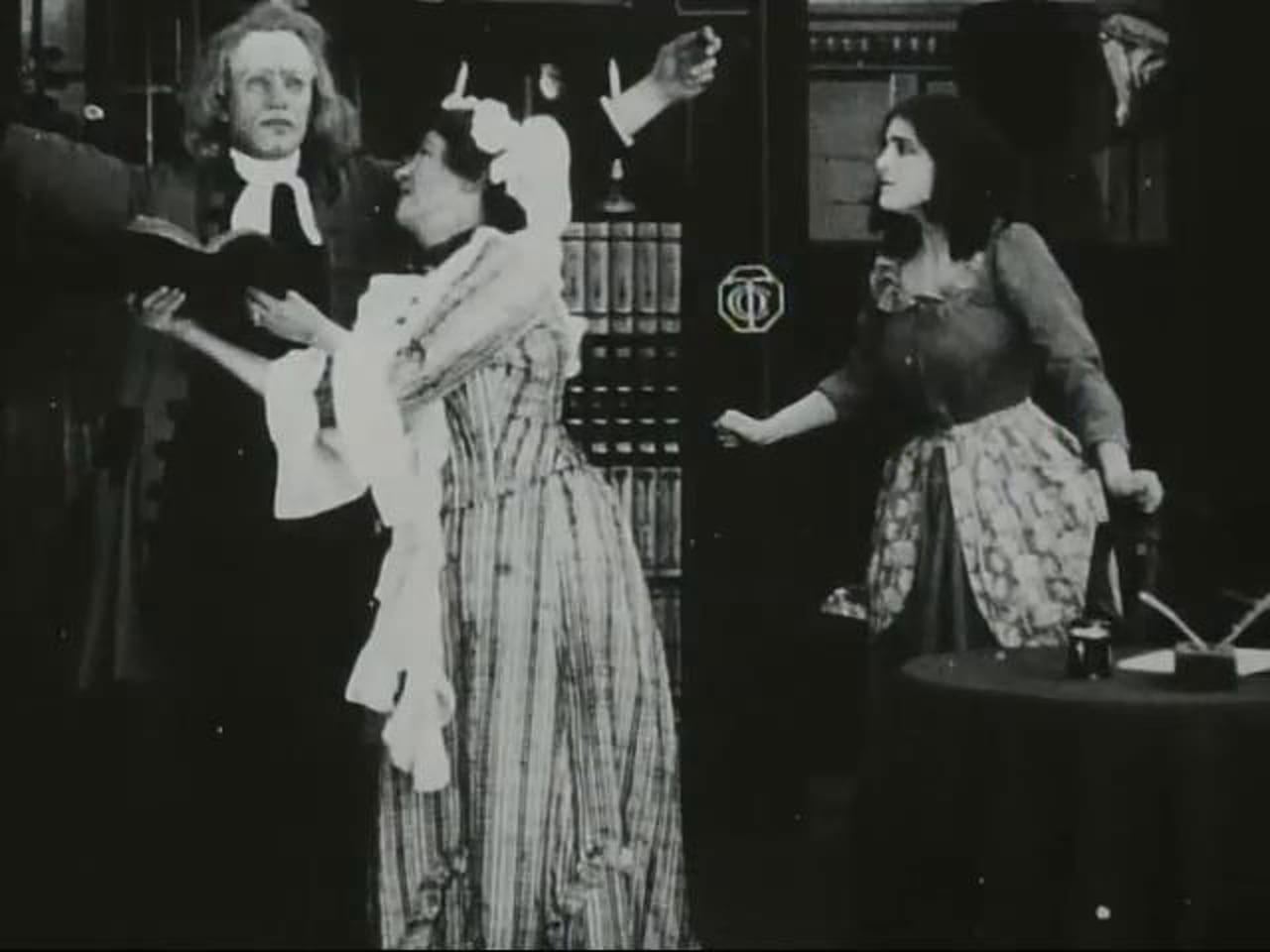
“Bella is an immigrant girl doing sweatshop work in the ghetto of a great city. But by saving for some time, she manages to get enough money to send to the old country for her two little sisters. She meets them at Ellis Island and escorts them across Battery Park to their new home. The three girls live with an uncle and aunt in one poor room in a tenement. The smallest of the sisters while playing on the sidewalk one day gets lost and suddenly finds herself in Chinatown. She is dismayed at the entirely strange surroundings, and is weeping bitterly when found by John Magie, a young settlement worker. He dries her tears and takes her safely to her sweatshop home.

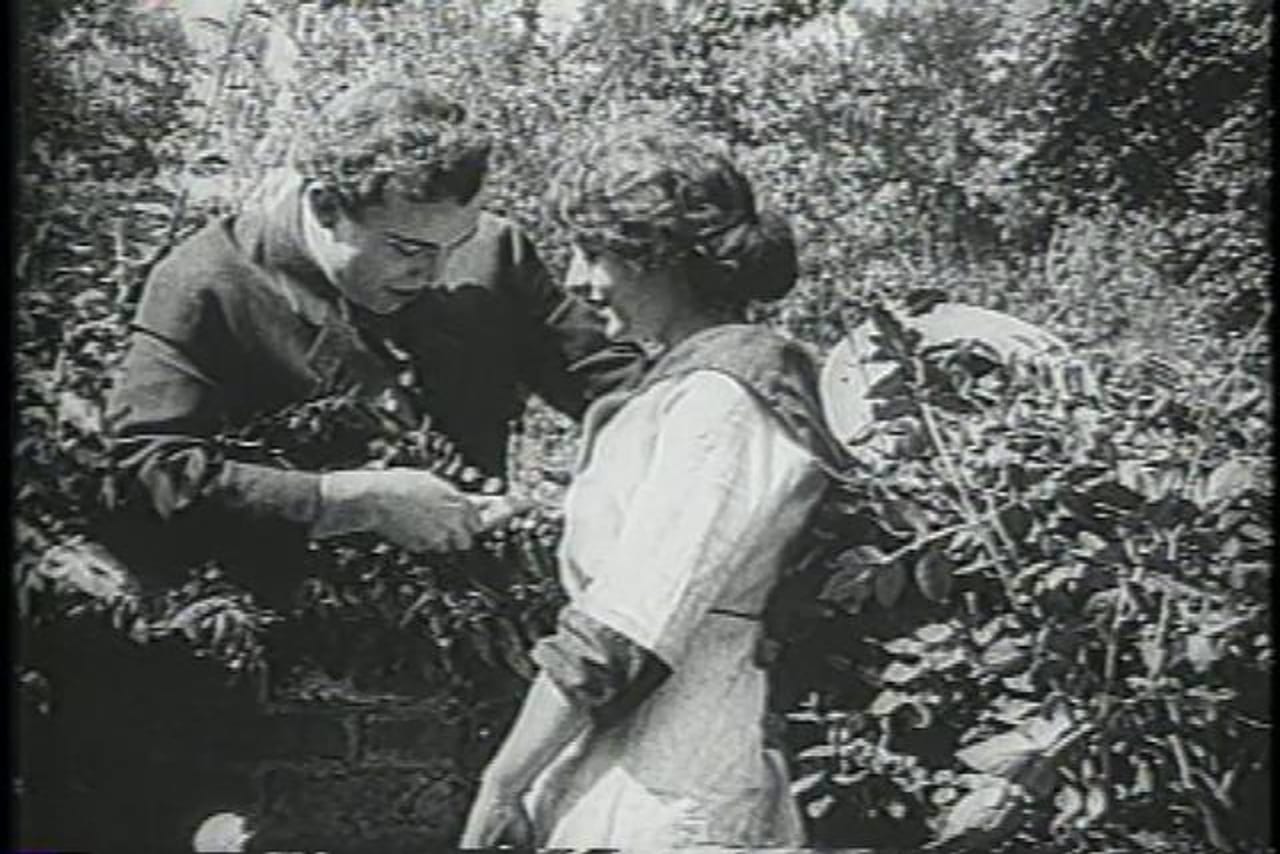
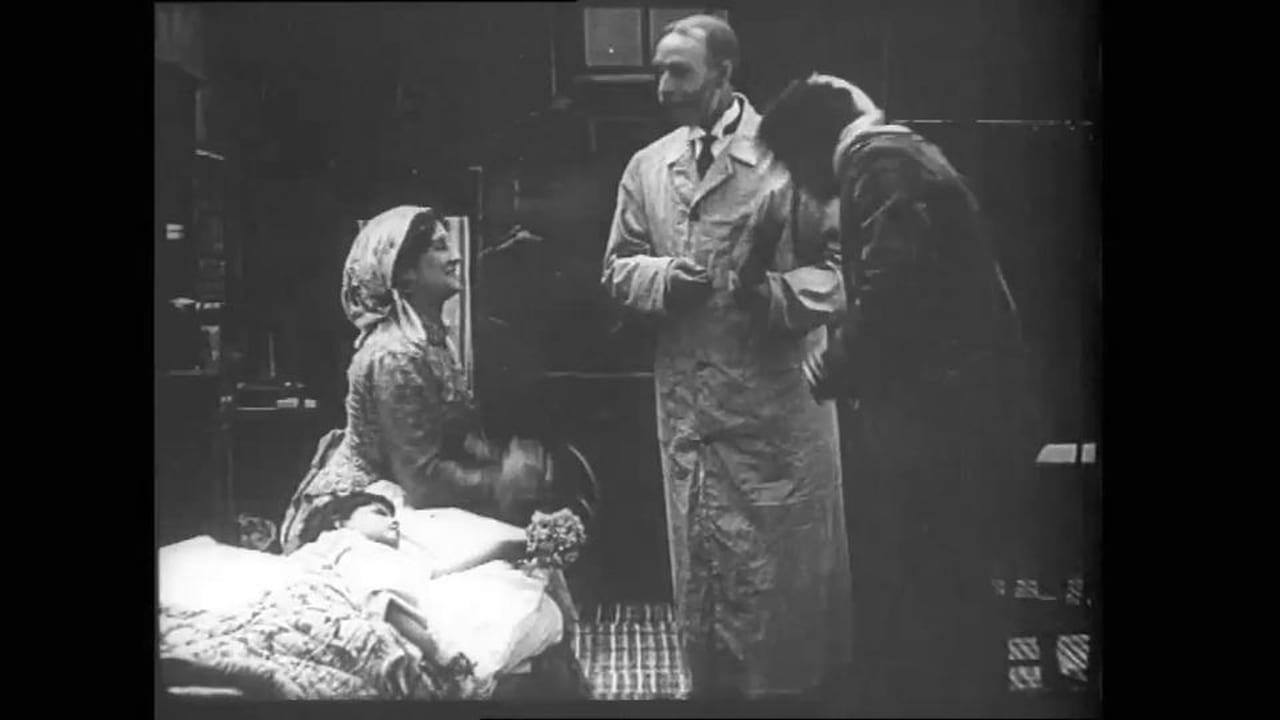
“John is at once attracted by Bella, whom he meets for the first time when he brings the little one back. He does the family many little kindnesses, bringing them flowers and books, and induces the girls to attend the classes at the settlement. While teaching his class one evening, John is suddenly attacked with a fever, which is epidemic at that time. All his pupils flee from him in fear, except Bella, who remains and nurses him back to health. Upon his recovery John makes Bella his wife and they take up together the work of bringing knowledge and happiness to the poor of the East Side.”

Summary from The Moving Picture World · 23 July 1910
What the papers said

2 reviews · 1 article

“The story of this picture is fairly good, but the details are wrong. In the first place, the producers evidently never were in a sweatshop, or else they would not have representing a sweatshop a store like a custom tailor shop, doing a thriving business. The people who are supposed to be Hebrews hardly resemble them. The next objection is …

Read in full · 1 min

“The story of this picture is fairly good, but the details are wrong. In the first place, the producers evidently never were in a sweatshop, or else they would not have representing a sweatshop a store like a custom tailor shop, doing a thriving business. The people who are supposed to be Hebrews hardly resemble them. The next objection is when the settlement worker falls into a faint, the girl is very slow in picking him up. The story tells of a poor immigrant Hebrew girl who falls in love with a settlement worker, who returns her affection, which finally results in their marriage.”

REVIEW by Colin, The Moving Picture News, July 23, 1910:

“There isn’t a lot to the story, but the acting is of the class which still finds favor with the public. The pictures taken in Chinatown do not go quite far enough in depicting East Side conditions; the photography of these particular scenes is not the ideal of Thanhouser productions. Maggie [sic; the synopsis says Bella], the heroine, plays a good part in the film, and ‘The Kid’ and ‘The Leading Lady of New Rochelle’ [apparently Anna Rosemond] do good work, too, in the production of this picture.”

The Morning Telegraph · 24 July 1910

“This picture story is a fairly good one, and is well acted, although there are parts calling for criticism. It tells a simple story of the arrival in this country of a young Jewish girl with two little children. They are seen landing from Ellis Island, and are next seen living with a family on the East Side, where a …

Read in full · 1 min

“This picture story is a fairly good one, and is well acted, although there are parts calling for criticism. It tells a simple story of the arrival in this country of a young Jewish girl with two little children. They are seen landing from Ellis Island, and are next seen living with a family on the East Side, where a custom tailoring business appears to be carried on. The title tells us it is a sweatshop, but it is far from it, the kindly old proprietor being an independent business in a small store and employing little help.

“In the interior scene the workers are all shown with backs to the only light there could have been, which would have come from the front of the store. This inconsistency is due to the evident desire to have all the players facing the camera. A young settlement worker, who is teaching the language to a class of new arrivals, including the young Jewish girl, is introduced in the story. He is taken ill, and she comes to his assistance, a little slowly for real life, and in the end she marries him.”

The New York Dramatic Mirror · 23 July 1910

Article

23 July 1910The Moving Picture World1 min

“In the ghetto subject [Marie Eline] plays the part of an immigrant child. The Girls of the Ghetto is a study of settlement conditions in the great East Side of New York City. It was produced right in the heart of the ghetto to assure a faithful presentation of East Side localities and life. Representatives of all races and nationalities pass through the picture, from the slow-stepping Russian to the gliding Chinee.”

Have you seen this film, or a print of it?

Prints of films thought lost still turn up in attics, private collections and archives. A record like this one is how the next one gets found.

Tell us about a print

Cast and crew

Marie Eline as an immigrant’s child

Every name opens that person's page, with each film they appear in and which of them you can watch.

Watch instead

Films you can watch from the same company

Matched by cast, director and kind

More about this film

Filmed in
Some scenes were filmed in Chinatown in New York City’s East Side.

From Volume II: Filmography of Q. David Bowers’ Thanhouser Films: An Encyclopedia and History, reproduced with permission and unchanged. Read the history of 1910 →

Cite as: Bowers, Q. David. Thanhouser Films: An Encyclopedia and History, “The Girls of the Ghetto”. thanhouser.org/films/the-girls-of-the-ghetto/

Where a print is held

Held by
No print known