1911Thanhouser Company1,000 feetDrama

The Tramp

No copy you can watch online. No print is known to survive. What follows is what does: the release, the cast, the story, and what the trade press said at the time.

The story

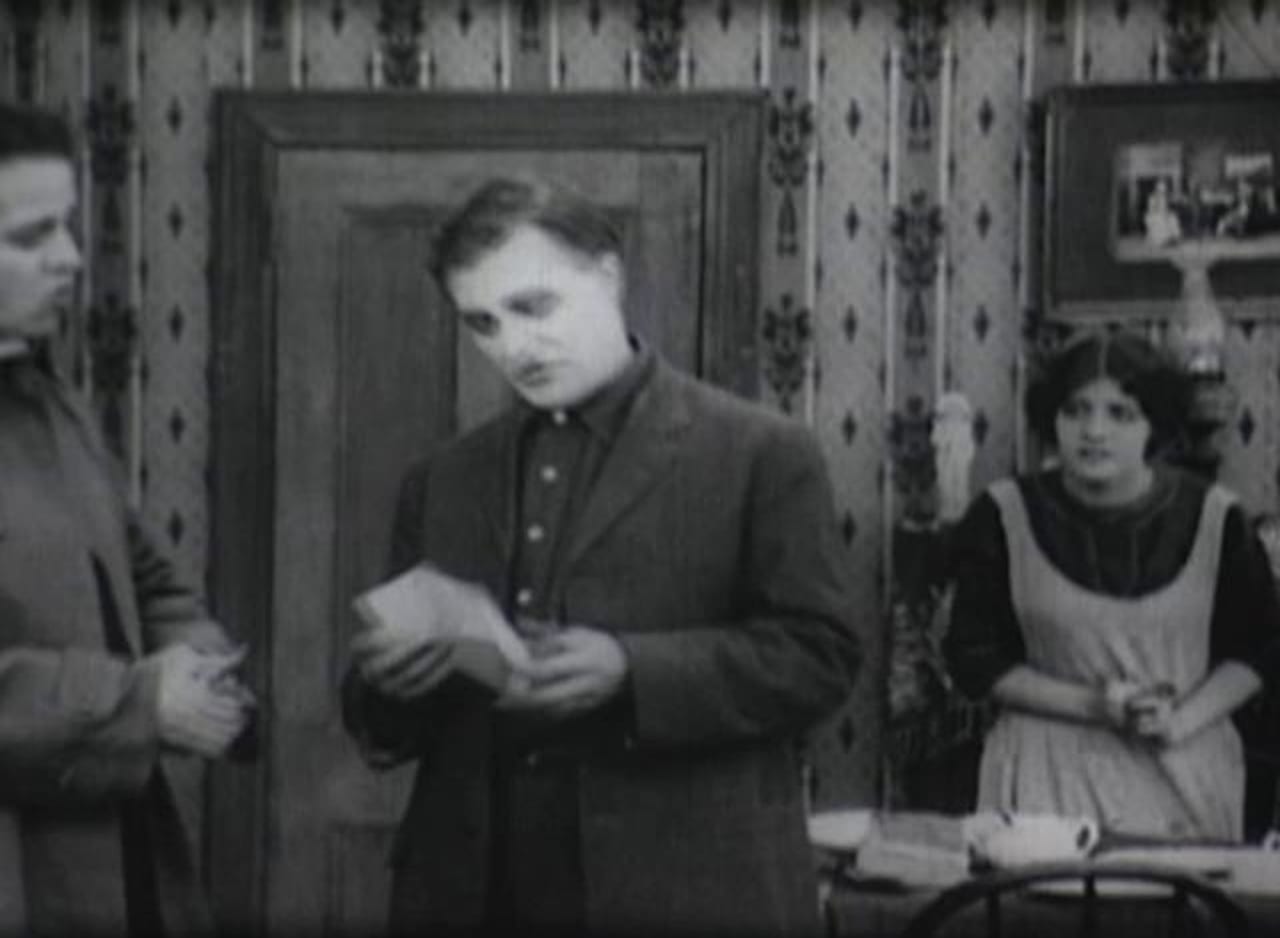
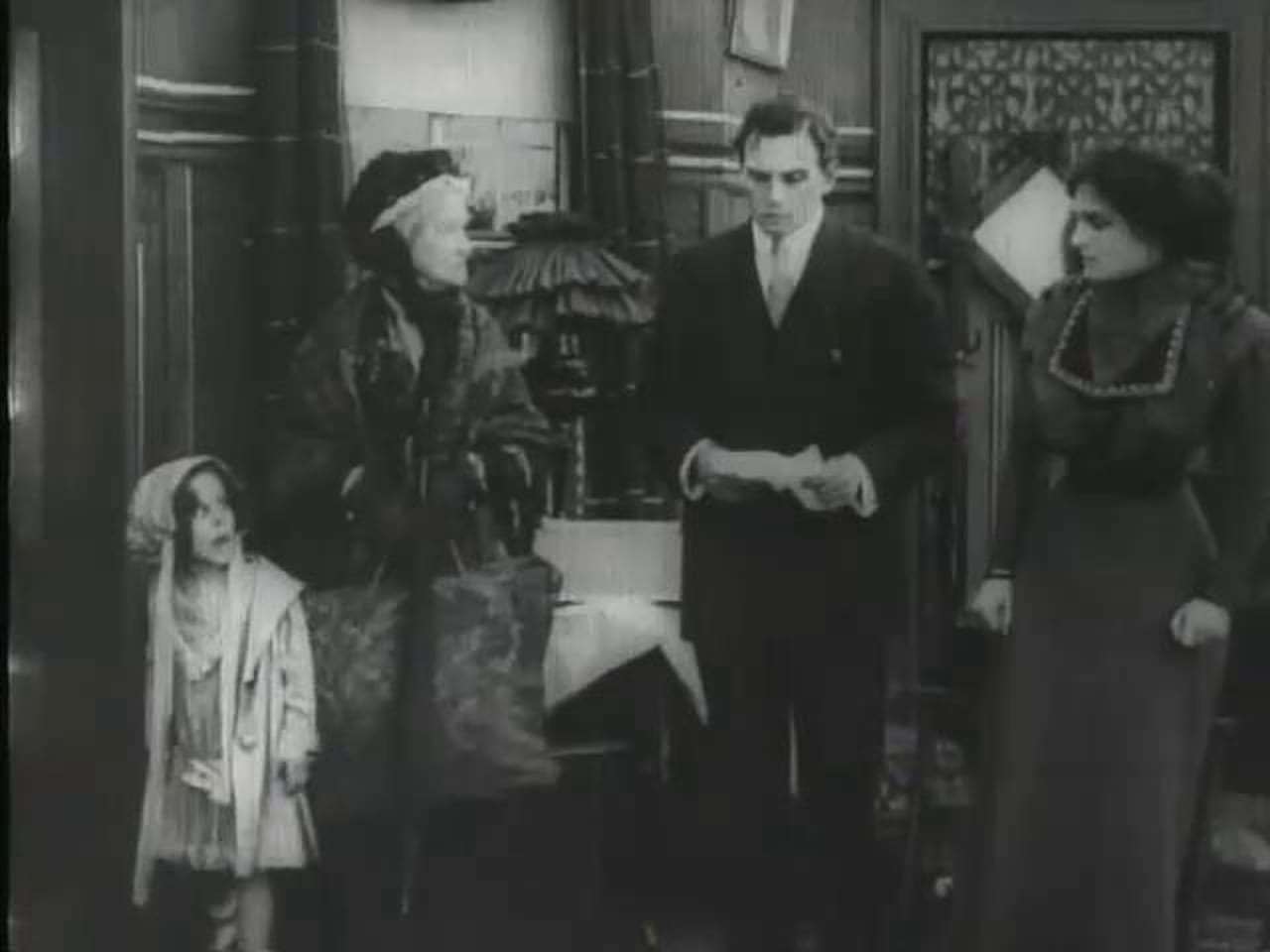
“The hobo did not care for money. All he wanted was a chance to live happily, easily and without work. That was why, when he met a runaway convict, he did not surrender him to the authorities. Some years later the hobo again met the convict, seemingly prosperous. Not recognizing his former benefactor, he gruffly refused him alms, but the hobo did not bear him a grudge in that account. In the course of his journey, the hobo met a little girl who gave him food. Then he repaid the favor by saving her from death under the wheels of an auto. He was injured himself, and it was natural that the farmer and the child should take him in, and nurse him back to health.

“The former convict was selling wildcat mining stock, and it was unfortunate for him that he sold some of it to this particular farmer. He was also unlucky because the swindle was exposed before the hobo left town. For the hobo knew him, and while the hobo was willing to aid a convict to escape from prison, he objected to allowing him to rob persons who had done him (the hobo) favors. The swindler got the farmer’s money, but the hobo made him put it back. And to be sure it got back, the hobo acted as a messenger boy. He didn’t give the farmer a chance to offer a reward, but departed in secret to avoid being thanked. Perhaps he should have stayed and tried to make a new man of himself, and the chance was there waiting for him. But he heard the ‘call of the road’ and he preferred that to being a ‘respected citizen’ or a ‘rising man.’”

Summary from The Moving Picture World · 25 March 1911
What the papers said

4 reviews

“This picture shows us something new in the ‘hobo’ series, one that throws aside the story stamping him an out-and-out marauder, and shows him a man of honor, who likes to rove about the country but has not the money necessary to do it in Pullmans. This hobo did not care for money. All he wanted was a chance to …

Read in full · 1 min

“This picture shows us something new in the ‘hobo’ series, one that throws aside the story stamping him an out-and-out marauder, and shows him a man of honor, who likes to rove about the country but has not the money necessary to do it in Pullmans. This hobo did not care for money. All he wanted was a chance to live happily, easily and without work. He really hated to see anyone suffer and that is why, when he meets a convict escaping from prison, he takes off his coat and gives it to him, that he may in his humble way do what he can to aid him. He later saves the little girl from being killed by an automobile but has his own leg badly hurt. And it is while he is resting for a few days the former convict appears and tries to sell the poor old man some bogus mining stock in the Utopia Mining Company. Here again our hobo friend proves his dislike for money, for he takes the money away from the crook and returns it to the old man, and will not accept a cent as a reward. A noble heart beat under his ragged shirt, as is probably the case with a great many others.”

The Billboard · 1 April 1911

“Once again we congratulate the Thanhouser Company for producing a film that is deserving of praise from almost every point of view. The opening scene showing the convict sliding down the outside of the prison wall on a rope is sufficiently dramatic to grip one’s attention immediately. Later, when the tramp meets this convict for the second time, the action …

Read in full · 1 min

“Once again we congratulate the Thanhouser Company for producing a film that is deserving of praise from almost every point of view. The opening scene showing the convict sliding down the outside of the prison wall on a rope is sufficiently dramatic to grip one’s attention immediately. Later, when the tramp meets this convict for the second time, the action could have been made clearer. In street suit, standing on a corner conversing with another man who has little or nothing to do with the tale, the scene passed so rapidly that one did not grasps the ex-convict’s identity until later, and all this in spite of a catch line just prior thereto. All of which goes to prove how careful a director has to be in telling the vital points of his play. It would have been vastly better to have eliminated the second man and all the business with the papers. Time enough to show them later on. This action was cleared up later though, as it may not have confused all of the viewers, and the film assuredly scored a hit.”

The Morning Telegraph · 24 March 1911

More reviews2 · 8 April 1911 – 29 March 1911

8 April 1911The Moving Picture World1 min

“One feature in this picture will interest as a novelty. Instead of causing the tramp to reform and become a leading village light, they show him listening to the call of the road and send him again upon his way. This makes the picture notable. It changes the conventional ending for such pictures and creates a new impression as the tramp steals away to escape being rewarded for his excellence of conduct. Otherwise the film tells a good story and represents an ordinary tramp doing what many ordinary tramps have done heretofore. The finale is the best part of the story and causes the one who sees it to want to see more.”

29 March 1911The New York Dramatic Mirror1 min

“There is a pretty sentiment connected with this story that is generally well produced and shows by contrast that kind deeds only benefit when done for people of noble hearts. The tramp aids an escaping convict and later when asking alms is refused by this same individual. He goes on his way, however, and rescues a little girl from being run over by an automobile, in none too convincing a manner, and is injured himself. He is cared for by her father. The escaped criminal appears upon the scene and inveigles the father into buying worthless stock. When the tramp learns of this he goes to the convent and compels him to restore the money on threat of prison. It is thought perhaps the story would have been stronger and proved its inference had the tramp really brought about the return to prison.”

Have you seen this film, or a print of it?

Prints of films thought lost still turn up in attics, private collections and archives. A record like this one is how the next one gets found.

Tell us about a print

Cast and crew

No cast or crew is credited in the surviving sources for this film. Bowers records the title and the release; the names did not come with them.

Watch instead

Films you can watch from the same company

Matched by cast, director and kind

More about this film

Bowers’ notes

The Utopia Mining Company, which figured in the scenario in this film, was also the name of a company in Get Rich Quick, a Thanhouser film released on May 26, 1911.

From Volume II: Filmography of Q. David Bowers’ Thanhouser Films: An Encyclopedia and History, reproduced with permission and unchanged. Read the history of 1911 →

Cite as: Bowers, Q. David. Thanhouser Films: An Encyclopedia and History, “The Tramp”. thanhouser.org/films/the-tramp/

Where a print is held

Held by
No print known