1910Thanhouser Company1,000 feetDrama

The Wild Flower and the Rose

No copy you can watch online. No print is known to survive. What follows is what does: the release, the cast, the story, and what the trade press said at the time.

The story

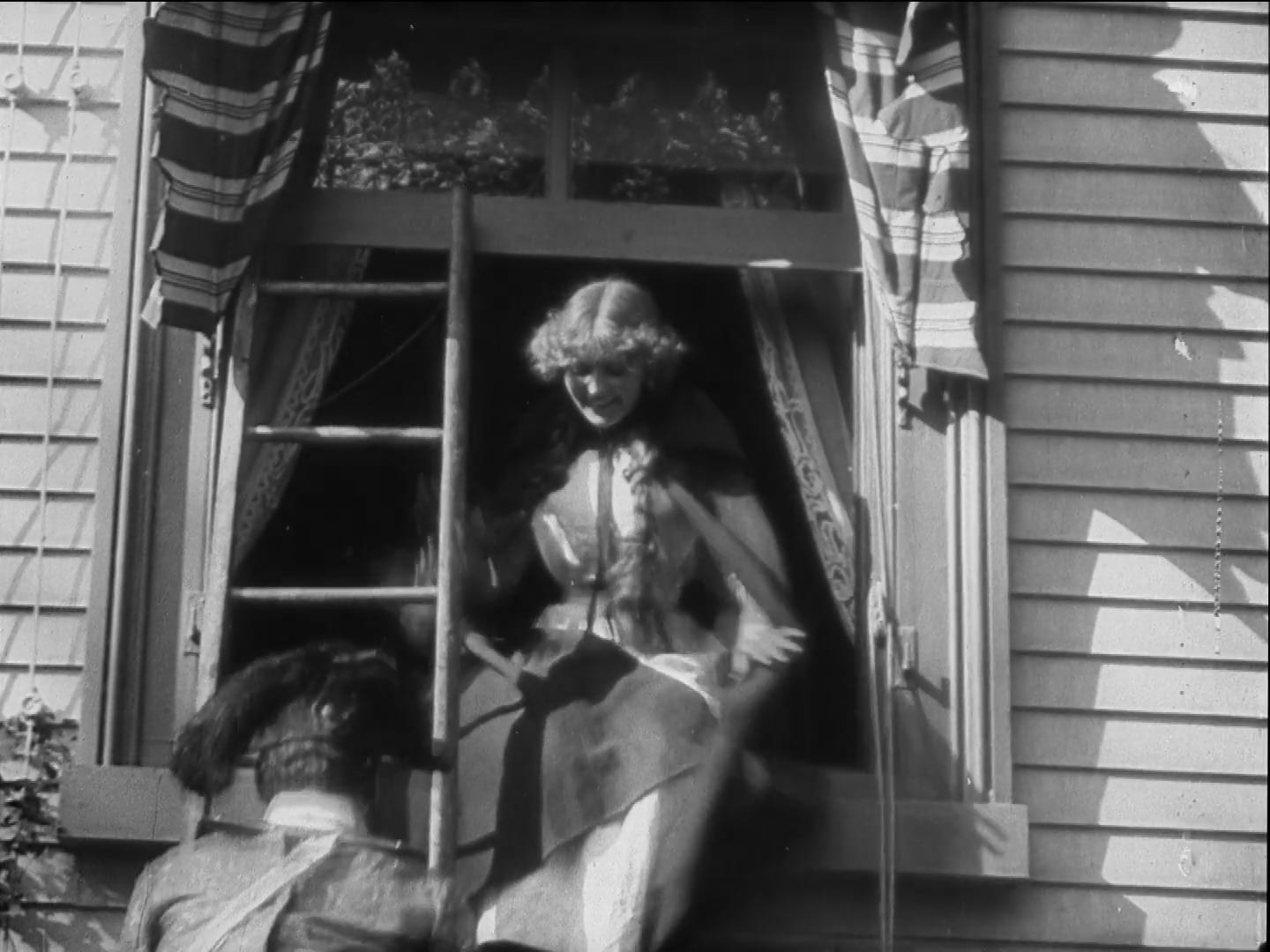
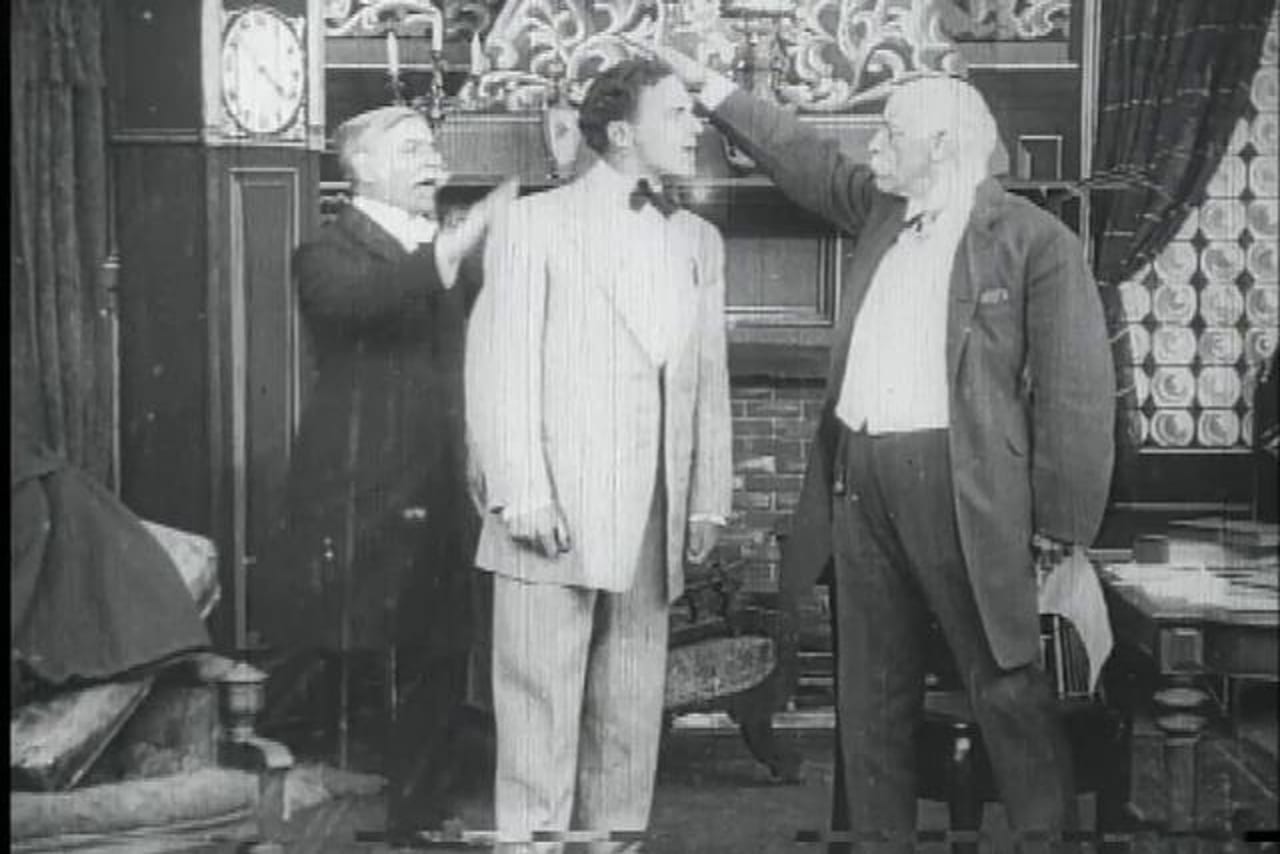
“Frank Wilson is the son of an inventor who has perfected an airship model in which Jack is greatly interested, but which neither of them have the money to finance. Wilson tries to interest his wealthy employer, Fisher, but is unsuccessful in the attempt. However he gains the support of his employer’s beautiful daughter, Rose. The old inventor suggests to his son that if he marries Rose they could secure the money to perfect the invention. But Jack spurns the idea, as he is already engaged to marry a country girl, Daisy Lane, who, he believes, loves him devotedly.

“Upon learning that Daisy is a heartless coquette, Jack is heartbroken, and goes west to seek a fortune and forget her conduct. Success comes to him quickly, and he returns to tell his father that now, unaided, they can finance the invention. On the aviation field, Jack once more meets Rose, and confesses to her that it was the memory of her kindness that helped him achieve success. Jack makes a successful flight in the invention—a new style of aeroplane—and in offering her congratulations Rose confesses that she has loved him from the first.”

Summary from The Moving Picture World · 26 November 1910
What the papers said

2 reviews · 1 advertisement

“A love story built up around the invention of a new type of aeroplane. The machine flies and the inventor gets the girl of his choice. The picture has, therefore, a pleasant ending.”

The Moving Picture World · 10 December 1910

“The inventor’s son loved the country girl. She deceived him. He went West and made a fortune. Returning, he flew in his father’s biplane, and married the city girl. It is a discursive narrative, not bound by laws of cause and effect, although it does not contradict them. It is amusing to see the rapidity with which a motion picture …

Read in full · 1 min

“The inventor’s son loved the country girl. She deceived him. He went West and made a fortune. Returning, he flew in his father’s biplane, and married the city girl. It is a discursive narrative, not bound by laws of cause and effect, although it does not contradict them. It is amusing to see the rapidity with which a motion picture hero goes West. He throws a toothbrush and his pajamas into a suitcase, takes his hat over his arm, and breaks the news to his father before stepping from the living room out into the street. The special point of this film is the aviation exhibition, which is well handled. The hero is a very jocose gentleman, who smiles broadly with and without provocation. Other parts are adequately filled.”

The New York Dramatic Mirror · 30 November 1910

Advertisement

19 November 1910The Moving Picture World1 min

“This really truly novelty film concerning itself with airships and airship flying just fits in with the aviation craze. Everyone is reading and talking about airships. That controversy between the English birdman and the American is a great topic of discussion everywhere....”

Have you seen this film, or a print of it?

Prints of films thought lost still turn up in attics, private collections and archives. A record like this one is how the next one gets found.

Tell us about a print

Cast and crew

No cast or crew is credited in the surviving sources for this film. Bowers records the title and the release; the names did not come with them.

Watch instead

Films you can watch from the same company

Matched by cast, director and kind

More about this film

From Volume II: Filmography of Q. David Bowers’ Thanhouser Films: An Encyclopedia and History, reproduced with permission and unchanged. Read the history of 1910 →

Cite as: Bowers, Q. David. Thanhouser Films: An Encyclopedia and History, “The Wild Flower and the Rose”. thanhouser.org/films/the-wild-flower-and-the-rose/

Where a print is held

Held by
No print known