A story from the archive · New Rochelle
13 January 1913
On a Monday afternoon the Thanhouser studio on Grove Avenue burned to the ground in under an hour. This is what happened, in the words of the town paper that covered it.
A spark in the darkroom
It is believed that a spark, perhaps from an electric coil or from friction in one of the perforating machines, set fire to a reel of film. The film, which is on a celluloid base, burned so quickly that it was practically an explosion.1
Out in perfect order
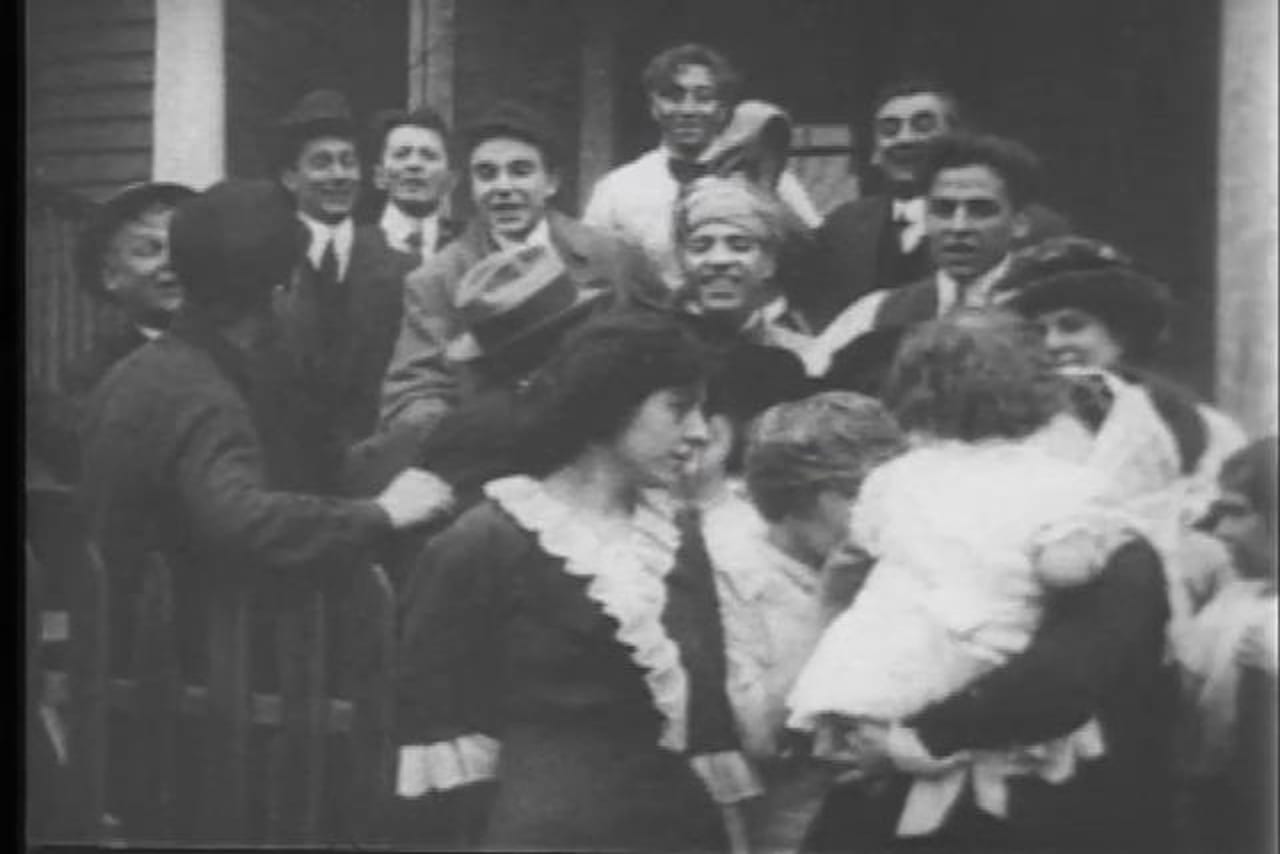
More than 50 people including photoplayers and employees marched silently and in perfect order down the stairs bareheaded and coatless. As they left the main floor, a tongue of flame shot up from the rear and the scenery crumpled up like paper.1
The woman who saved the negatives
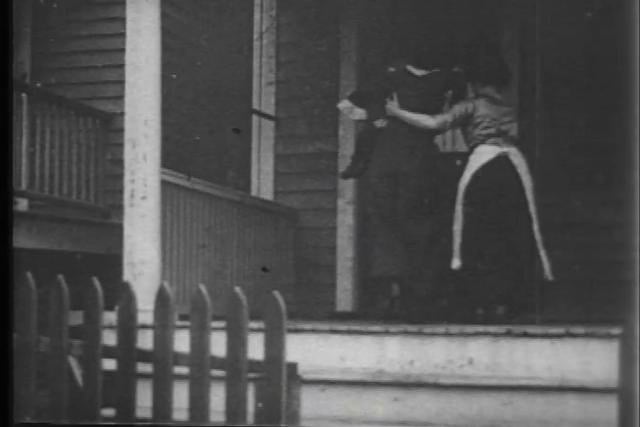
One of the bravest actions ever witnessed was that of Mrs. Hattie McCroskery, employed in the journey room. When the shout of “Fire” rang through the building, she dashed to the stockroom and began handing out the tin boxes containing the negative reels to men who passed them through a window. She worked until the men called to her to run and save herself. “I will when I have to. You keep on the job and take these films,” she called back.1
Under an hour
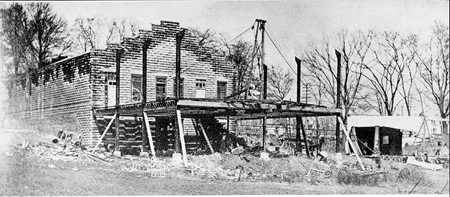
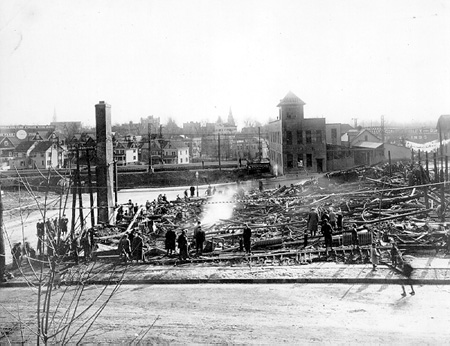
In less than an hour after the fire started, the Thanhouser was a level mass of flaming ashes and the Bolnik and Graham houses were a few glowing sticks with part of the walls standing.1
No camera to film it
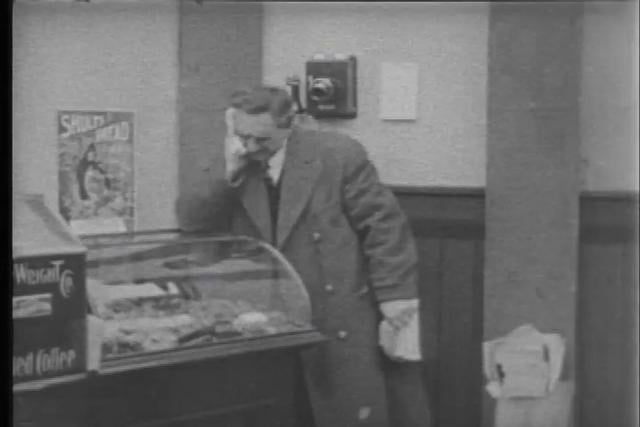
The Thanhouser Company, which has always been among the first at a local fire to make motion pictures, did not make a picture of its own fire. The three cameras were in the building and could not be saved.1
Half a day lost
All the releases for six weeks to come had been placed in the vaults of the National City Bank as they were finished and were safe from the fire. … It is probably the only case on record where a large concern lost only half a day after being burned out.1