1911Thanhouser Company1,000 feetDrama

Checkmate

No copy you can watch online. No print is known to survive. What follows is what does: the release, the cast, the story, and what the trade press said at the time.

The story

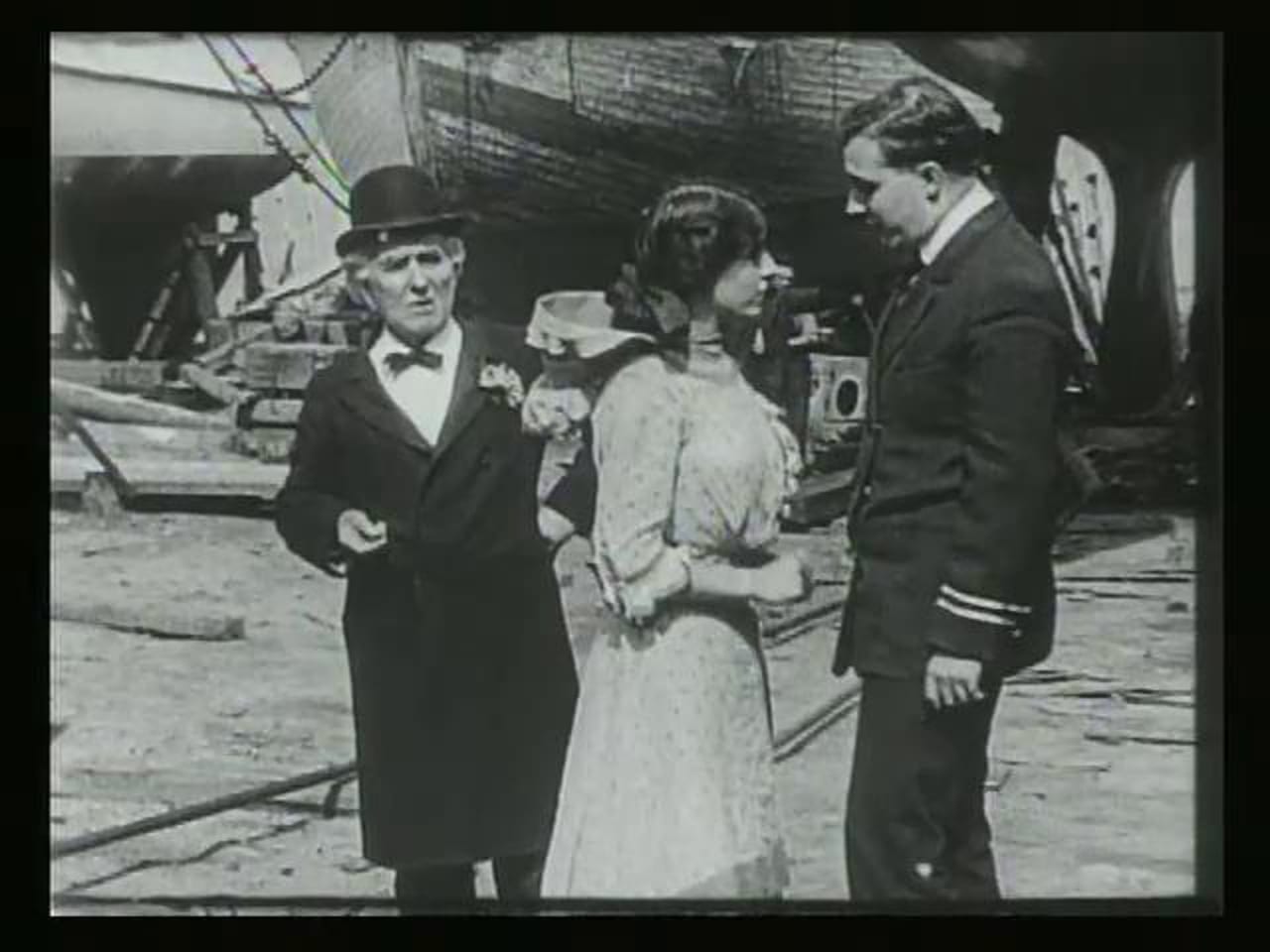
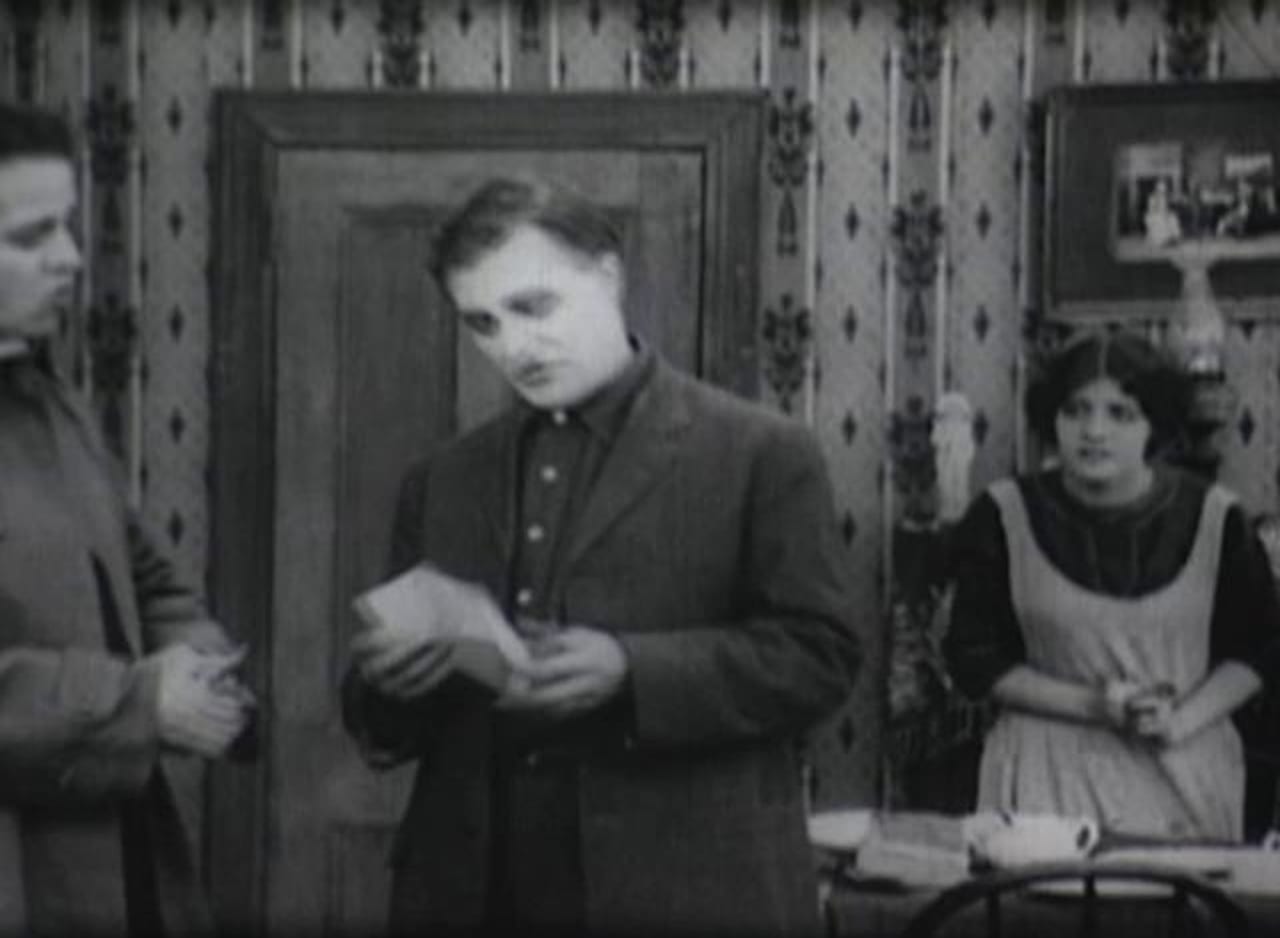
“A young heiress had two suitors, one a French nobleman with a long line of ancestors and wealth, and the other a bright young American businessman. The girl’s aunt, with visions of society in her mind’s eye, favors the nobleman and is hurt and grieving when the girl selects the American. The baron, who never thought for a moment that his suit would be rejected, vows vengeance on his successful rival, and induces the aunt to aid him in his plot. When the young man calls to see his fiancée, he finds she is out, and waits for her in the room where the baron and the aunt sit. A few moments later, the servant, attracted by cries, rushes in to find the baron lying wounded on the floor with his rival bending over him, knife in his hand. The baron and the aunt both swear that Jack did the stabbing. The servant and the policeman see him with a knife. It is a clear case, according to the jury. Jack is sent to prison for 10 years.

“But his sweetheart is faithful to him and determines to prove his innocence. Fortune favors her. She meets on the street a man much resembling Jack, a homeless outcast, who is about to smash a plate window so that the law will give him the food and shelter that he cannot find himself. The girl makes a bargain with him. He is to take the convict’s place in prison and to be paid liberally regardless of the length of time he serves. And the man gladly consents. The heiress plans a substitution in such a clever way that the suspicions of the authority are not aroused. The aunt, confronted with the man she has wronged, believes he is a ghost and admits that she and the baron plotted to put an innocent man in prison. She confesses that the baron’s wounds were self-inflicted. The servant and the policeman, though they swore to the truth, placed a wrong construction on what they saw, and a man was punished for a crime he never committed. The convict was promptly pardoned, without the substitution being known, and after the necessary legal formality, the state’s prison receives a French baron of distinguish lineage, sentenced for perjury and now known only by a number.”

Summary from The Moving Picture World · 18 February 1911
What the papers said

4 reviews

This review is reprinted in the narrative section of the present work.

The Billboard · 18 February 1911

“This picture might have proved interesting if they hadn’t gone to such foolish extremes. How they managed to make a convict out of a man barely accused of an assault, is hard to determine. The blunt knife and the absence of hurt could never convince any magistrate that a crime warranting a convict’s garb had been committed. Had the man …

Read in full · 1 min

“This picture might have proved interesting if they hadn’t gone to such foolish extremes. How they managed to make a convict out of a man barely accused of an assault, is hard to determine. The blunt knife and the absence of hurt could never convince any magistrate that a crime warranting a convict’s garb had been committed. Had the man been placed in jail his escape could never have been so childishly effected. The theme has to do with the love, simulated suicide, the arrest of the wrong man, the rescue of the prisoner by the expedient of changing clothes and the final confession of the criminal.”

REVIEW by H. Jeanval, The Moving Picture News, February 25, 1911. The following item is from the “Watching the Pictures” column:

“I would like to know how a baron could do what no ordinary commoner would be such a boor as to do: shake hands with a lady in her home with a glove on; further, how could a man servant be permitted to remain in a room and so become cognizant of la vie in time. As to how the cell scenes were managed, I know not!”

REVIEW by Walton, The Moving Picture News, March 11, 1911:

“Two men love a girl, one a baron the aunt favors. The baron with the aunt’s connivance arranges an assault, so the other man is convicted. Girl picks up a man off the street and secures lover’s release and baron’s conviction. Good teaching as to woman’s ‘class,’ but as to details sadly lax.”

The Morning Telegraph · 19 February 1911

More reviews2 · 4 March 1911 – 22 February 1911

4 March 1911The Moving Picture World1 min

“A somewhat complicated love story, filled with exciting instances. Self-inflicted wounds send a rival to prison for a long term, but the girl works out two clever ruses and succeeds in convincing the baron, and also in securing the release of the imprisoned man.”

22 February 1911The New York Dramatic Mirror1 min

This review is reprinted in the narrative section of the present work.

Have you seen this film, or a print of it?

Prints of films thought lost still turn up in attics, private collections and archives. A record like this one is how the next one gets found.

Tell us about a print

Cast and crew

Every name opens that person's page, with each film they appear in and which of them you can watch.

Watch instead

Films you can watch from the same company

Matched by cast, director and kind

More about this film

Bowers’ notes

Love and Law, released December 19, 1910, and The Sinner, released May 5, 1911, also treat the shortcomings of circumstantial evidence.

From Volume II: Filmography of Q. David Bowers’ Thanhouser Films: An Encyclopedia and History, reproduced with permission and unchanged. Read the history of 1911 →

Cite as: Bowers, Q. David. Thanhouser Films: An Encyclopedia and History, “Checkmate”. thanhouser.org/films/checkmate/

Where a print is held

Held by
No print known