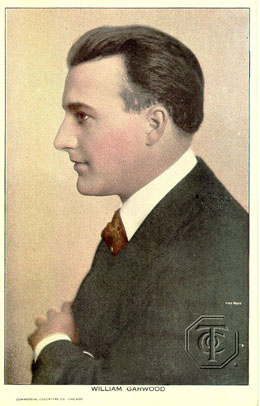
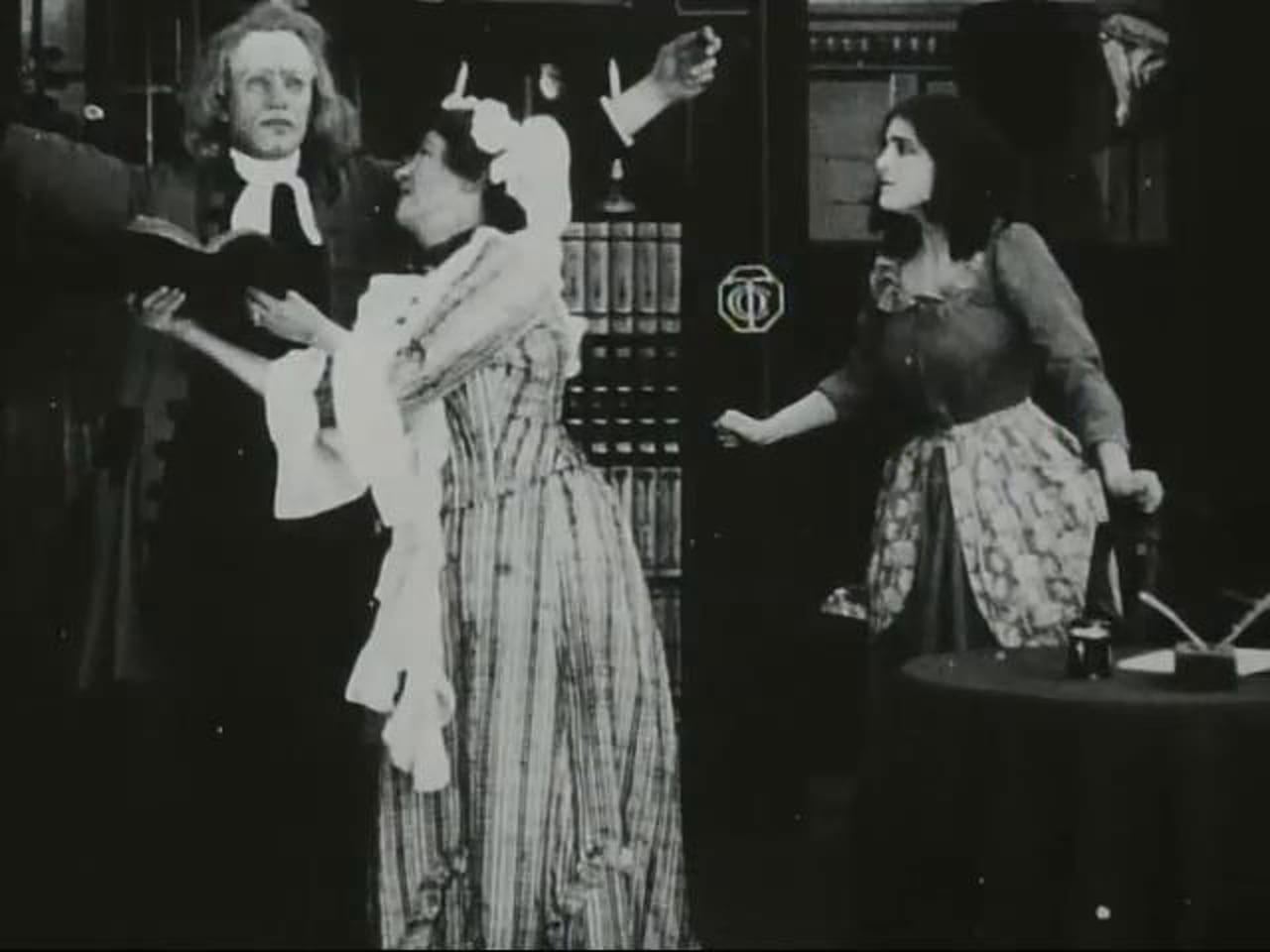
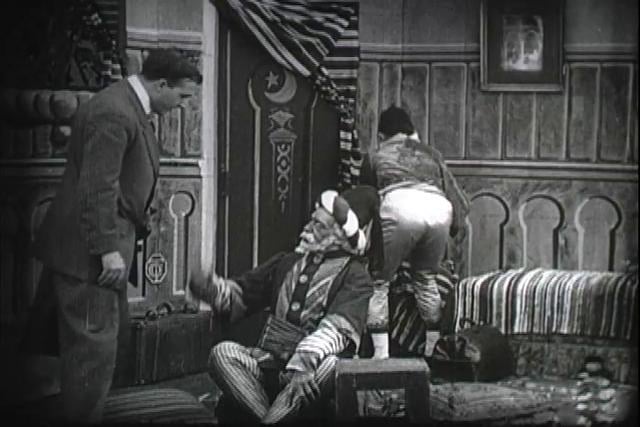
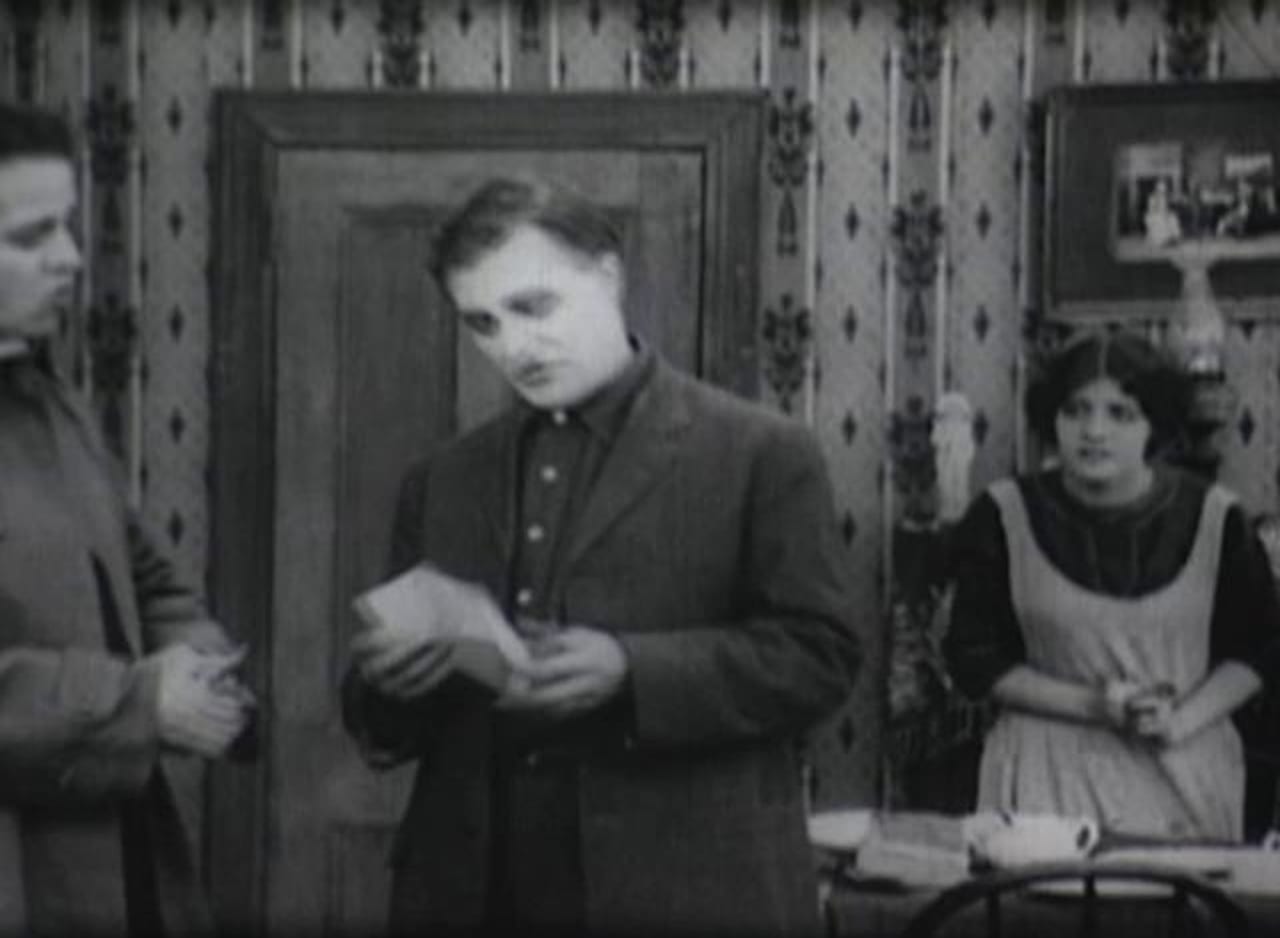
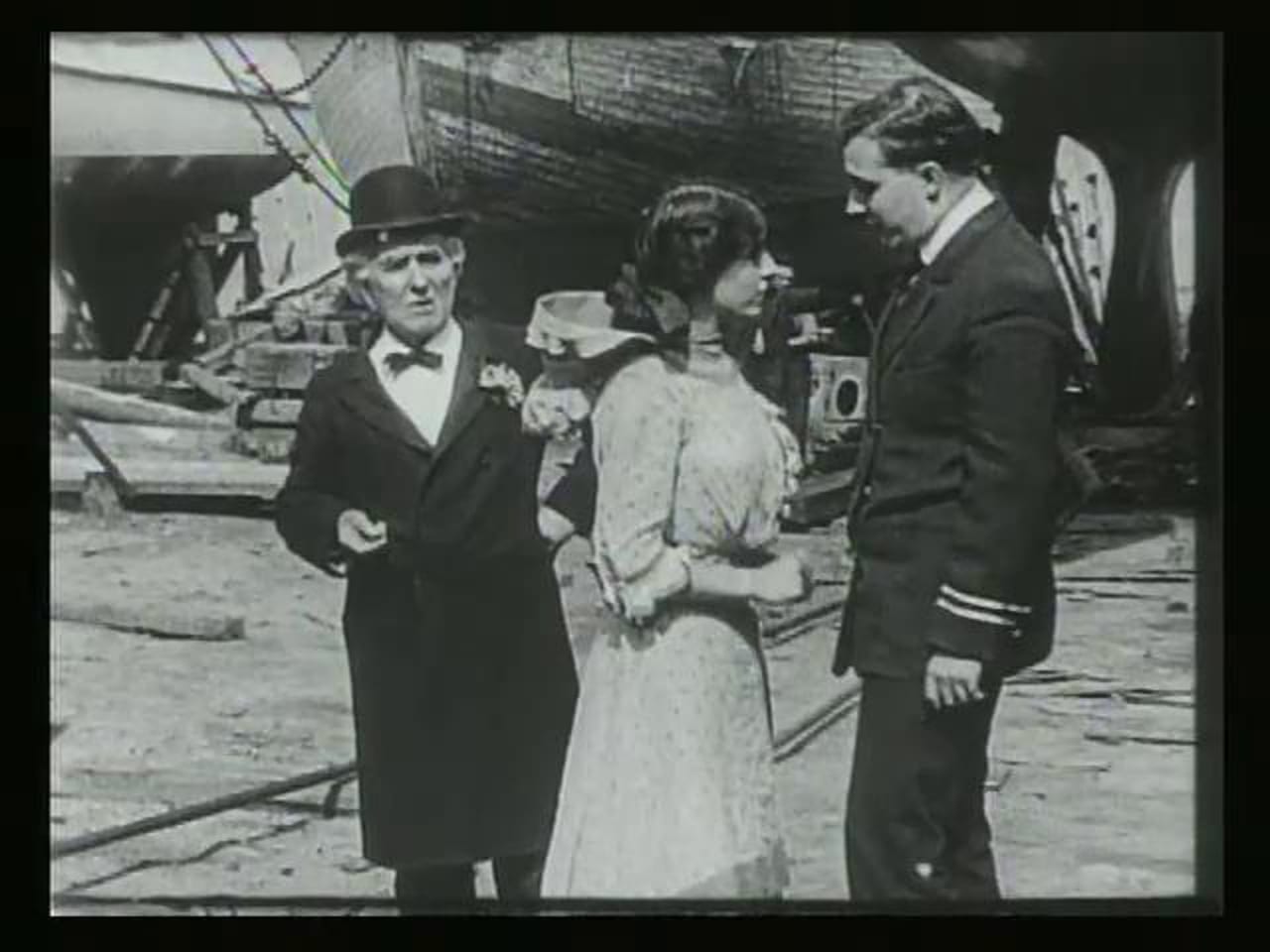
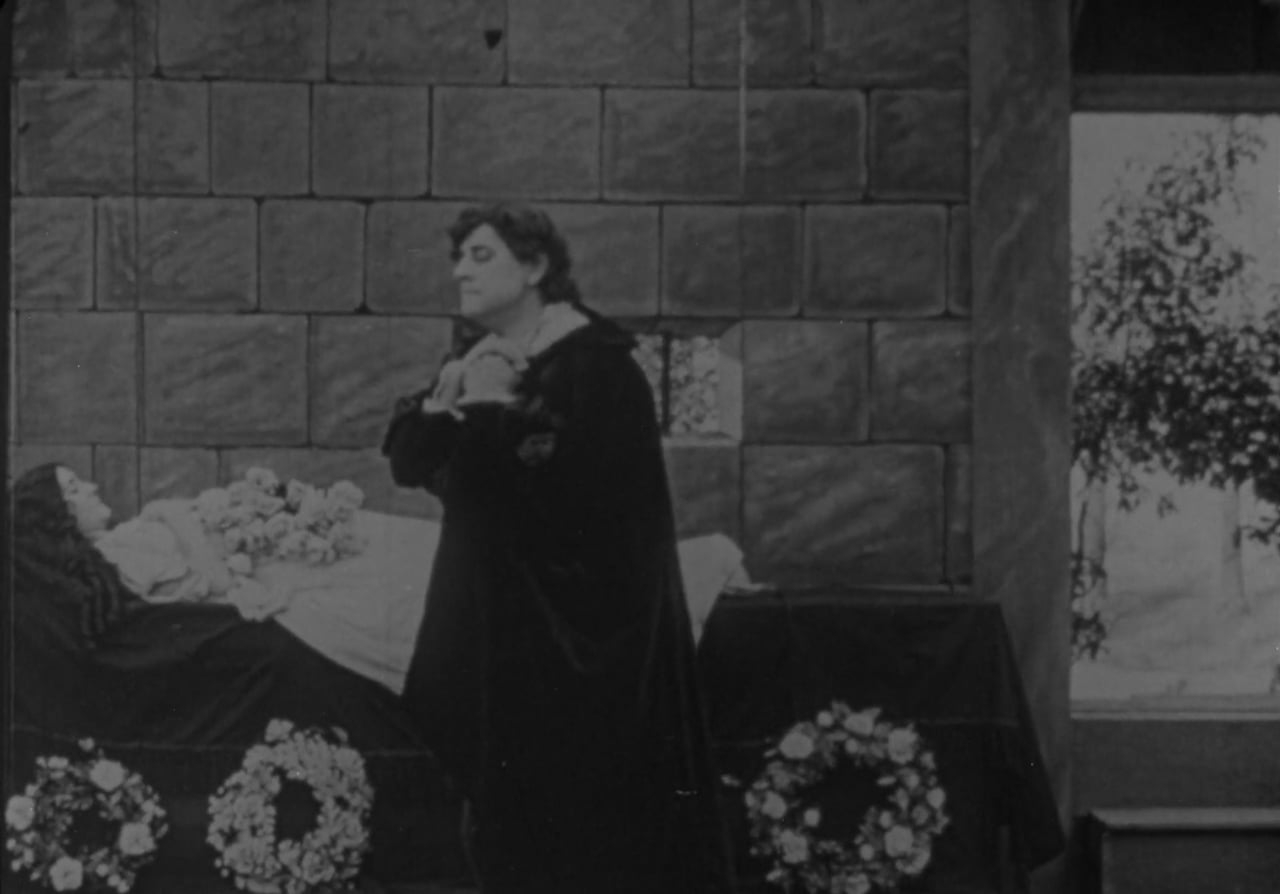
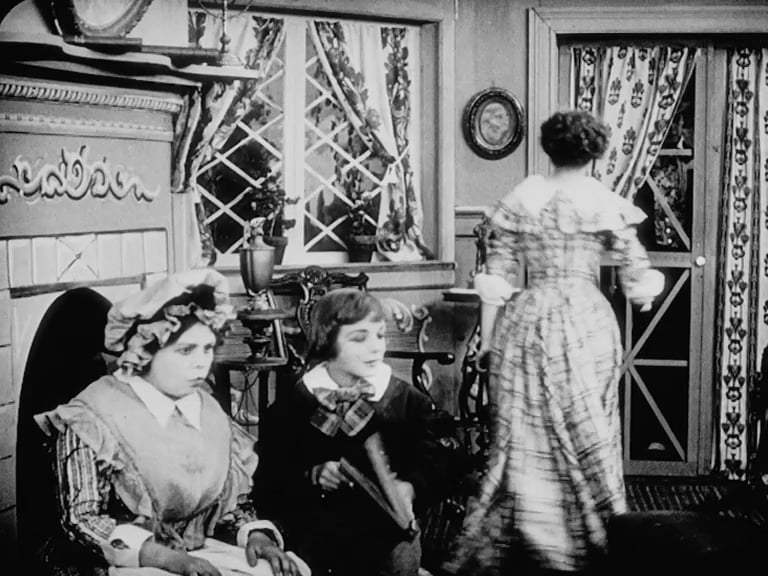
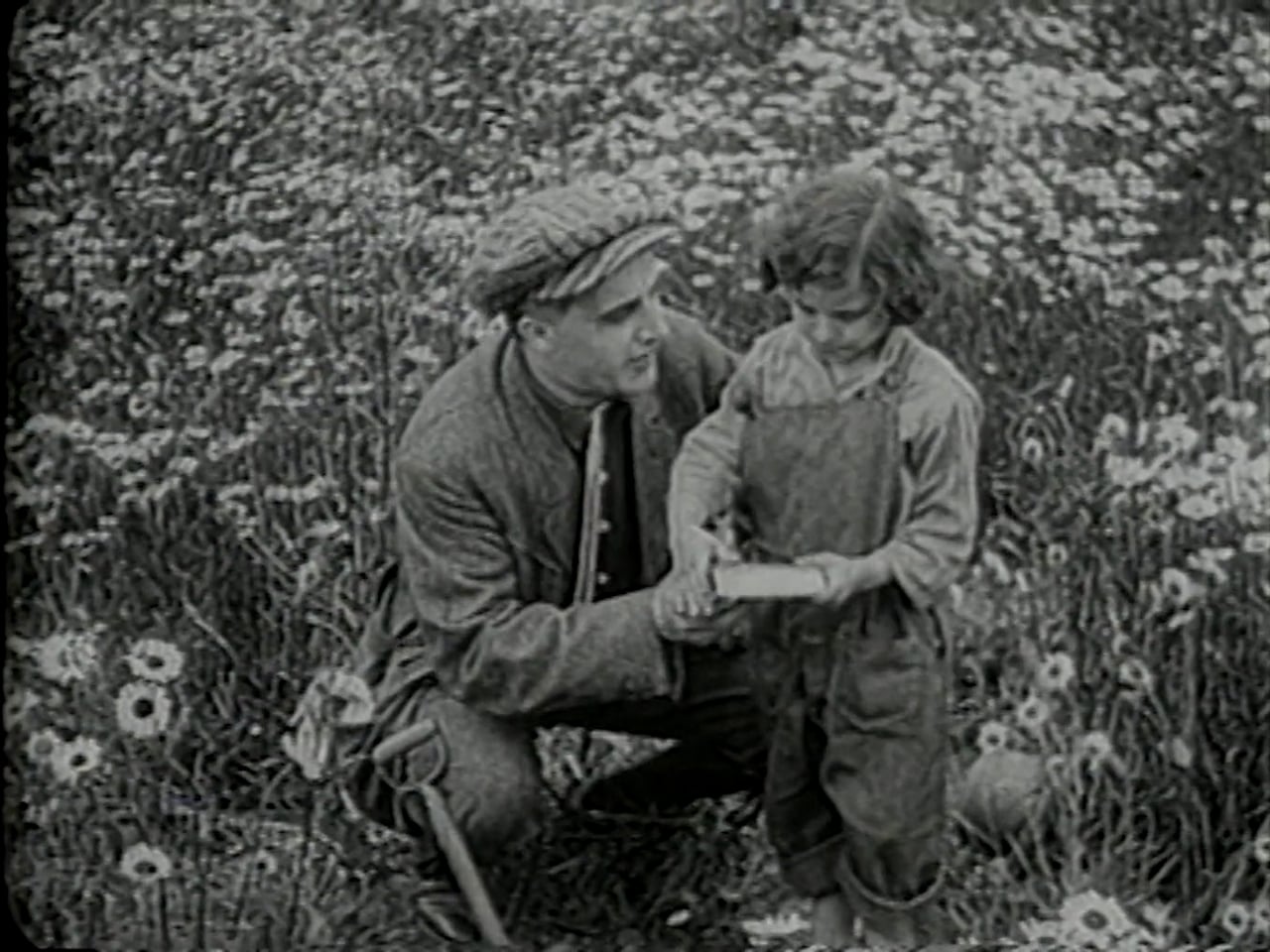
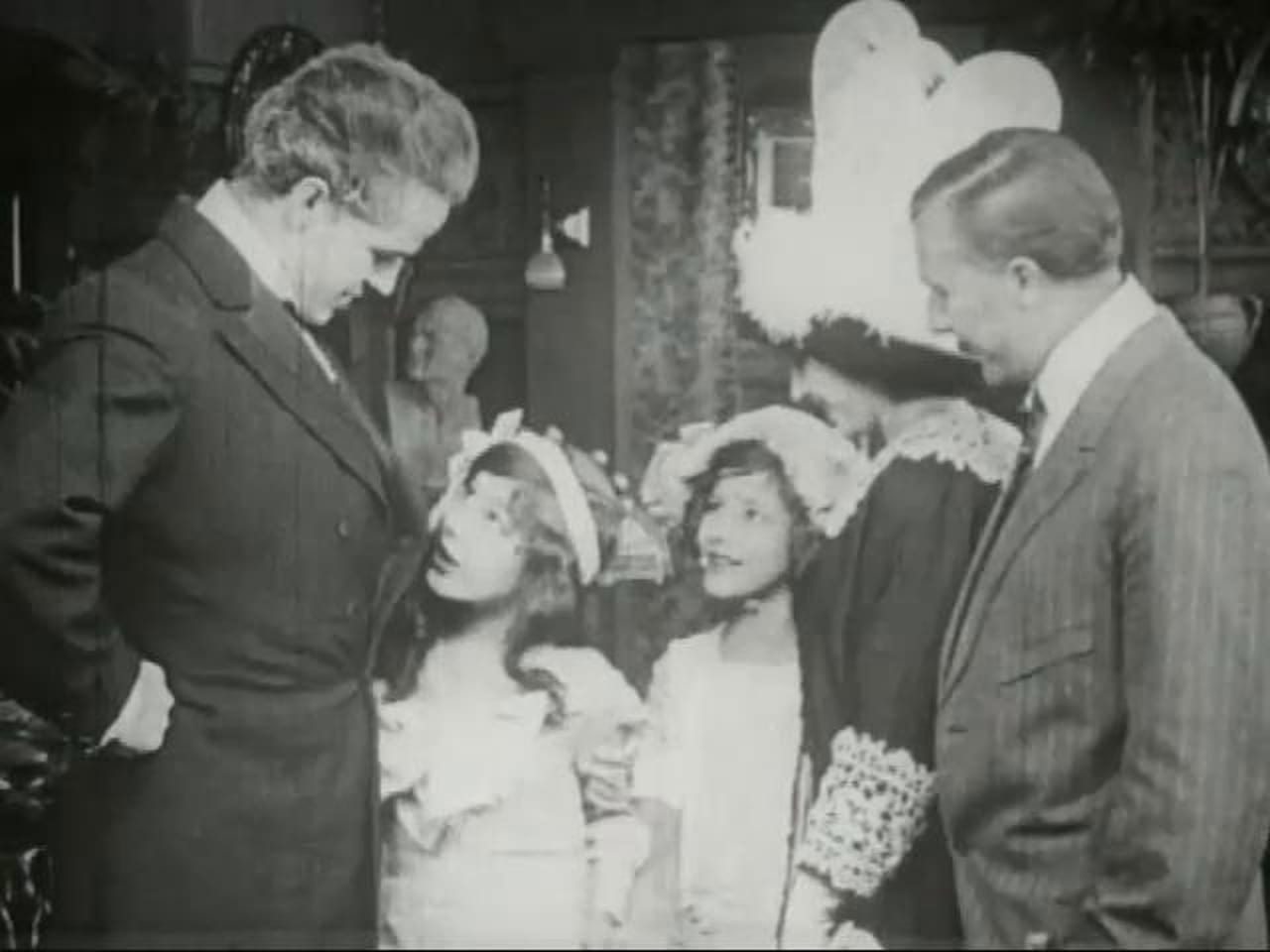
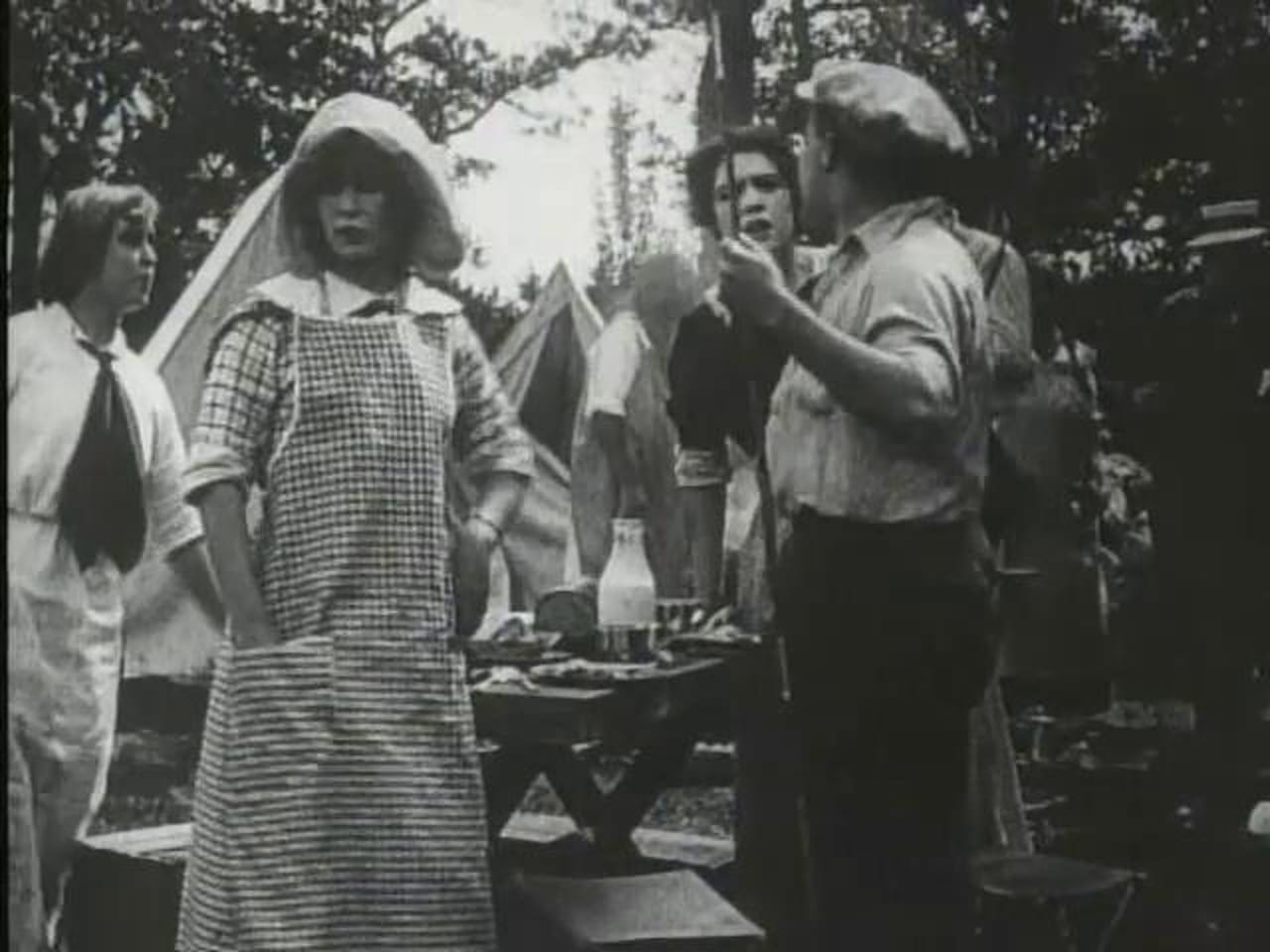
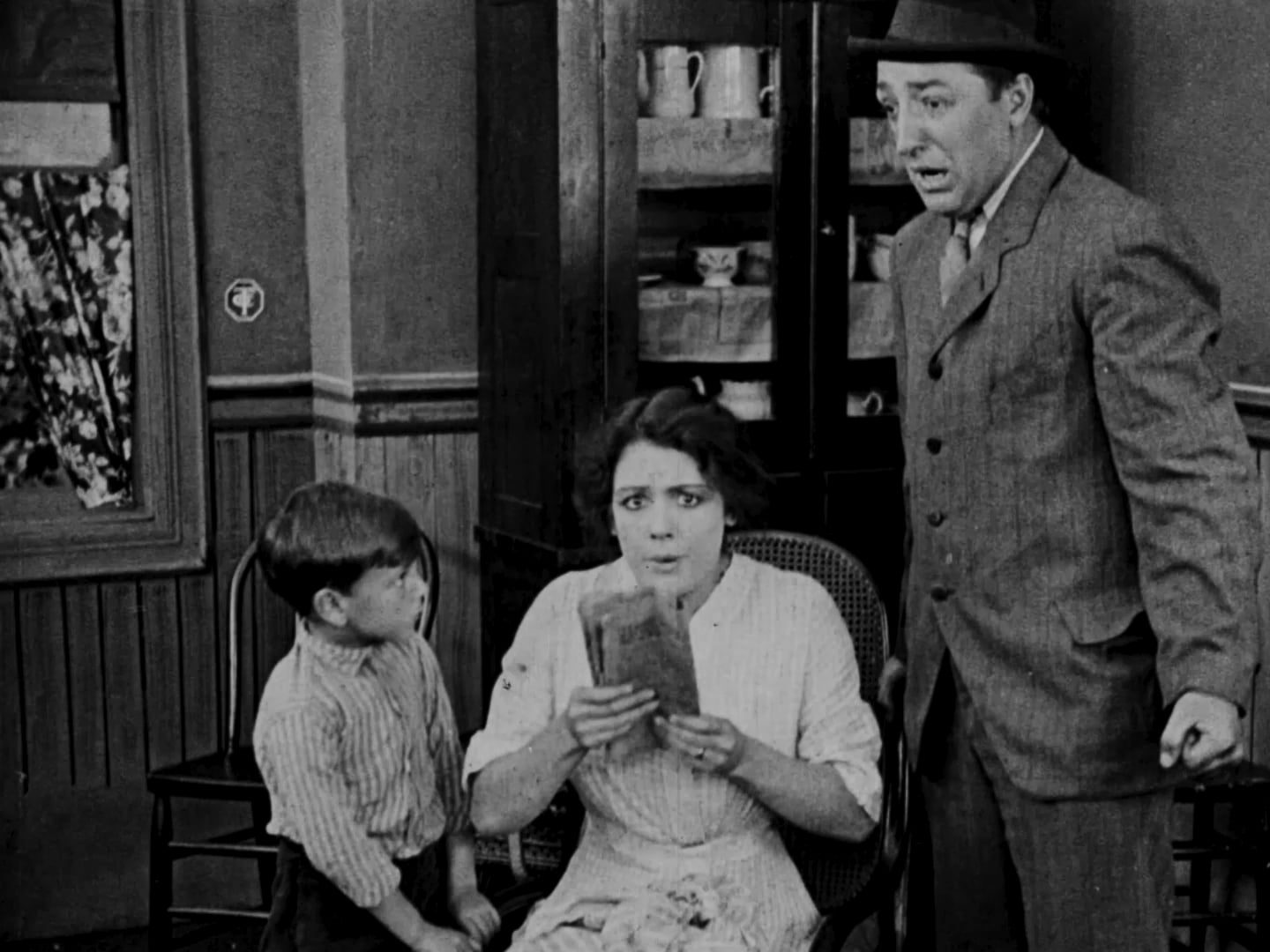
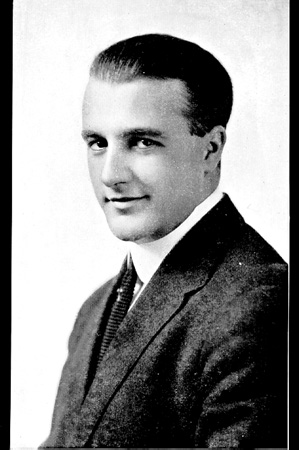
When the Thanhouser players left Los Angeles for New Rochelle on April 30, 1913, William Garwood did not make the return trip. He remained behind in the same studio, which was acquired by Majestic, and became, with Francelia Billington and Fred Mace, one of three featured stars in the “New Majestic” films. In an interview in The Photoplay Magazine, February 1913, he said that he liked love, life, and laughter, was fond of automobiles, and preferred blonde girls. His involvement with fast cars was particularly well known, and he often drove the streets of New Rochelle at high speeds.
William Garwood was mentioned in the “From the Inside” column by Jean Darnell (a Thanhouser actress who also wrote a gossip column), in the August 1913 issue of The Photoplay Magazine: “Anyone visiting Majestic Company and seeing handsome Billie Garwood ‘made up’ for the Millionaire Clubman could never fancy that he reads books entitled How to Raise Onions and Best Kinds of Soil Suitable for Growing Alfalfa. But he does. Really, Billie is very much the farmer, and is going to improve the ranch he has just bought near Long Beach, by planting alfalfa and onions and installing a big irrigating plant in connection with an artesian well on his place.” For Majestic he appeared in many films, including The Oath of O’Tsuru San, Legally Right, The Shoemaker and the Doll, Hearts and Hoofs, Told in the Future, Rick’s Redemption, Dora, The Van Warden Rubies, The Ten of Spades, The Body in the Trunk, Ruy Blas, The Green-Eyed Devil, Fate’s Decree, Imar the Servitor, A Turn of the Cards, and A Ticket to Red Horse Gulch.
In 1914, he lived in a six-room bungalow in Whittier, California and supervised three acres of irrigated crops, with his favorite being onions, a food staple which he had cultivated on a commercial basis beginning the year before, when he had an onion patch on the farm of actor Irving Cummings. His interest in onion culture began in the early summer of 1913, when he was acting in the Majestic film, The Toy, and in his role worked in the garden of a prison.
An article in Reel Life, July 11, 1914, told of the enlargement of his real estate holdings: “William Garwood, of the American, believes in expansion. He has a big ranch near Los Angeles and several seaside lots. Now he is purchasing farm lands in the vicinity of Santa Barbara. Mr. Garwood is no mere real estate barterer. He cultivates his property intensively and makes it pay. He says that he has no intention of buying an automobile out of his salary at the studios, but he plans to get one of the finest cars on the market from the income of his land investments.”
An determined bachelor, his answer to reporters’ inquiries about the possibility of his becoming married was “Never!” He lived with a Japanese servant, who attended to his personal needs and did most of the cooking. His parents lived in the Los Angeles area, and he often visited them on Sundays. Garwood was interested in geology, and many weekends were spent in the pursuit of mineral specimens.
His move from Majestic to American was made on March 21, 1914, after which he played opposite Vivian Rich, under the direction of Sidney Ayres, at the American studio. Among his pictures with American were Business vs. Love, Cameo of Yellowstone, The Aftermath, The Last Sermon, Nature’s Touch, Does It End Right?, The Taming of Sunnybrook Nell, The Painted Lady’s Child, Nature’s Touch, The Oath of Pierre, The Sower Reaps, The Unmasking, In the Candlelight, The Girl in Question, The Strength o’ Ten, Their Worldly Goods, and The Trap.
After being with American in Santa Barbara for eight months, he went to Universal under a two-year contract, where he was directed by Lucius J. Henderson. Garwood’s first Universal release was On Dangerous Ground. An article in the June 16, 1915 issue of The New York Dramatic Mirror stated that Garwood was putting on weight, and this might make him unattractive to film fans who admired him as a hero. An item in The New Rochelle Pioneer, July 31, 1915, noted that Garwood, a leading man for Universal, had returned to live in New Rochelle and had taken up residence with Mr. and Mrs. W. Ray Johnston, at 9 Rhodes Street. The New Rochelle Pioneer, September 4, 1915, told what happened next: “Billy Garwood, who lived with Ray Johnston on Rhodes Street for a brief spell, has gone back to the Longacre Hotel, New York City, as it took him too long to make the trip to the Universal at Coytesville. Billy wishes that the studio was located near enough so that he could live here always.”
Garwood remained with Universal, where by 1916 he was one of several dozen directors at Universal City, California. Apparently, his overweight physique was trimmed to good shape later, for an adulatory article by Nina Dorothy Gregory, in Motion Pictures, September 1917, noted: “He keeps his five feet, ten inches height and 165 pounds weight in perfect athletic condition by swimming, motoring, and football playing, when not engaged in the studio work or hoeing onions in his garden. His kindly brown eyes express not only sympathetic unselfishness, but also independent and dignified reserve. From each particularly well-groomed dark hair of his well-shaped head to the immaculate white canvas tip of his oxfords he always appears the gentleman. Genial, companionable, an excellent actor, and a good businessman, he is at once the student and the author, the artist and the critic, the idealist and the practical manager.”
In 1916 William Garwood also acted in many Universal films, including The Go-Between, His Picture, Two Seats at the Opera, He Wrote a Book (directed and acted), A Society Sherlock (directed and acted), A Soul at Stake (directed and acted), and The Gentle Art of Burglary. Other Universal films in which he was involved included The Unnecessary Sex, The Adventures of the Yellow Curl Papers, The Legend Beautiful, Arthur’s Desperate Resolve, Broken Fetters, Driven by Fate, Lord John’s Journal (serial), The Alibi, The Little Brother, Billy’s War Brides, Thou Shalt Not Lie, Getting His Goat, Her Moment, Larry O’Neill, The Wolf of Debt, Wild Blood, The Supreme Impulse, You Can’t Always Tell, and The Little Brother. While with Universal, he enjoyed driving to and from the studio in his Stutz Bearcat automobile. Around the same time, an article in The New York Star, September 13, 1916, noted that he had amassed considerable wealth through wise investments, liked the simple life and usually went to bed early, and for recreation often visited a local movie theatre.
In December 1916 he was engaged by Thomas H. Ince and went to Kay-Bee, which released through the Triangle program. In 1917 he was in A Magdalene of the Hills (Rolfe for Metro) and The Little Brother (Kay-Bee for Triangle). For the next several years he was involved in many films, including acting for Ince and the Authors’ Film Company. In 1918 his mailing address was care of the Screen Club in New York City. He appeared in the 1919 release of Wives and Other Wives (American for Pathé) and directed the 1919 Universal picture, A Proxy Husband. In his spare time he enjoyed athletic pursuits. His death was caused by a coronary occlusion and cirrhosis of the liver in Los Angeles on December 28, 1950.
Note: Some accounts erroneously give his birthplace as Mississippi, due to a mistake on his death certificate, on which Missouri was abbreviated to “Miss.”