The story
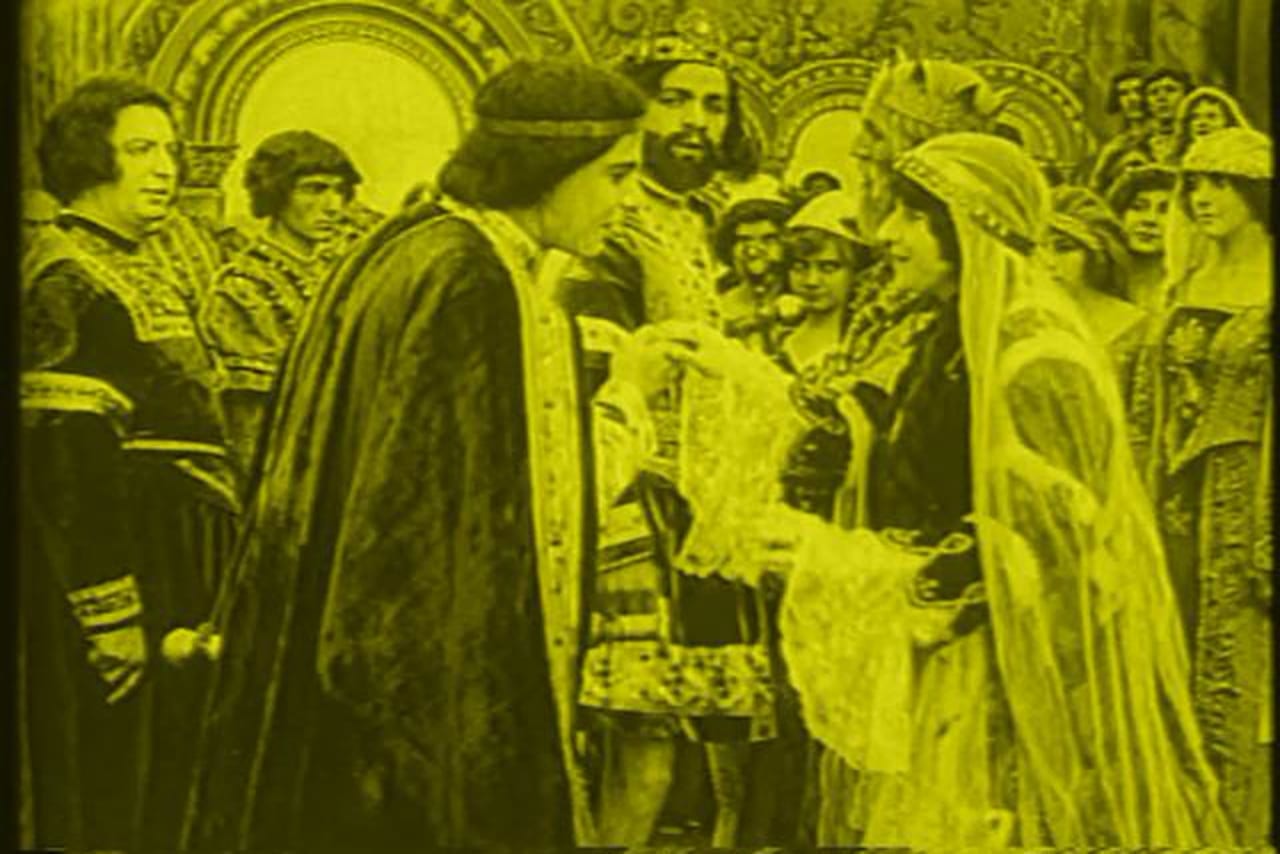
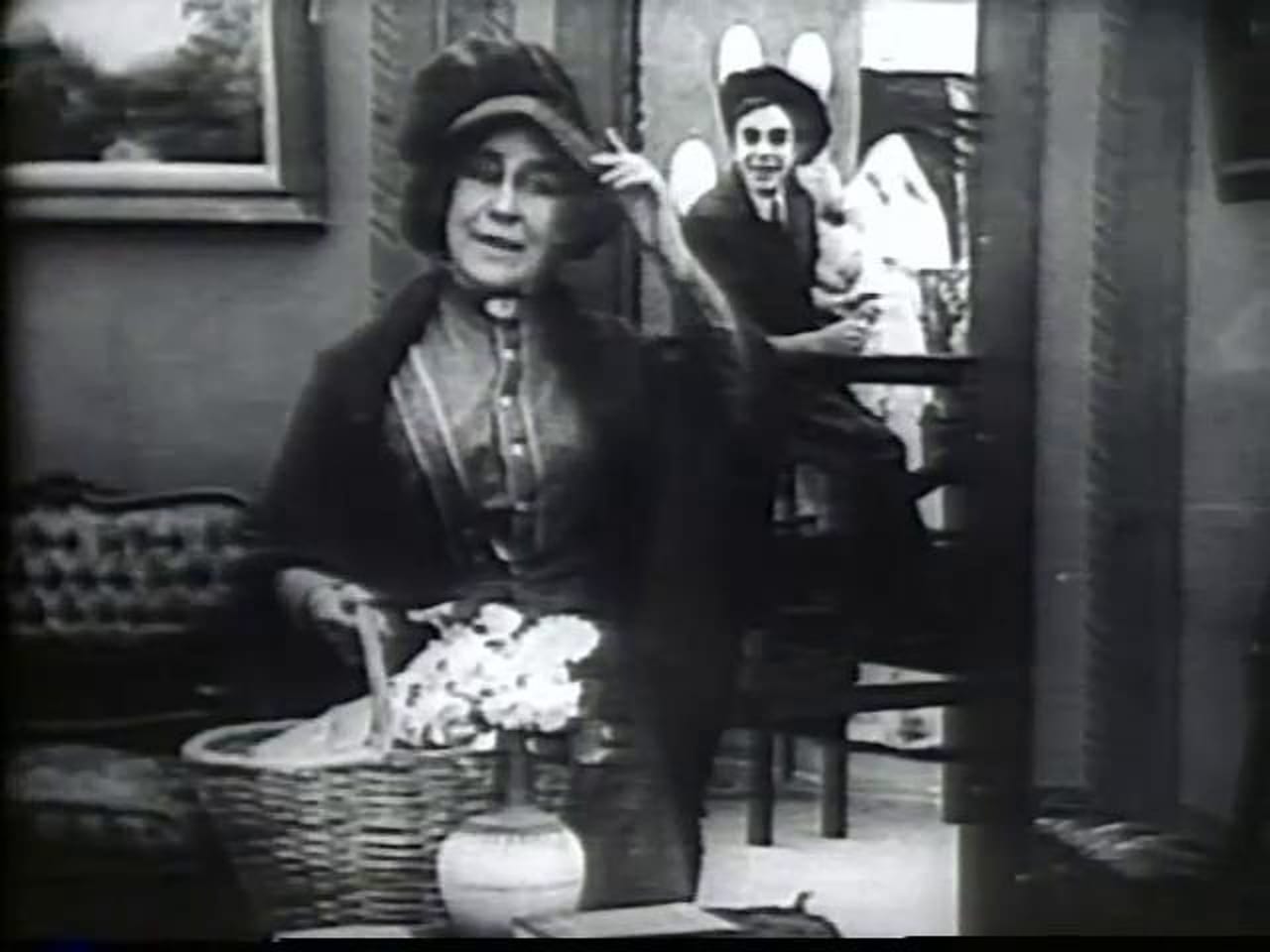
Don José, the hero of the famous book by Prosper Mérimée and Bizet’s celebrated opera, was born in the Basque Provinces of Spain. He was a young, good looking peasant, devoted to his old mother, and greatly in love with his pretty sweetheart, Mercedes. The plans of José and Mercedes for an early marriage were rudely dissipated by the news that the young man had been drafted for service in the Spanish army. José comforted his mother and Mercedes, telling them that he would soon return and they would never be separated again. The young man proved to be a good soldier, and in a short time was made a corporal. His commanding officer, who had great confidence in the new corporal’s ability and trustworthiness, sent him with a detachment of soldiers to preserve order in a certain unruly quarter of the town.
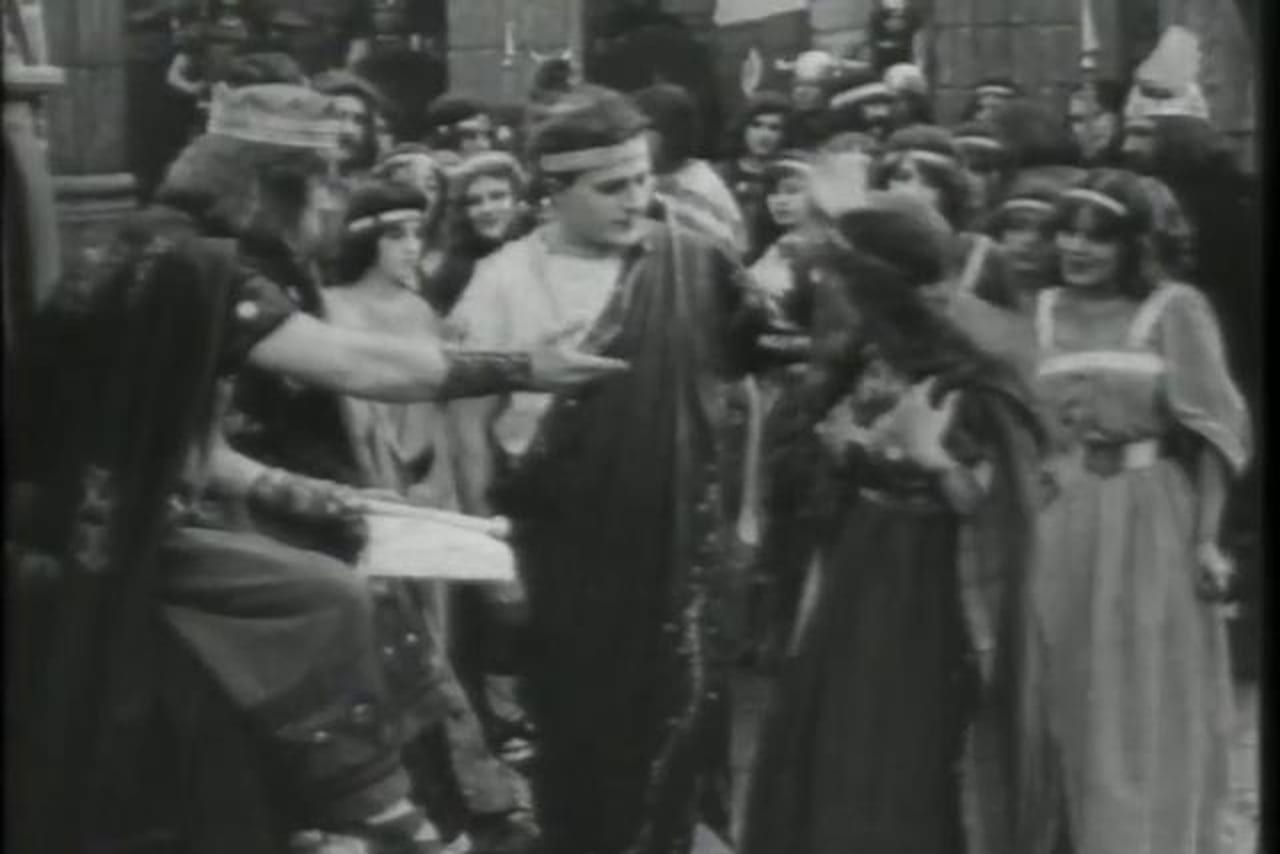
José was strolling by a cigar factory one day, when some of the girls employed in the establishment came out. One of them, a beautiful brunette called Carmen, held a red rose between her teeth, and as she passed the young officer, she cast a coquettish glance at him, and then, taking the rose, tossed it to him. He let it fall to the ground unheeded. Furious, she ran off, followed by the mocking laughter of her companions. But José was more attracted by the girl than his manner had indicated. When he though himself unobserved, he picked up the rose and pressed it to his lips. Carmen, from a distance, saw the action and smiled. Almost before the soldier realized it, he was completely infatuated with the fascinating cigar maker. Gradually, though his better nature struggled against it, he forgot about his mother and Mercedes, his faithful sweetheart. Then the moment came when he had to choose between his loyalty as a soldier and his devotion to Carmen.
A dispute arose in the factory between Carmen and Michele, another cigar girl. They fought, but the struggle was of short duration, and soon Michele lay on the ground, a dagger wound in her side. The soldiers rushed into the factory, and José, much against his inclinations, made the girl a prisoner and took her before his commanding officer. Carmen was committed to José’s charge until she could be turned over to the proper authorities. And then, the girl, confident of her power, exerted all her wiles to make the young man forget his oath to his country. She succeeded and José let her escape, but at the cost of dishonor to himself. Then José was cast into prison, Carmen tricked his jailers and José escapes. They fled together into the mountains, where they were welcomed by the gypsies, Carmen’s people. There José led a life that was far different from the peaceful, religious atmosphere of his native village, and the stirring martial days when he was a soldier. The gypsies were smugglers and he became one of their band. The uniform of the soldier, which had been a familiar and welcome sight to him in former days, was an object of fear and hate, now that he was a violator of the laws, not a defender.
José’s mother, in her quiet home in the mountains, was dying, mercifully unaware of her son’s disgrace. Just before she passed away she gave the cross she had worn all her life to the weeping Mercedes, José’s former sweetheart, who still loved him, and told her to give it to José with her blessing. Mercedes set out on her quest, but to her surprise and grief found that José was no longer an honored soldier of the Spanish king, but a fugitive from justice. Her search seemed hopeless, for none knew where he had gone. Although an outlaw, José was not unhappy, for Carmen made him think that he stood first in her affections, but when she met Escamillo, the noted toreador, her attitude changed. The idol of Spanish populace was a far more attractive figure to the beautiful gypsy than a fugitive soldier, and José soon found himself supplanted by the toreador. Frantic, he reproached Carmen, but she laughed at him.
Escamillo, desirous of exhibiting his professional skill to Carmen, invited her to be present at a bull fight. The girl, sneering scornfully at the jealous protestations of José, accompanied the toreador to the arena, where the bull fight was to take place. Mad with rage José followed them. Carmen watched the bull fight with absorbed interest, and blew kisses to Escamillo as he bowed low to the plaudits of the crowd. It was her farewell to the toreador, for at that moment, José, leaping forward, buried his knife in her bosom. The soldiers crowded around José and made him a prisoner. He gazed in a dazed manner at the dying Carmen, then feeling a gentle touch on his arm, he turned and looked into the eyes of Mercedes, his faithful sweetheart. Pityingly she told him of his mother’s death, and gave him the cross and her message. José bowed his head in sorrow and remorse. He had forsaken the ones who had loved him for a woman who brought him to disgrace and death. Silently he turned, surrounded by his captors, and made his way toward the prison.
Summary from The Moving Picture World · 31 May 1913