The story
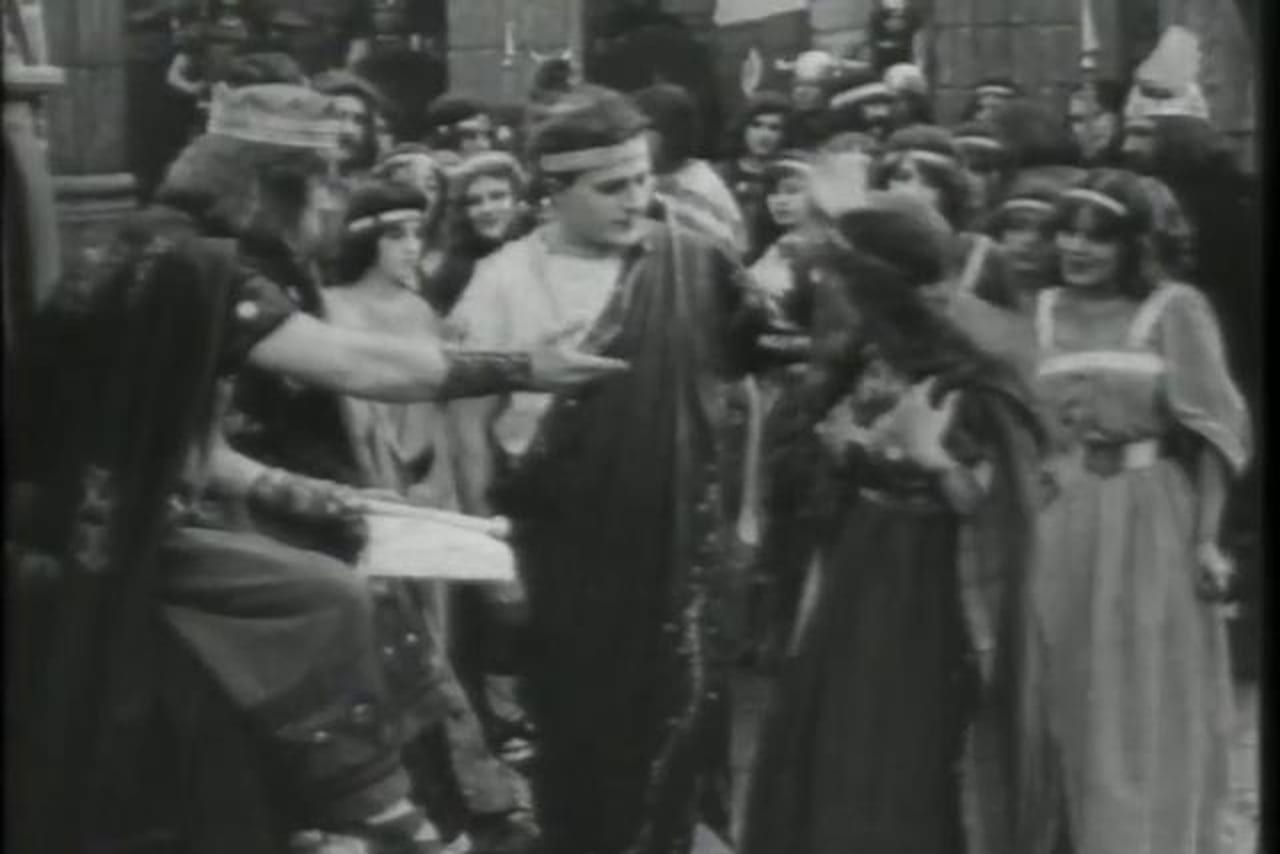
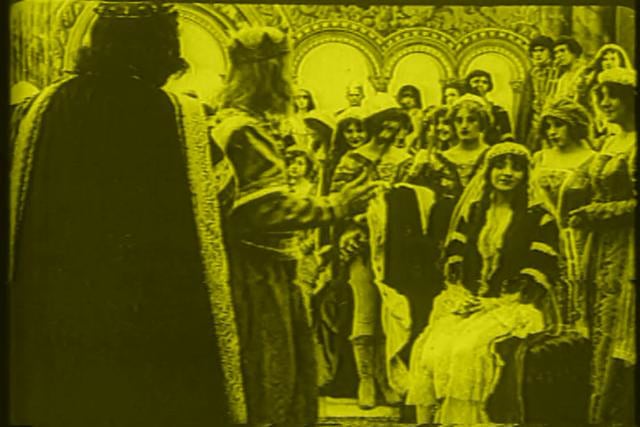
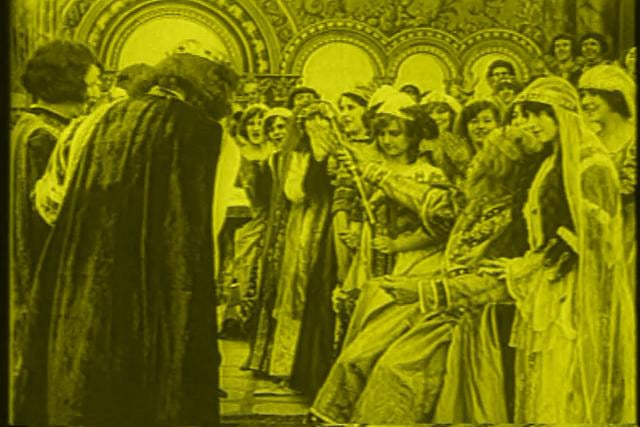
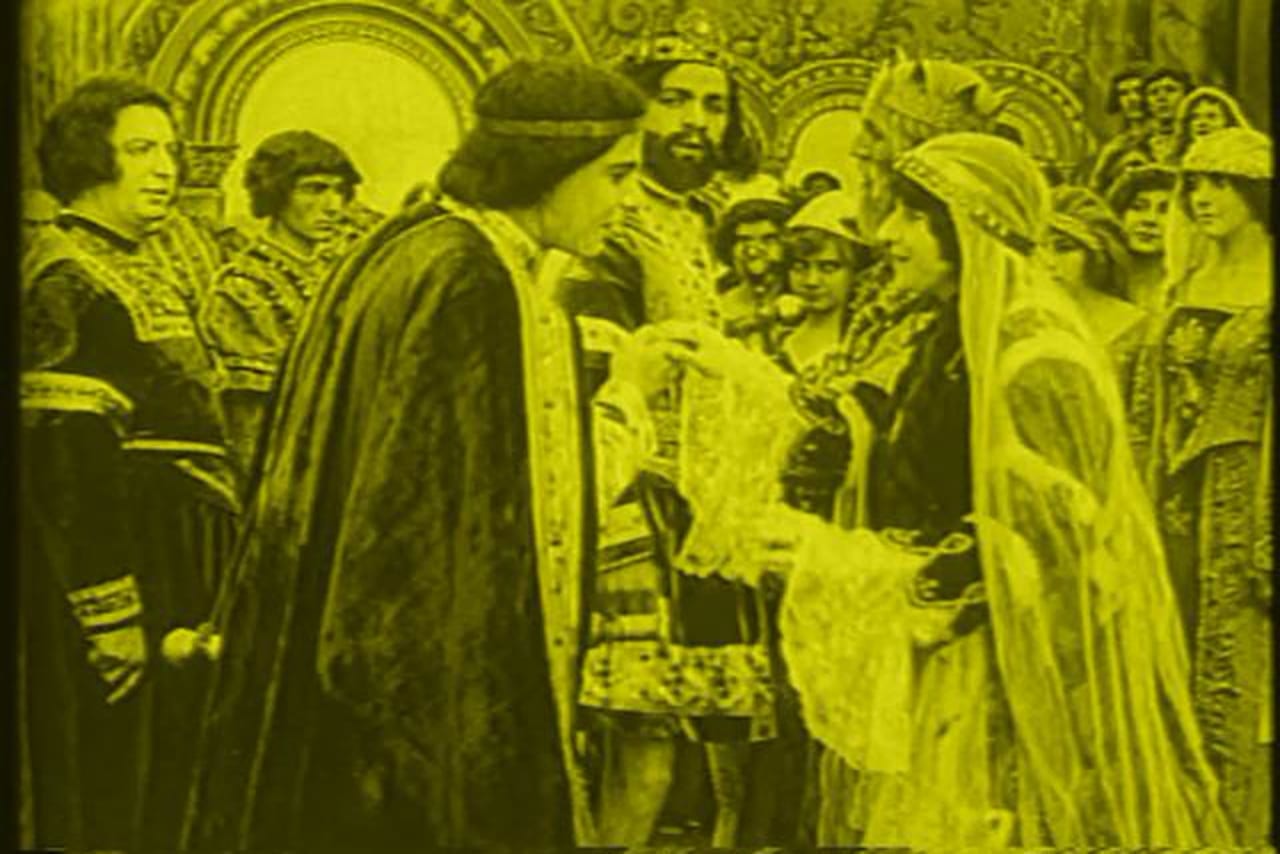
“Elizabeth, daughter of the Landgrave of Thuringia, a pretty princess who reigned during the middle ages, was noted for her beauty and goodness. In those days, when chivalry ruled the world, minstrels were held in high repute and great nobles sang with their lady loves and competed in minstrel tournaments for their favor. A minstrel tournament was held at the Landgrave’s castle. There were many competitors, but all conceded that Wolfram, a young noble, would surely win the prize. And he would have succeeded if another contestant had not entered at the last moment, and the young knight, Tannhäuser, a stranger to the Thuringen court. Great as was Wolfram, Tannhäuser was his master, and he received the laurel crown of victory from Elizabeth’s fair hands.
“Love came to Elizabeth and Tannhäuser, but the Landgrave had other plans for her, and betrothed his niece to Wolfram. Tannhäuser, broken-hearted, wandered away from court. In the forest he married the pagan goddess, Venus, who ruled in her dominion beneath the earth. She cast a spell over the young knight and conducted him to her kingdom, where for a year he lived, charming Venus and her nymphs by his wonderful singing. Finally he grew weary of the life, prayed heaven for forgiveness, and in a moment found himself in the forest which he had left a year before. Tannhäuser made his way back to the court, where he found that Wolfram, discovering that Elizabeth loved Tannhäuser, had freed her from the betrothal. Arrangements were made for the early marriage of the two lovers when Tannhäuser, under the magic influence of Venus, praised her in song and was accused of blasphemy. The only way that he could secure pardon was to journey to Rome with a band of pilgrims and implore forgiveness from the Pope. The Pope was a kindly man, but when he heard the sin of which Tannhäuser was guilty, he wrathfully refused absolution, declaring that not until his staff should bloom would Tannhäuser’s lost soul be saved. Tannhäuser, broken-hearted, fled into the wilderness.
“News was brought to Elizabeth of Tannhäuser’s plight. She fell ill, but constantly prayed for him, and a miracle was wrought, for leaves appeared upon the Pope’s staff. He recalled his words and sent a message to find Tannhäuser and deliver his pardon to him. Tannhäuser was found, and joyfully hastened to Elizabeth with the news. His joy was changed to sorrow when he arrived at the castle and found that Elizabeth had died, praying to the last for him. Overcome by grief, the minstrel knight fell lifeless beside the body of his loved one.”
Summary from The Moving Picture World · 19 July 1913