The story
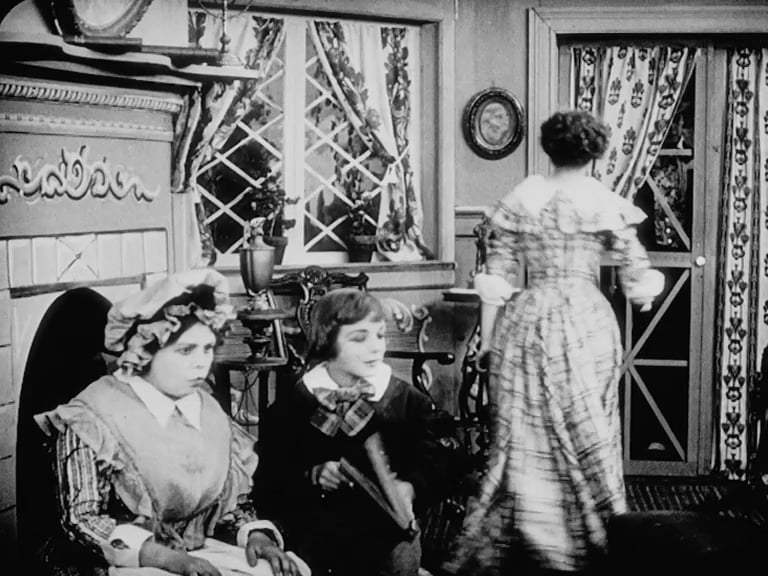
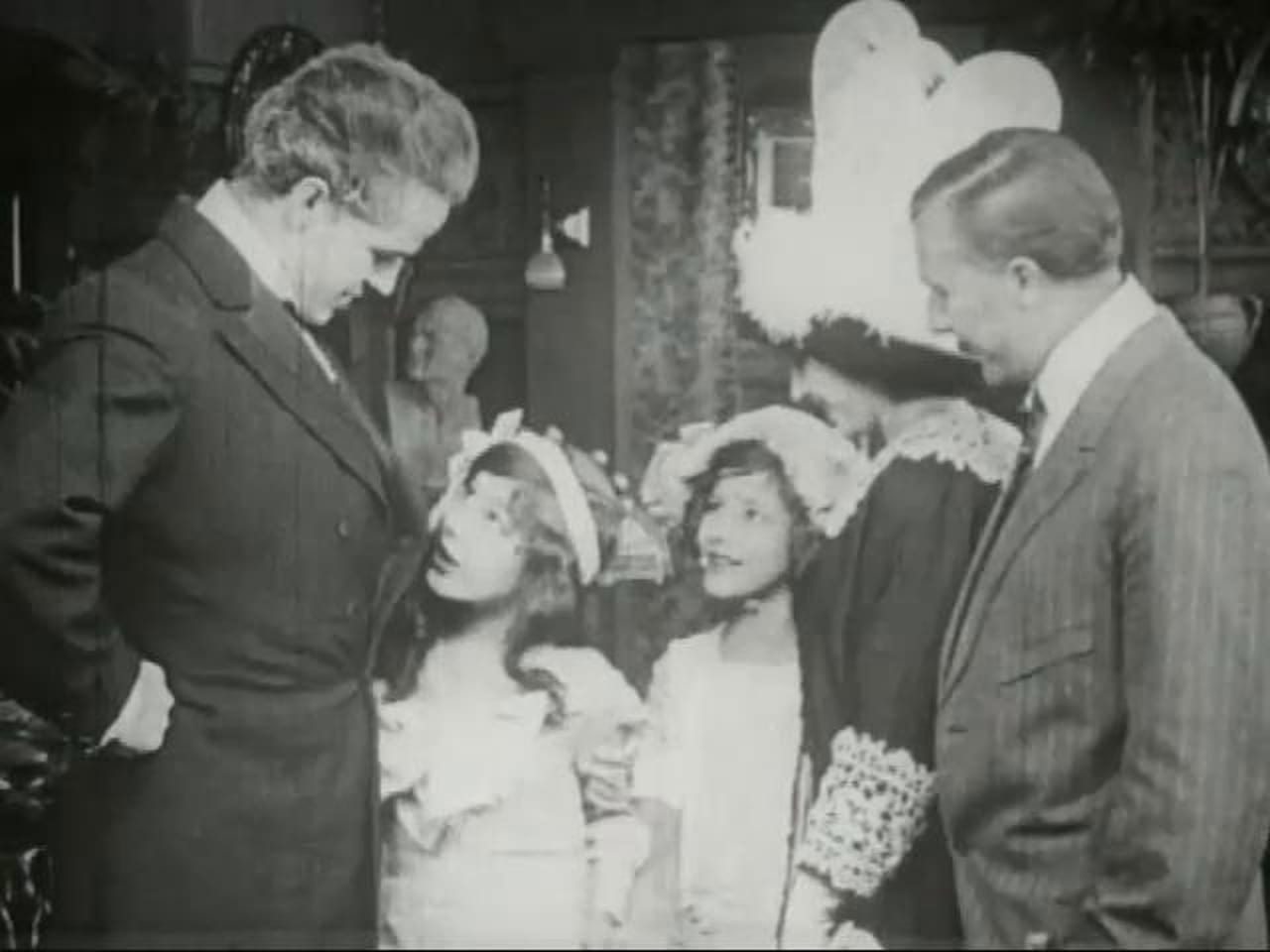
“PART ONE: Walter Hartwright, a young drawing master, while in the suburbs of London, one evening meets a mysterious woman in white, who asks to be directed to the city. He informs her, and watches her curiously as she slinks off. A little later he is accosted by several men, who describe the woman in white, say she has escaped from a lunatic asylum and they are keepers who are hunting for her. Walter, impelled by pity, does not give them any information, and they continue their search in an entirely different direction. The young man is engaged by a Mr. Fairlie as instructor for his young and beautiful niece, Laura. When Walter meets her he is struck by her marvelous resemblance to the woman in white. Teacher and pupil soon fall violently in love, but Laura confides to Walter that she is bound by a pledge made to her father on his deathbed that she would marry Sir Percival Clyde. Broken-hearted, Walter resigns his position and seeks forgetfulness by taking a trip to the fever districts of central America. Sir Percival arrives to claim his bride and Laura fulfills her promise. Just before the wedding day the mysterious woman in white tracks her down and gives her a note in which she says that Sir Percival is unfit to be Laura’s husband and that she (the woman in white) has been persecuted for many years because she knows his awful secret. Laura, grief-stricken at having had to give Walter up, and full of forebodings because of the mysterious message of the woman in white, still steels herself to obey the wish of her father. In her beautiful home she and Sir Percival are married, while from the outside the woman in white peers in the gaily decorated room and wrings her hands in anguish because she cannot prevent the sacrifice of the young, beautiful and innocent girl.
“PART TWO: Laura Fairlie, although deeply in love with Walter Hartwright, who had been drawing master, became the bride of Sir Percival Clyde, a wicked nobleman, because her father, on his deathbed, arranged the marriage. Laura had been warned against Sir Percival by a mysterious woman in white, who in looks was the double of the young noblewoman. The woman in white claimed to know a dreadful secret concerning Sir Percival, but her warning was disregarded. Sir Percival, who had been married solely for money, was enraged when he found that the bulk of his wife’s property was so tied up that she would only enjoy the income, the money would not be distributed until after her death. He longed to have her out of the way, but wicked as he was, shrank from committing murder. While strolling around about his grounds one day he came face to face with the woman in white. She denounced him, but her agitation brought on a recurrence of the heart trouble with which she was afflicted and she fell fainting at his feet. He dragged her into a nearby summer house just in time to get her out of the observation of his wife. Sir Percival glanced from one woman to the other, noted the wonderful resemblance between the two, and like a flash realized how he could solve his financial problem. He carried the woman in white into his house, stealthily placed her in one of the bedrooms, and by his medical knowledge was convinced that she had but a few hours to live. When she expired, he drugged his wife and arrayed her in the stranger’s clothes, then, still unconscious, he carried her to the door of the asylum, knowing she would be found, taken for the woman in white and placed in a cell. The dead woman was supposed by all concerned to be Lady Clyde, and when the rightful noblewoman escaped from the asylum she found that so far as the world was concerned she was dead. One faithful friend came to her aid, the young drawing master who so steadfastly loved her. They were helped by an old servant, who found the dying message of the woman in white, and through it they were able to strip Sir Percival of the ill-gotten wealth and to reveal the secret he had so long hidden from the world. In a desperate attempt to circumvent them, Sir Percival was trapped in a blazing church and his death obviated the necessity of any earthly punishment. Lady Clyde married the faithful Walter, and her later years were as happy as her early years had been unfortunate and gloomy.”
Summary from The Moving Picture News · 19 October 1912