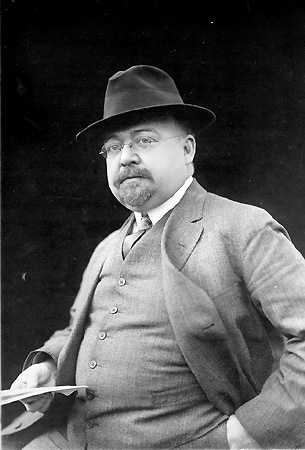
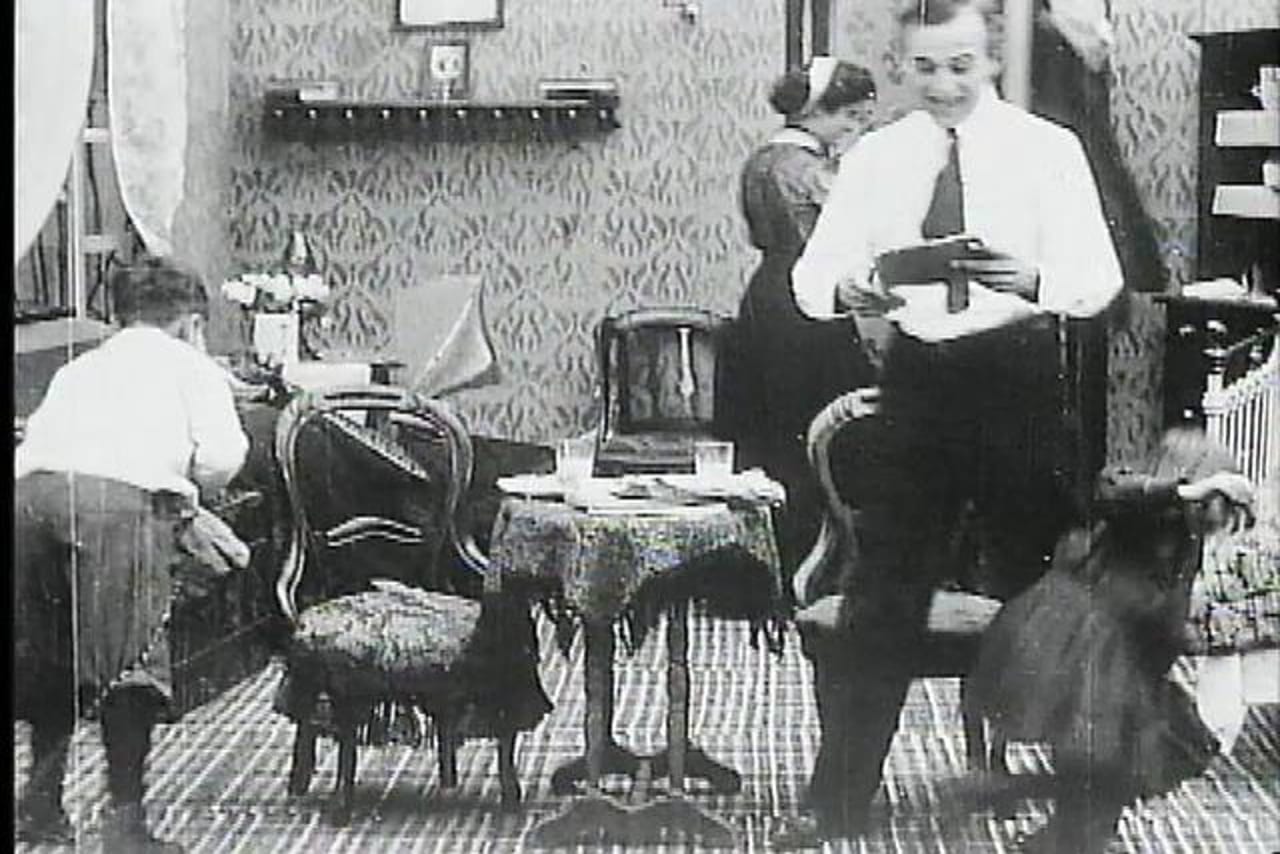
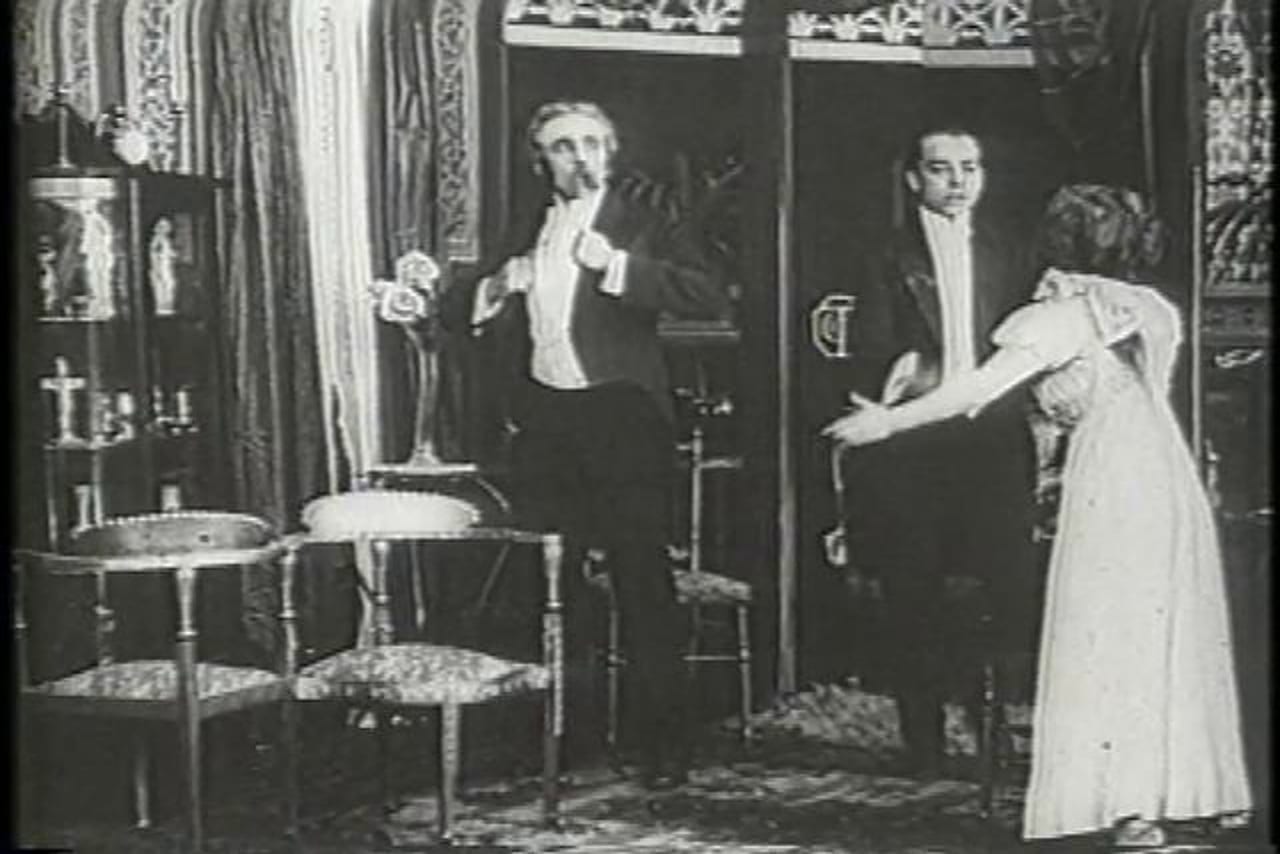
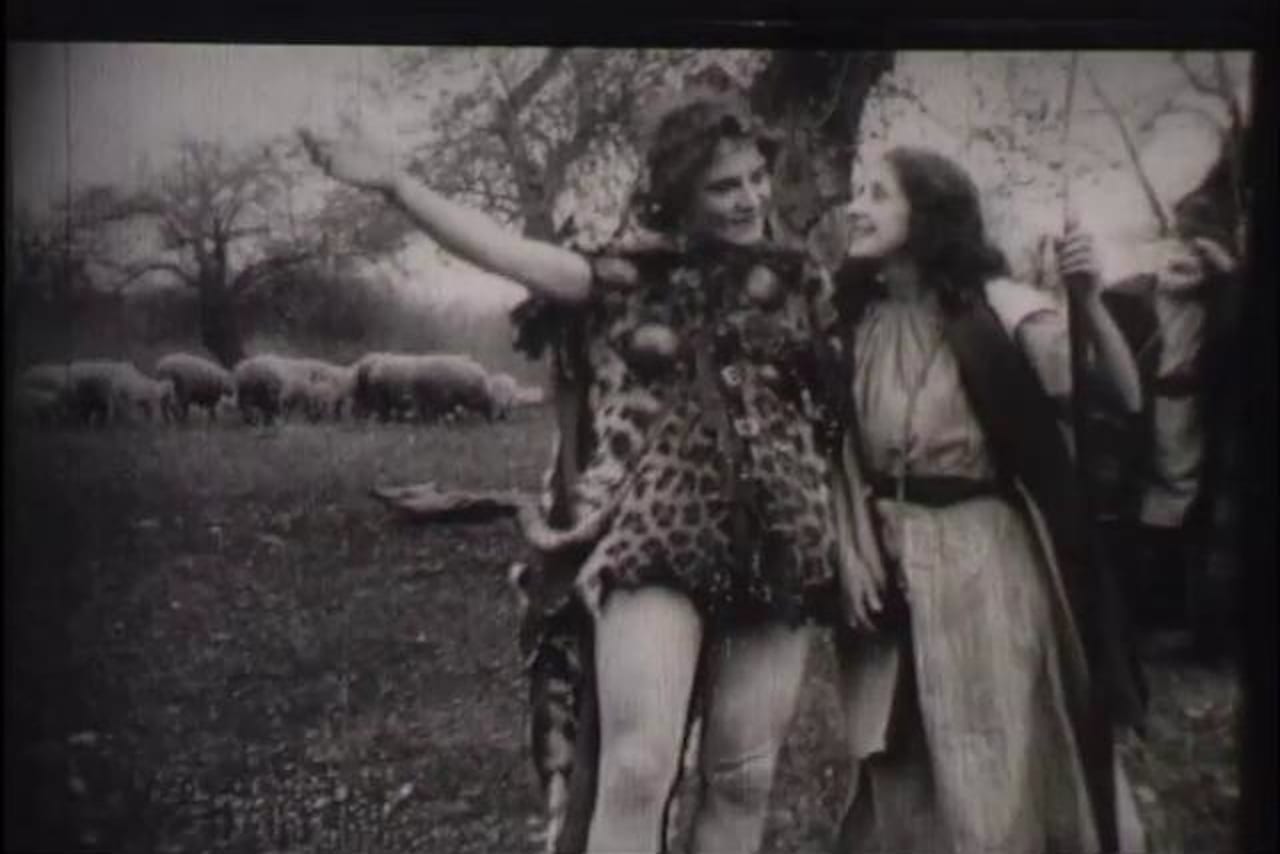
Lloyd F. Lonergan was a frequent subject for articles in trade periodicals. The following are samples:
Epes Winthrop Sargent in The Moving Picture World, April 4, 1914, wrote of Lonergan: “Almost since the formation of the Thanhouser company, Lloyd Lonergan has written practically all of the Thanhouser releases; not by merely putting his name on the script he revises, but digging out the idea, getting it on paper and generally cutting the film afterward. We are inclined to think that he has written more produced plays than any single photoplay writer, and his batting average runs about .980. He has kept on year after year, turning out two or three a week and yet never letting the suggestion creep into his stuff that it is machine made.
“He doesn’t write the same story this week that he wrote the week before last and is going to write again the week after next. He doesn’t run his ideas around in a ring like the ponies in the circus. He makes them as different as possible and gives to the Thanhouser releases a diversity that is lacking in some companies where the scores of writers are done over into the same mold by an editing editor. He has the trick (for it is a trick, developed by practice) of seeing a plot theme in the commonest happening of life. He takes some simple little incident and makes it unusual by skilled treatment until, if you knew the source of inspiration, you would scarcely be able to recognize the play as being derived from the incident. And it is not that he is out for the long-distance record, either, but he early found that he could write each week better stories than he could buy once a month and, so, instead of wading through a mass of stories, he advertises that he is not reading outside contributions and devotes part of the time he saves to giving directors just what they want.
“Like most prolific writers, he is an old-time newspaper man, and for 15 years he was a Hearst editor, which means a lot to those familiar with the erratic editorial policy of those papers. His faculty of seeing back of the little things was developed on the editorial desk, for the editor must be able to see beyond the copy turned in by the reporter and dig the real story out. Now he is doing the same thing, but he is turning his stories into pictures instead of headlines and body type. Incidentally, he comes of a family of writers.”
The “Notes of the Trade” column in The Moving Picture World., April 4, 1914, was on the same subject: “To have written more than 600 produced photoplays is the record held by Lloyd F. Lonergan, production chief at the New Rochelle, New York studio of Thanhouser Mutual movies. For four years Mr. Lonergan has written all the Thanhouser plays, of which there have been three a week. Many of them have been plural reel productions. So Mr. Lonergan has really written more material than appears from the number of the photoplays.”
An article by John W. Kellette, in The Moving Picture World, September 12, 1914, stated that Lloyd F. Lonergan had written 700 scenarios. However, despite this prodigious output, “he never appears to be busy. Cordial greetings are ever ready for those who he terms his friends, and he delights in having his friends break into his office and take him away from his work, whether it be to go for a sail on the Sound, swim, golf, a movie show or a stroll. It’s all in a day’s work for him, for the cheerful director of productions of the Thanhouser Corporation. He can always find time to take his friends over and around one of the world’s big studios and explain the story in action as he flits from director to director while a baker’s dozen of ’em are kept busy visualizing his output.
“The secret of his success, he told the writer recently, is ‘work!’ He has passed up the purely mechanical phases of the work, and dictates to a stenographer who later puts her shorthand pothooks into type. Yet his work is thorough. He revises the first draft from the stenographer, and this is passed on to the typist to make the copies that the studio requires—a dozen in number—for several departments must have a script before the work is shown as a first run. The director gets one, his assistant another; the studio manager, the carpenter, the scene painter, technical constructor, negative cutter, the joining room, and others who figure into the making of the script. And his ‘hits’ figure about .999.
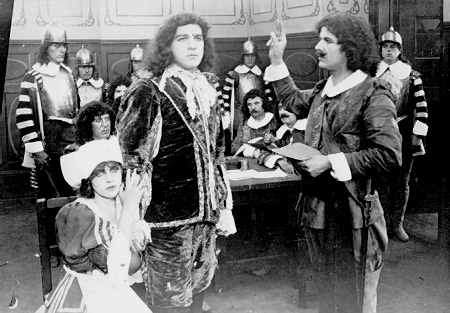
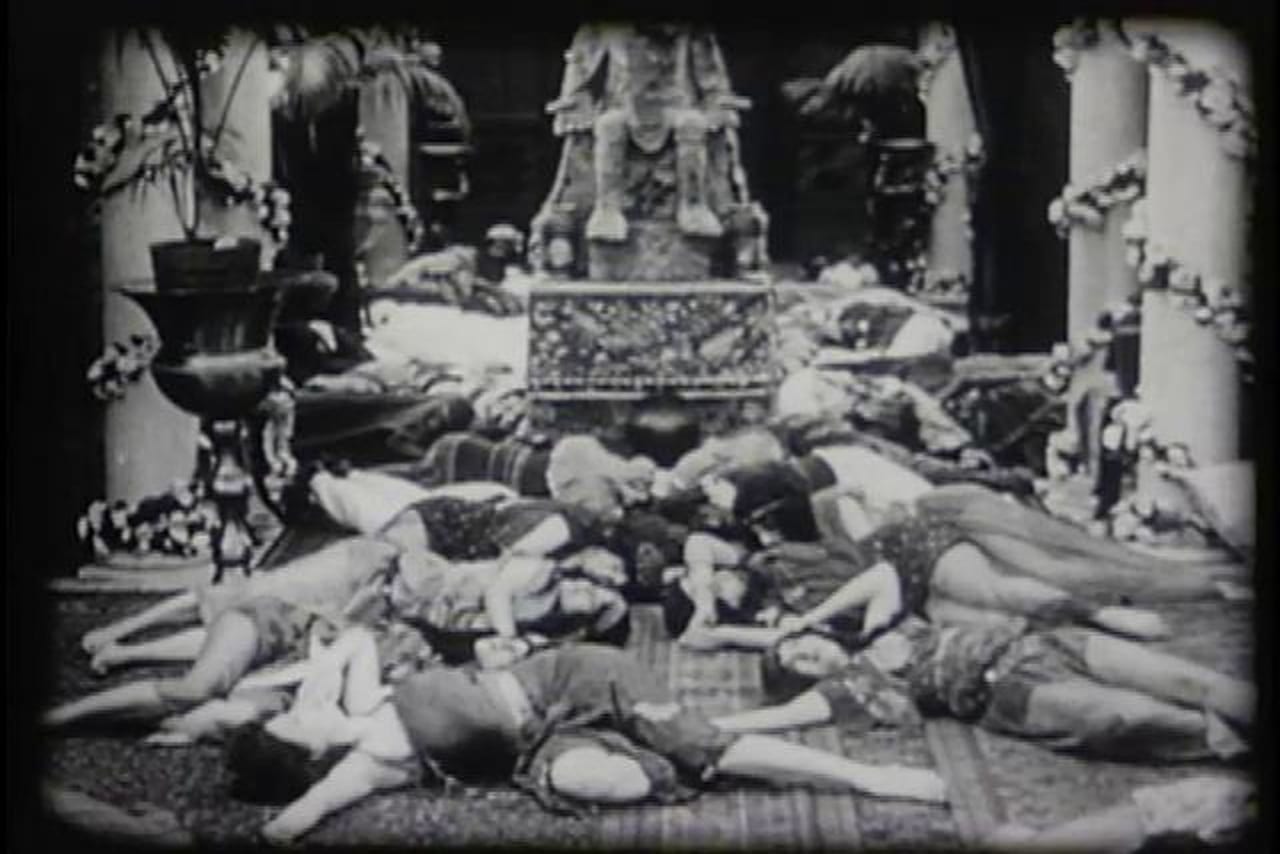
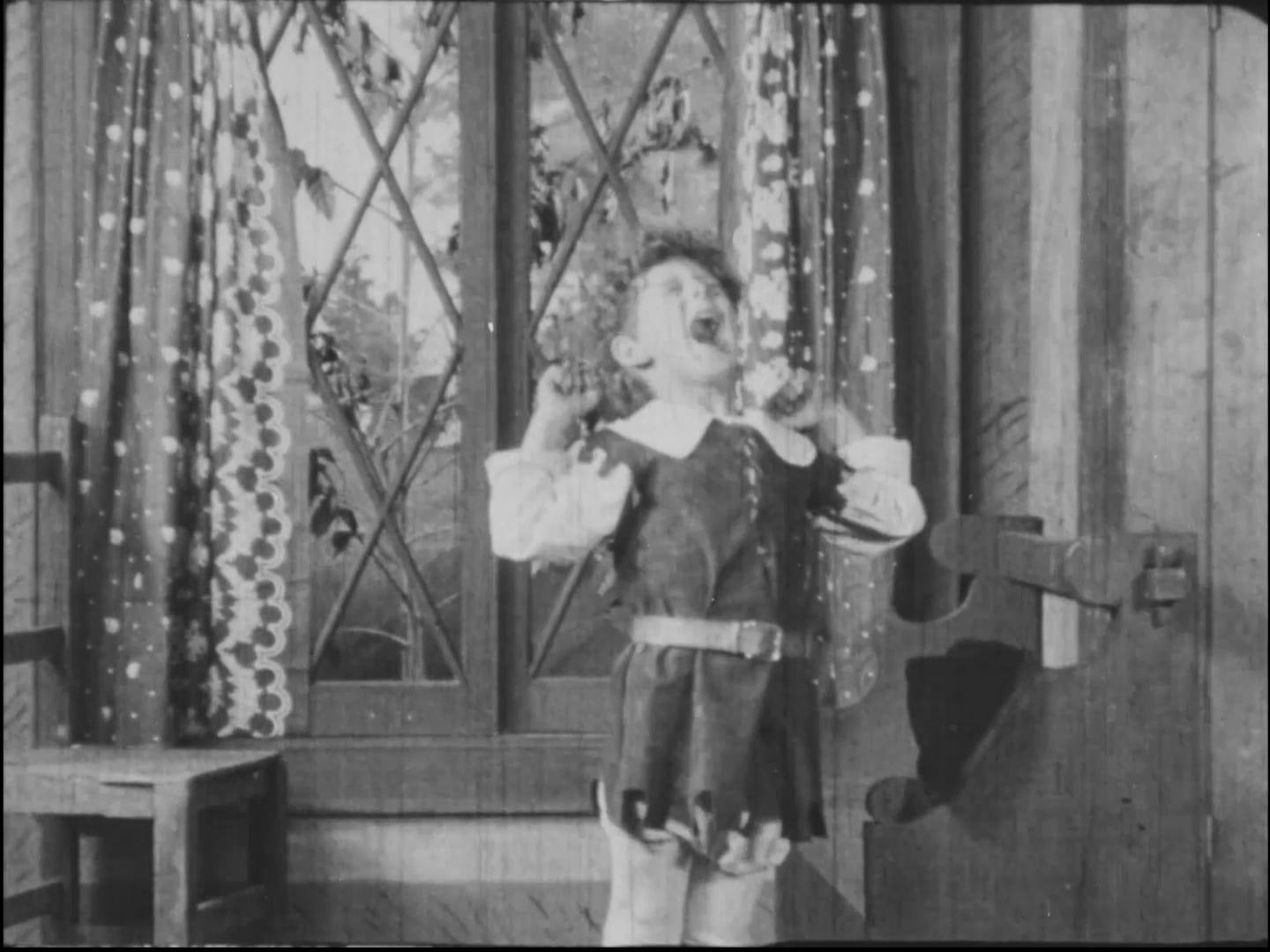
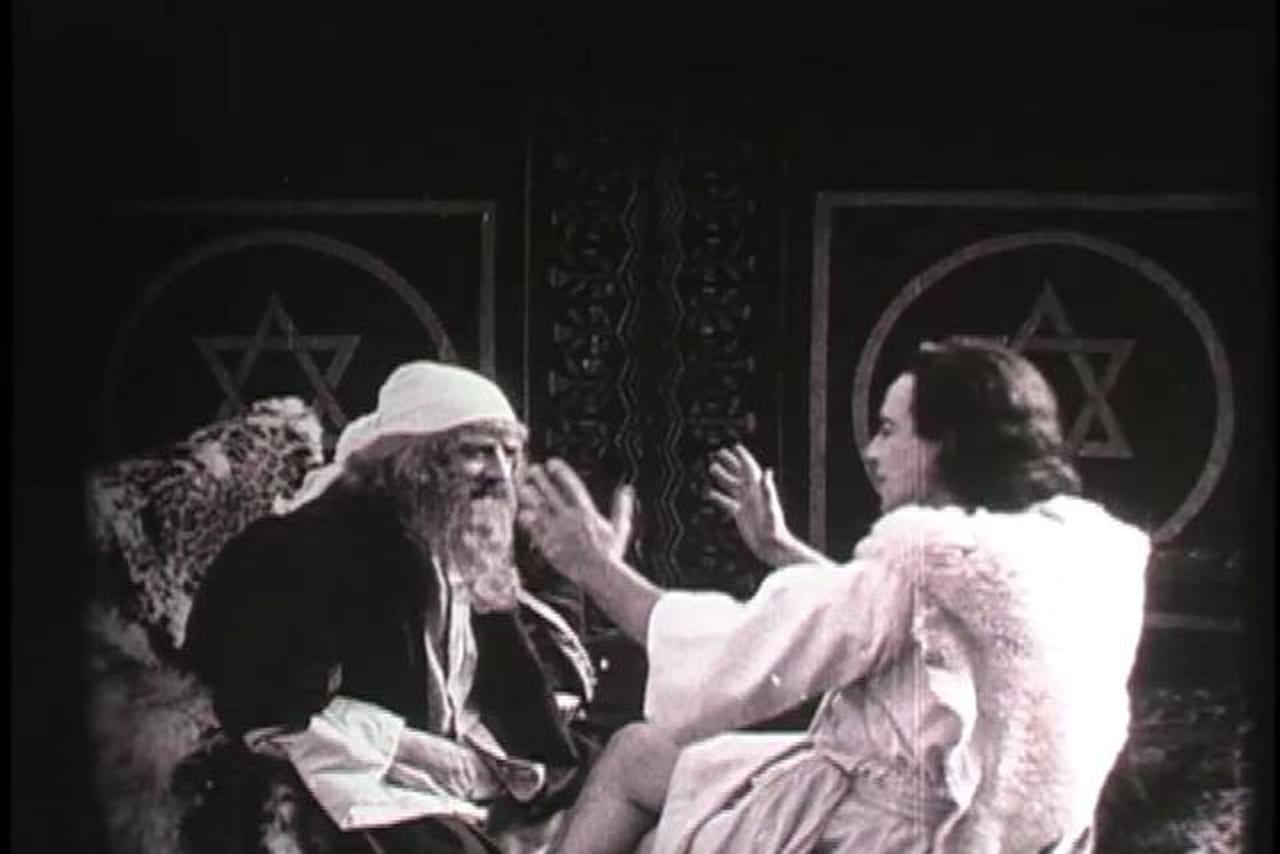
“Where he finds time, though, to create such masterpieces as Undine, The Star of Bethlehem, The Woman in White, Lucile, Cardinal Richelieu’s Ward, Joseph and his Brethren, to read and absorb the books and visualize his construction and then dictate it, and to keep traveling along with original work, is a mystery. Even while working on the 46-reel serial now being produced, he finds time to turn out such work as The Messenger of Death, The Tin Soldier and the Dolls, The Pendulum of Fate, and others. Besides all this he devotes considerable time to lodge matters. He is a past master of a Brooklyn lodge of Masons, and is very active in New Rochelle as an honorary member of Huguenot Lodge, F. & A.M., and is a moving spirit in New Rochelle Lodge of Elks, representing that body at a recent convention.
“Mr. Lonergan finds time, too, to pick out locations and make trips with directors on ‘hurry-up’ stories, such as fires, etc., and recently went to Washington on The Million Dollar Mystery and while there saw a chance for a corking comedy, and the result was From Wash to Washington, wherein Carey L. Hastings as a washerwoman dreams that she is Marguerite (Peggy) Snow, and that Jimmy Cruze is her knight errant, and the inventive Lloyd F. had Peggy and Jimmy meet the nation’s celebrities, and will soon be seen in a Thanhouser release. Should he desire to consult with Harold MacGrath, collaborator in the big serial, he doesn’t object to taking such nice little time destroyers as trips to Syracuse or Chicago, and he is in daily touch with the great fiction author by mail, wire, phone, and the twin tracks of steel. Should a fire break out, Mr. Lonergan summons director, cameraman, actors and actresses and taxis, and goes with them to the scene. There he’ll plot out certain business and on the way back decide what he will do with it. At his office he’ll dictate a full script to a waiting stenographer, should the fire be big enough to warrant the story to be written around it. Because Mr. Lonergan has been able to do this is an explanation of why Thanhouser fire scenes and stories are so powerfully convincing.
“His entrance into the ‘game’ was a result of persuasion on the part of his brother-in-law, Edwin Thanhouser, his retention upon the merit of his work, but with the literary equipment he possessed by virtue of a metropolitan editorial connection on the Hearst papers covering several years, short stories, articles and essays in magazines and other outlets, and an imagination that appears to have no equal, the 700 scripts will grow to thousands, for Mr. Lonergan is a young man, strong physically, and mentally, and grows stout on work—his secret formula for success.... With Mrs. Lonergan he enjoys life to the fullest realization.”