The story
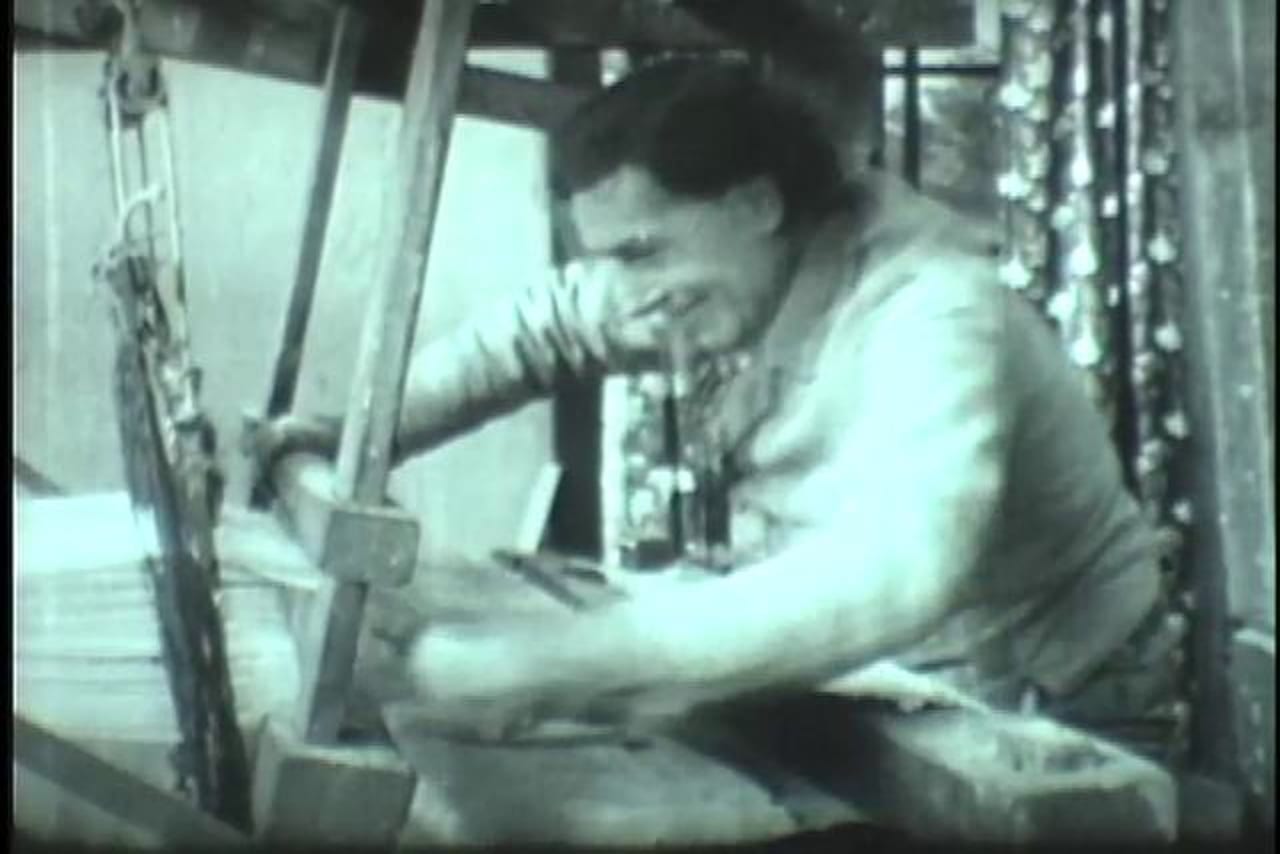
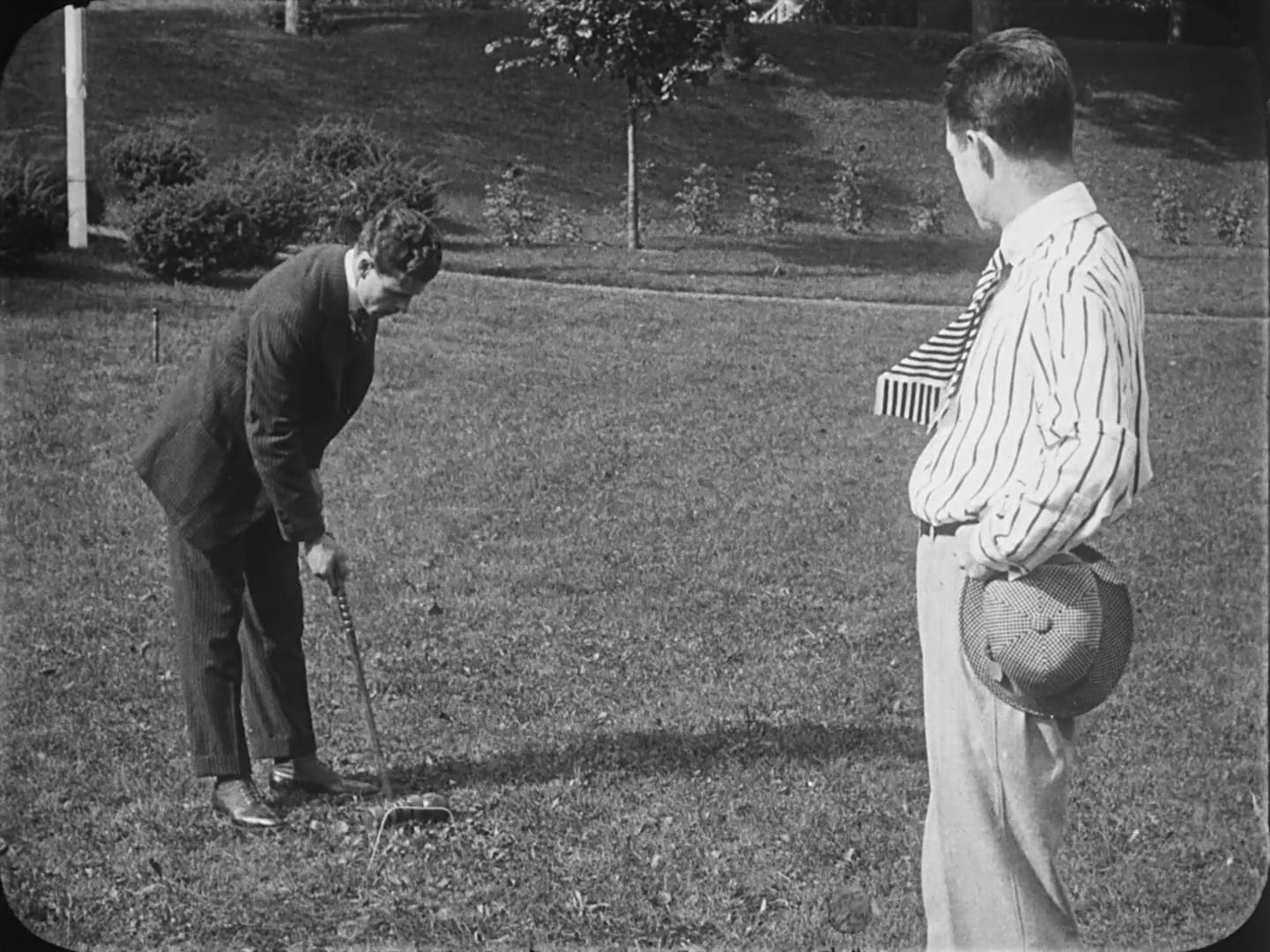
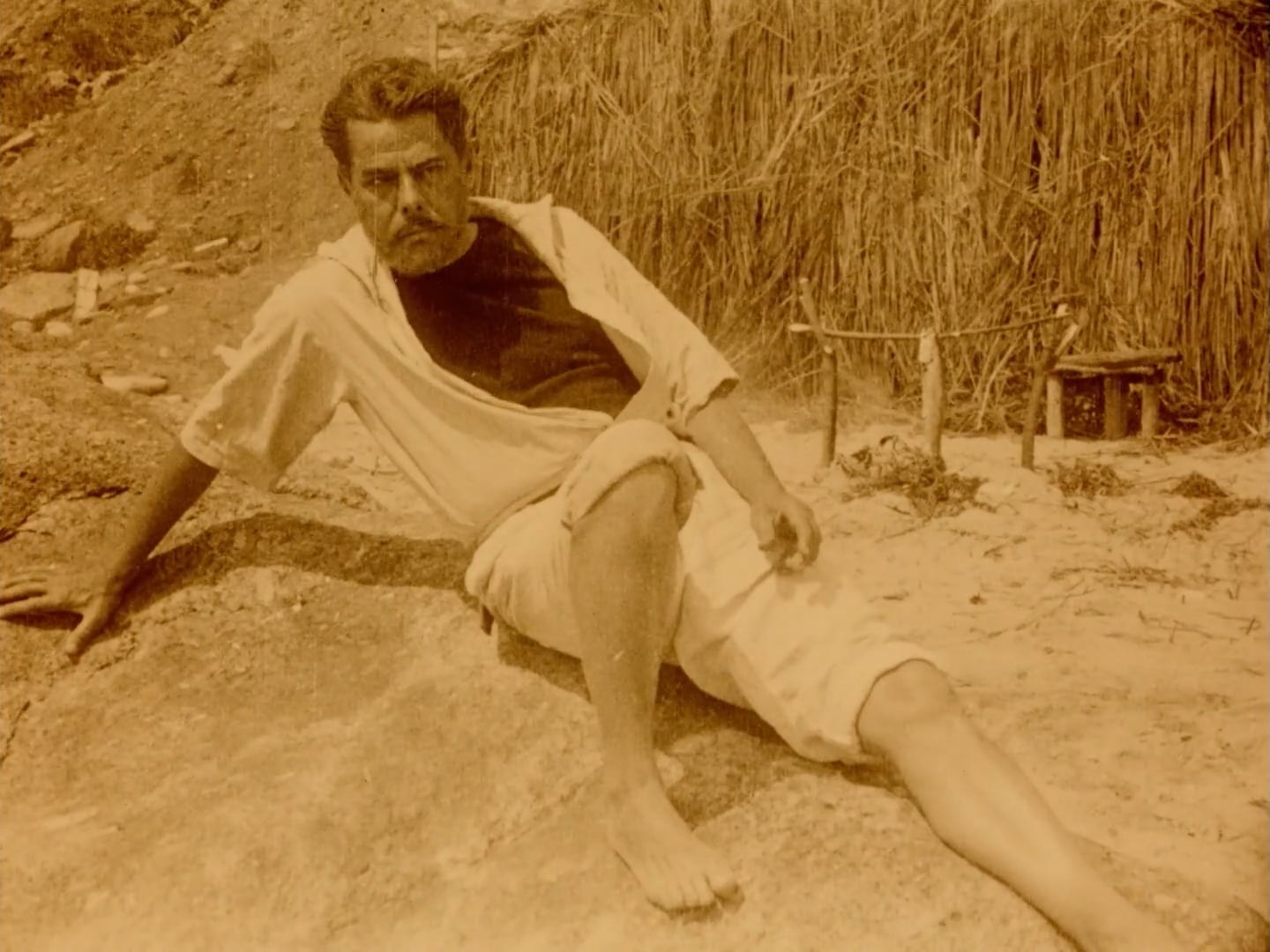
“Cowardice is a characteristic which psychologists have tried to explain innumerable times without offering any lucid explanation concerning the mental processes which makes one afraid. The world has little use and no respect for the coward, but there are hundreds of cases where a change in environment would make a hero out of a craven. The principal figure in the Thanhouser-Mutual two-part psychological drama, The Weakling, was a coward from early childhood. An important event in his life, which furnishes the denouement of this intensely interesting photoplay, brought out his real character and made a new man of him. An unusual cast of players were engaged for this production. Among the principals are Harris Gordon, Barbara Gilroy, Louise Emerald Bates and Thomas A. Curran.
“In a little country village, according to the story, two boys grew up together—one a domineering bully, and the other a quiet, meek youngster. The latter was continually tormented—at play, in school and at work. As a result an abject fear grew up in the heart of the weakling—an intangible terror of the bully and his acts became a part of the life of the boy. As men the torture continued. The weakling, in an effort to escape the evil menace, moved into another section of the country. Soon after the girl came into his life. The weakling fell in love with her, but was afraid to confess his affection. Later the bully came to the peaceful village, and boarded with the girl’s mother. Impressed with the young woman the bully determined to win her. Tauntingly, he told the weakling that he was going to take the girl away with him. The boy objected, reminding him that he was married. Despite threats, the weakling tried to warn the girl. After he had gone, the bully explained to the girl that the young man was a fugitive from justice. Believing that her loved one was in danger of arrest, she agreed to elope with the bully. But at the moment of triumph he was unexpectedly balked. The weakling had returned, but he was a different man. He advanced toward the bully. Bully aimed at the boy, but he fearlessly knocked the gun from the other’s hand, and ordered him to leave that part of the country forever. The girl had seen all from the window, and hurried downstairs to greet him.”
Summary from Reel Life · 29 April 1915