The story
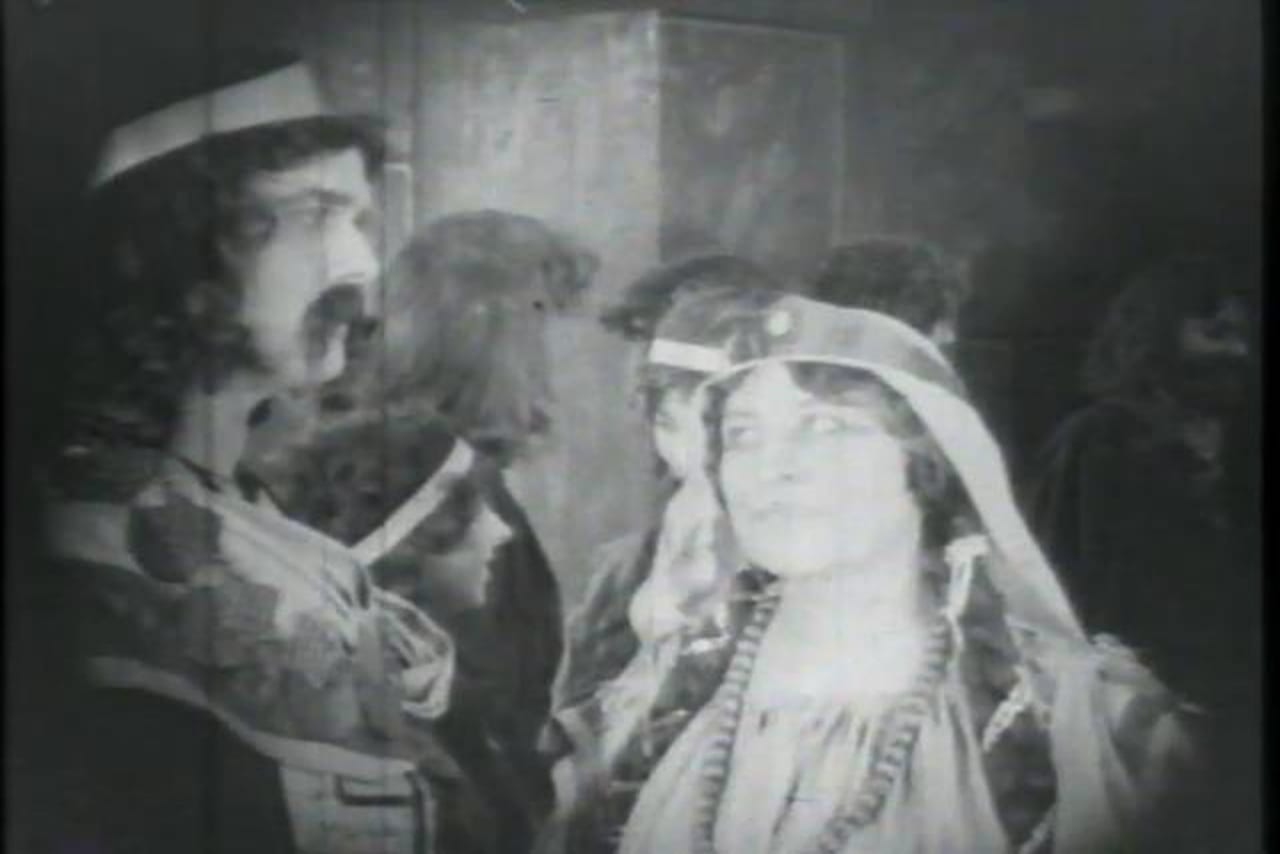
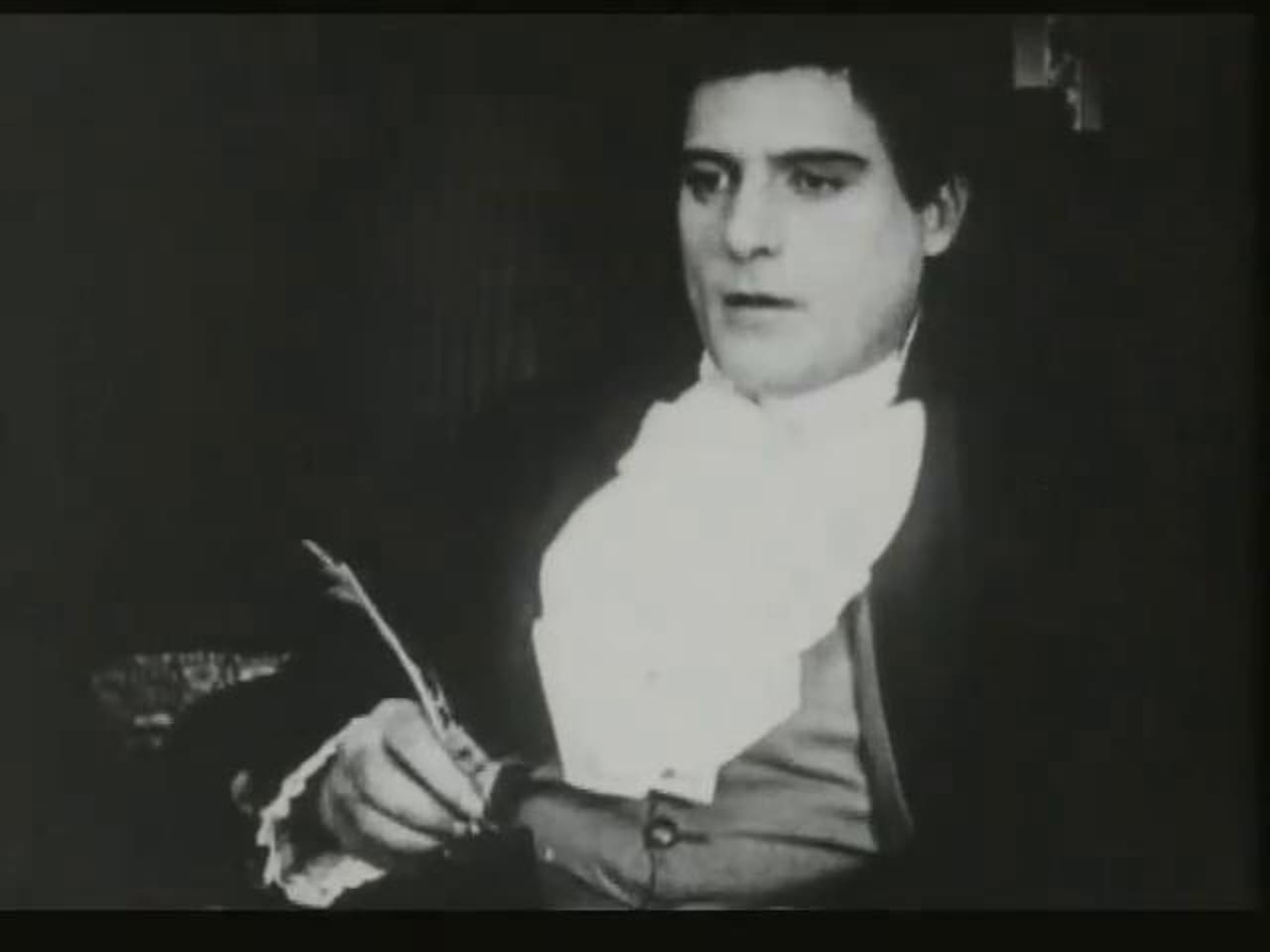
“Every school child is familiar with Silas Marner. It will be with particular interest to old and young, then, that George Eliot’s famous novel will be presented to the public in visual form, when it will appear as a Mutual Masterpicture, DeLuxe Edition. In the leading role, as the gnarled and bent old miser so well known in literature, is the celebrated Shakespearean actor, Frederick Warde. It is fitting that Frederick Warde should be chosen for this particular interpretation. He has always been connected with the highly classical stage as a Shakespearean player, and his name is always associated with literary and artistic endeavor. In support of the well-known player is a cast, the strongest to be mustered from the Thanhouser forces. Louise Emerald Bates, the attractive actress whose career on Broadway has made her a general favorite; Mlle. Valkyrien, the beautiful Danish actress; Ethel Jewett, Elise Jordan, Morgan Jones, Frank E. McNish, Thomas A. Curran, Hector Dion, and Arthur L. Rankin, all tried and tested players of the screen world, appear in support of Mr. Warde.
“Directing this production was Frederick Warde’s own son, Ernest Warde, the Thanhouser director, whose pleasure it was to introduce his father to motion picture histrionism at the same time he was creating into a living, moving thing, the great story of literature which his father had often read to him as a boy.
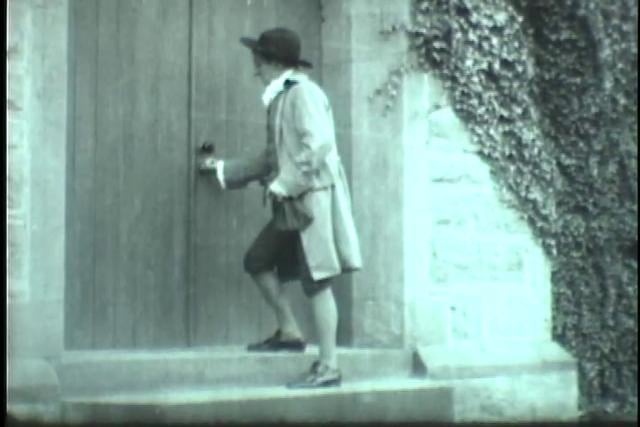
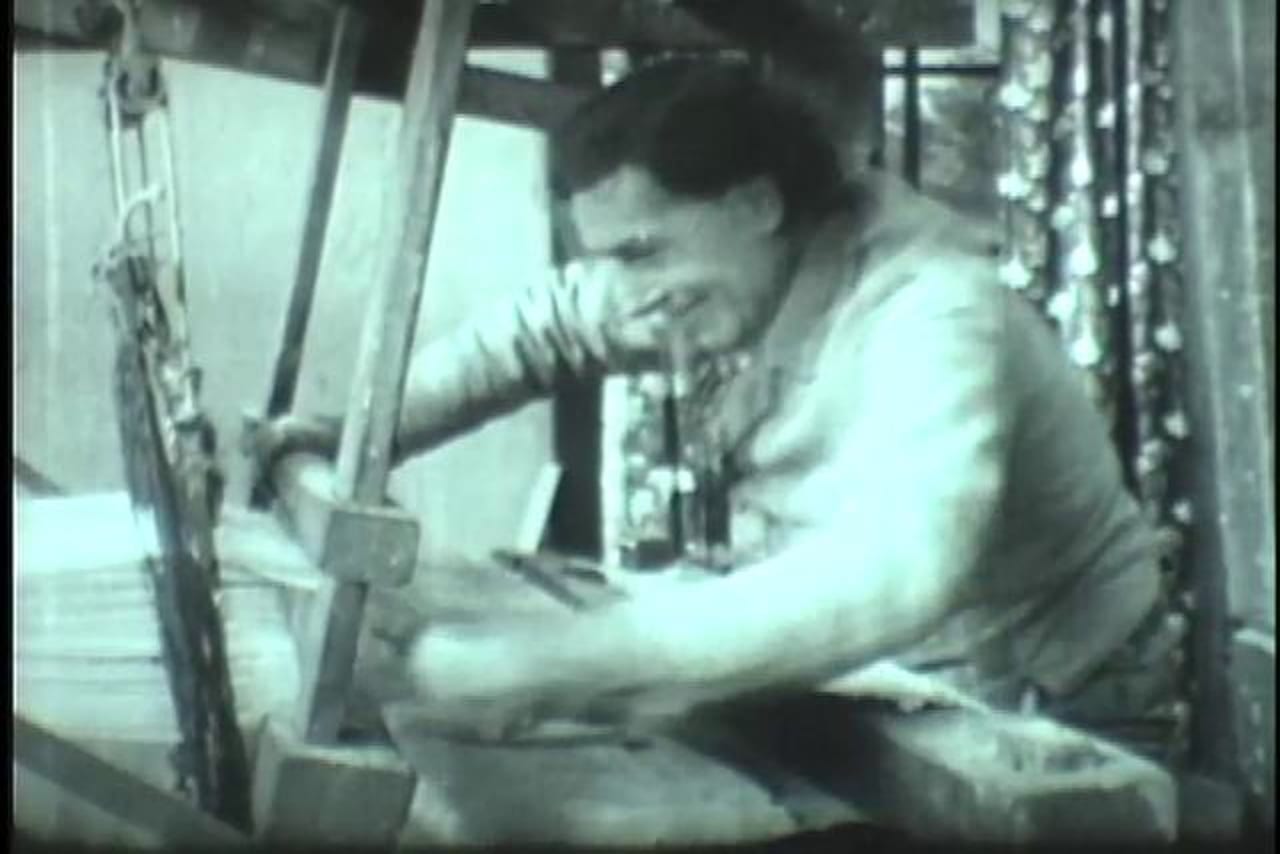
“The story of Silas Marner, it will be recalled, was that of a man who had become embittered and estranged because of a false accusation of thievery which had been place on his head by a friend whom he had trusted. Driven from his native town, he had settled down, a miserable, unhappy weaver far from home, and let one passion—the love for gold—become the absorbing motive of his existence. In the town where he plied his trade lived Squire Cass, the father of two sons. One of them, Godfrey by name, was a serious-purposed, conscientious young man, on whom his father leaned for support. The other, Dunstan, the younger, was a spend thrift and a roisterer. As the elder son grew in favor with his father, and as his marriage to Nancy Lammeter, the daughter of a most respectable family, seemed imminent, Dunstan resolved that his brother should be forced to fall from grace.
“Thereupon he succeeded in getting his elder brother under the influence of rum, as they were on a journey through the country, and while Godfrey was in this condition, Dunstan inveigled him into marrying a pretty barmaid. When he returned to sobriety, Godfrey was horrified at what he had done. He provided for his wife, and returned to his home. But Dunstan used this knowledge to force money from his brother’s share. At length, the younger brother’s rioting used up what money Godfrey could easily give him. Godfrey was forced to ask for time. As Dunstan returned from hunting one night, he stopped in Silas Marner’s cabin as shelter from the rain. He discovered the miser’s hidden gold, and taking it in his hands, ran from the house. In the darkness and the rain, he did not see an old well near by. He fell into it, as he ran, he was drowned. Silas, on returning home, was nearly crazed at the loss of the only thing he loved in this world.
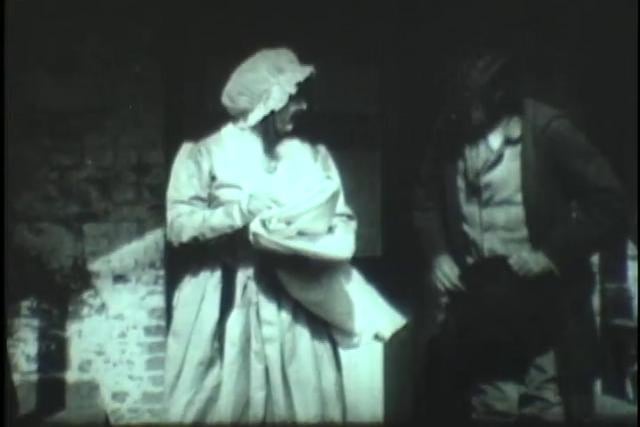
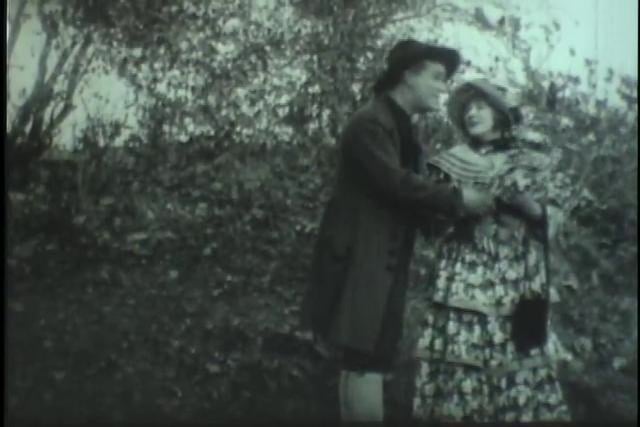
“Squire Cass and Godfrey, hearing nothing from Dunstan, believed that he had wearied of his restricted life, and thought that he had run away from home. And so Godfrey married Nancy, and the following New Year’s Eve the Squire gave a great ball. That same night, Molly, Godfrey’s barmaid wife, decided that she would confront the squire’s son with her child. But as she reached the road near Silas Marner’s hut, she became exhausted from her journey through the snow, and fell by the way. Eppie, the child, ran to the light shining from Marner’s window, entered the house, and fell asleep by the fire. The weaver was also asleep, and when he awoke and saw the child’s golden hair shining in the firelight he thought it was his gold come back to him. He reached for it and picked it up in his hands, to find that it was the curly locks of the child.
“The mother’s voice was heard calling, but when Silas reached her, she was unconscious. She later died. Godfrey, recognizing his barmaid wife in the dead woman, knew that Eppie was his own child. But he did not confess to Nancy—not until years passed and life had granted them a childless fireside. The Squire’s eldest son told his wife the tale. Together they went to Marner’s hut and begged Eppie to come with them. But she remained true to the old weaver who had grown to love her more than life itself. When the old well was drained, the remains of Dunstan were found, the money box clutched in his hands. Silas Marner lends itself particularly well to picturization. It is intensely dramatic, and Mr. Warde, the director, has succeeded in obtaining the quaint background of English country life of a former time.”
Summary from Reel Life · 5 February 1916