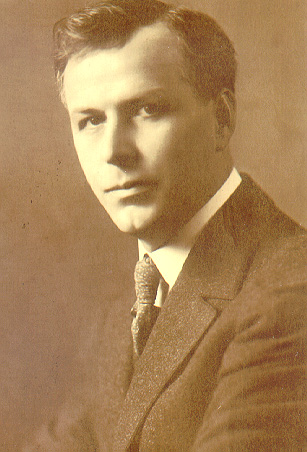
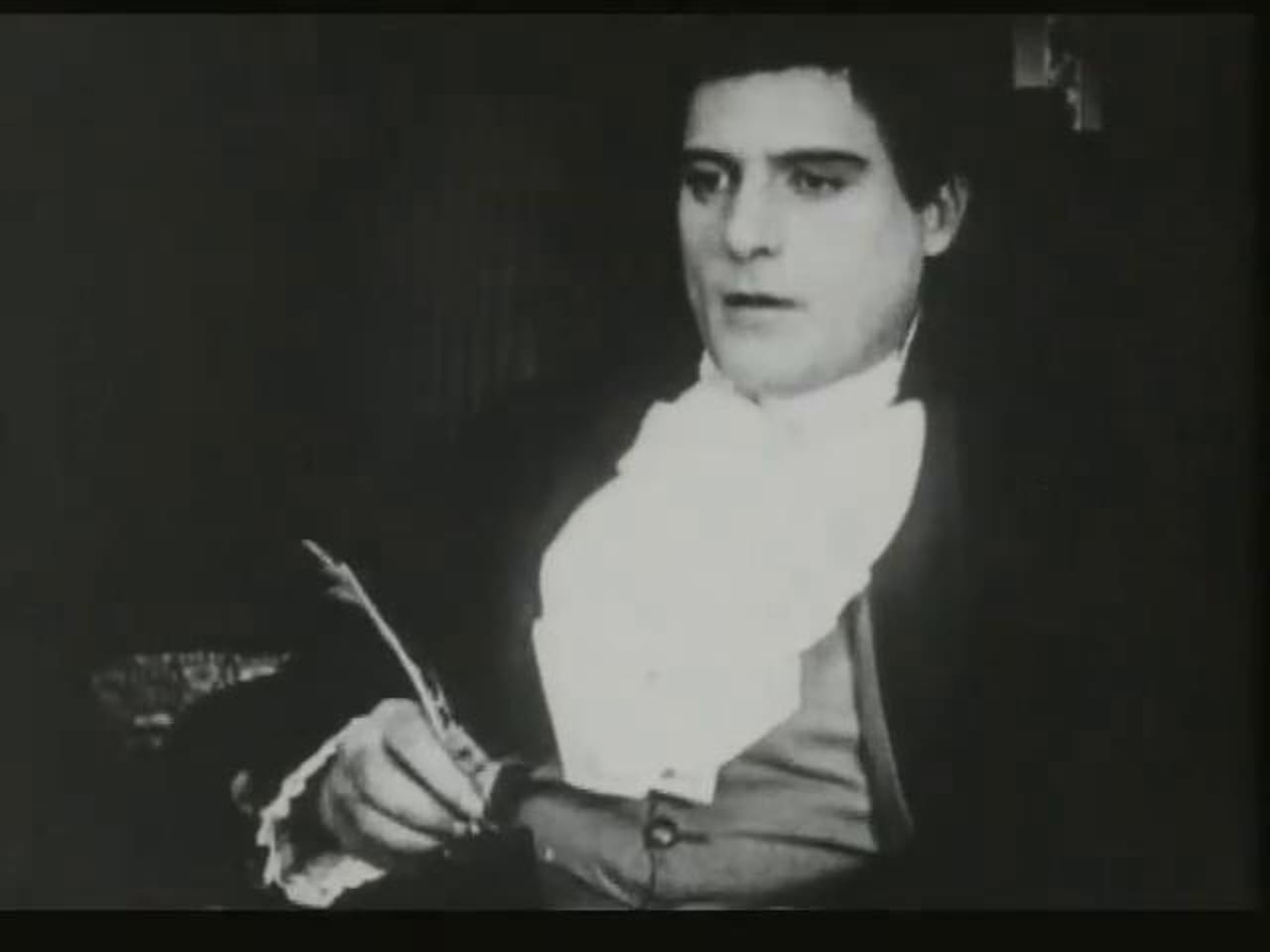
After his musical schooling was completed, he went on the Chautauqua circuit and was seen on programs alongside such personages as William Jennings Bryan, Carry Nation, and “Champ” Clark, and on the concert stage with Mary Garden and others, and at one time was with the Metropolitan Opera Company. He became a figure on the legitimate stage and was with the Harry Davis stock company in Pittsburgh, as leading man for Sarah Truax, Eva Taylor, Laura Lozier, and others. He was also seen in Rose of the Rancho, at the Belasco Theatre in New York City.
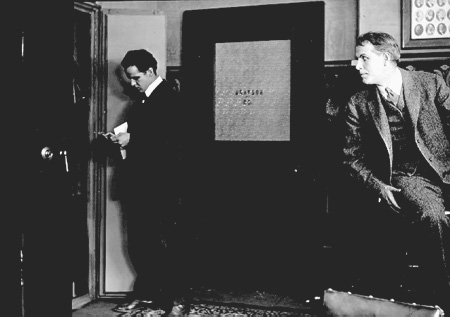
Among his early screen appearances was a part in The Great Train Robbery (Edison, 1903). He worked in many silent films, appearing with Pearl White (at Pathé), Irene Castle, and Ben Lyon, and under the direction of Fred A. Kelsey at Universal.
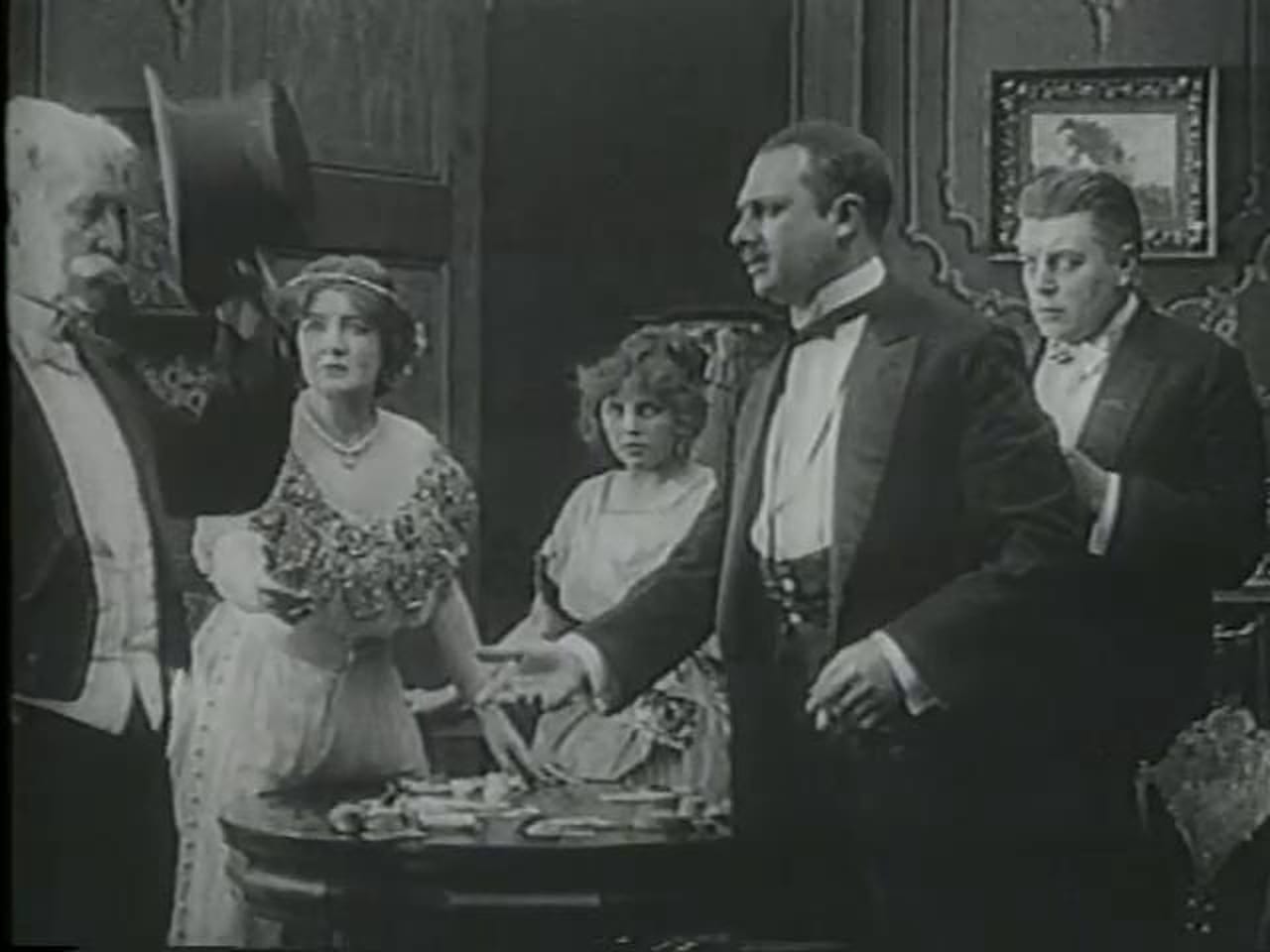
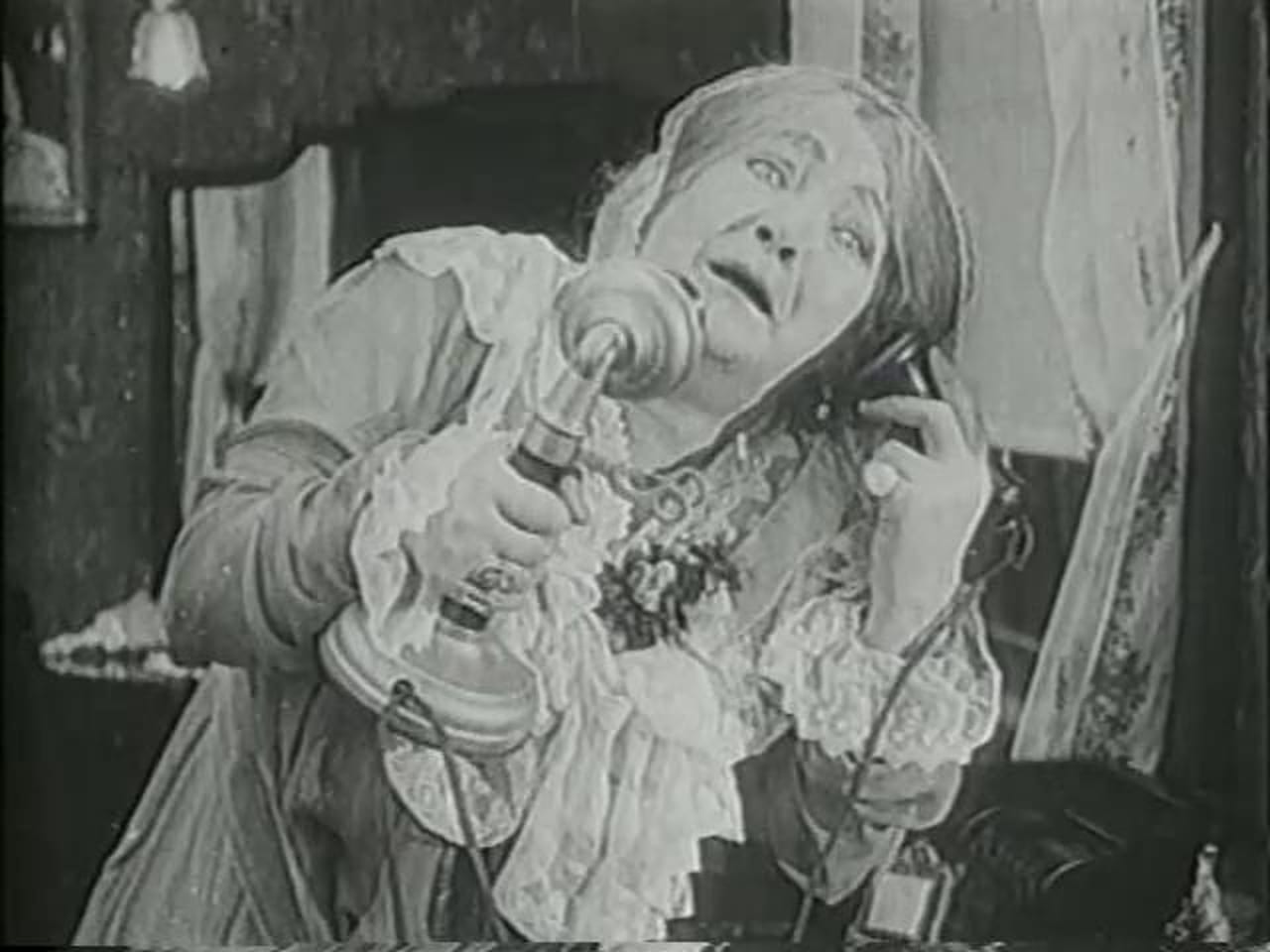
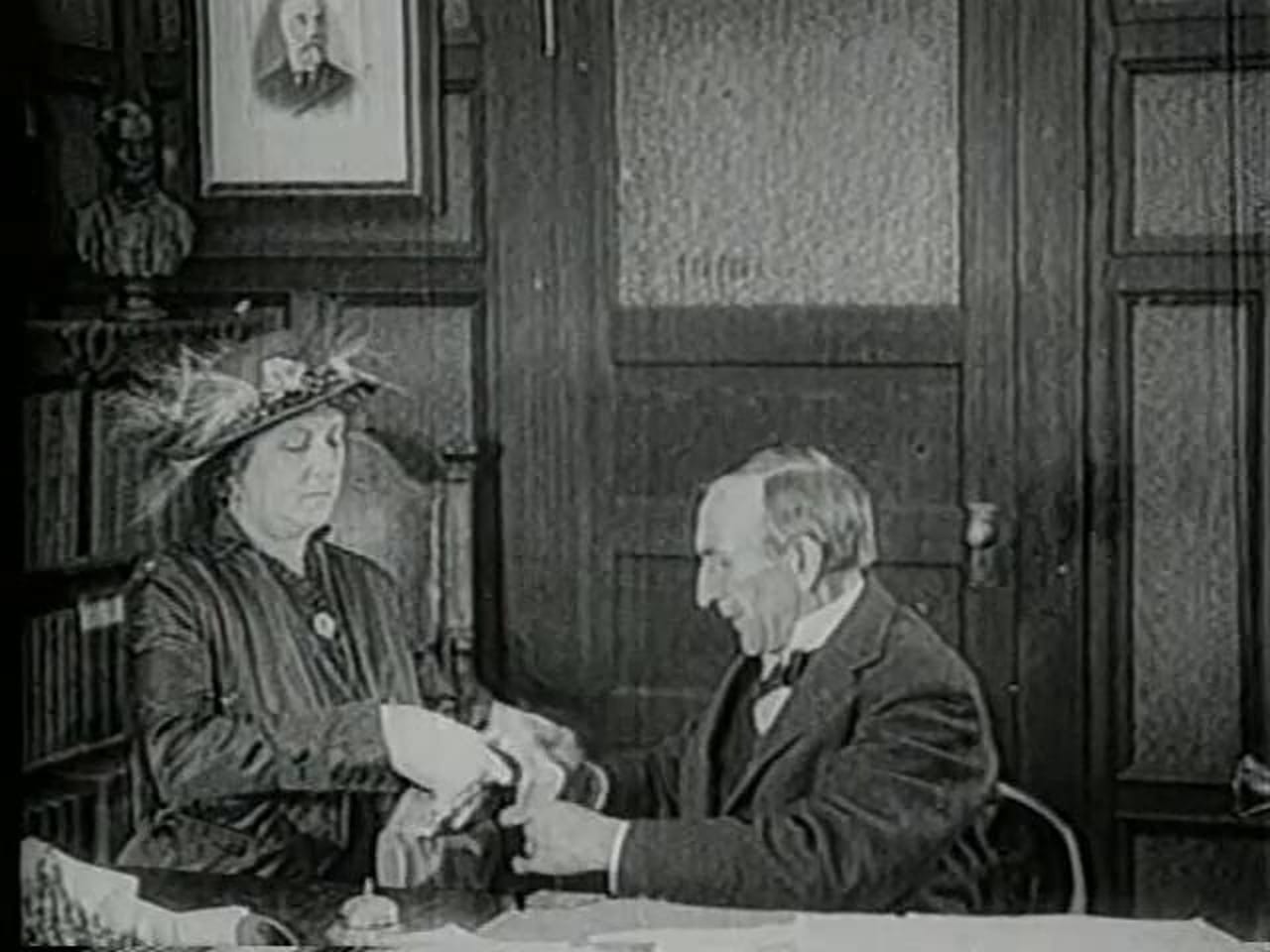
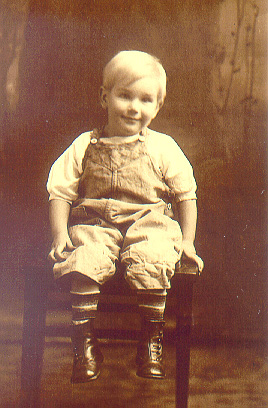
Jones appeared in many Thanhouser films from 1913 until 1917. In addition to acting in regular Thanhouser pictures he played in numerous Princess and Falstaff releases. The New Rochelle Pioneer, January 16, 1915, noted that he “has been taken into Thanhouser stock.” Apparently, he was not a full-time studio player before that time. In early 1916 he was among the Thanhouser players at the Jacksonville studio. While he was there, various antics involving his toupee were mentioned regularly in Tracey Hollingsworth’s “Flivers From Film Folk” column in The Florida Metropolis. His son, Master “Bopps” Jones, age 5, appeared in a Thanhouser film in Jacksonville. The New Rochelle Pioneer, June 3, 1916, stated that he was among nearly two dozen Thanhouser players, directors, and cameramen who were dismissed by the studio on Saturday morning, May 27, 1916, at a time when the financial prospects for the Thanhouser Film Corporation were uncertain. However, he was rehired shortly thereafter and appeared in Thanhouser films through 1917. Morgan Jones played many supporting parts, rather than leading roles, and thus he was often omitted from publicity notices, even though his filmography comprised a lengthy list. He continued in films with various studios through at least the late 1920s.
His spare time interests included gourmet cooking, music, swimming, tennis, golf, and many other hobbies and sports. In later years Jones worked as a makeup artist for various Eastern studios. He specialized in making up prospective players for screen tests with Twentieth Century-Fox, Metro-Goldwyn-Mayer, and Paramount. Morgan Jones died on September 21, 1951 at his home at 22 Fairview Avenue in New York City. He was survived by his wife, Nina; two sets of twins, Morgan Jr. and Mason, and Mary Belle and Milton; four grandchildren; and two brothers, Henry and Leslie.