The story
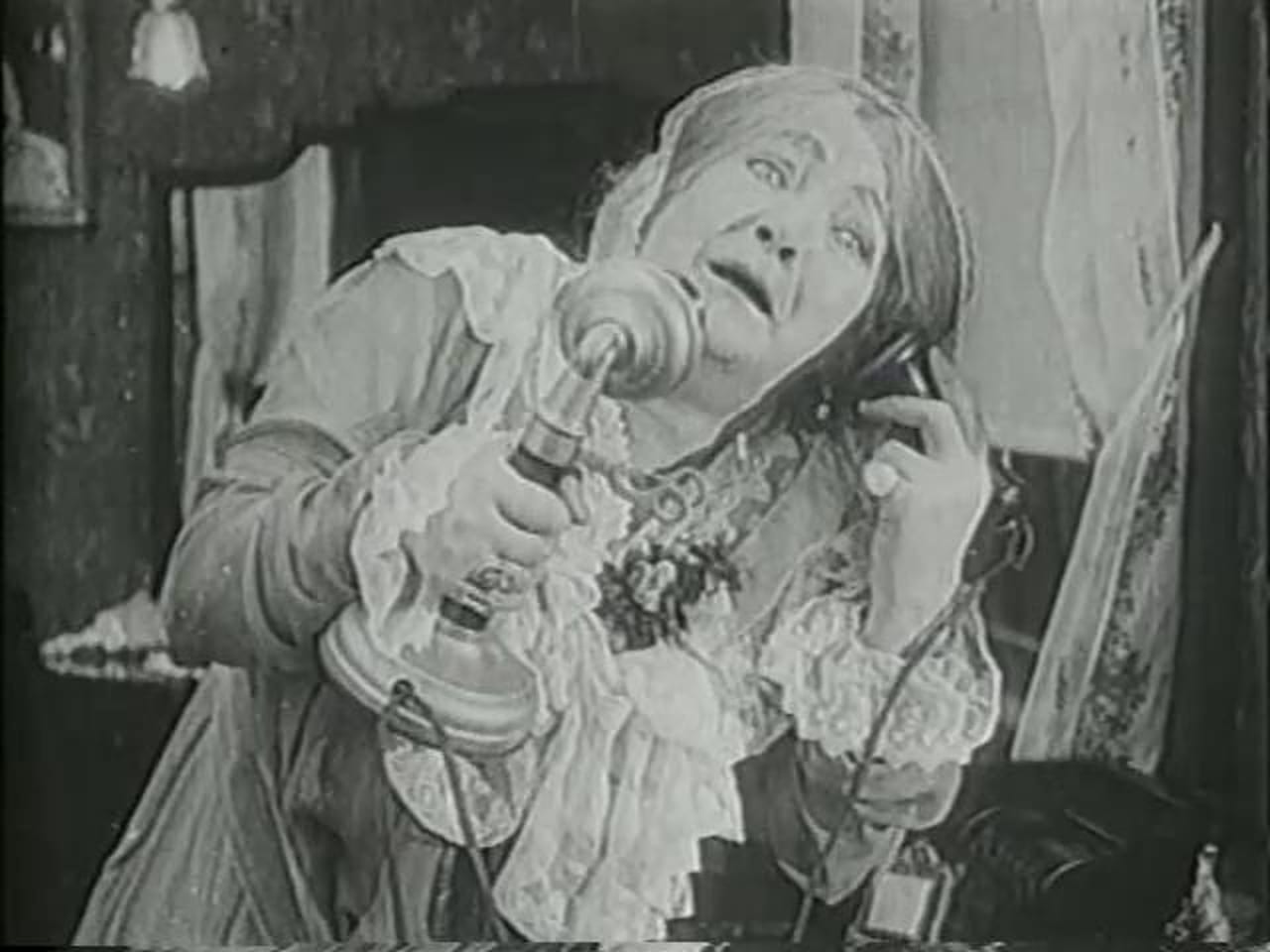
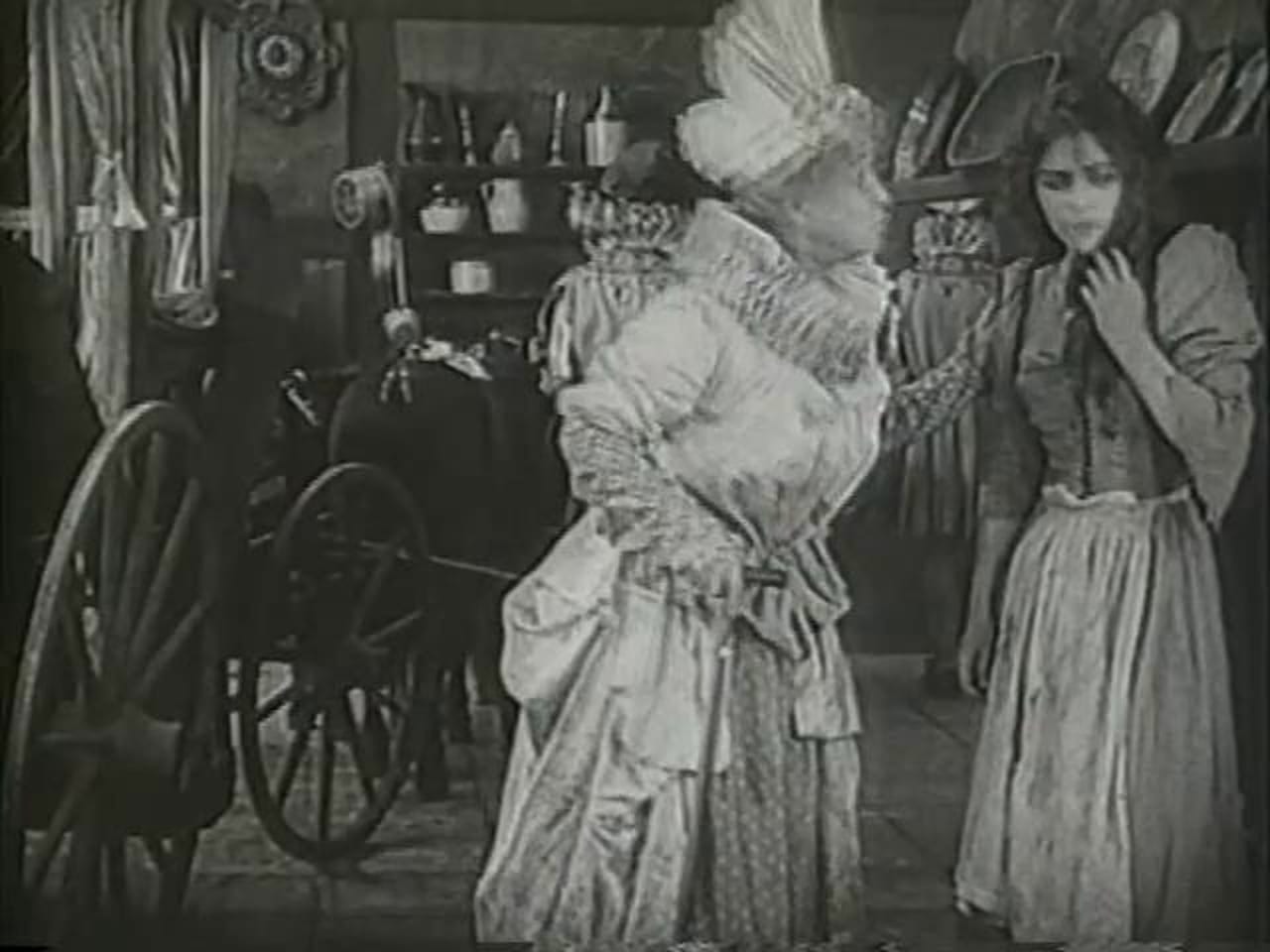
“Monsieur Lecoq, the famous detective, while sauntering about Paris one evening, heard a succession of shots coming from the ‘Pepperbox,’ an ill-favored inn kept by old Mother Chupin. Several gendarmes were within call and Lecoq reached the spot in time to capture the man whose revolver had laid lifeless at his feet two notorious criminals. Their slayer did not attempt to deny his guilt. ‘But,’ he insisted, ‘I shot those blackguards in self-defense.’
“’And so he did, so he did,’ mumbled Mother Chupin. ‘In my house, gentlemen shoot only that they may defend themselves.’ Lecoq’s keen eye roved over the man before him. Despite his rough clothes bearing out the prisoner’s own story that he was a laborer out of work, the detective observed the ineffaceable marks of good breeding. He was convinced that his mysterious captive was a person of rank and distinction. When the man had been marched off by the gendarmes, Lecoq lingered in the inn, looking over the premises carefully. The gleam of a valuable jewel caught his eye. Picking from the floor a diamond earring, the detective hurried out of doors. The dainty footprints of a woman were traceable for some distance. Then they became coupled with the heavy, uneven prints of a man. Apparently her companion limped. A patch of brown wool, caught in the rough bark of a tree where he had been leaning, furnished further evidence. But by the time Lecoq reached headquarters, he learned that a lame man in a brown overcoat, who had been locked into the same room with the slayer on a charge of drunkenness, only a few minutes before had regained his senses and been set at liberty.
“’The accomplice, without doubt,’ Lecoq told himself. ‘He deliberately plotted a means of getting himself locked up, in order to map out with the prisoner a line of defense which the latter should follow. The first step is to hunt down the man in the brown overcoat.’ But this mysterious character successfully evaded the best laid traps of the cleverest sleuth in Paris. Lecoq changed his tactics. He spied upon the prisoner, and soon satisfied himself that the slayer was in communication with someone outside. A note in book cipher was intercepted. As there was but one book in the cell, Lecoq had no difficulty in working out the message. The prisoner asked for tools with which to make his escape. The detective, adopting desperate measures, persuaded the authorities to let the man get away, assuring them that he, Lecoq, would always be at his heels. A few weeks later, Lecoq succeeded in cornering both the slayer and the man in the brown overcoat.
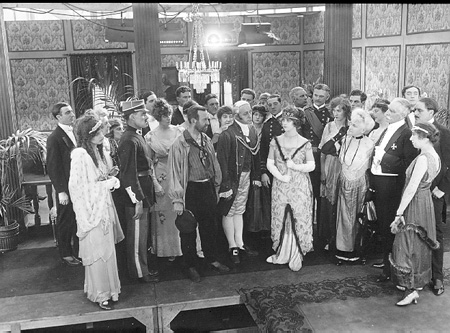
“From the low dive where he had found them conspiring, he shadowed them to the walls of the garden surrounding the ancient palace of the Duc de Sairmuse. Suddenly, the overcoated man lifted the other and dropped him over the wall. Lecoq grappled with the accomplice. By the time help had come, an investigation of the Sairmuse estate yielded nothing. The Duke, just home from abroad, rendered every assistance possible. But Lecoq had formed a definite suspicion—he believed that the Duke and the slayer were one and the same.
“At the same time Lecoq knew that it would be useless to make such a charge against a powerful nobleman. He pondered the situation. A clue presented itself in the conduct of Maurice d’Escorval, the first judge, who, immediately after seeing the prisoner, had been mysteriously stricken ill, and had handed over the case to one of his colleagues. The following day, Lecoq played his last card. A messenger, who insisted upon delivering a letter to the Duke in person, was received by de Sairmuse. The note was signed M. d’Escorval. It stated that the judge, on recognizing His Grace, had shielded him. It also requested a loan of money, and the grateful Duke sat down immediately to pen a reply. He had written some dozen lines when the letter was snatched from him. Lecoq removed his disguise. ‘I now have all the evidence I need,’ said Lecoq.
“The nobleman broke down completely. He pleaded with Lecoq. The de Sairmuse name had been at stake. He had risked his life, his honor, for his house, one of the oldest and proudest in France. The Duchess Cecile was a woman of humble birth, but their marriage had been happy until de Sairmuse had come upon a blackmail letter commanding her to bring a large sum of money to Mother Chupin’s inn, under penalty that her husband ‘learn all.’ He had followed his wife on the appointed night, reaching the inn just in time to see two rough characters attack her and drag from her ear one of her diamond earrings. The Duke had gone to Cecile’s rescue, and in defending her and himself, he had shot down the two blackguards, one of whom he then learned was his wife’s brother, a convict. ‘So, the honor of the de Sairmuse name now rests with me?’ said Lecoq, as His Grace finished speaking. Then the detective turned, and throwing the incriminating letters into the fire, held out his hand to the Duke.”
Summary from Reel Life · 14 August 1915