The story
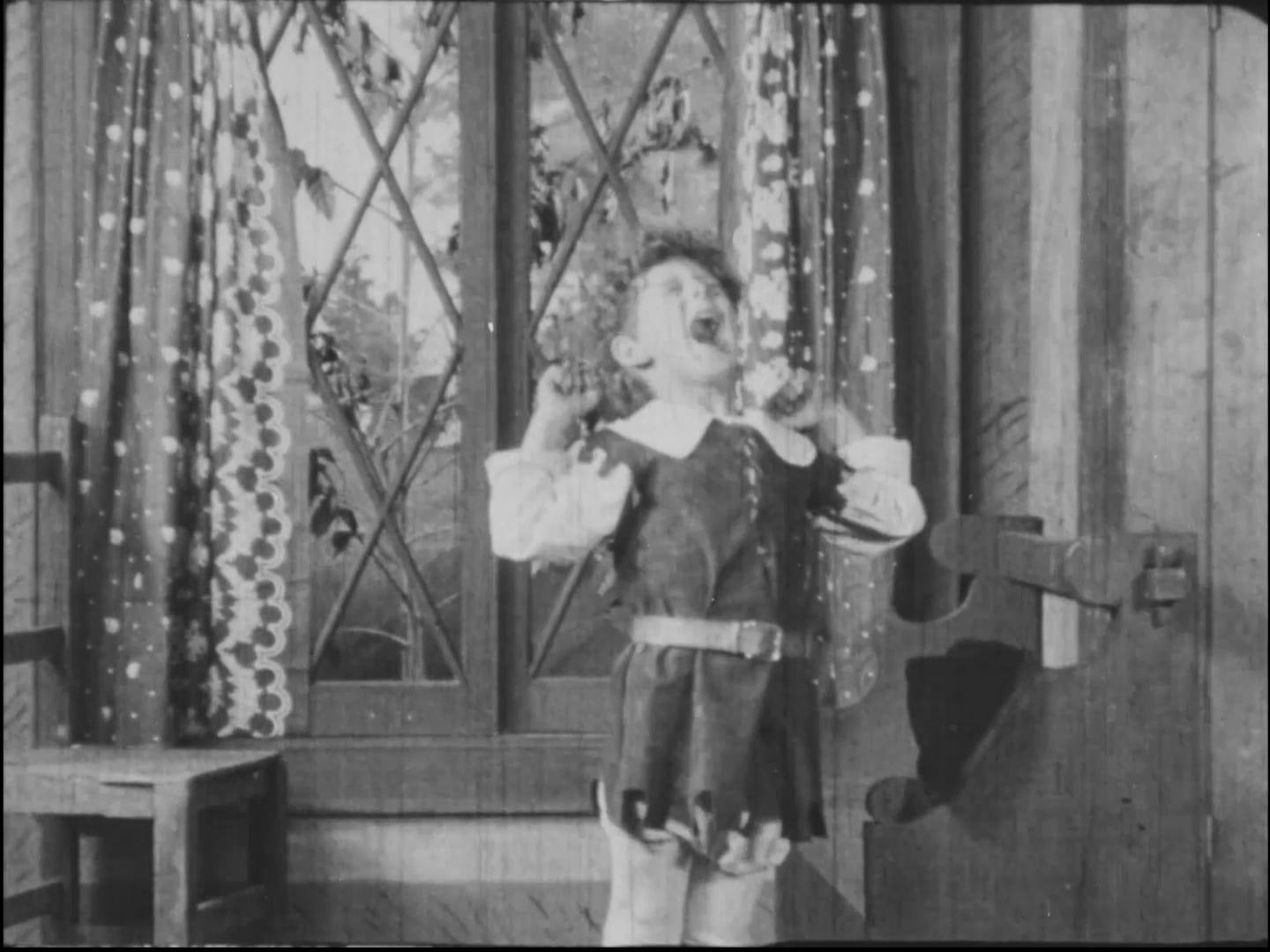
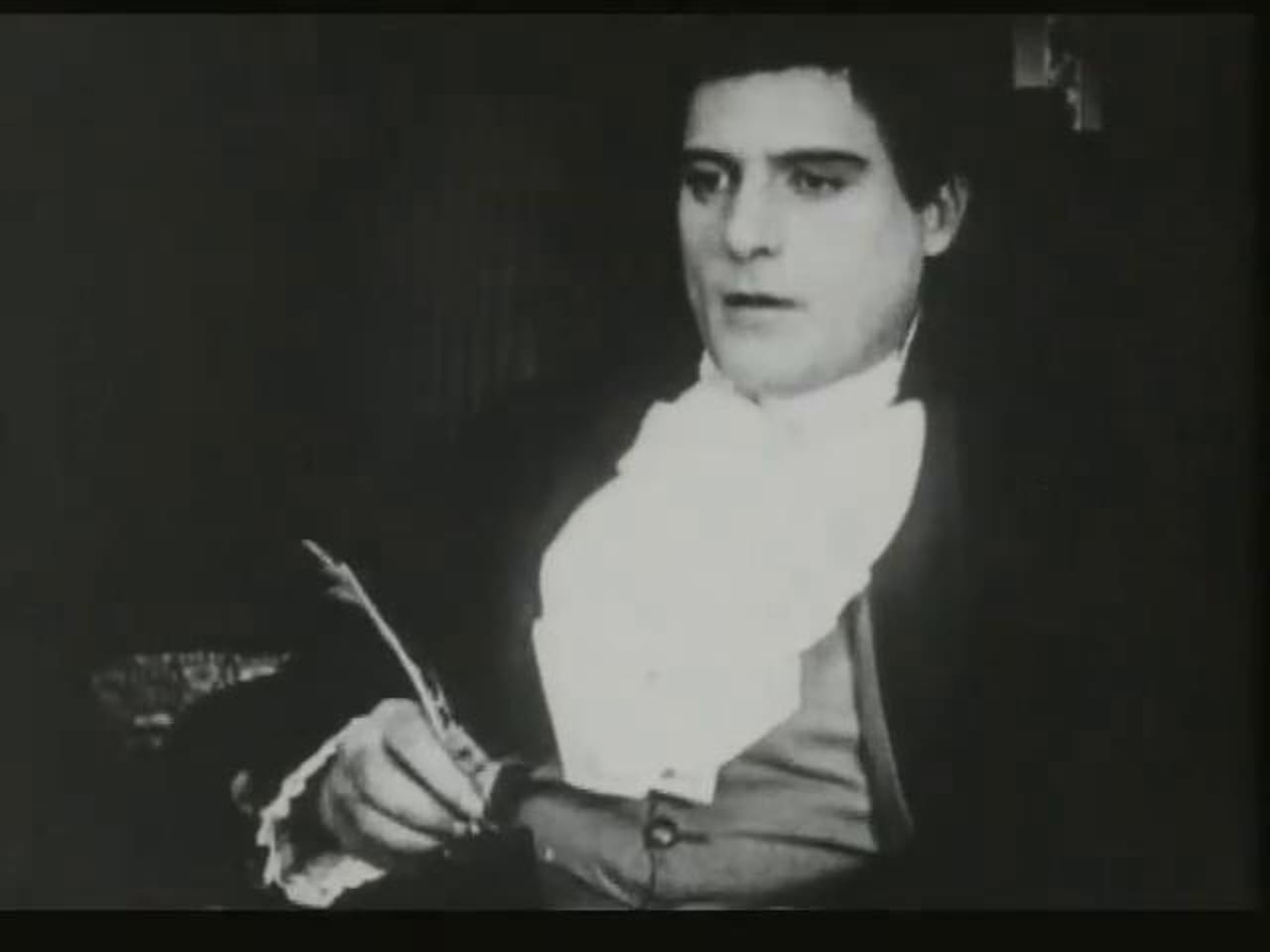
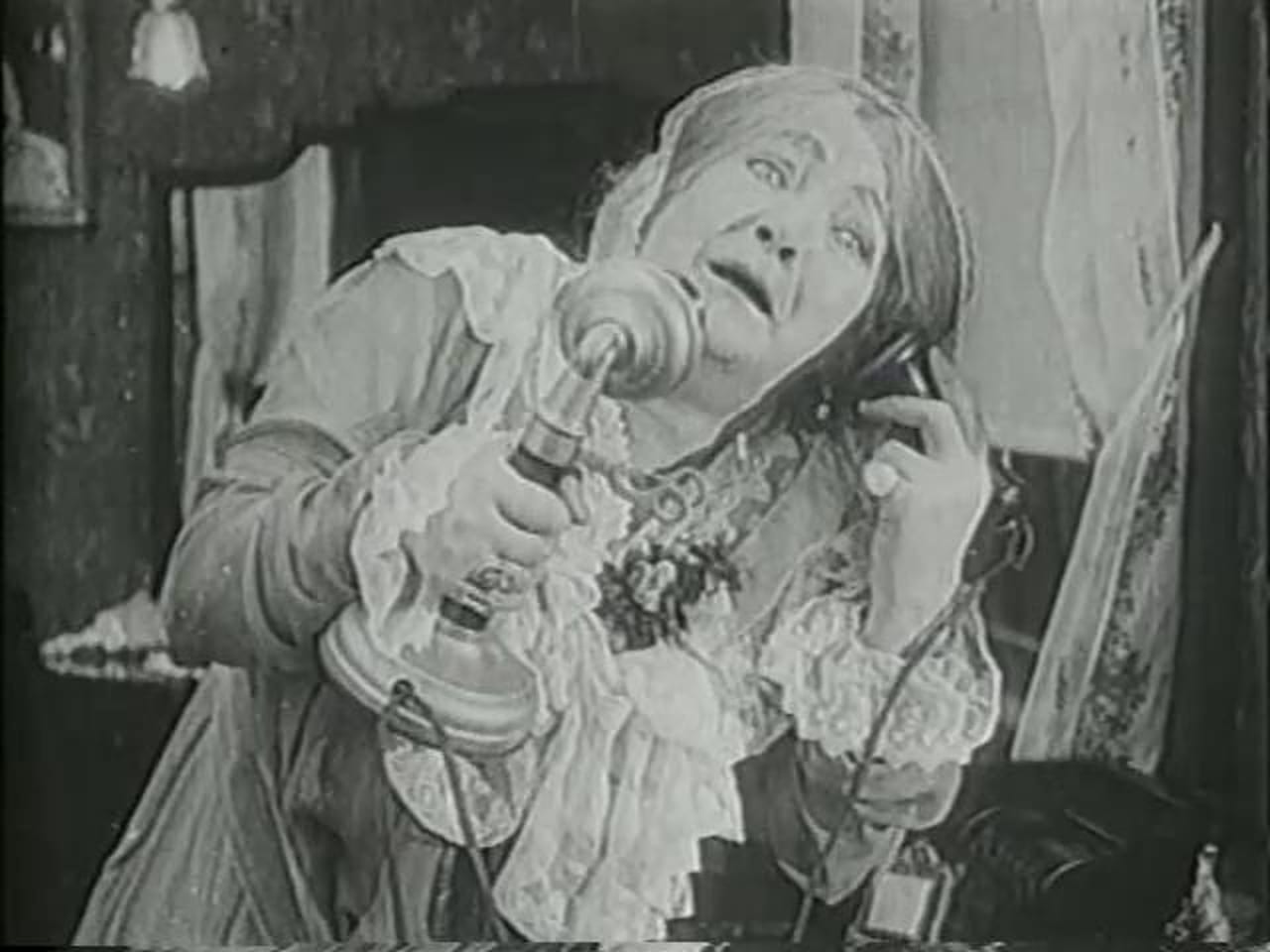
“Edith Davis is elated to receive an invitation to a ball. She tells her mother that she must have a new gown for the affair. Mrs. Davis tries to persuade Edith that one of the dresses she has will do, and finally tells her that she must take up the matter with her father. Peevish and impatient at this, the young girl is unkind to Dick, her brother. Later, she wheedles her father into promising her the new dress. Going to her room, triumphant, she gazes at herself in the mirror. Suddenly she sees over her shoulder a little old woman. The stranger explains that she is Conscience and that she is troubled and unhappy. Then, in the glass, Edith sees the girl she really is—not at all beautiful, for her face is spoiled by selfishness. One scene after another passes—showing the many acts of self-sacrifice made for her by her father and mother, and her unfeeling acceptance of everything Edith’s behavior that evening is radically changed. She sends her mother out of the kitchen and gets the supper herself. She makes up her quarrel with Dick. She tells her father that her old pink dress is quite good enough for the ball. That night, when she goes to her room, in place of the wrinkled old woman, a fair little girl appears in the mirror. She also is called Conscience—only Edith has made her happy now and untroubled. And then, in the glass, the young girl sees her own face, smiling and beautiful.”
Summary from Reel Life · 29 May 1915