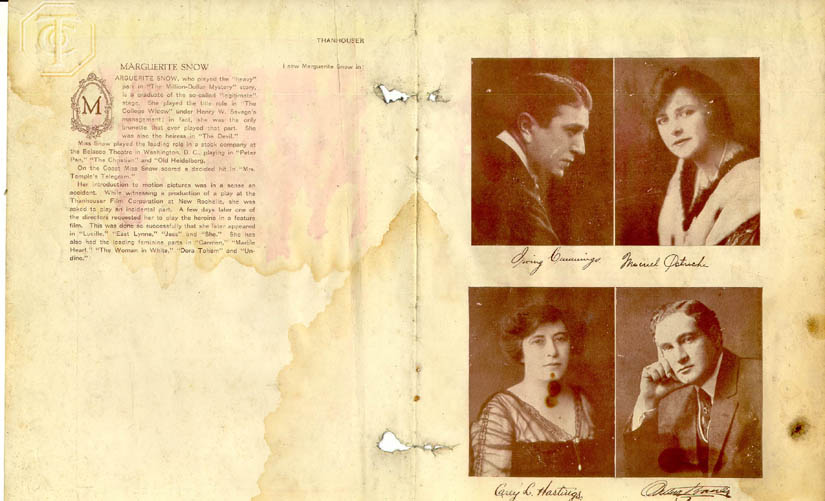
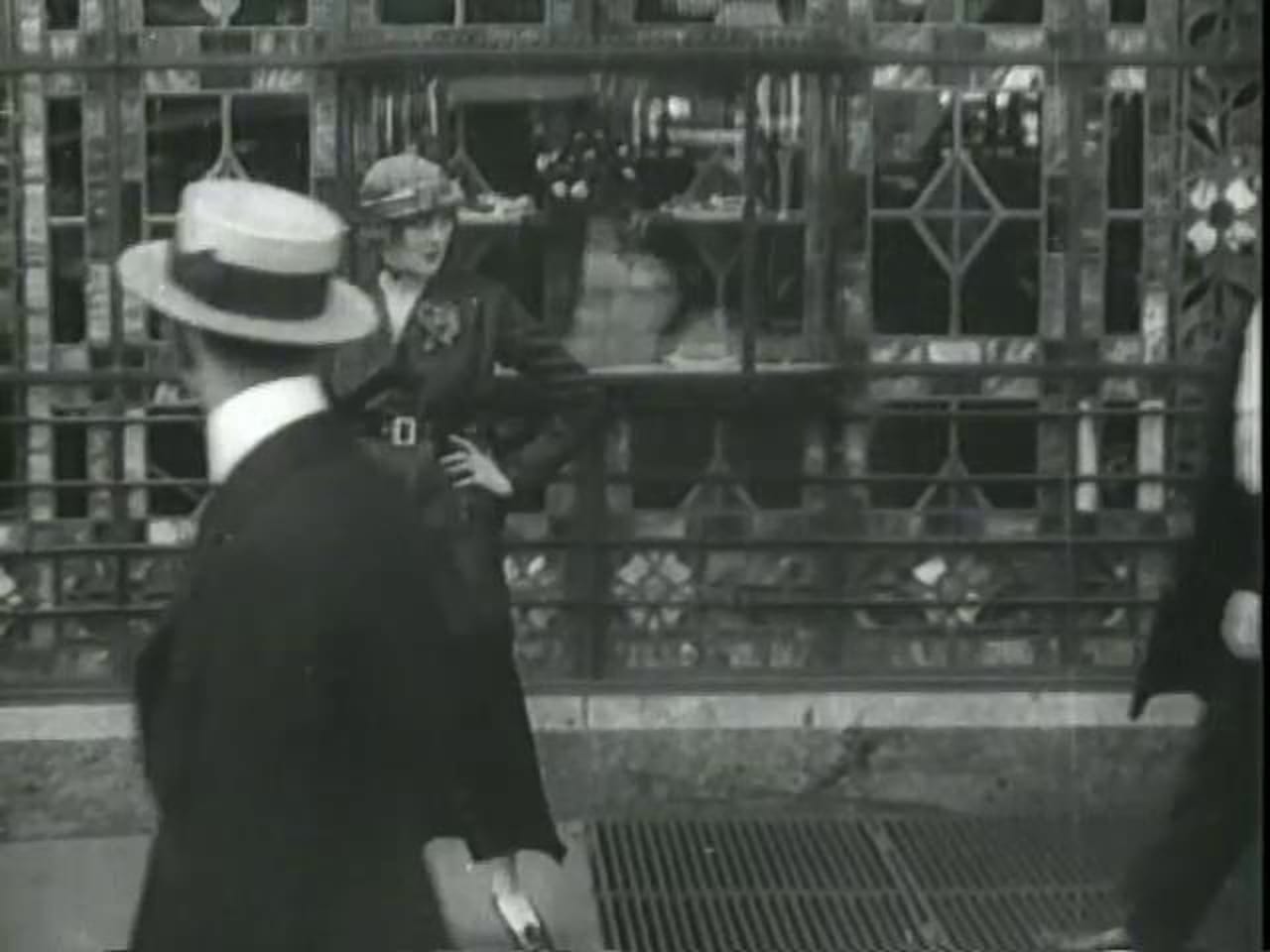
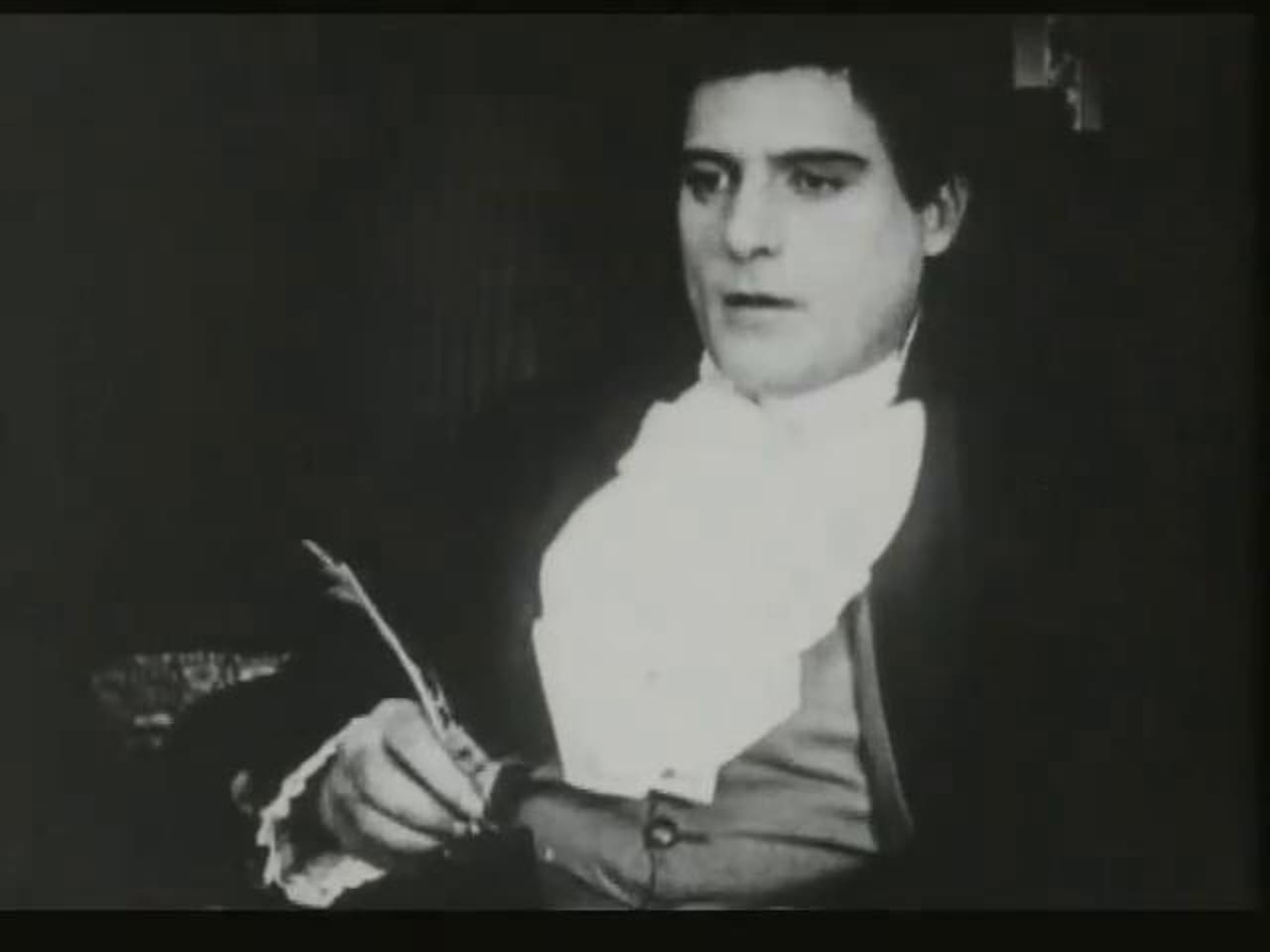
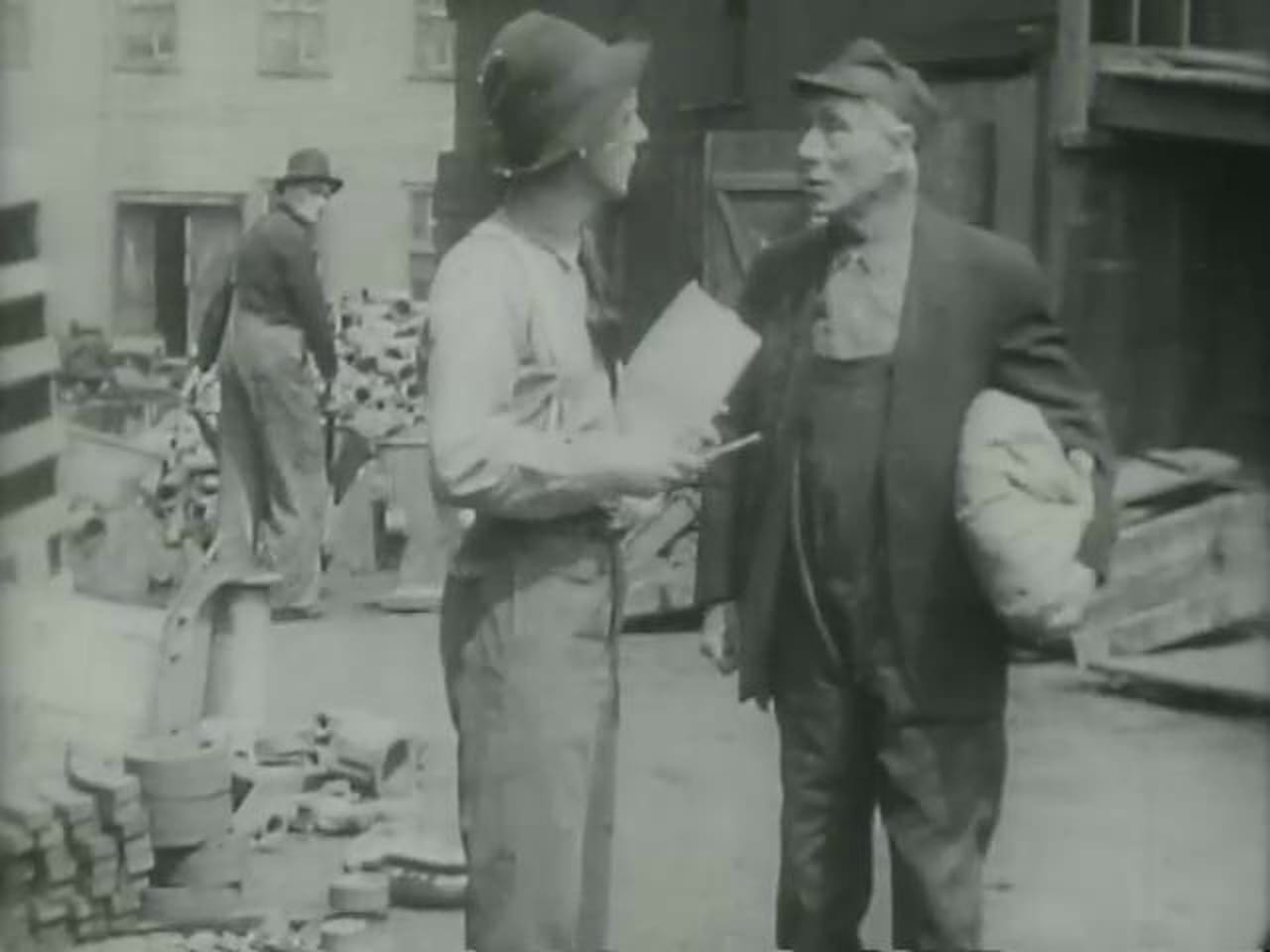
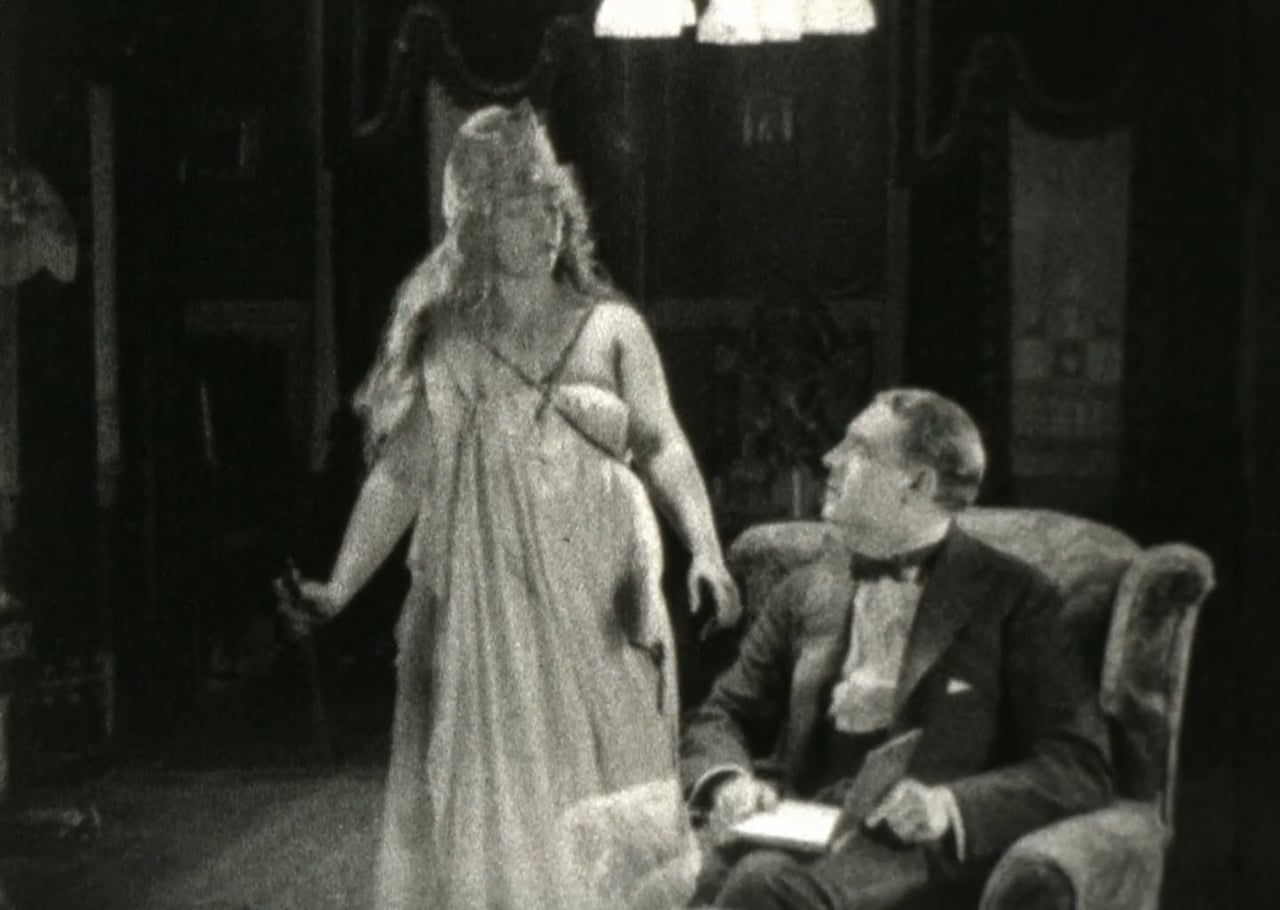
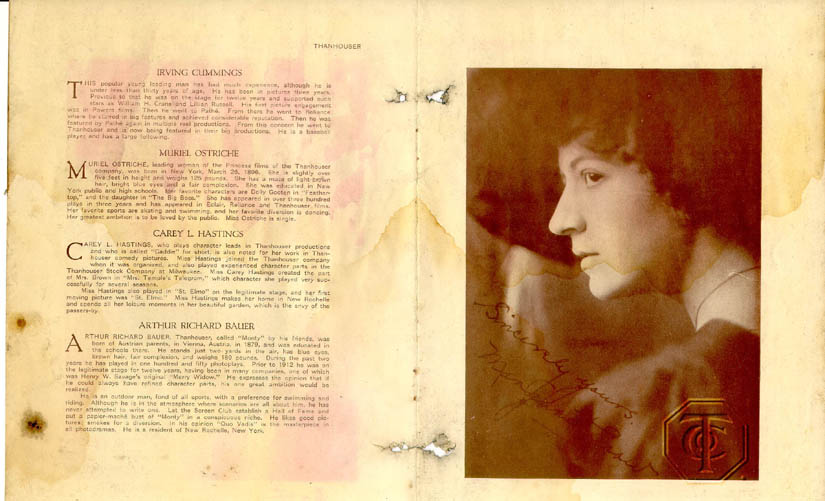
Carey L. Hastings (Carey Tidball), a sister of Mrs. Edwin Thanhouser, was an actress with Thanhouser from its organization until its end and was often featured in publicity.
Carey L. Hastings was the stage name of Carey Tidball. Born in New Orleans, she lived there until the age of five, when she moved with her family to Brooklyn, New York, where she was educated in public schools. After graduation she expressed an interest in serving in the Red Cross in the Spanish-American War, but settled for work at the Long Island College Hospital. The first time she gave a patient medicine, he bolted from his bed and jumped headfirst out of the window, killing himself upon impact. This experience motivated her to seek another career, and she turned to the stage, where her sister, Gertrude, had achieved great renown as a child actress in Editha’s Burglar, Little Lord Fauntleroy, and other plays.
She joined Edwin Thanhouser’s stock company in Milwaukee, with whom she was seen as Mrs. Brown, the unhappy wife in Mrs. Temple’s Telegram, in St. Elmo, and in dozens of other productions. In Milwaukee, her name was usually listed as “Lulu Hastings” in credits. Carey L. Hastings traveled with stock companies to New York, Atlanta, Richmond, Norfolk, and other cities. In New York she was in Mrs. Temple’s Telegram at the Madison Theatre and was also seen in The Girl From Rector’s, among many other plays. Just before her screen career commenced, she was on stage in New Orleans in Parsifal.
Her film career began with the Thanhouser Company, where she was from the organization of the studio in New Rochelle in the autumn of 1909. She made her screen debut in Thanhouser’s second release, St. Elmo. Although Carey L. Hastings played many roles, she especially enjoyed comedy. In autumn 1912 it was reported that Thanhouser “loaned” her to the Prospect Theatre, in New York City, where she appeared on the stage in the star role in the production of Mother. Her nickname at the studio and elsewhere was “Caddie,” also spelled “Caddy.” She was one of the very few silent film actresses who whispered her lines while acting; nearly everyone else spoke in a normal voice or, if they were accustomed to stage work, spoke very loudly.
Over the years Carey L. Hastings played supporting roles in many films. An article in Reel Life, August 7, 1915, told of her versatility in front of the motion picture camera: “Carey L. Hastings—at the studio they call her ‘Caddy’—began to study fun when she came to the old Thanhouser Stock Company, in Milwaukee. Miss Hastings was one of the first of the clever actresses to leave the legitimate and devote herself entirely to pictures. She can play a lady of quality, an old hag, a spinster, or just one of those impossible women of whom married men complain, with equal success. A versatile character actress, with an unfailing gift for ‘putting over’ the humor, Miss Hastings is a strong factor in the popularity of Falstaff comedies.”
In 1914 she lived at the Pepperday Inn in New Rochelle. In 1915 she was a resident of Beacon Hall, an apartment building adjacent to the Thanhouser studio. According to an article in The New York Star, August 8, 1914, Hastings had worked in films with seven sets of twins during the preceding year, including the Turner boys, the Williams sisters, the Wilson twins, the Thayer twins, the Leonard twins, the Brownlees, and the Fairbanks twins. In the summer of 1917 she was one of the few remaining players in the Thanhouser stock company; thus she was with the Thanhouser film enterprise from the beginning and stayed until the end. When Thanhouser closed down, she went with the Clara Kimball Young Film Corporation (which leased the Thanhouser studio facilities), for whom she appeared in the release of The Marionettes (January 1918).
Carey L. Hastings was 5’5” tall, weighed 135 pounds in 1916 (140 in 1918), and had brown hair and hazel eyes. Her favorite pastimes included tennis, horseback riding, swimming, automobiling, and other outdoor activities. In 1914 and 1915, her garden in New Rochelle, said to have been the envy of all in the neighborhood, was the subject of several newspaper and magazine articles. In 1916-1918 she lived in New Rochelle in Beacon Hall.
Bowers’ own filmography list is left out here: the filmography above lists the same films. Cite as: Bowers, Q. David. Thanhouser Films: An Encyclopedia and History, “HASTINGS, Carey L.” thanhouser.org/research/people/carey-l-hastings/