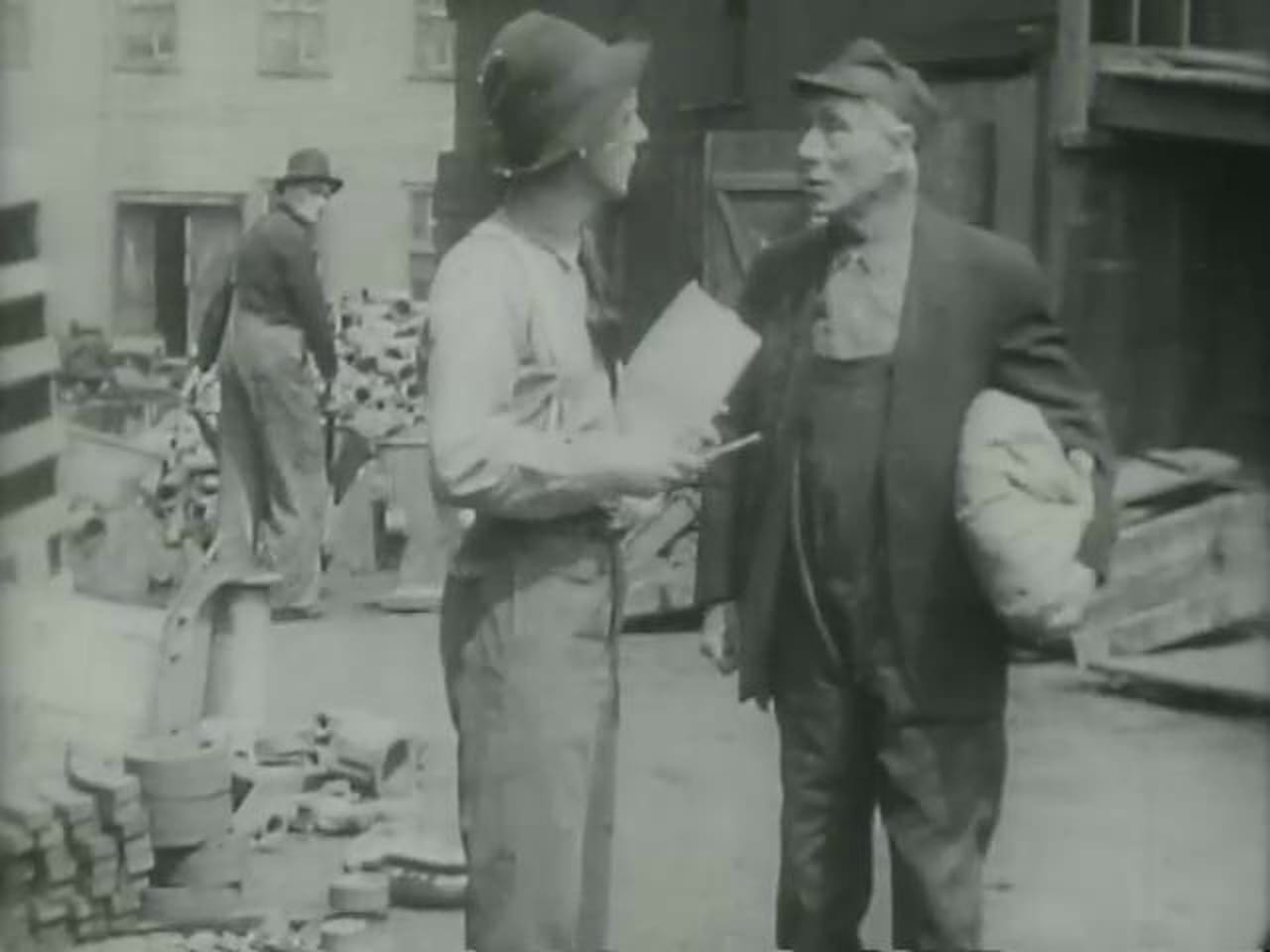
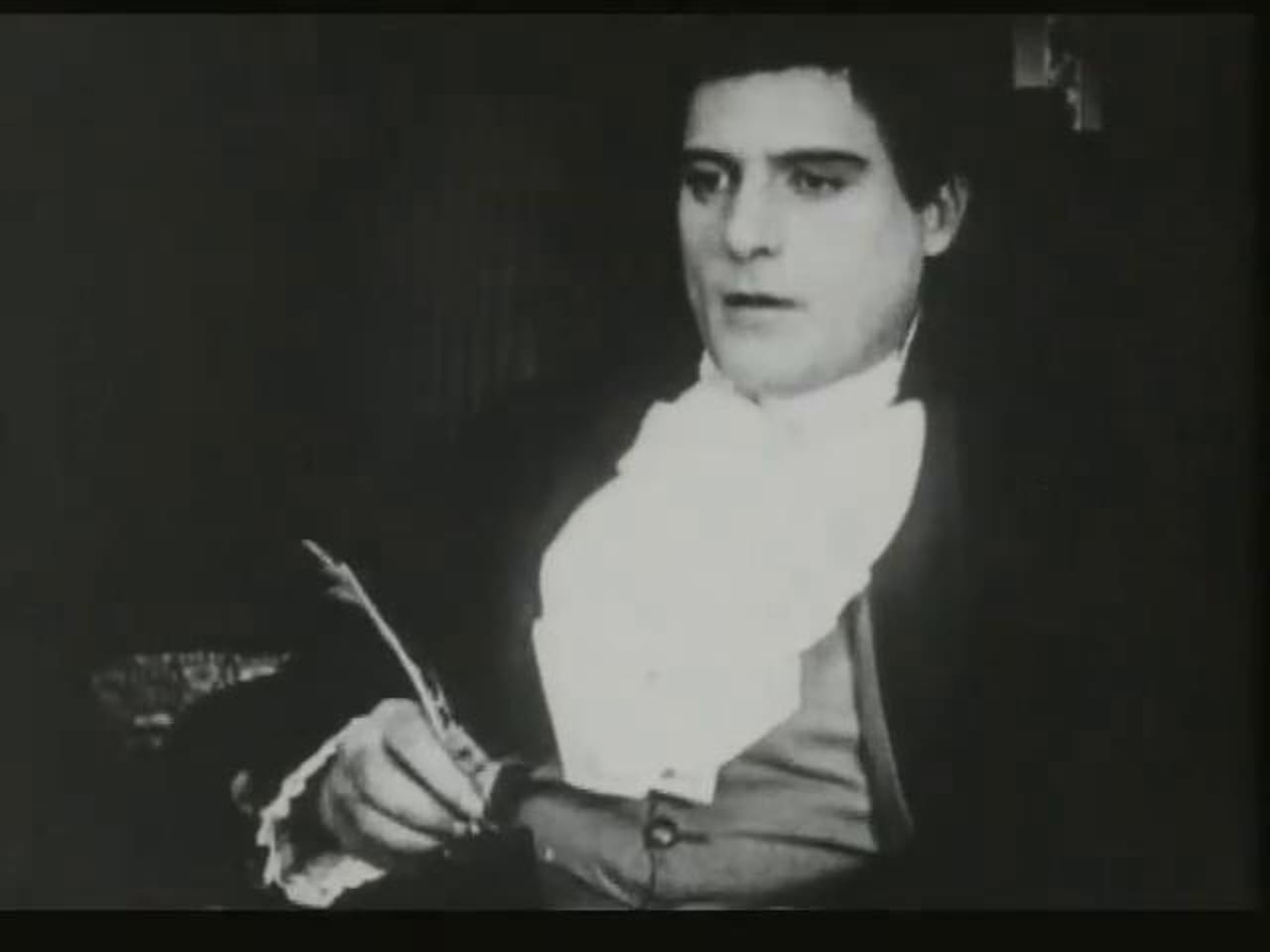
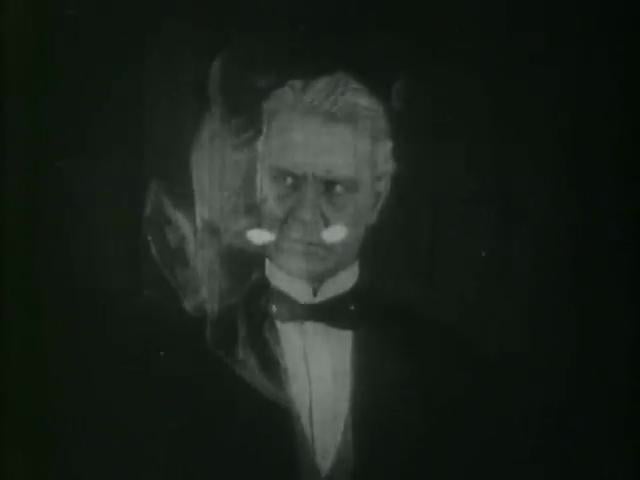
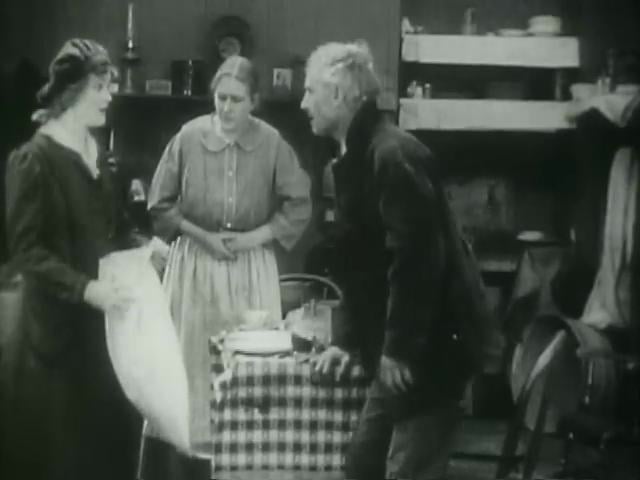
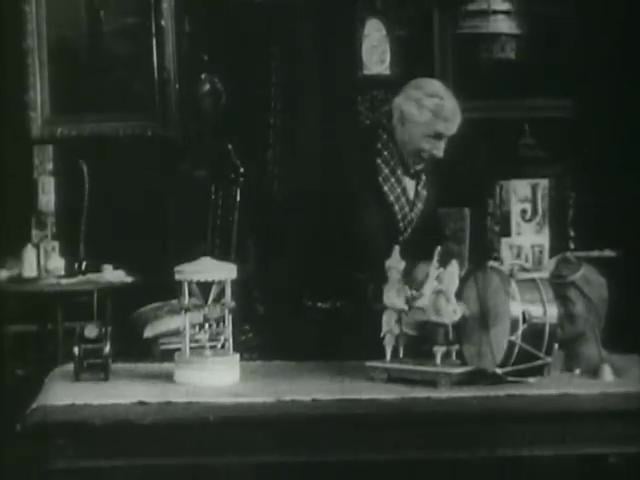
“Once more through a master character portrayal Frederick Warde has been able to bring a plot of ordinary tendencies up to that of a feature of value. Fires of Youth offers a more than average program feature with a consistent plot development, vividly portrayed scenes, well maintained atmosphere, and a cast of exceptional worth. The action of the play is somewhat brisk at the very start, lags considerably during the second and third reels, but reaches its stride during the last. Through the entire production there runs a simple heart appeal that reaches its greatest sympathetic height at the time Billy is brought from the factory badly hurt. Careful attention was paid to detail, especially in the scenes in and about the poor section of the mill town.
“Throughout the five reels the strong and appealing acting of Frederick Warde is ever in prominence. From first to last it is his thorough understanding and power to convince the audience together with his unquestioned artistic ability that occupy the attention of one throughout. Jean Eagels as Billy’s sister presents her part in a pleasing and charming manner, while Helen Badgley as little Billy does better in this production than in any of her previous productions. It is her childlike simplicity and avoidance of all overdrawn kiddish mannerisms that makes her role the valued part that it is. Fires of Youth is a typical Thanhouser production well worthy of the attention of the exhibitors who are looking for clean cut stories enacted by capable casts, but in this release the producer goes a step further and besides offering a well directed and sympathetic story there is also added a new little star that is gradually becoming one of the strongest box office attractions of today. There is no doubt but that The Fires of Youth is a meritorious photoplay.”
REVIEW by Frances Agnew, The Morning Telegraph, June 3, 1917:
“Fires of Youth is a typical Thanhouser release. Its plot concerns real people, not the people in the slums nor in society, but the great middle-class folk who toll in the factories, make happy, modest homes and to the best of their ability live. It is a story that holds by its sympathetic human interest rather than strength of plot or development. It is not designed to thrill, but to appeal by its picturization of the life of a toiler and to entertain by its human situations. It fully achieves this purpose and is a feature that will win on any program, having a special interest for every age. Peter Pemberton has missed the joy of living by his ceaseless grind for money. He denies every right of the workmen in his mill and forces them to drop their strike. Finally he realizes that he has had no youth, no play time, but when he tries to relax he finds he has forgotten how to play. He returns to his old home in the little factory town, and there little Billy, the son of one of his workmen, teaches him how to play without realizing that he is touching the heart strings of Iron-Hearted Pemberton. Billy’s sister Rose is in love with Jim, but after his brother has been brought home another victim of the unsafe factory conditions, Jim tells Rose he cannot ask her to become his wife and live under such worries. At the suggestion of Billy, Pemberton becomes an ordinary employee in his own factory and, as Peter Brown, knows and lives among people whom he holds with his iron hand.
“He realizes that Rose has that which he has lost—youth—and for a moment dreams of making her his wife. This is the only jarring note in the story, but he soon realizes that she loves Jim. He increases their wages and makes plans for safety devices. When he fails to go to the factory little Billy undertakes to do his work. He is badly burned in the explosion of a furnace. The men, thoroughly aroused, draw slips to see who shall kill Pemberton for revenge. Rose, drawing for Jim, gets the marked slip, but Pemberton takes it from her. Rose saves him from himself and the old man brings happiness where before he had ruled with cruelty. An excellent cast, with three to be featured, capable direction and good technical details, make Fires of Youth a commendable film. Frederick Warde does his usual finished work, Jeanne Eagels is a different type, attractive and pleasing, while Helen Badgley holds a big share of the interest around herself as Billy.”
REVIEW by Edward Weitzel, The Moving Picture World, June 16, 1917:
“The opening scenes of Fires of Youth, a five-reel Thanhouser production, featuring Frederick Warde, and written by Agnes C. Johnston, are impressive and give promise of a truthful and well sustained tale of life among the workers. During the action of the drama, however, it undergoes several lapses from a logical development of character drawing and narrative in order that the iron-hearted Pemberton, a steel king noted for his utter disregard for the welfare and safety of some employees, may learn how to play and, incidentally, learn the greater lesson of his duty to his kind. Pemberton is lead by the little son of one of his employees and disguises himself as a workman and obtains a position in his own works. In this way he is made to realize that the lives of his workers are being sacrificed by his neglect and, the state being without factory laws, apparently, he proceeds to do his duty in the matter.
“The motive of the play is excellent, and it has many of the natural touches its author does so well. The theme, however, is worthy of a more consistent handling. Frederick Warde’s efforts as Pemberton do much to make the part acceptable, and he enters into the spirit of both the comedy and the serious scenes with equal ardor and skill. Jeanne Eagels is natural and pleasing as a pretty and wholesome young factory girl, and Helen Badgley, who used to be one of the cute Thanhouser kids, shows marked ability as a ragged but quick-witted small boy. Ernest Howard and Robert Vaughn are well cast.”