The story
“Through the efforts of a child the woman, who is fast going the downward path of life, is reformed and becomes a faith healer. A mountaineer, whose wife is a cripple, brings her to the healer, but her power is gone. Just as the husband is about to kill the man responsible for her injury he sees his wife walk and all ends well.”
Summary from Exhibitors Herald · 25 November 1916
Another synopsis, from The Moving Picture World · 25 November 19166 min
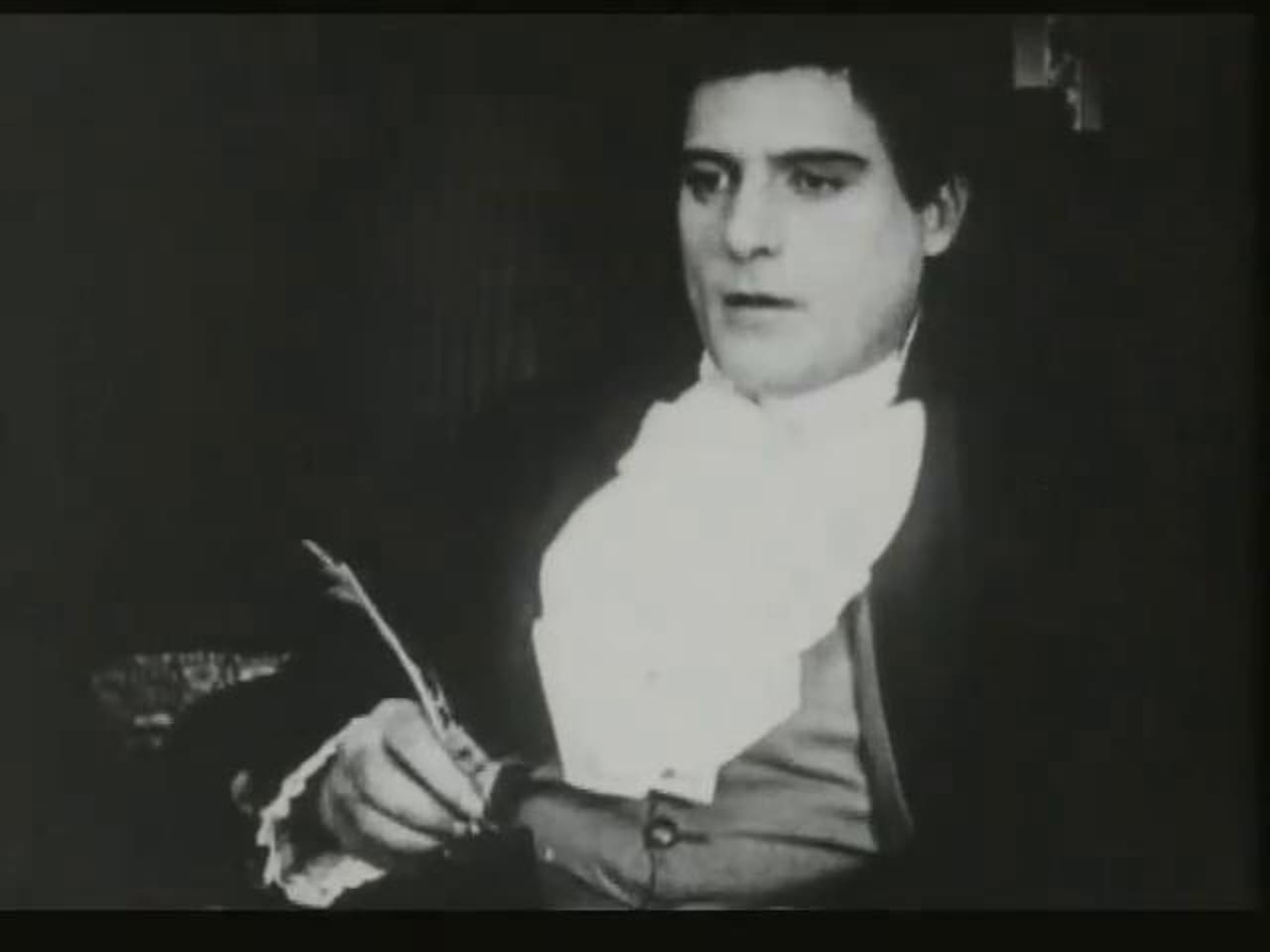
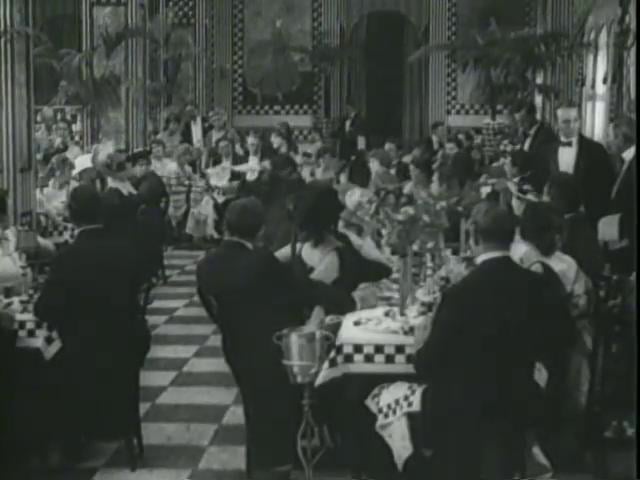
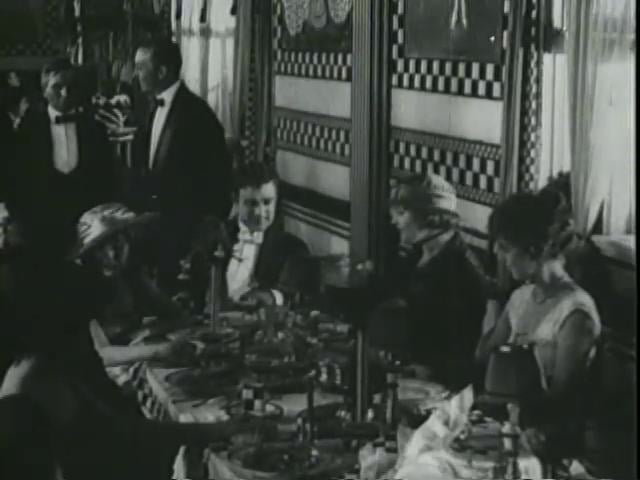
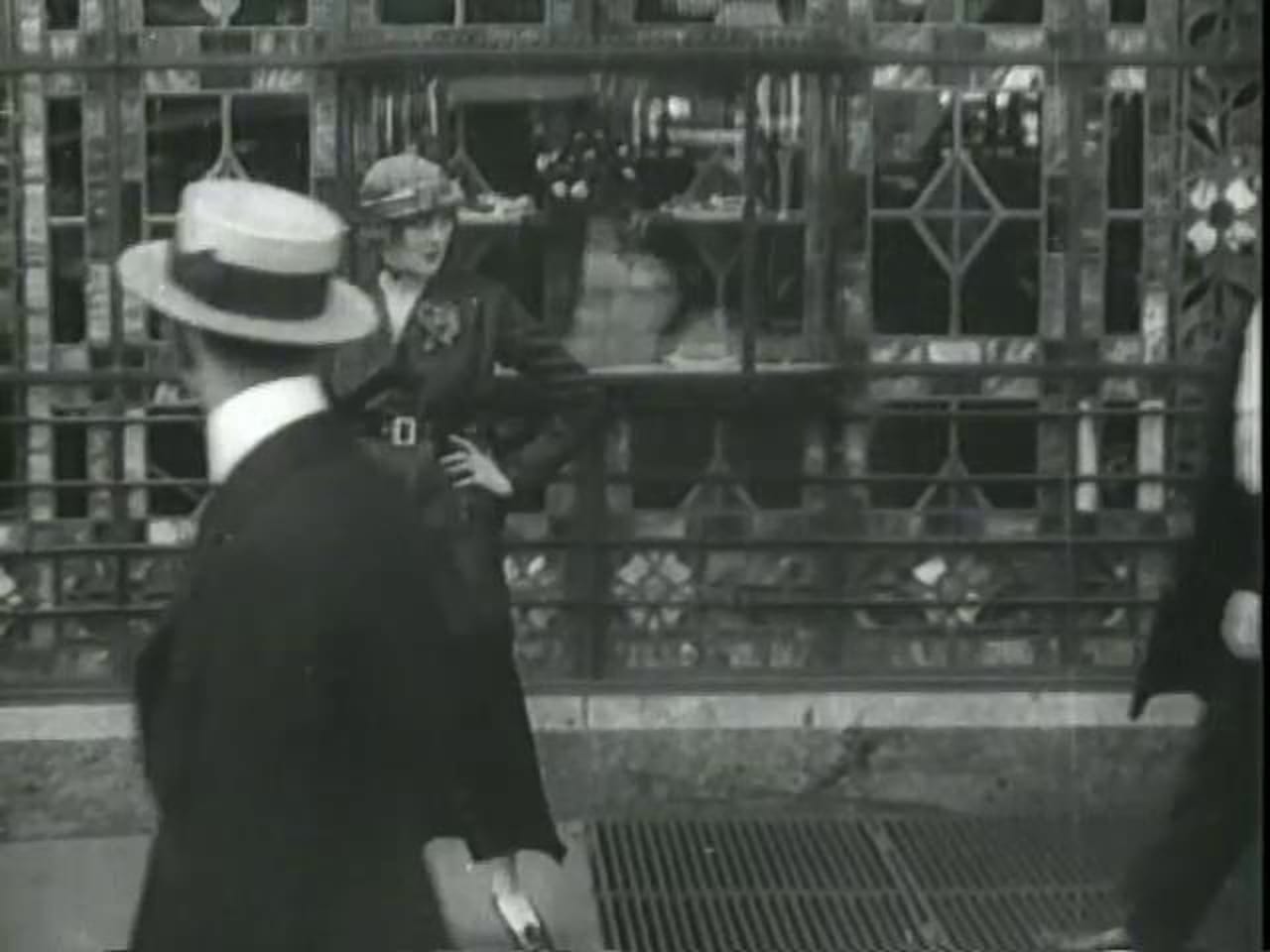
“A gay dinner party took place in one of Broadway’s showiest restaurants. The host was the bachelor of wealth, and his guests included men of his own station in life, and young girls caught in the whirlpool of gayety. The bachelor told the young girls that the keeper of his mountain lodge had advised him by letter that she requires the services of a maid, and he offered the proposition to the girls, and they refused. A face then appeared at the window of the restaurant. It was the face of a woman who had been cast aside. The girls told their host to offer the job to her. Being in a mood to take the advice, he hurried from the restaurant, overtook the derelict and brought her back with him. The woman was starving and accepted the position in the mountain. Her past life was recalled to her that very night, for one of the guests in the restaurant was a man who had made her what she was.
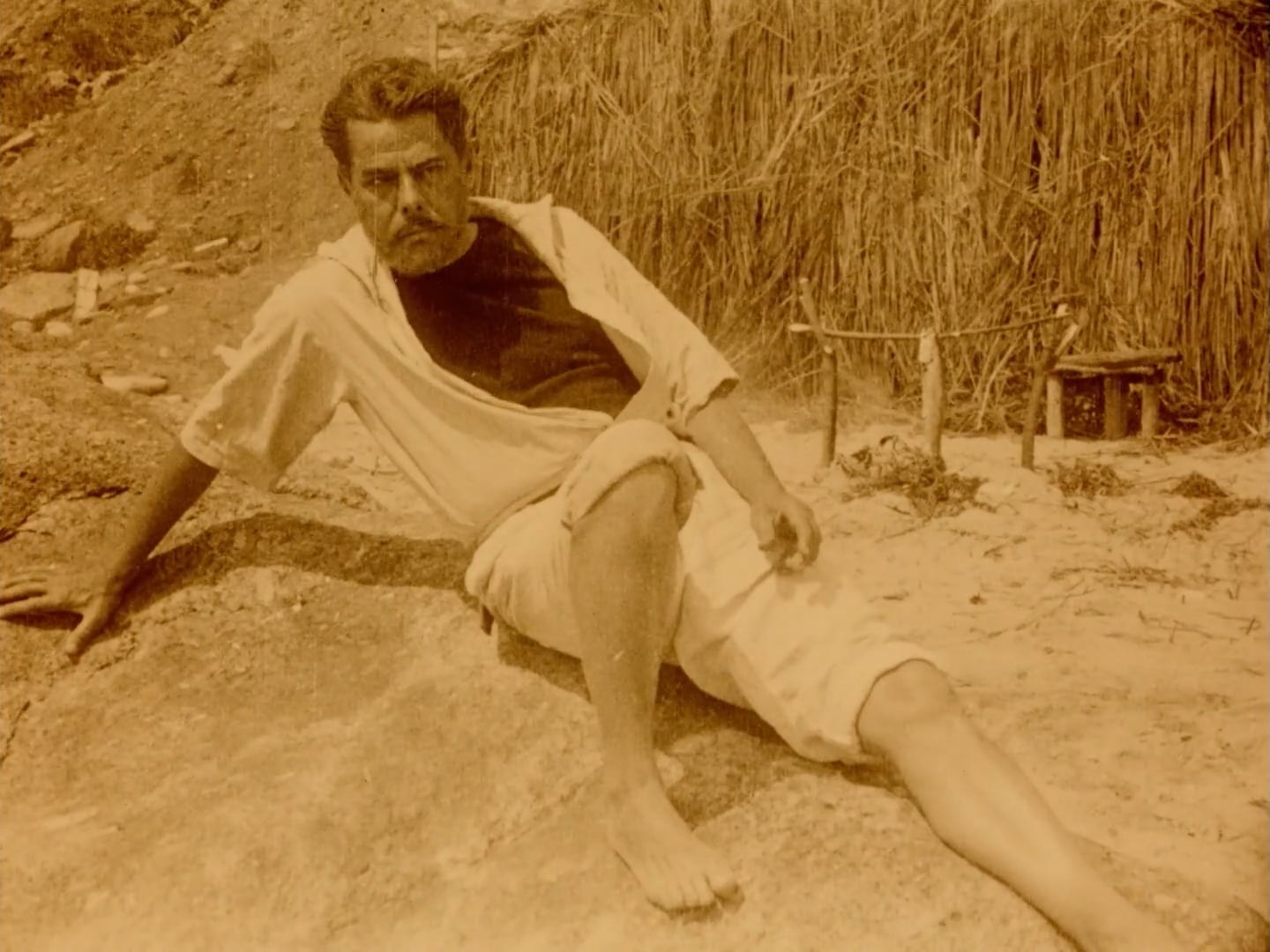
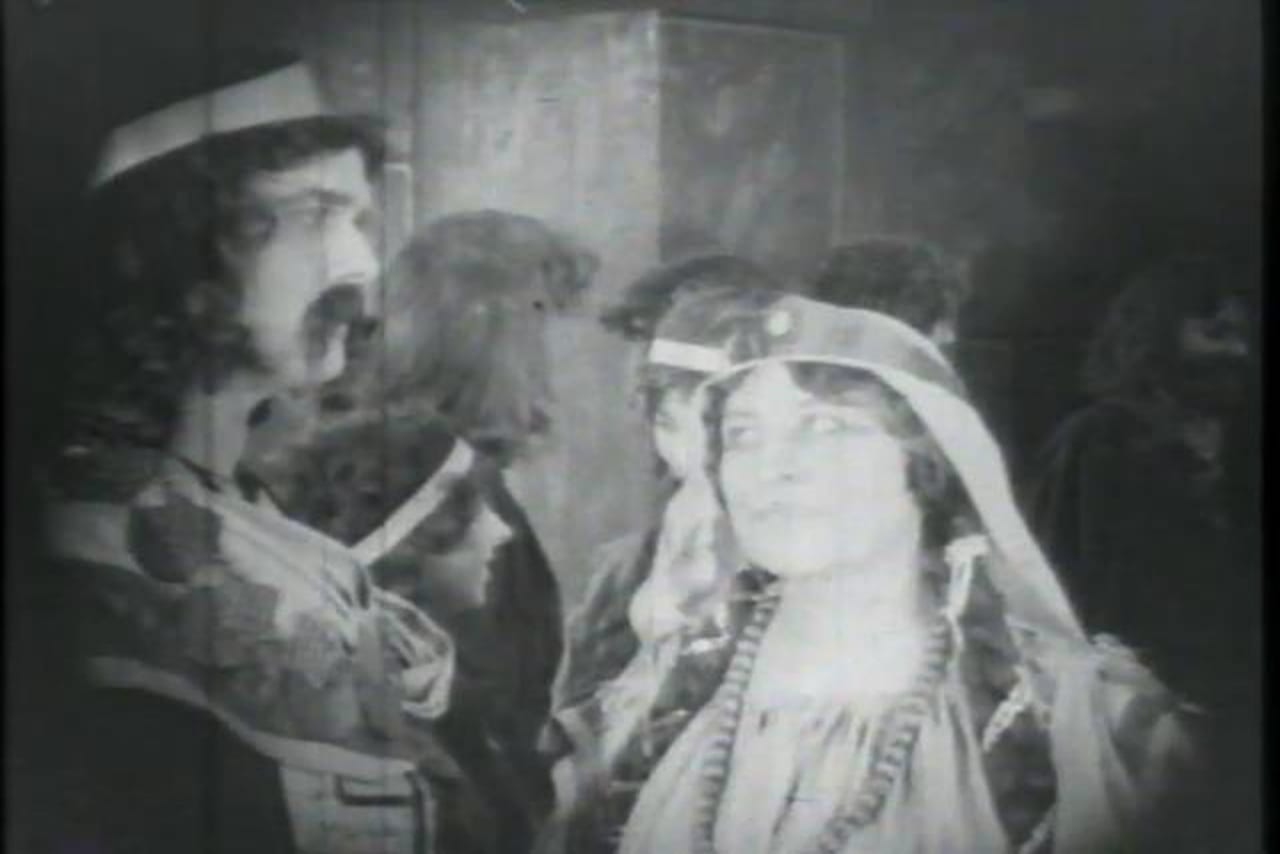
“In the Adirondack Mountains the woman found life quiet, but a chance acquaintanceship with a family in the valley marked another change in her life. The family (a man, his wife and little daughter) took a liking to the maid and induced her to attend services at the village church. The weeks passed, then the owner of the lodge arrived from the city with a number of his friends. Instead of the forlorn outcast whom he had sent to the mountains he found an attractive woman, but one who would not listen to his advances. Angered by her attitude, her employer tried to force his attentions upon her. She then left the lodge and went to the home of the little family, where she was welcomed.
“Some days later the little daughter was accidentally injured. The doctor declared that her spine was broken and, despite all his efforts, the child steadily sank until her life was despaired of. The outcast prayed for divine help, and as she prayed it seemed to her that she was told to heal the child. Strengthened and transfigured by her religious devotion, she accomplished what the doctor had failed to do. The woman’s power soon became known and was as effective with other invalids as it was with her first patient, while at the mountain lodge its worldly owner laughed cynically, as he thought how these respectable, narrow-minded people reverenced a woman whom they would despise if they knew her past. From the city the man came who had blighted her life. His friend at the mountain lodge had written him about the woman’s new career. He came to sneer, but soon learned to respect and honor her.
“But one day the woman failed for the first time. A mountaineer brought his wife, a cripple for several years, to be cured. The owner of the lodge threatened that he would reveal the outcast’s past life. Realizing that he would keep his word, the woman’s great faith disappeared. While the assembled people were still discussing the failure of their idol, her former employer told them what this woman had been before she came among them, and they recoiled from her in horror, all of them except the man who had been her first enemy and had now become her friend. He asked her to marry him, and she refused, going out into the world alone. The old bitterness did not return to her and she prayed for guidance. It seemed to her that she was told to make the cure which she had failed to achieve, and she set out for the mountaineer’s cabin. The mountaineer’s wife had been crippled by a racing automobile, and that day the owner of the mountain lodge told her husband the name of the man who had driven the car. It was the man who had asked the outcast to marry him.
“The mountaineer decoyed the guilty man into the mountains, and there a fight took place between the two men. The man from the city was no match for the mountaineer. He was about to be hurled into the chasm when he beheld a sight which caused him to forget his vengeance forever. His wife was walking down the mountain path toward him. And with her was the healer, the woman who had failed. Realization came to him as his wife told him of the great cure, and he thanked the woman whom he had misjudged. Happiness has come to the outcast as the wife of the man who made an outcast.”
REVIEW by Agnes Smith, The Morning Telegraph, November 5, 1916:
“The World and the Woman tells of a girl of the streets, who, transplanted from Broadway to the hearts of the Adirondacks, is redeemed and becomes suddenly invested with miraculous powers of healing the sick. A man who wants her for his mistress tries to break her power by destroying the faith that the country people have in her, but in the end the girl triumphs over her enemies and doubters. If you grant the hypothesis upon which the developments of the plot are based then The World and the Woman will prove convincing; if you don’t, you will have to be lenient when the girl from the streets restores a mortally injured child to life and health. But whether you believe in what it is teaching or not, the story will interest you; its appeal is strong and its missteps are easily forgiven because they are on the right side of the road.
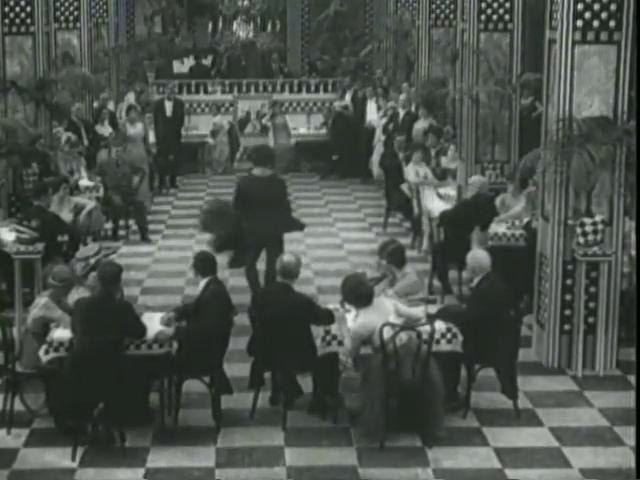
“One of the biggest reasons for the picture’s appeal is Jeanne Eagels, who is splendid in a trying role. She is pretty and has screen personality, while the sincerity of her acting goes a long way toward making the story convincing. The acting of the rest of the cast is consistently good and the players are thoroughly in the spirit of the religious story. The exteriors are well chosen and the cabaret scenes in the early part of the picture are elaborately staged.”
REVIEW by Margaret I. MacDonald, The Moving Picture World, November 18, 1916:
“In the construction of this story Philip Lonergan used as his basic idea the difficult part of a young woman in the city. While he does not impose the harrowing story of her downfall, he shows us in a series of effective scenes what is evidently the second stage of her career in an unwholesome atmosphere, where a friend of the man who caused her to be an outcast. A man of wealth, and a lover of wine and women, offers her what seems to be an avenue of escape. The necessity of a competent maid in his country home brings the woman in touch with nature and the people who live close to it. The arrival of her proprietor with a bevy of his butterfly associates advances the situation in which the pretty maid again falls under the clutches of the licentious man. After a struggle, which ends in the man having his face soundly slapped while his friends look on and jeer, the woman rushes out into the world again, and eventually becomes a faith healer.
“The wisdom of this latter development may be questioned. Miss Eagels with sufficient spirituality of expression to suggest the manifestation of divine influence, has not the forcefulness of personality which seems to be required for the successful impersonation of such a character. It is exceedingly difficult to make a story of this sort convincing. This picture, which was made at the Thanhouser studios, has been supplied with pleasing settings, many beautiful out-of-door locations being used. Special mention is due the restaurant sets, with glimpses of cabaret performances, which have been used early in the production....”