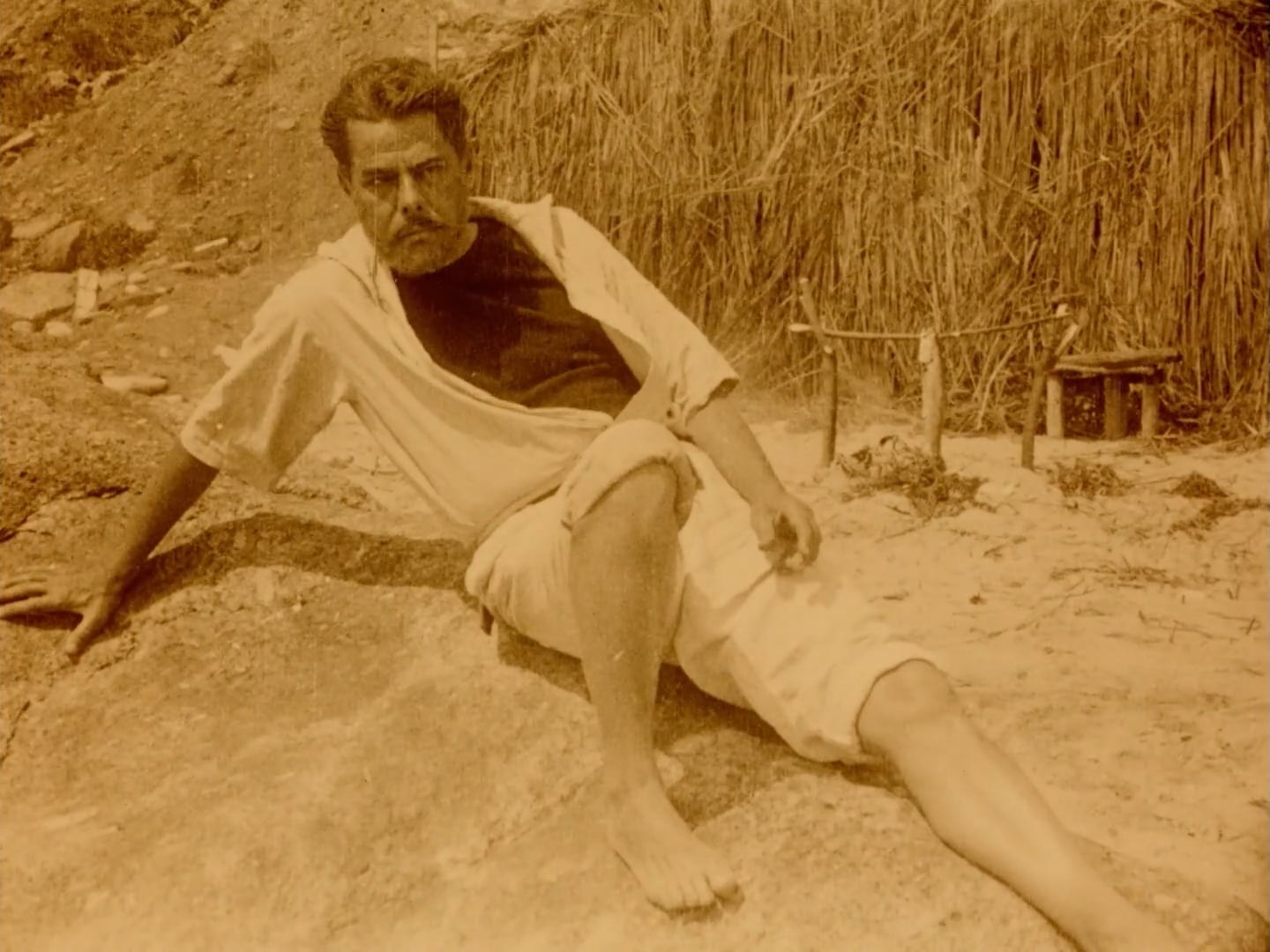
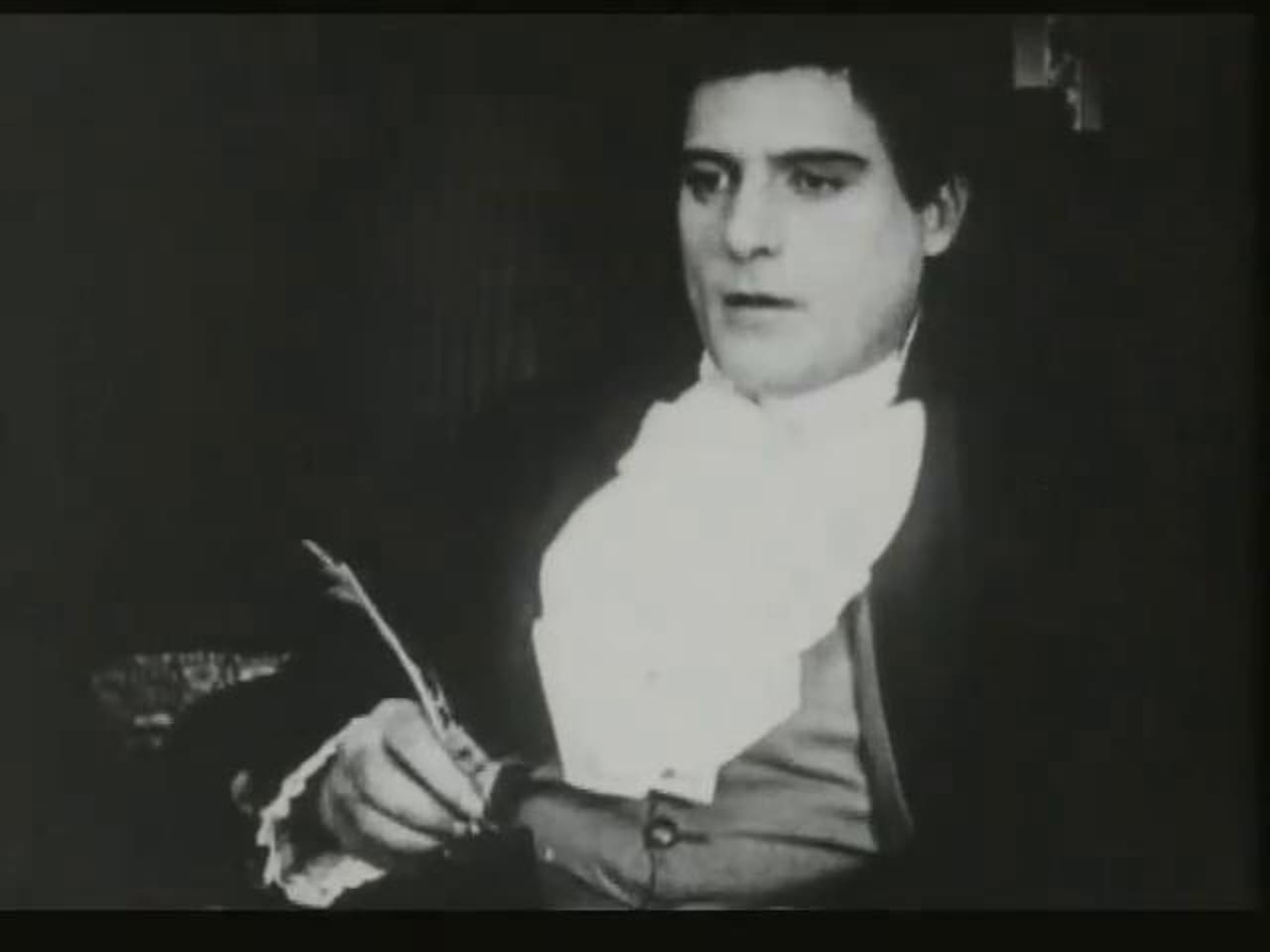
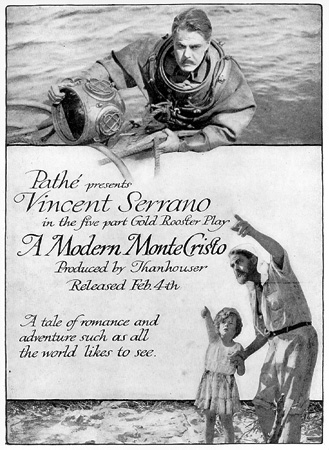
“A novel beginning, but lacking the suspense to carry the story through to the final reel, are the two most characteristic effects produced by this feature. The outcome of the story is evident after the passing of the first reel. The romantic element has been placed too much in the background, which lessens the appeal of the plot to a vast degree. The photography, scenes and settings are all realistic and exceptionally well staged. The story is advertised as a modernization of the old novel of The Count of Monte Cristo, and in this respect it is evident that the modern day version lacks many of the thrills and suspense found in the picturization of the old novel some years ago. The interest of this modern version is spasmodic. As Doctor Emerson, Vincent Serrano makes the most of his difficult role. Boyd Marshall as Tom Pemberton has little to do, while Gladys Dore proved expressionless. Helen Badgley added quite a little to the cast. The feature avoids entirely any attempt at the sensational, making it a fair attraction for community houses, and, although it cannot be compared to the dramatic adaptation from which it takes its name, still it contains enough entertainment for the average audience.”
REVIEW by Dickson G. Watts, The Morning Telegraph, January 21, 1917: This review is reprinted in the narrative section of the present work.
REVIEW by Laurence Reid, Motion Picture Mail, February 3, 1917:
“If The Count of Monte Cristo was adapted to the screen and used in its entirety, no doubt it would exact months in its consummation and somewhat tax the financial resources of the producers. But in their modernization of Dumas’s idea, those connected with its production have used just the underlying theme of the novel, namely, revenge, and provided a vivid, colorful tale and one almost as elaborate in presentation as the transference of the original story might be to the screen. It is a moving story and that after all is the final test of any picture. It is all very well to talk about the intellectual and psychological photoplay, but, if it lacks action it is apt to prove boresome. Physical action and plenty of it must be the dominant aim of all film directors, and W. Eugene Moore in A Modern Monte Cristo has utilized this policy most successfully. He has supplied his background with appropriate settings. A fine atmosphere of the sea is conveyed in the utilization of old sailing hulks as the base of his hero’s operations. The lighting and photography is praiseworthy, particularly the scenes in which the storms figured.
“The story concerns the life of Dr. Emerson, who was transformed from a man of kindly virtue into a revengeful character by the treachery of his supposed friend, Deane. His business ruined, his love stolen and a fugitive from justice on a false murder charge, he indeed presents a tragic figure. However, the opportunity to strike the instrument of his misfortunes doesn’t occur until Deane’s little girl chances to board the ship on which he is a sailor. Ultimately they reach a desert island, when the vessel founders in a storm, and there it is that an aeroplane discovers them. Emerson sends the little girl back in the machine with the dreaded warning of revenge pinned upon her. He will strike through the child at the proper time. After ten years, the doctor-sailor thinks the moment ripe to gain his ‘eye for an eye.’ Being immensely rich, he enters the arena disguised as a prosperous South American. It is needless to state that he executed his belated punishment and forfeited his own life, but happily spared the girl, who had unconsciously brought out his better nature in a trying moment. The dramatic opportunities were fully grasped by the players, of whom Vincent Serrano was the most conspicuous in the role of Emerson. He displayed an athletic firmness hitherto unrevealed in former pictures. He successfully overcame every obstacle.”
REVIEW by Edward Weitzel, The Moving Picture World, February 3, 1917:
“In selecting a plot of Dumas’ to modernize, Lloyd Lonergan, the author of A Modern Monte Cristo, made sure that the model was of the best. The five-reel Thanhouser-Pathé Gold Rooster Play in which Vincent Serrano is the central figure is by no means the peer of its celebrated prototype; but, nevertheless, it has distinct merits of its own. The spirit of revenge which animates the actions of Edmund Dantes is also the cause of this later day Monte Cristo during the progress of the Lonergan play. Made an outcast and deprived of the woman he loves by his rival, a young doctor of exceptional promise devotes his life to squaring accounts with the man who worked his downfall. Chance plays the young daughter of his rival into Doctor Emerson’s hands after she has been injured, and he saves her life. When the child reaches womanhood, Emerson, now a man of great wealth, is bent upon causing her father’s financial ruin and taking a terrible revenge upon the girl. Her trust in him defeats his purpose and brings his better nature to the fore. The variety of incidents and scenes that is such a potent factor in the scenes of the French romance is utilized in A Modern Monte Cristo. The ship used in the picture is not very impressive, but the struggle in the water of Emerson and the child after the shipwreck contains a real thrill. Vincent Serrano gives a good account of himself in the character of Doctor Emerson and plays with the requisite melodramatic touch. Helen Badgley is a courageous youngster and exhibits an uncommon spirit of daring; she is also a clever little actress. Thomas Curran, Gladys Dore, and Boyd Marshall help to sustain the picture at an excellent acting level. W. Eugene Moore directed the production.”