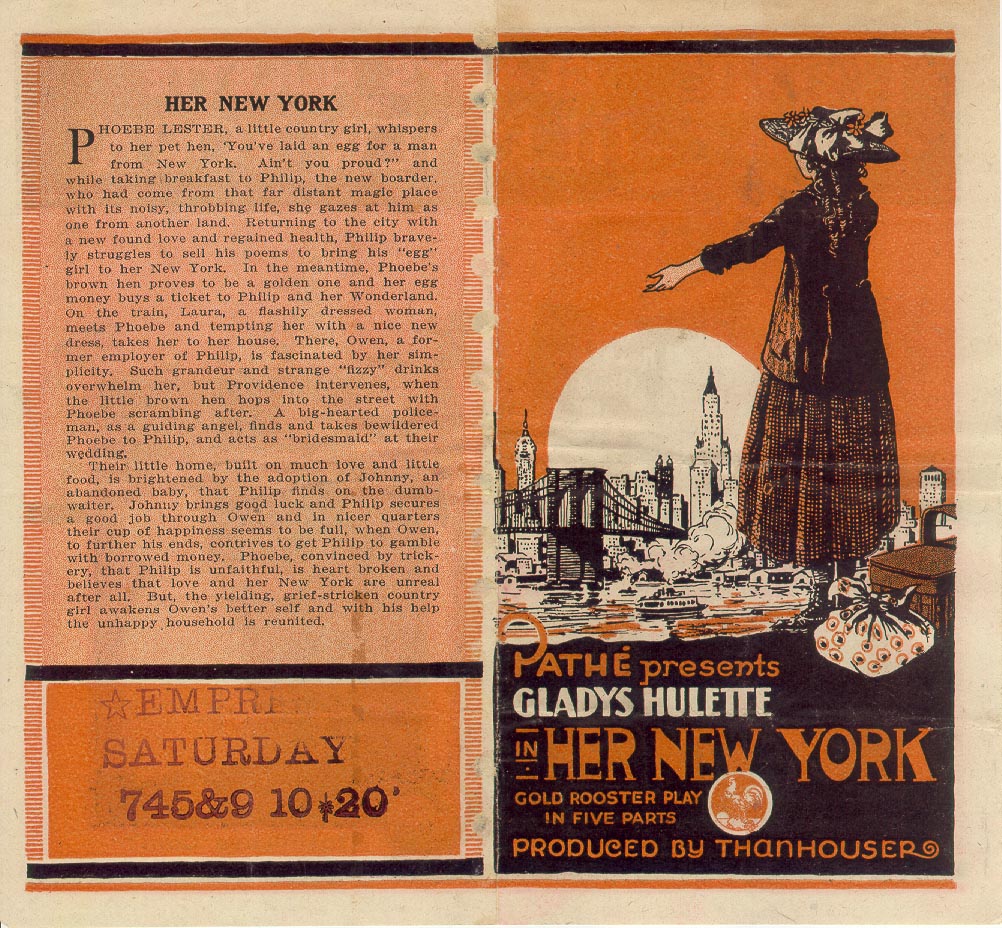
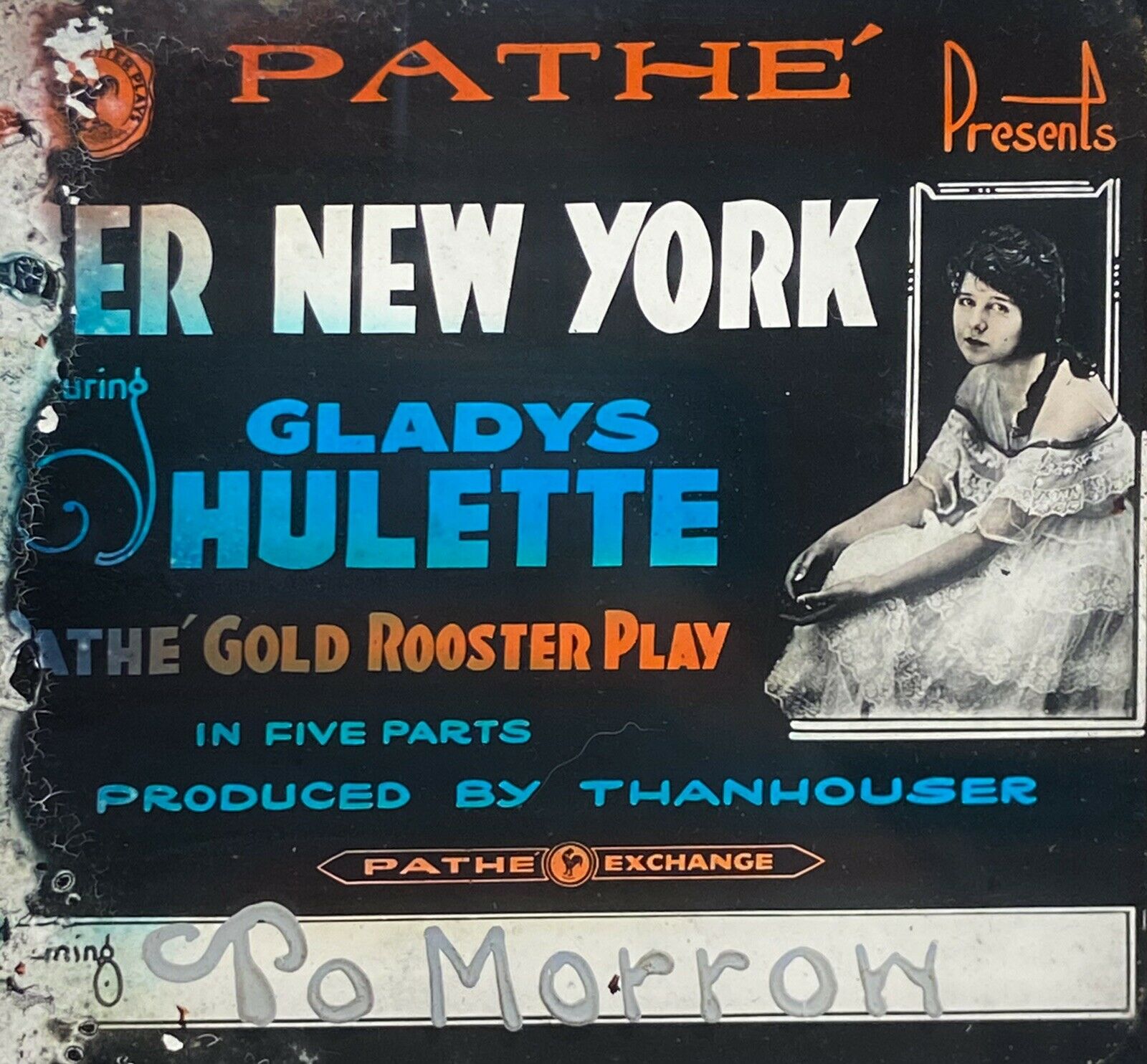
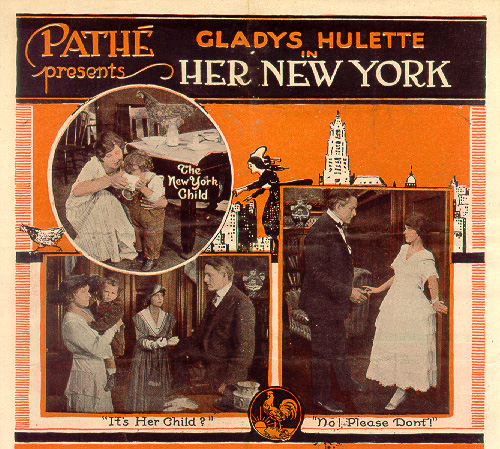
“A simple little story is Her New York with an equal amount of pathos and humor injected to make it stand out strongly in contrast with other film productions released upon the market today. It avoids the sensational, entirely eliminates melodramatic tendencies, but unfolds a story so natural and true to the truest principles of life that an audience will without a doubt leave the theatre with a feeling that there still exists an unending amount of good in mankind. The story does not picture New York as the cold, heartless place that has provided the foundation for plots for many stories in the past. It does not surround its people with that stone wall of selfishness that seems to be always found in previous stories, nor does it show the innocent country girl to be the catspaw, the plaything of fate to be buffeted about by every varied emotion. Instead we have a closer picture of life, depicting the trials of this little country miss on her first visit to ‘her’ New York, and how her soulful trust in her husband leads the two harm plotters to forsake their own wishes and desires and bring happiness once more to the little home.
“Gladys Hulette as the country girl not only acts, but she lives her part. Her work is indeed impressive. From the first to the last she never loses sight of the character she is portraying. Her farewell with the animals and her love for the chicken that provided her with the means of transportation to ‘her’ New York affords a certain amount of humor that will provide any amount of mirth, and at the same time will entrench Gladys Hulette more firmly in the hearts of the film fans. The rest of the cast deserves worthy mention. The quaint appeal of this picture makes it stand out as a screen presentation of value.”
REVIEW by Dickson G. Watts, The Morning Telegraph, December 24, 1916:
“This picture is of a type all too infrequently filmed at present. There is nothing startling to the theme, merely that of a young wife desired by her husband’s employer, who nearly succeeds in wrecking love’s young dream. The appeal lies in the sympathy and a wealth of semi-humorous, semi-pathetic incidents. The writer is Agnes Johnston, author of The Shine Girl and Prudence the Pirate, and this work from her pen will not be found less entertaining than its forerunners. Fortunately, Gladys Hulette has been starred, with the support of William Parke. The two leads form a delightful combination, one which will undoubtedly become more popular with each succeeding effort. Their acting is pleasingly natural in a wholesome play full of ‘heart interest.’
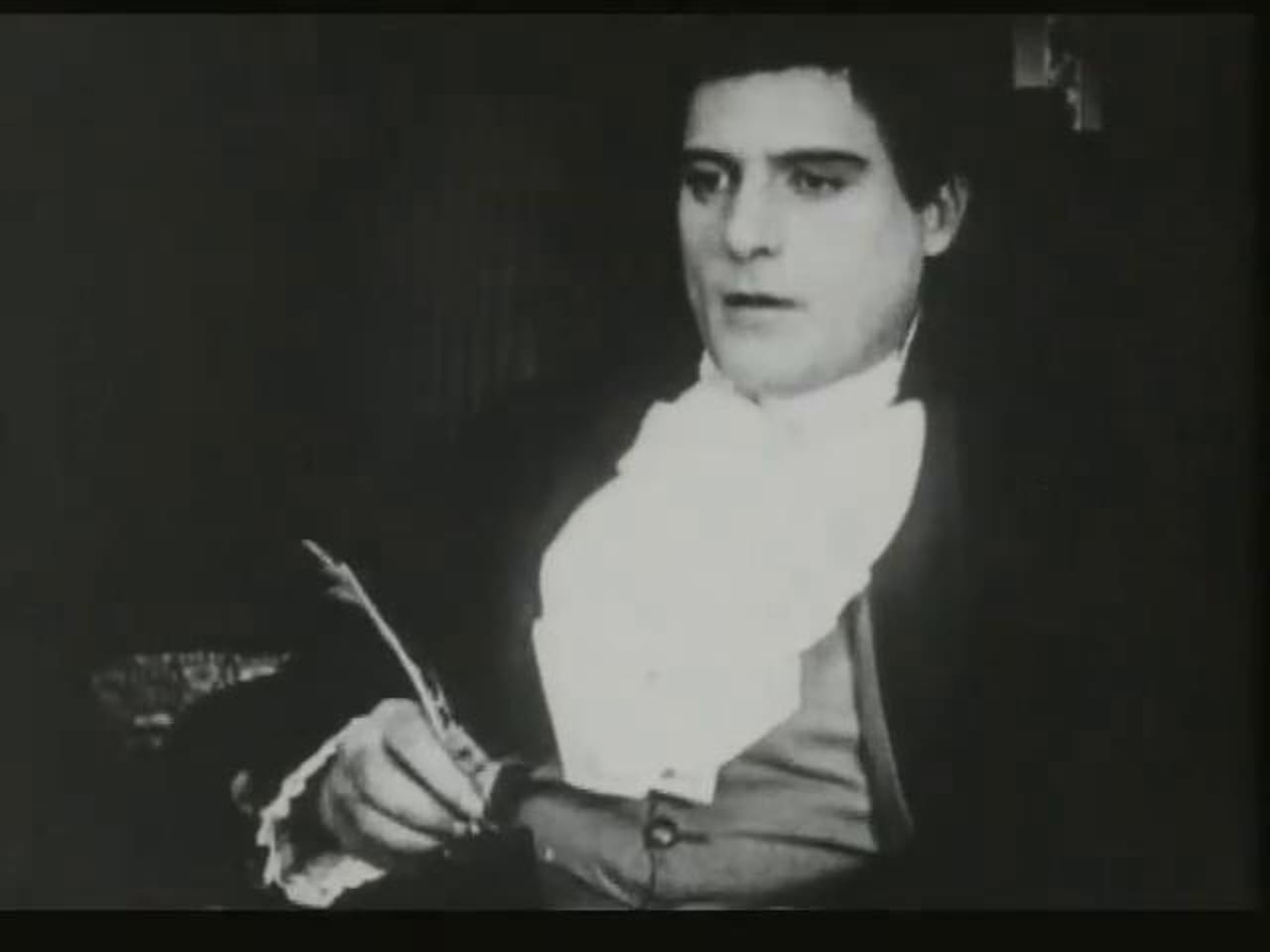
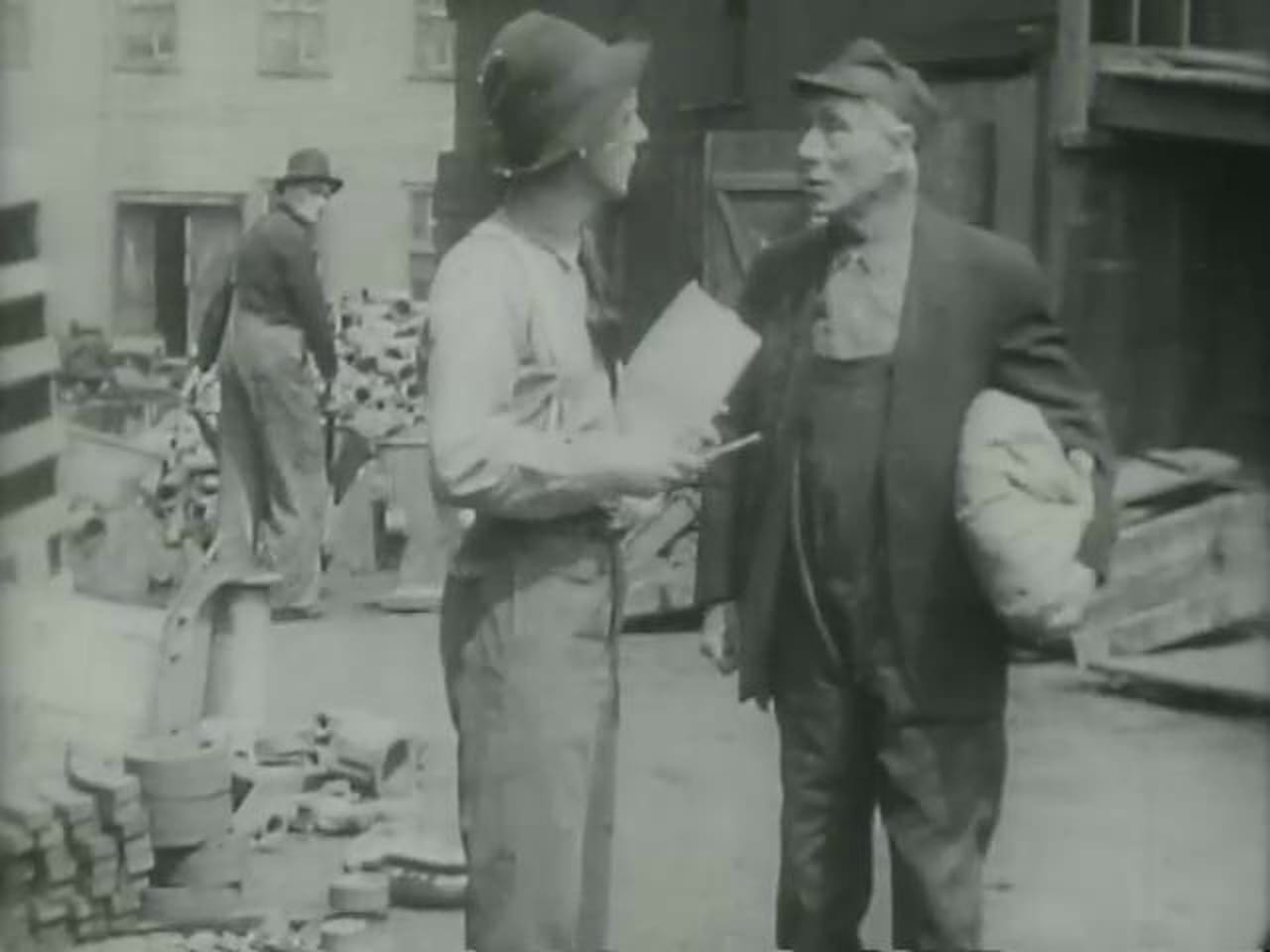
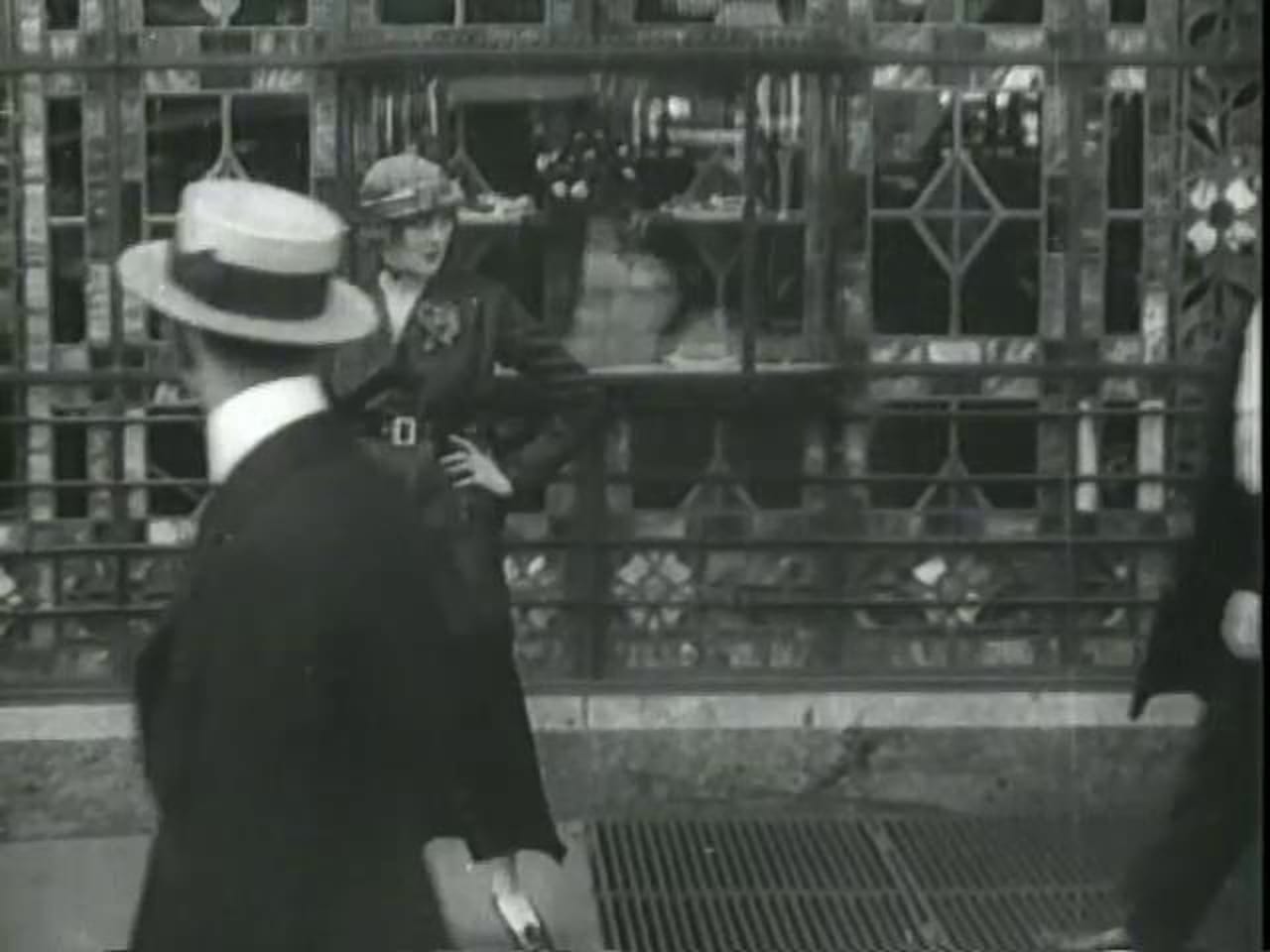
“Phoebe, a little country girl, comes to New York to wed a very youthful and very struggling poet. The two live in a continual dream of happiness punctured with poverty until Philip’s former employer meets the young wife and deices to make her his. Under the guise of friendship, he places temptation in the husband’s way, causes him to steal and at the same time poisons Phoebe’s mind with insinuations about her husband’s past. With the intensity of youth Philip takes his embezzlement hardly and leaves home. Phoebe, her dreams shattered, plans suicide. The two meet in the ‘flat’ which first sheltered them and all misunderstandings are swept aside, while the employer repents, as all good villains should, and sets the poet on the road to success. Her New York will be found a welcome relief from problem plays and the sex drama. Unfortunately there has been interpolated a scene in a house of ill repute which could easily be done away with by a few slight changes in the working script, thereby eliminating the fly from the otherwise sweet smelling ointment. In the matter of direction and appointments the film is of the usual Thanhouser standard.”
REVIEW by Laurence M. Reid, Motion Picture Mail, January 6, 1917:
“Her New York is a quaint little comedy picture of big city life in which is woven fine silken cords of pathos and charm. The basic theme, the call of the city, embraces a sentiment which nestles at some time in the hearts of all who live or have lived in the hinterland. It resembles Peg o’ My Heart in its leading role, and we are quite sure that Phoebe will prove as captivating and endearing on the cinema as Peg did on the stage. Gladys Hulette plays Phoebe, a girl adopted by Farmer Brown and his wife, whose life is chiefly concerned in collecting eggs and harboring desires to see New York. By selling her egg money this wish is fully gratified, aided and abetted by Philip, who is on an annual vacation from the city. He departs in a flood tide of exalted sighs, promising to send for her when the royalties of his poems are sufficient—having resigned in the meantime from a bookkeeper’s desk. Phoebe, abiding by the Shavian theory that woman is the pursuer, soon follows, accompanied by her faithful money making hen.
“Philip, as tradition will have it, lives in a garret and the extent of his royalties does not indicate that his residence will soon be bettered. So love in a cottage thereupon begins, and, like familiar tales, there is no semblance of disillusionment. After a time Philip’s former employer, Owen, re-engages him, but with the sinister motive of gaining the affection of the bride. Living in luxury through his supposed benefactor’s good turn, the young man is unable to stand prosperity and gambles heavily, with the usual result. Here it is that Owen plays his hand, and things look dubious for our unsuspecting friends. But misunderstandings are finally and amicably settled for all concerned when Owen’s conscience is awakened by the appeal of the innocent girl. Thus their interrupted love is again resumed, bringing with it a kindlier feeling for the city.
“It is a thoroughly appetizing story, revealed with a snap and spontaneity that indicates intelligent authorship. Careful direction has been given the handling of the scenes, situations and characters. Nowhere is there a loophole of mediocrity present in the production. Gladys Hulette brought to the role of Phoebe a fragile wistfulness which made her characterization particularly appealing, and William Parke, Jr., gave a good account of himself as a the youthful poet-husband. We advise all film lovers to see this picture. It will be quite worth while. Gladys Hulette, we may add, is rapidly coming to the front rank of our promising young screen stars. She has a rare screen quality—something that can only be called a celluloid charm. Miss Hulette is going far, or we miss our guess.”