1914Thanhouser CompanyTwo reelsDrama

The Guiding Hand

No copy you can watch online. No print is known to survive. What follows is what does: the release, the cast, the story, and what the trade press said at the time.

The story

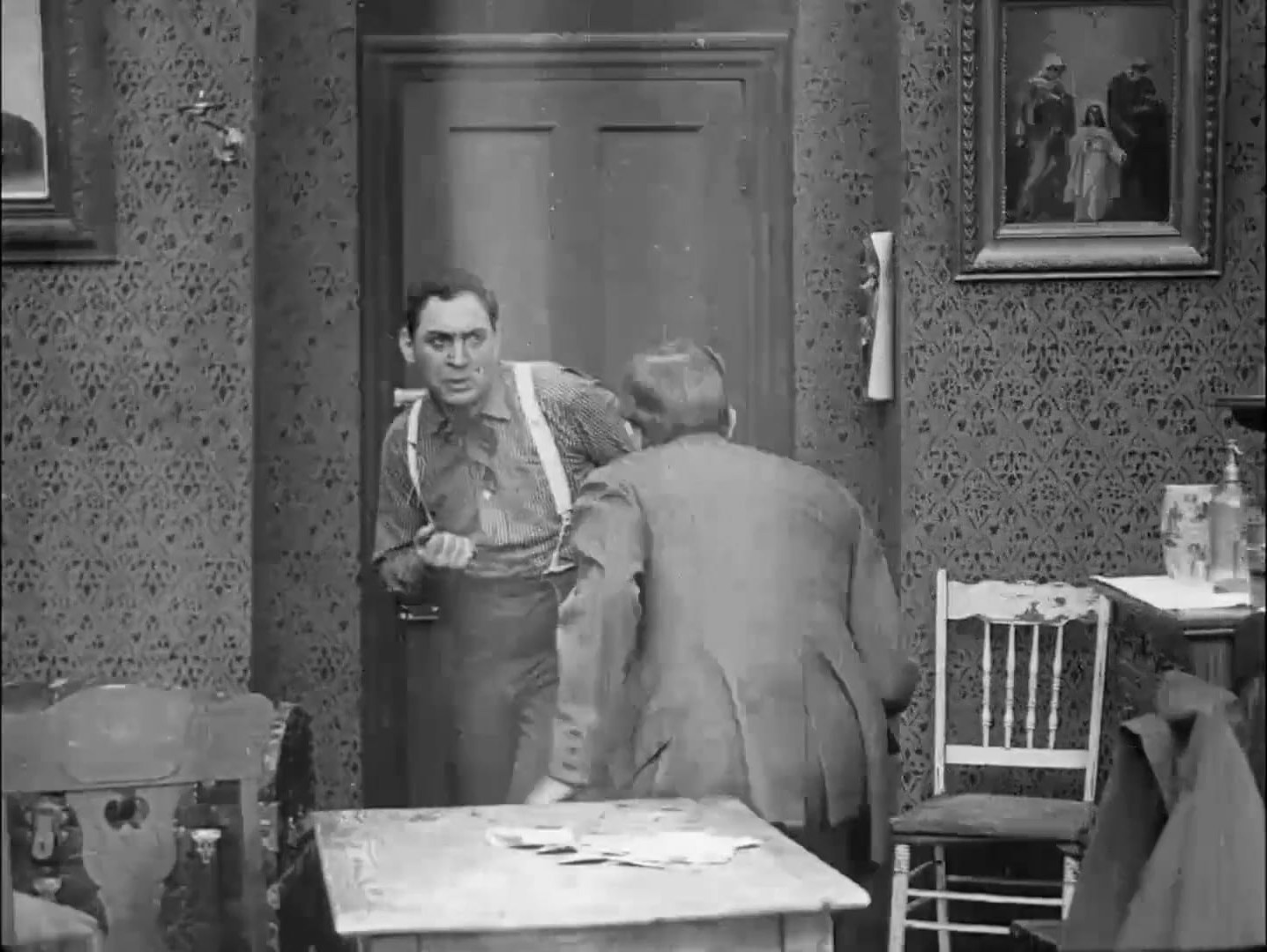
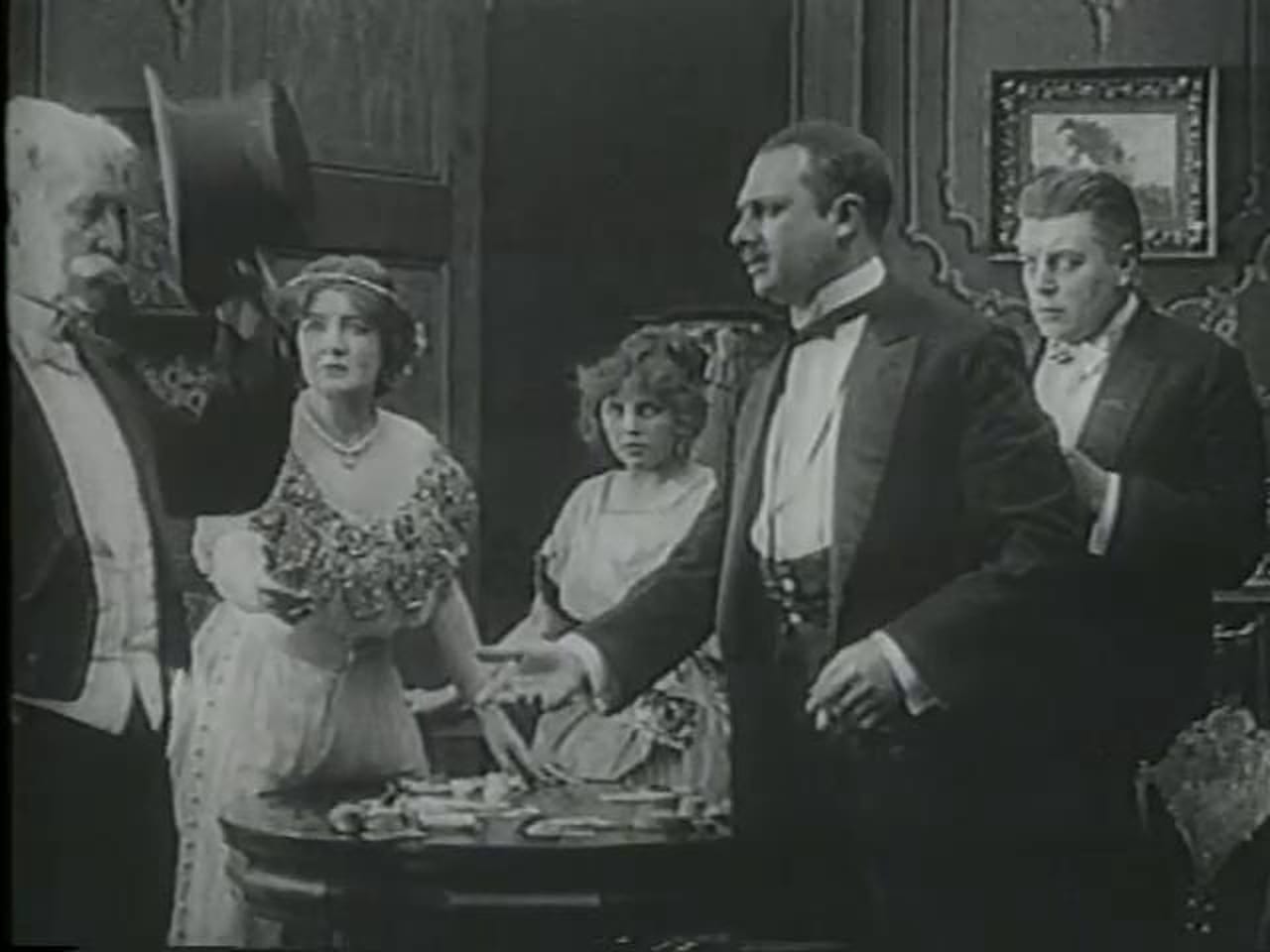
“James Stevens, a wealthy manufacturer, has a frivolous wife and a son who has drifted into bad habits. Mrs. Stevens sells her jewels to pay his gambling debts, substituting paste stones in their place. Later, when John is caught by his father in the act of robbing a family safe, the whole wretched situation is laid bare. Stevens is on the point of leaving his wife and son forever. But Mignon, his blind niece, who lives in the household, dissuades him. She proves the guiding hand which leads the family back to self-respect and happiness.”

Summary from Reel Life · 1 August 1914

What the papers said

2 reviews · 1 advertisement

“A story which convinces and is charming, almost solely because it is so very admirably presented. As a play it is badly constructed and somewhat commonplace, but these faults are largely atoned for by the real excellence of the acting and production generally. The story tells how a poor blind girl goes to live with some worldly, rich relatives, heals …

Read in full · 1 min

“A story which convinces and is charming, almost solely because it is so very admirably presented. As a play it is badly constructed and somewhat commonplace, but these faults are largely atoned for by the real excellence of the acting and production generally. The story tells how a poor blind girl goes to live with some worldly, rich relatives, heals them of their spiritual sores by the influence of her sweet nature, and is eventually cured of her own physical affliction. The film is so loosely put together that its two parts are practically two separate plays. Mignon Anderson gives a perfectly delightful performance as the heroine—natural, finished, restrained, yet full of pathos and tenderness. Arthur Bauer, Carey Hastings, and Morris Foster all do well, and, although the gentleman who plays the eminent specialist is rather a conventional stage Frenchman, he instills as much sincerity as possible into a somewhat melodramatic, though effective, scene.”

The Bioscope · 12 November 1914

“A two-part offering that tells a pretty story and would have been a strong release in one reel. At the end the blind girl has her sight restored, as is usual in these stories. She is sent, an orphan, to her uncle whose family is walking in dangerous places and brings love and light to them. This is very pretty, …

Read in full · 2 min

“A two-part offering that tells a pretty story and would have been a strong release in one reel. At the end the blind girl has her sight restored, as is usual in these stories. She is sent, an orphan, to her uncle whose family is walking in dangerous places and brings love and light to them. This is very pretty, but to have her marry the rake of a son seems hardly convincing. One thing it is very strong on, and that is photography—some of its scenes are nothing less than lovely. It will be liked for its good things.”

REVIEW by Louis Reeves Harrison, The Moving Picture World, August 15, 1914:

“A humanizing well-acted drama, The Guiding Hand gently reproves the selfishness of those whose circumstances should make them unselfish, but whose finer qualities have to be brought out in the crucible of bitter experience. The Stevens family, consisting of a wealthy businessman engrossed in his work, his wife and their son, is representative in a way of many others in our civilization. The wife and son have no ideals, nothing to do, and the lack of work or incentive to work seems to exercise a demoralizing effect among the rich quite as much as among the poor. The wife is gambling at bridge whist to the extent of exchanging her jewels for paste imitations, while the son has become a chorus girl johnnie and barroom sport of dress suit caliber.

“The husband is strong, and in his strength is unsuspicious of the weakening his wealth and indulgence has created. He is slightly bored when Mignon, a blind niece, becomes his charge, but he is not otherwise unkind to the helpless girl. The dense selfishness of both mother and son are exhibited in their early treatment of Mignon, but that mysterious sweetness of character which sometimes comes to the blind—perhaps in compensation for their affliction—is the ruling spirit in Mignon’s character and she insensibly wins her way into the hearts of all in the household. Stevens capitulates in a lonely moment to the blind girl’s charm of simple goodness, and both his wife and son yield in time to an influence so gentle that it draws with invisible threads. The whole family is on the way to gradual betterment when a sudden impulse of the wayward son lays bare the wretched fabric of the social pretense. The boy attempts to steal his mother’s jewels in the dead of night and is caught by the father. The latter’s fury draws the mother, and then is made the humiliating discovery that her jewels, like her social position, are a hollow mockery, are a base imitation of the real thing.

“Tragedy is very near when the blind girl, in an exquisite matinee of white silk, appears and succeeds in calming the infuriated husband and father until the whole incident can be hushed up. The story continues along well-known lines, during which the blindness is cured by the customary specialist, but it has obtained a strong grip in the beginning and sympathy holds through to the end. There is an exquisite purpose in the drama, and it is faithfully considered during most of the presentation. Mignon Anderson as the blind girl does not have to act—her sweetness is obvious—and she easily carries off the honors, though this not in detriment to the well-balanced cast. The story is clean, sympathetic and sure of an appeal to all classes.”

The Moving Picture World · 15 August 1914

Advertisement

15 August 1914Reel Life1 min

“A marvelous story of a family’s regeneration. Mignon Anderson portraying a blind girl sheds the redeeming radiance.”

Have you seen this film, or a print of it?

Prints of films thought lost still turn up in attics, private collections and archives. A record like this one is how the next one gets found.

Tell us about a print

Cast and crew

Cast
Arthur Bauer as James Stevens
Carey L. Hastings as Mrs. Stevens
Dave Andrada as Dr. Russell
Mignon Anderson as Mignon, the blind girl
J. Morris Foster as John, their son

Every name opens that person's page, with each film they appear in and which of them you can watch.

Watch instead

Films you can watch from the same company

Matched by cast, director and kind

More about this film

From Volume II: Filmography of Q. David Bowers’ Thanhouser Films: An Encyclopedia and History, reproduced with permission and unchanged. Read the history of 1914 →

Cite as: Bowers, Q. David. Thanhouser Films: An Encyclopedia and History, “The Guiding Hand”. thanhouser.org/films/the-guiding-hand/

Where a print is held

Held by
No print known