1915Thanhouser CompanyOne reelLiterary adaptation

The Vagabonds

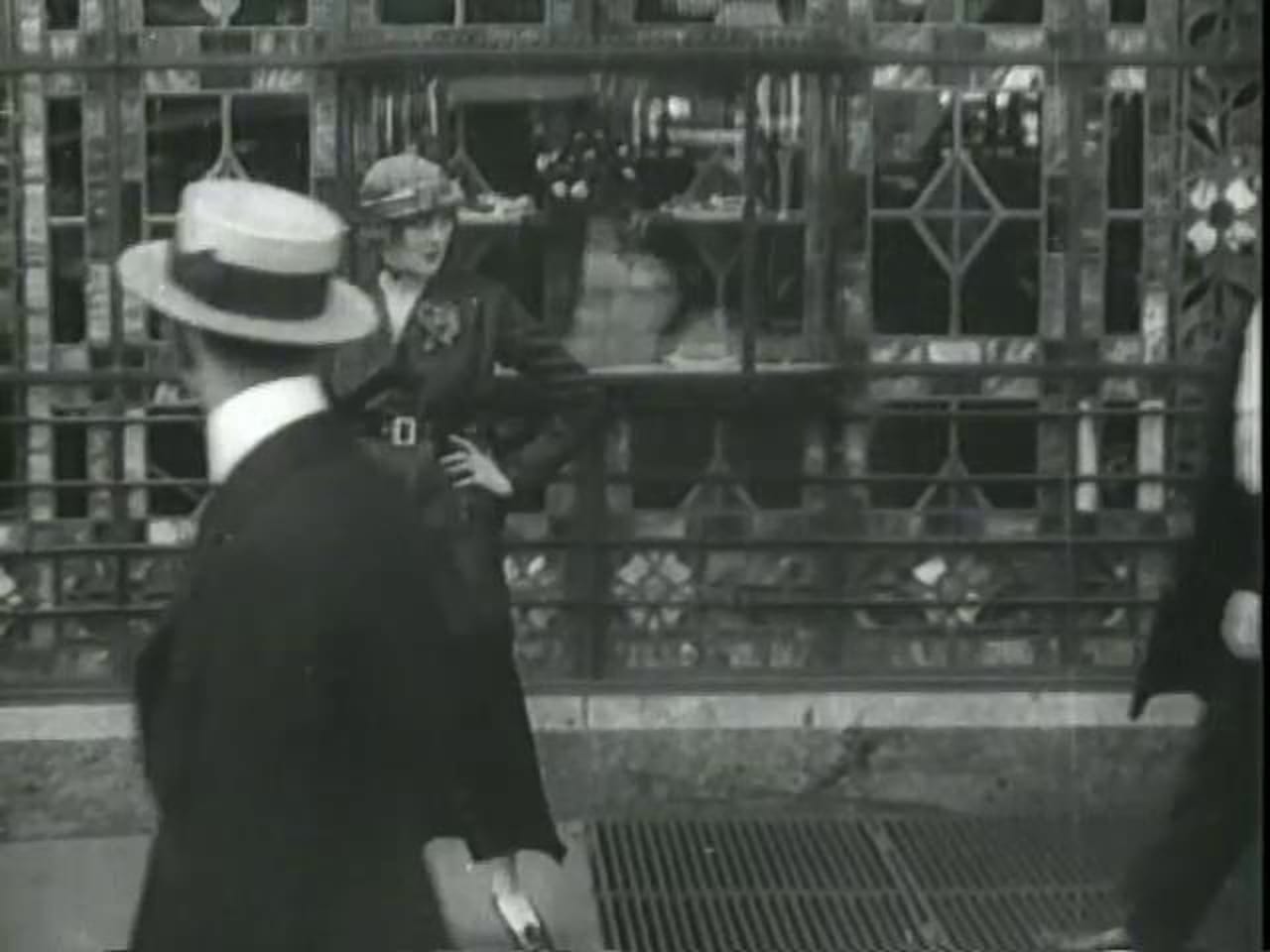
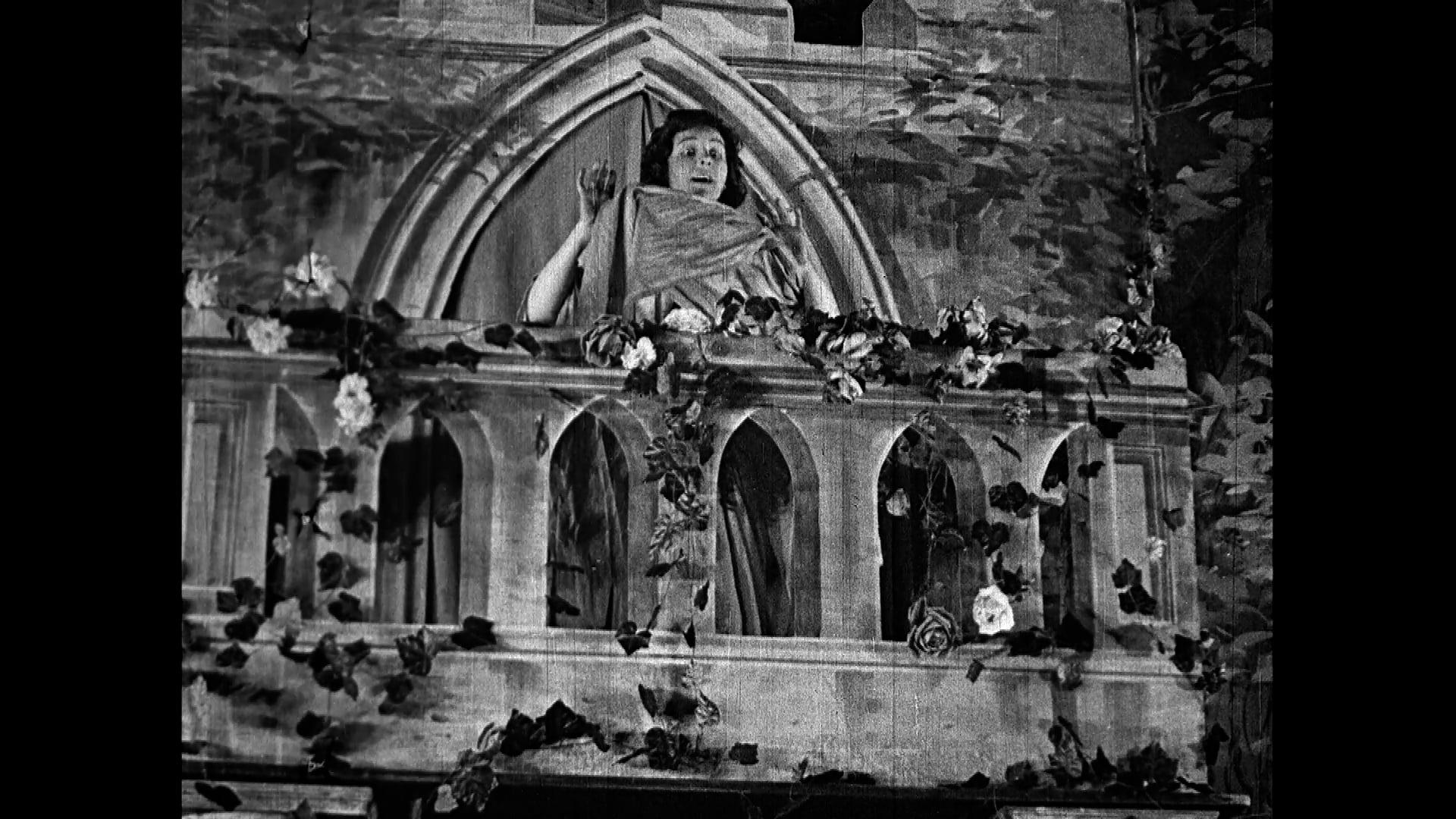
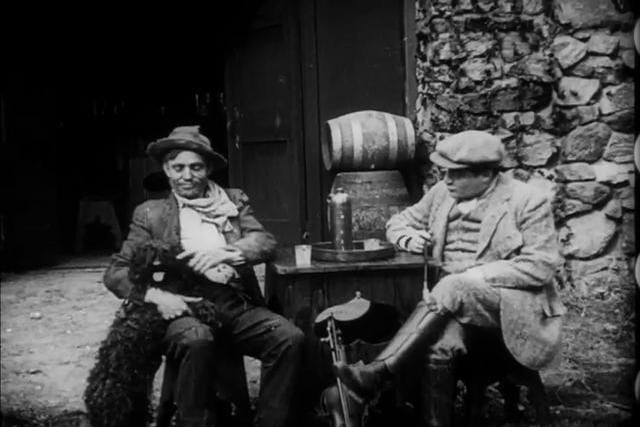
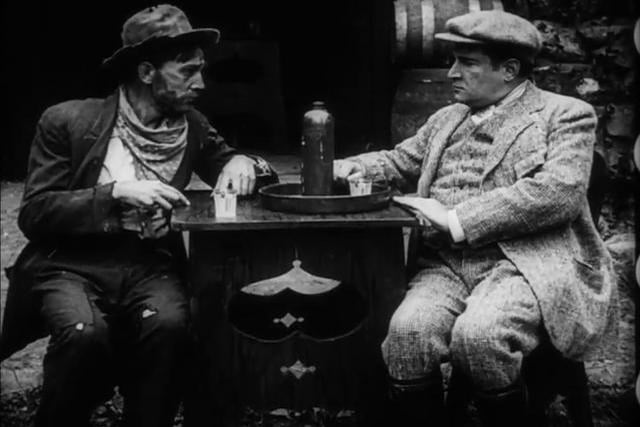
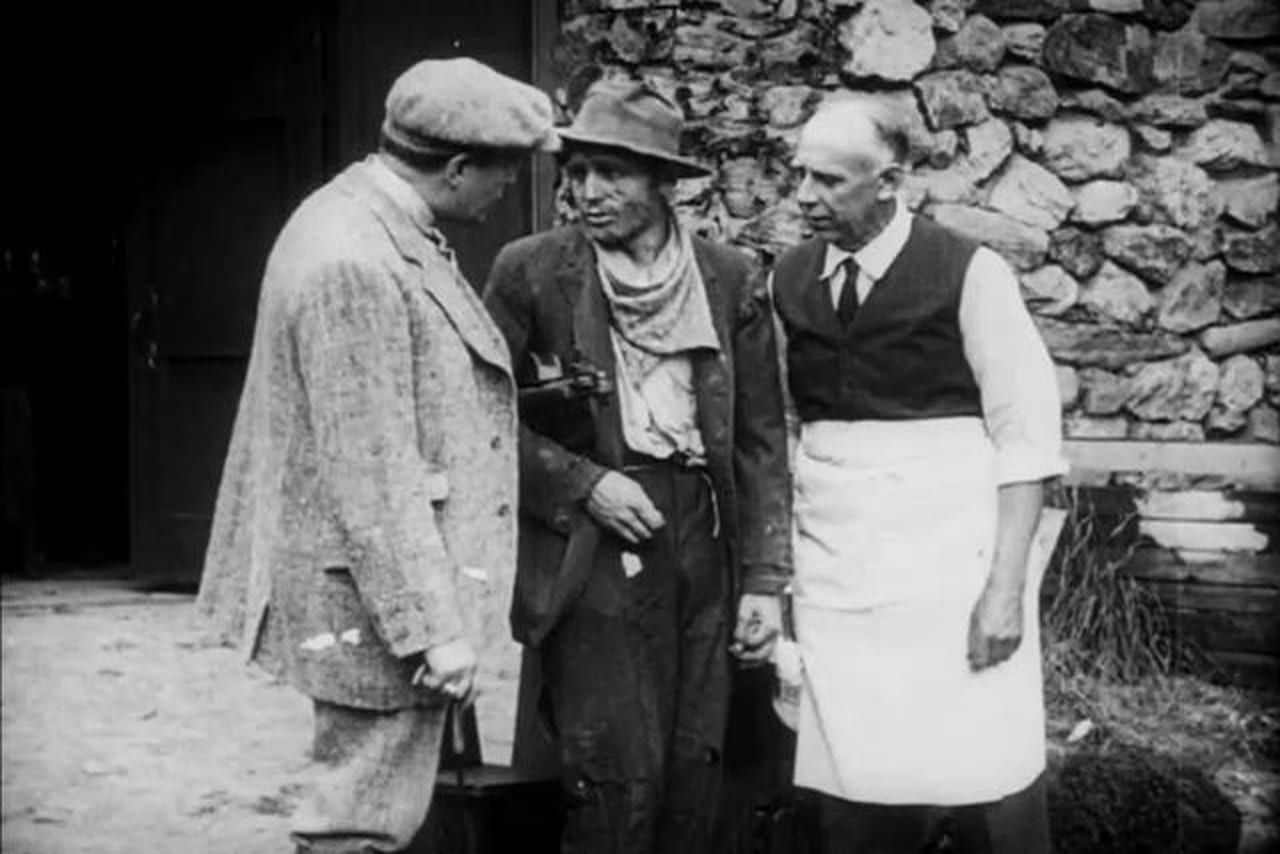
A frame from The Vagabonds

12:58 running time · Score: Raymond A. Brubacher · Vimeo uses cookies · Privacy

Why watch it

13 minutes, and what to watch for

A series of flashbacks where a penniless, friendless tramp and his dog relate the story of his downfall due to drink.

The story

“A ragged vagabond, followed by a disreputable-looking dog, wanders to the door of a country inn. ‘Get out!’ commands the inn-keeper. But an eccentric rich man, pulling up before the inn just then, dismounts from his horse and orders supper for both himself and the tramp. After they have eaten and drunk, Grossbeck Upham wins from his companion his story. Tim, the beggar, once had wooed and won a beautiful girl. But he could not keep away from the drink. At last, Amelia cast him off. He drank then harder than ever, and sank to the lowest depths of degradation. Only his dog stayed by him. Years later, he saw again the woman he loved. She had married a minister. She did not recognize Tim, but taking him for some unknown beggar, dropped a coin in his hand and passed by. ‘Little did she dream,’ said the vagabond, ‘as she walked on, so self-possessed in her black silk dress, and so ladylike, who kissed the coin her fingers dropped!’”

Summary from Reel Life · 28 August 1915
Background of the scenario

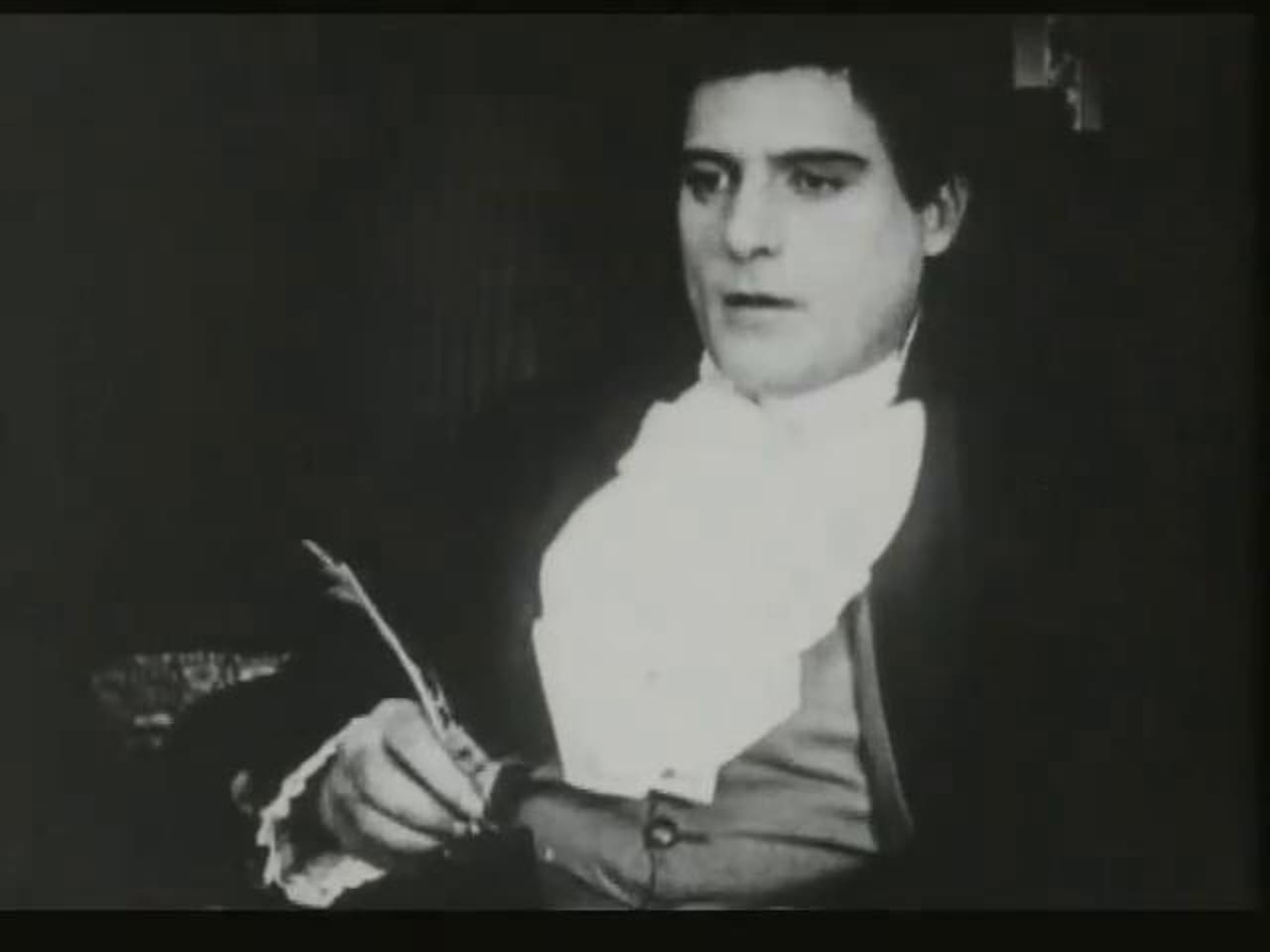
The poem, The Vagabonds, begins with “Roger and I” and was first printed in Atlantic Monthly in 1863. The verse, from the pen of John Townsend Trowbridge, told of a wanderer and his dog Roger, who for five years shared food and lodging. After enduring all sorts of tribulation, the itinerant, fortified with strong drink, dreams of death and a happier afterlife: “But soon we shall go where lodgings are free; And the sleepers need neither victuals nor drink; The sooner the better for Roger and me.” J. T. Trowbridge (1827-1916) wrote more than 40 novels directed toward young boys. Of elevating themes, they formed an important contribution to children’s literature of his era. A fervent abolitionist, Trowbridge penned a number of anti-slavery works, including his well known Cudgo’s Cave (1864) and Coupon Bonds (published in 1866; dramatized for the stage in 1876).

What the papers said

1 review

“A screen adaptation of J.T. Trowbridge’s famous poem, Roger and I [sic; the poem was actually titled The Vagabonds]. Morris Foster does some effective character work on the part of the tramp, whose sole friend is his faithful canine. He tells the story of his downfall from drink. The number is one of considerable appeal.”

The Moving Picture World · 4 September 1915

Cast and crew

Cast
Arthur Bauer as Grossbeck Upham
Carey L. Hastings as Tim’s mother
Grace De Carlton as Amelia, his wife
J. Morris Foster as Tim, a vagabond

Every name opens that person's page, with each film they appear in and which of them you can watch.

Keep watching

Watch next

Matched by cast, director and kind

More about this film

Bowers’ notes

The title appeared as The Vagabond in several notices, including in Reel Life, August 28, 1915.

Posters and media
Still for The Vagabonds. A frame from The Vagabonds (1915), from the Thanhouser restoration on Vimeo.Still for The Vagabonds. A frame from The Vagabonds (1915), from the Thanhouser restoration on Vimeo.Still for The Vagabonds. A frame from The Vagabonds (1915), from the Thanhouser restoration on Vimeo.Still for The Vagabonds. A frame from The Vagabonds (1915), from the Thanhouser restoration on Vimeo.8 items for this film in the gallery

From Volume II: Filmography of Q. David Bowers’ Thanhouser Films: An Encyclopedia and History, reproduced with permission and unchanged. Read the history of 1915 →

Cite as: Bowers, Q. David. Thanhouser Films: An Encyclopedia and History, “The Vagabonds”. thanhouser.org/films/the-vagabonds/

Where copies are held

Completeness
Unknown
Scored by
Raymond A. Brubacher