1915Thanhouser CompanyTwo reelsLiterary adaptation

The Picture of Dorian Gray

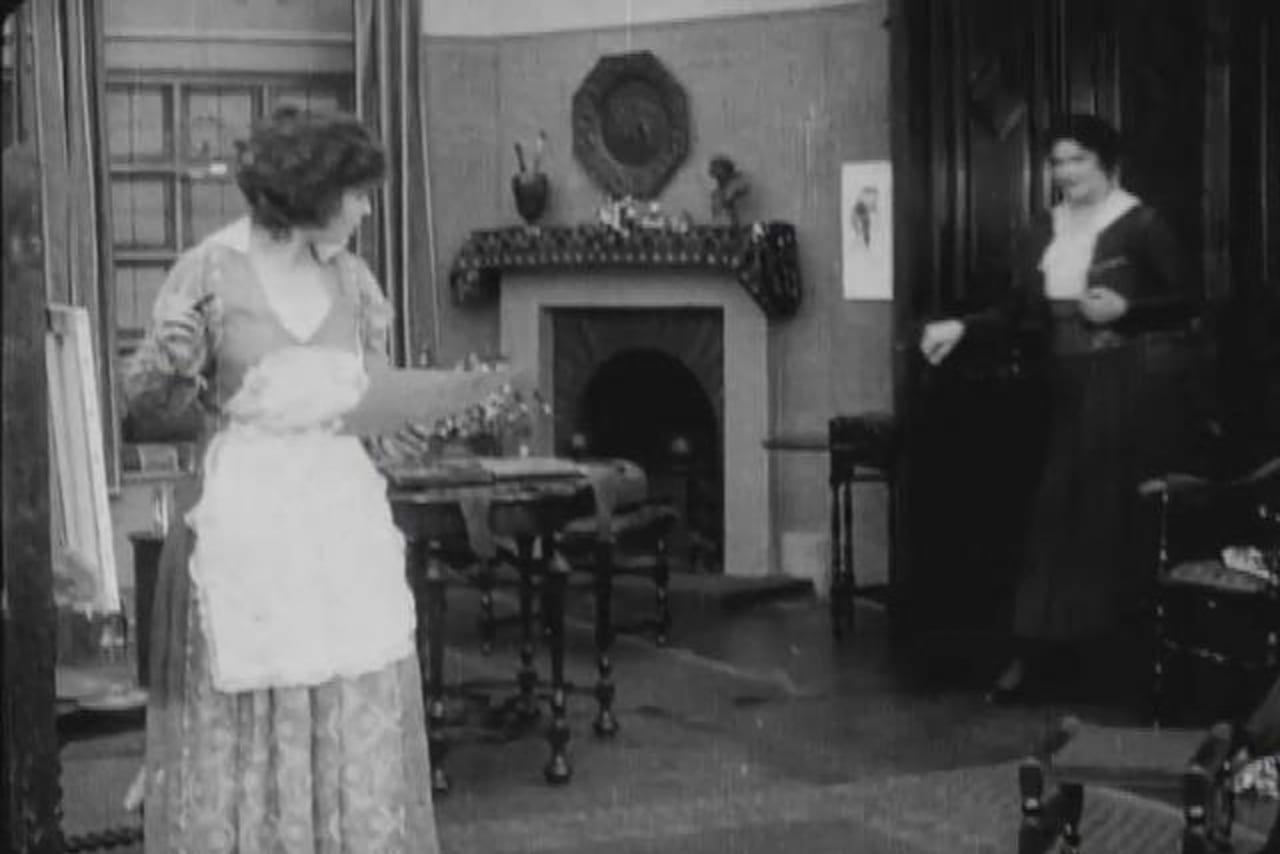
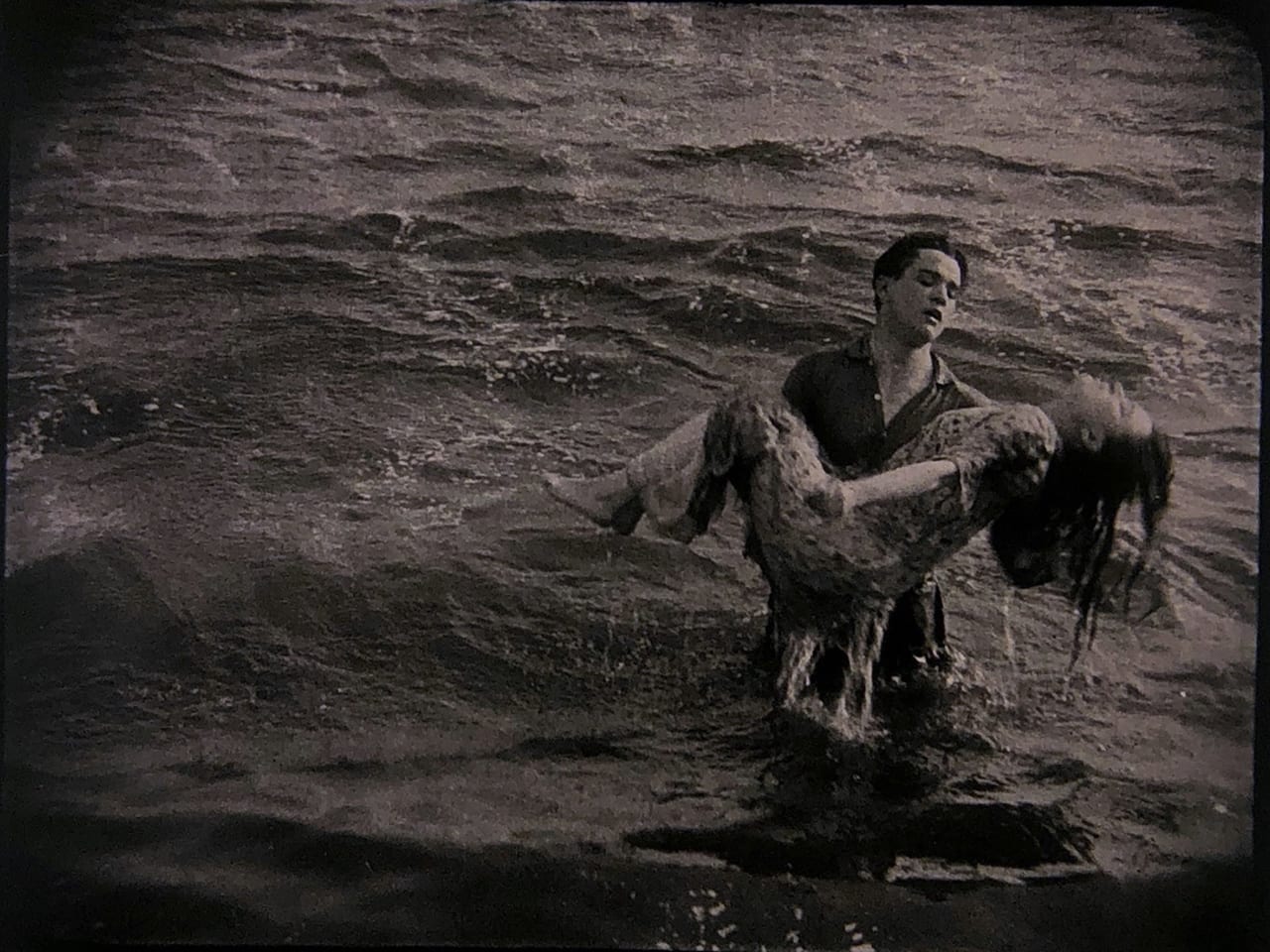
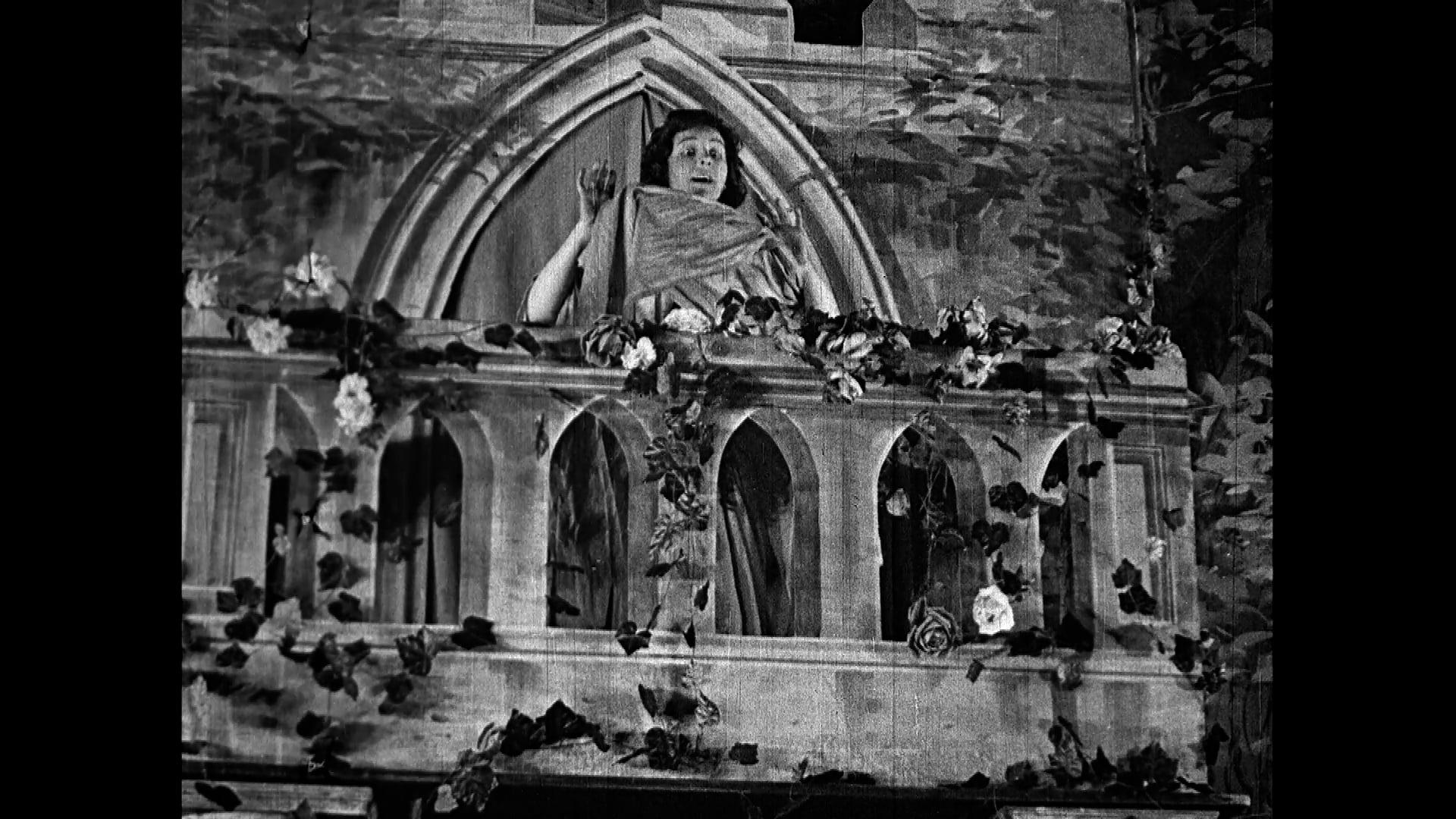
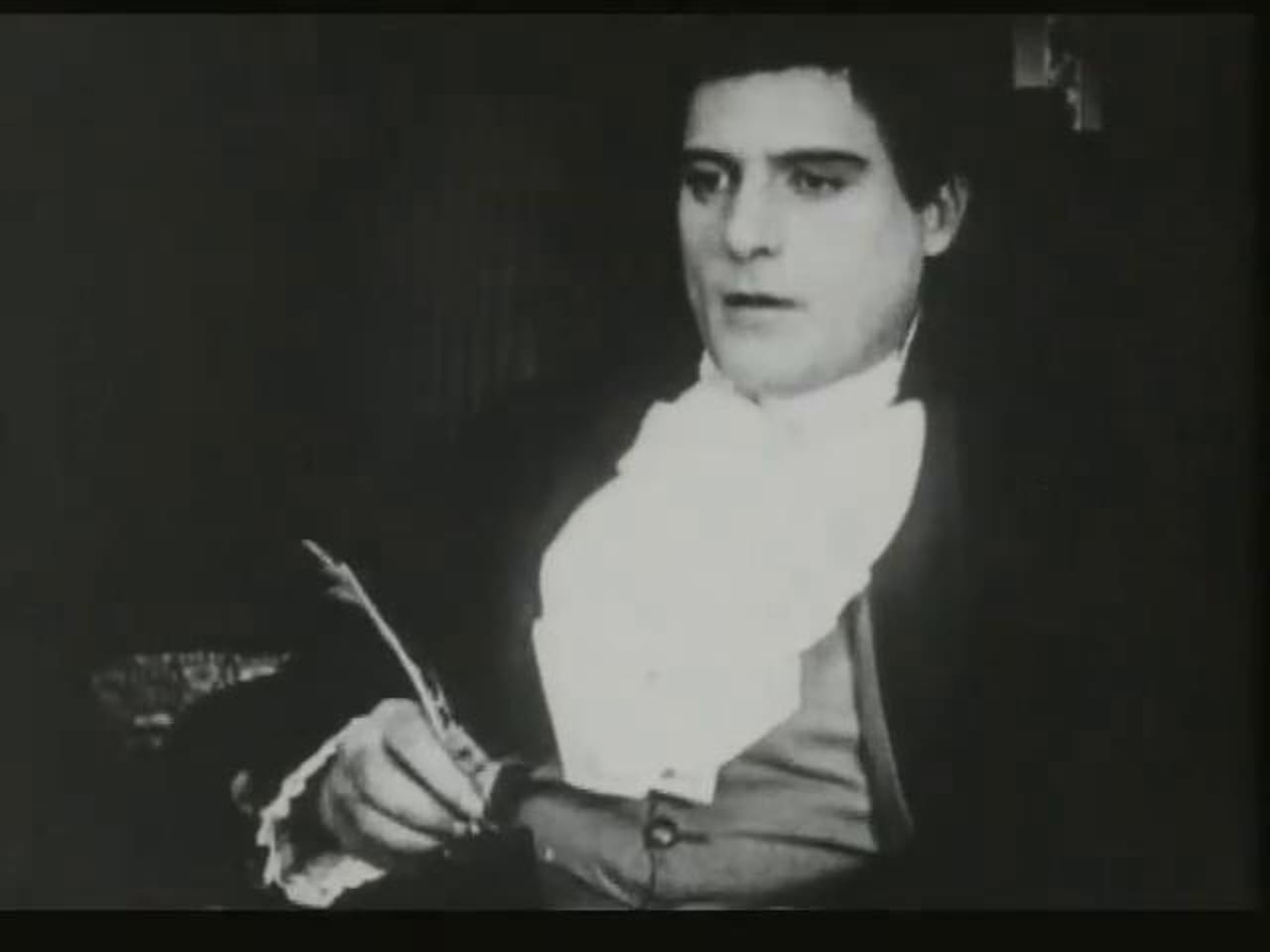
A frame from The Picture of Dorian Gray

22:25 running time · Score: Ben Model · Vimeo uses cookies · Privacy

Also available: With Commentary

Why watch it

22 minutes, and what to watch for

Based on Oscar Wilde's novel, this two-reeler tells the story of Dorian Gray's hedonistic worldview that beauty and sensual fulfillment are the only things worth pursuing in life.

The story

“Dorian Gray, a handsome young man of wealth and a favorite in London society, has his portrait painted by Basil Hallward, a celebrated artist. As he gazes at it, Gray says: ‘I wish that I might always remain young like this painting. I wish it were the picture which would grow old, and not myself.’ Dorian is in love with Evelyn, an obscure actress, who plays Shakespeare in a small theatre. She has promised to marry him. Convinced that his sweetheart is a genius, he takes Hallward and Lord Henry Wotton to the theater. They see her work as it is—woefully bad. The audience hisses and laughs at the poor girl. And Dorian, his illusion shattered, bitterly reproaches Evelyn. She tells him that never can she endure again the life of sham and mockery on the stage, for his love has changed all that for her.

“’You have killed my love!’ cries the young man, ‘I will never see you again.’ The next morning he hears that Evelyn has shot herself. The news stirs him only remotely. Looking at the portrait of himself, he sees that an expression of cruelty has crept into the lips. As time passes, and Gray becomes more inhuman, and even criminal, the portrait reflects all these evil changes. But Dorian himself does not alter. Still young and innocent to look upon, no one will believe him the beast that he is. At last, one day, facing his real self in the portrait, the libertine picks up a knife and sinks it into the breast of the man on the canvas. A terrible cry rings through the house. The servants find on the wall a beautiful portrait of their master as last they saw him, unspoiled and youthful. On the floor lies a wizened, loathsome old man with a knife in his heart.”

Summary from Reel Life · 17 July 1915
Background of the scenario

The Picture of Dorian Gray was written by Oscar Wilde, formally named Oscar Fingal O’Flaherty Wills Wilde, who was born in Dublin and whose education included Trinity College. A flamboyant classical scholar, Wilde attracted unfavorable attention because of his “artsy” ways and his scorn of sports. He published poems, plays, fairy tales, essays, and one novel, The Picture of Dorian Gray, which appeared in Lippincott’s Magazine and soon created a scandal for its alleged immorality. Wilde wrote in the preface: “There is no such thing as a moral or immoral book. Books are well written or badly written. That is all.” The writer was the object of a series of charges alleging homosexual offenses, beginning with an attack by the Marquess of Queensberry, who resented his intimacy with Queensberry’s son, Lord Alfred Douglas. Wilde foolishly brought a suit against Queensberry and lost, after which Wilde himself was placed on trial in 1895 and sentenced to two years at hard labor. His prison sufferings inspired a poem, “The Ballad of Reading Jail,” and the autobiographical prose account, De Profundis. After his release in 1897 he lived in Paris as Sebastian Melmoth and drank himself to death. Before the end on November 30, 1900, he was received into the Roman Catholic Church a repentant sinner.

What the papers said

1 review · 1 article · 1 advertisement

“The strong two-reel presentation of Oscar Wilde’s famous story. The plot is unusual, and even though none of the familiar epigrams of the author find their way into the subtitles there is an artistic flavor to the production. Dorian’s picture shows evidence in the passing years of his selfish, dissipated life, though his own countenance remains unchanged. Harris Gordon handles …

Read in full · 1 min

“The strong two-reel presentation of Oscar Wilde’s famous story. The plot is unusual, and even though none of the familiar epigrams of the author find their way into the subtitles there is an artistic flavor to the production. Dorian’s picture shows evidence in the passing years of his selfish, dissipated life, though his own countenance remains unchanged. Harris Gordon handles the leading role effectively, and Helen Fulton was pleasing as the ill-fated young actress who won Dorian’s heart. The story is unusual and well worthwhile.”

The Moving Picture World · 31 July 1915

Article

24 July 1915The Moving Picture World1 min

“Producer Moore has made a living document of Oscar Wilde’s famous story of Dorian Gray. It tells of a young rake, who notwithstanding his gay and festive indulgences, shows no traces of it as the years slip by. He gradually becomes sensitive of it; it becomes an obsession with him, and it weighs so heavily on his mind that he begins to see it in a portrait of himself which a friend has painted. The picture seems to mock him, for the image of himself looks older each time that he gazes on it. He finally puts it into a secret room, for no eyes but his own. He goes there regularly, the face in the flame becoming more hideous and aged each time, until in an insane paroxysm, he hacks the canvas to bits, and drops dead before it. And the mystery is never solved. Harris Gordon plays the title role in sensational fashion, well supported by Ernest Howard, Ray Johnston, Morgan Jones and Claude Cooper. The production is in two reels.”

Advertisement

24 July 1915The Moving Picture World1 min

“’This is the picture of my soul!’ So cries Dorian Gray as his frenzied mind’s eye sees the havoc wrought by his life of gaiety and dissipation. He sees himself as you see him here—look at him closely! Isn’t it a terrible change? Can’t you just picture what a thunderously mighty story it is? With Harris Gordon playing the lead, this fascinating tale is given a real Thanhouser presentation, consistent staging, consistent acting, and general Thanhouser consistency!”

Cast and crew

Director
Eugene Moore
Ernest Howard as Basil Hayward
Harris Gordon as Dorian Gray
Helen Fulton as Evelyn, his actress friend
William Ray Johnston as Lord Henry Wotton

Every name opens that person's page, with each film they appear in and which of them you can watch.

Keep watching

Watch next

Matched by cast, director and kind

More about this film

Bowers’ notes

A “B. Howard” is listed as a cast member in a photograph caption in Reel Life, July 17, 1915. Presumably, Ernest Howard was intended. (Also see note under Snapshots, August 24, 1915.)

Posters and media
Still for The Picture of Dorian Gray. A frame from The Picture of Dorian Gray (1915), from the Thanhouser restoration on Vimeo.

From Volume II: Filmography of Q. David Bowers’ Thanhouser Films: An Encyclopedia and History, reproduced with permission and unchanged. Read the history of 1915 →

Cite as: Bowers, Q. David. Thanhouser Films: An Encyclopedia and History, “The Picture of Dorian Gray”. thanhouser.org/films/the-picture-of-dorian-gray/

Where copies are held

Completeness
Unknown
Scored by
Ben Model
Scored by
Ben Model