The story
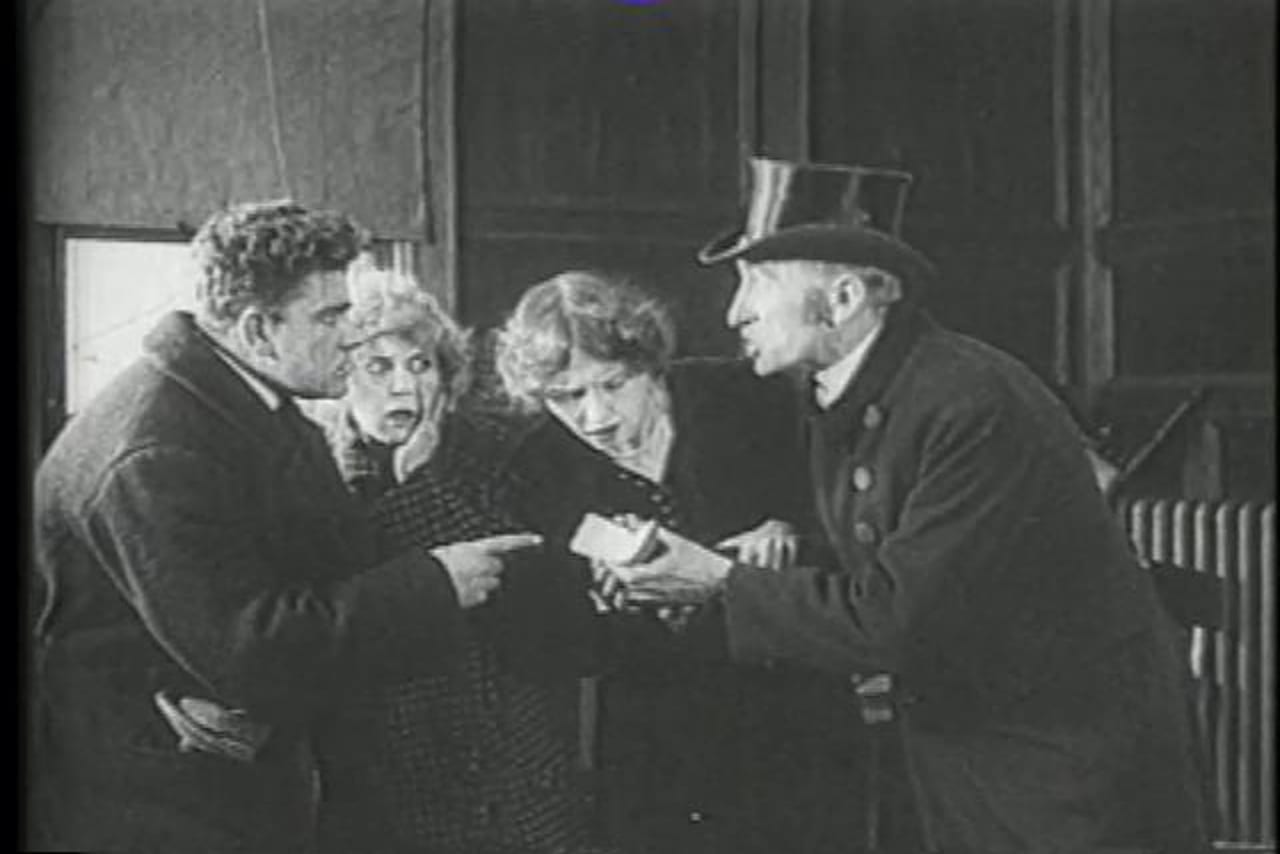
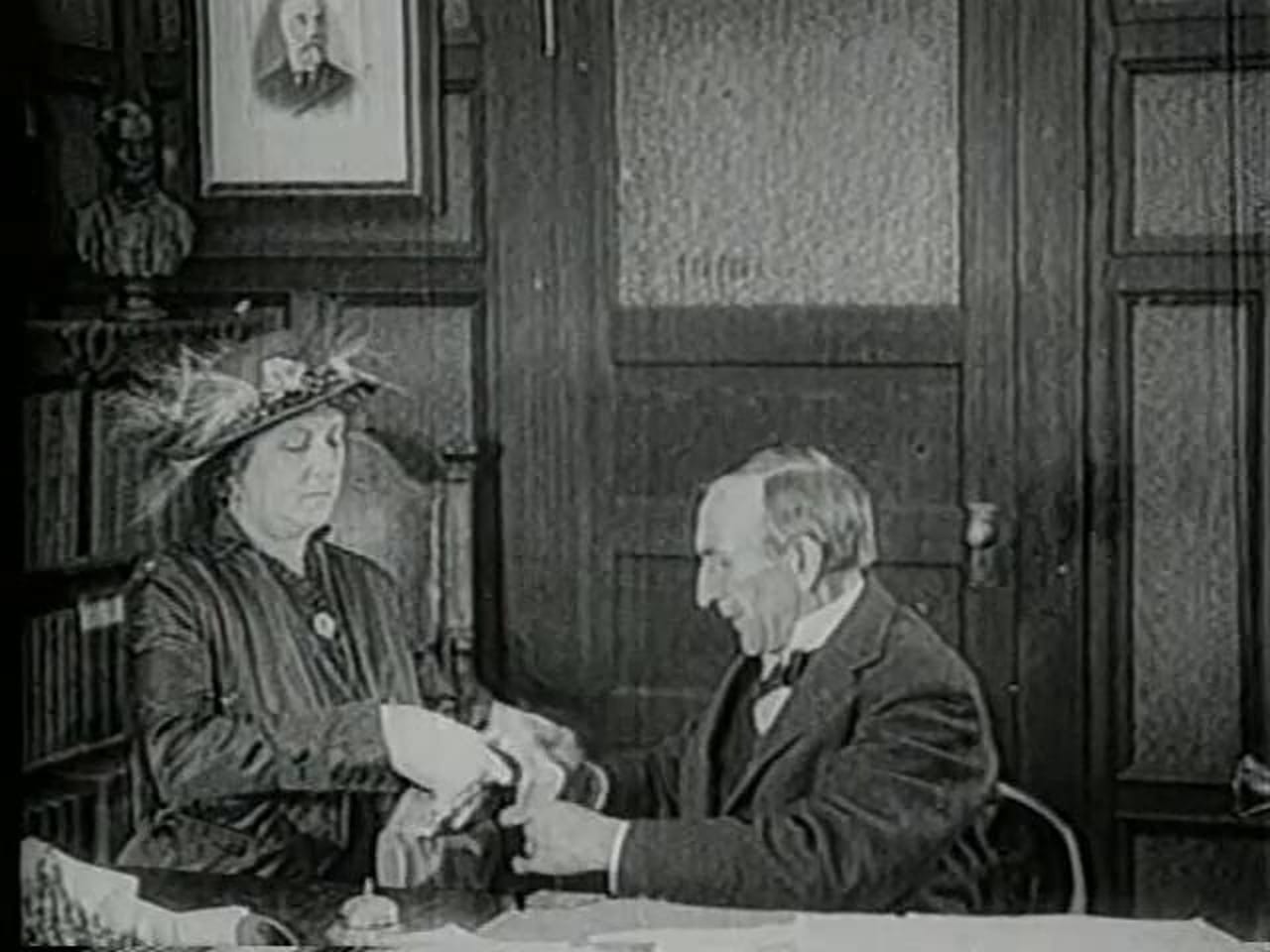
“The boatman and his wife were thoroughly happy, although they were not even well off. One day a young man dropped around with a Kodak, and induced them to let them take a snapshot. It turned out well and the couple were proud of it, and sent it by the first mail to their son, a wealthy broker in the city. The younger man’s heart reproached him when he saw it, and he decided that it was shame to leave his parents in such poverty, so he persuaded them, much against their will, to live with him. They were treated kindly, but the habits of many years were almost impossible to overcome and they made a break for liberty, explaining that they would far rather work than be stylish. The old couple bought back their boat business and are as happy as the day is long. The broker’s wife sometimes visits them, and in public is fond of boasting of her husband’s people, whom she describes as ‘belonging to one of our oldest families, and who live on their estate on the sea shore.’”
Summary from The Moving Picture World · 25 October 1913
Another synopsis, from Reel Life · 18 October 19131 min
“Every little while, Mr. Lloyd F. Lonergan turns out a picture play which gets right down at the heart of things and exposes some social weakness in a human but humorous way. The Old Folks at Home is a case in point. An old boatman and his wife lived in a modest little shack on the seashore, thoroughly contented with their limited income and simple manner of living. One day, a camera enthusiast happened along and induced them to pose for him—Mrs. Boatman apparently being caught in the act of painting the bottom of a dory. By the sort of odd coincidence which is always happening in everyday life [sic; this is inconsistent with the preceding synopsis], the picture eventually comes into the hands of their son—a rich city broker—and gives him a twinge of conscience at the idea of his parents living in supposed poverty while he and his wife have everything they can wish. A hurried trip down the coast results in the old folks selling out their boat business and moving up to the son’s home in the city, where they try to accustom themselves to an entirely different manner of living—wearing stiff and uncomfortable clothes, eating rich and unaccustomed food—being on dress-parade from morning to night. At last, they can stand it no longer (who could, after once knowing the luxury of the simple life?) and quietly leave the house in the midst of a reception given in their honor, leaving a note of explanation. They return to their own comfortable shack on the beach—buy back their old business—and we see them in the final scenes—thoroughly comfortable again—living their own lives independently and under obligations to no one. Every audience will be tempted to ask Mr. Lonergan where that comfortable old living-room is situated. It certainly exists—because we see it on the screen—almost too good to be true.”