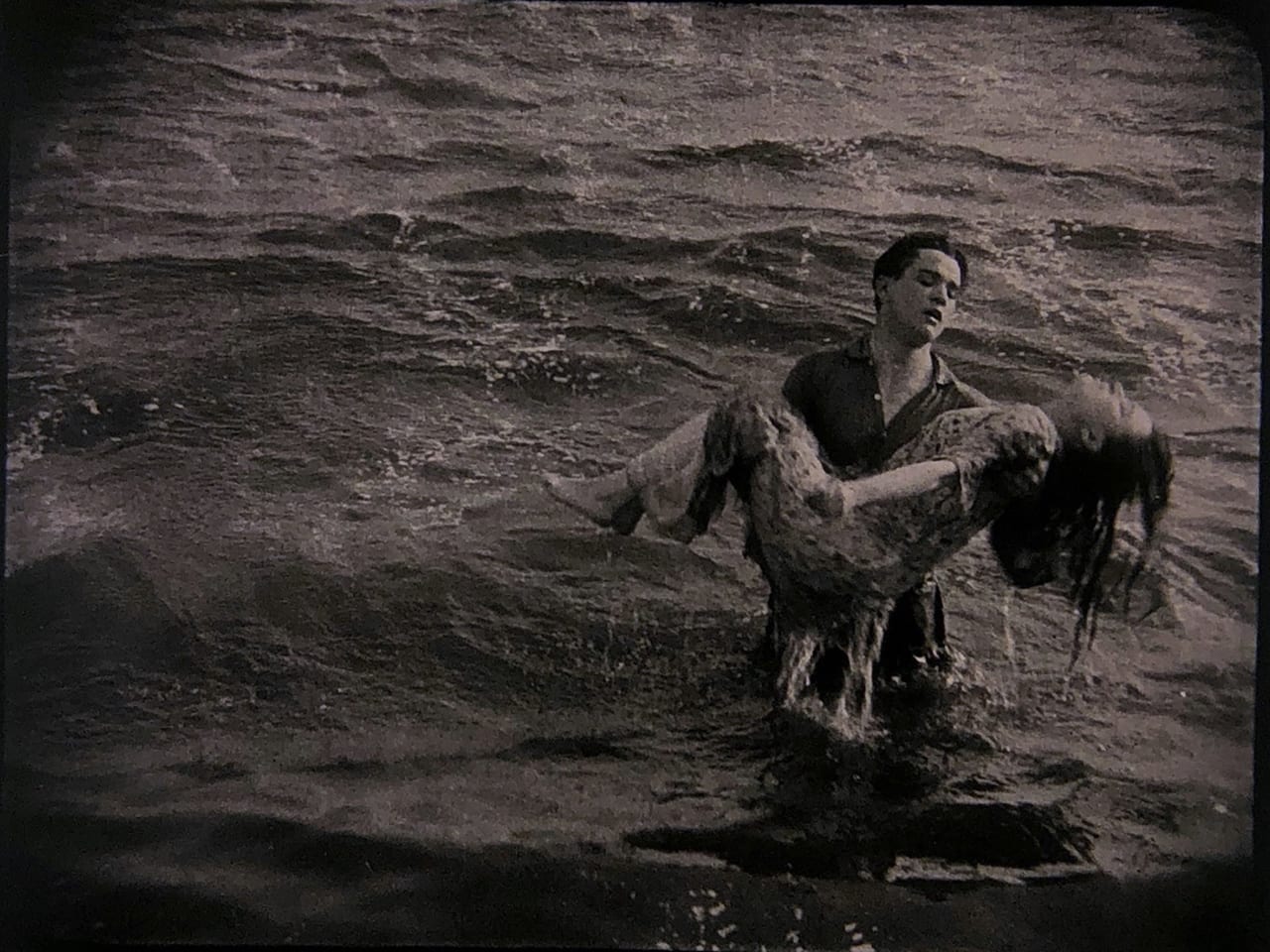
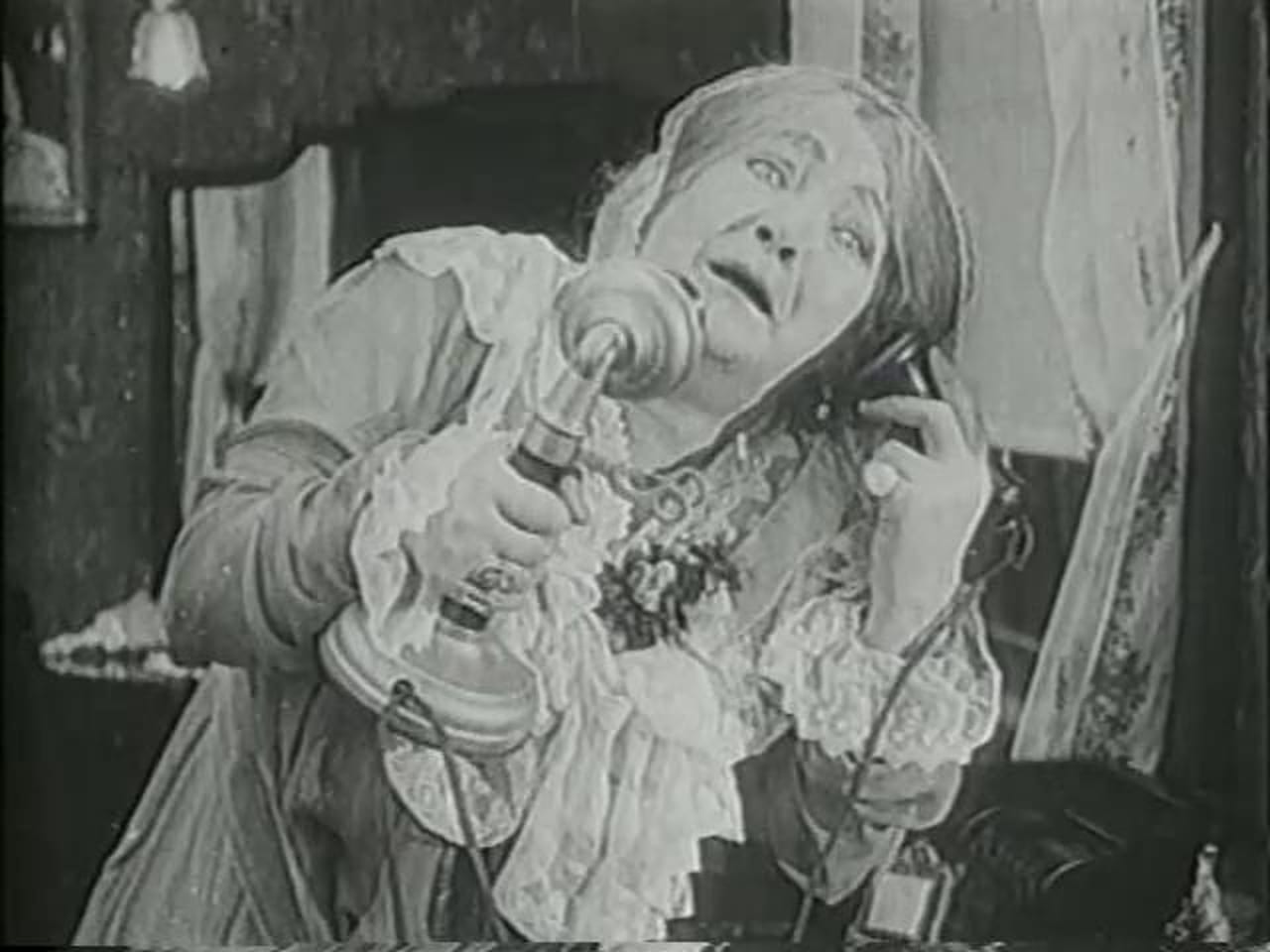
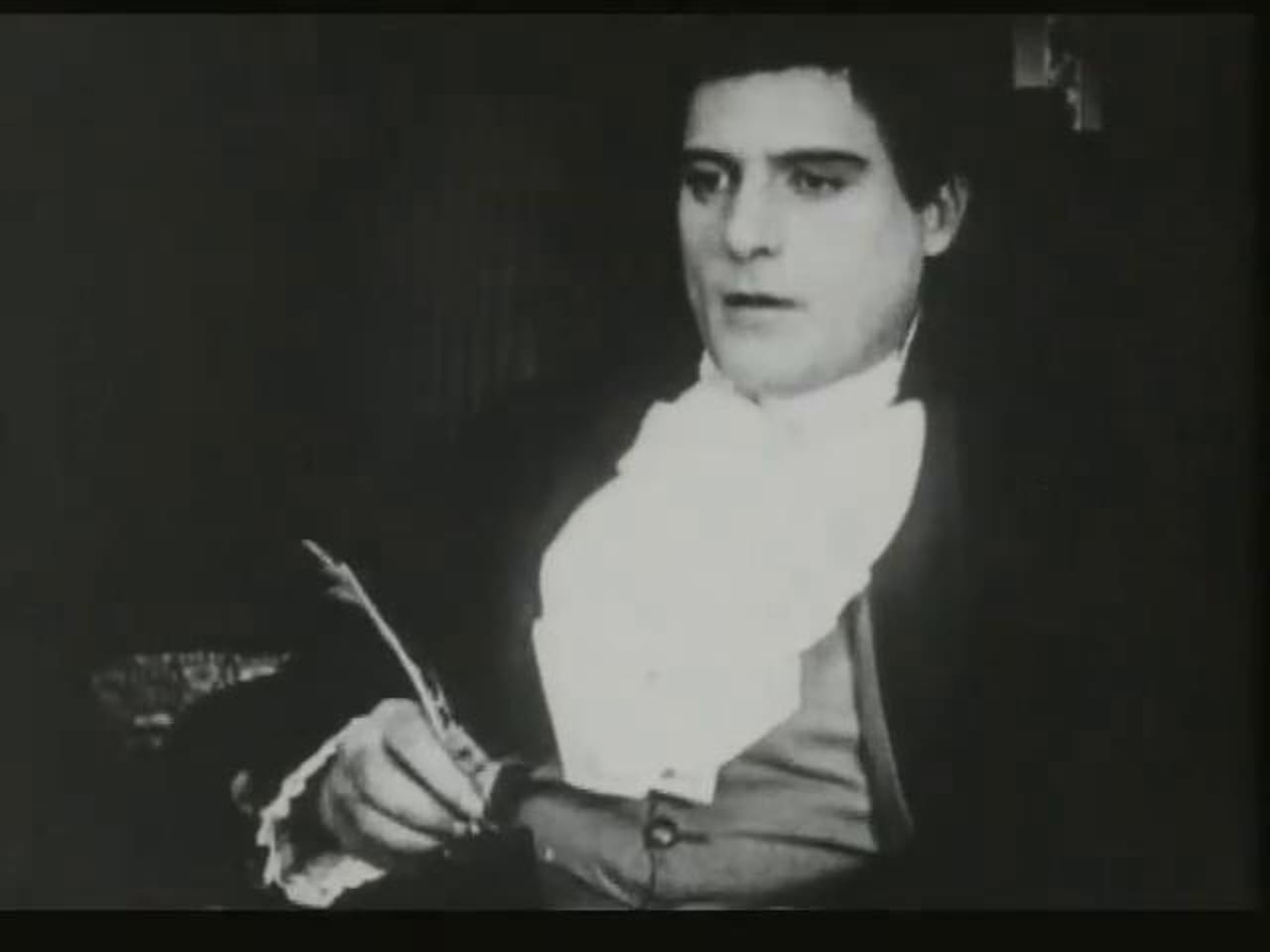
The story
“Viola Montrose, in the eyes of Gilbert Laurell, her manager, was a great discovery. She was fascinating, beautiful, with a wonderful stage presence, and Laurell was convinced that soon he should succeed in making her one of the distinguished women of the dramatic profession. But her debut in Camille was disappointing. However, as her manager was very much in love with her, he went to her after the opening performance and asked her to marry him. Viola told him that a few weeks before she had been married secretly to the only son of a wealthy family whose name carried great weight in society. It had seemed to her husband best to await a propitious moment for announcing to his parents their marriage. Viola did not care whether she succeeded on the stage or not. She could think of nothing except the quiet, happy home life in store for her.
“Though Ronald Hartshorn’s people consented to receive his wife, Viola found herself intensely miserable in her new surroundings. She shared the home with her husband’s father and mother, who could not overcome their resentment that an actress had won the heart of their son. The bride soon came to believe that Ronald himself regretted his step. So she went secretly to her father-in-law and told him that she would go away if he would advance her a large sum of money. Hartshorn, the elder, was only too glad to make such a bargain. Viola told her husband that she had decided to return to the stage, her only hope of happiness, and Ronald was deceived. But his father, happening to see Viola tear up the check, throw away the pieces, and burst into tears, kept his own counsel. Laurell readily was convinced that sorrow had given Viola the depth of emotional expression which her work had previously lacked. For her sake he revived Camille. The critics were astonished by the power she put into the part. At the close of the third act, Laurell went back stage to congratulate his star. He found her weeping. ‘Fame is nothing to me,’ she sobbed. ‘I have lost the love of the one man whom I ever could care for.’ The manager knew that the Hartshorns were in the audience. They had come as the guests of a friend, without realizing the attraction they were to see. Laurell sought Ronald Hartshorn. At first, the husband would not believe. But the elder Hartshorn had had his last doubt removed by Viola’s Camille. He confessed to the incident of the destroyed check. ‘She was only acting, son—for your sake,’ he said. Ronald hurried behind scenes to his wife. Laurell found that self-sacrificing love may be rich in compensation.”
Summary from Reel Life · 2 October 1915