The story
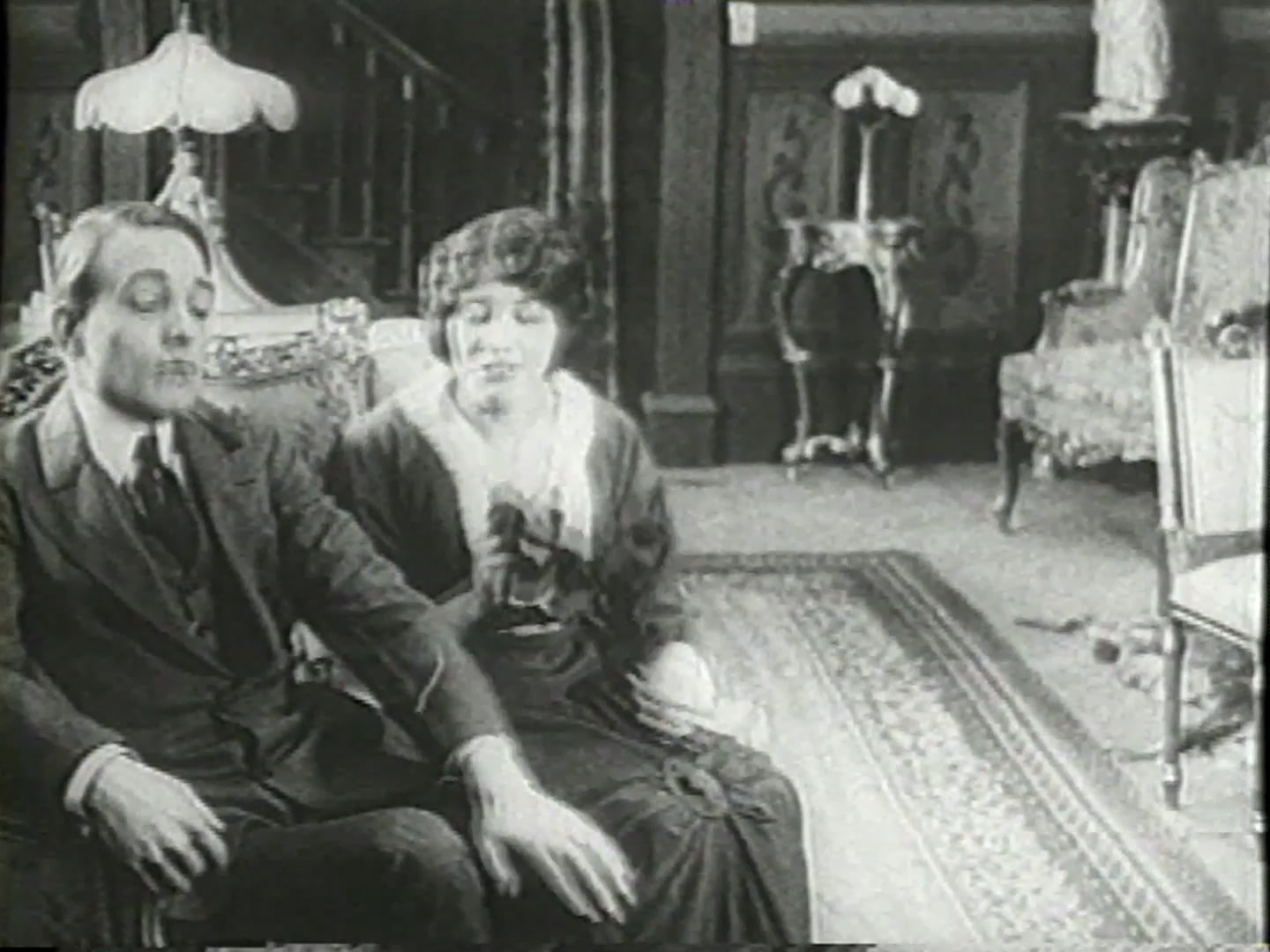
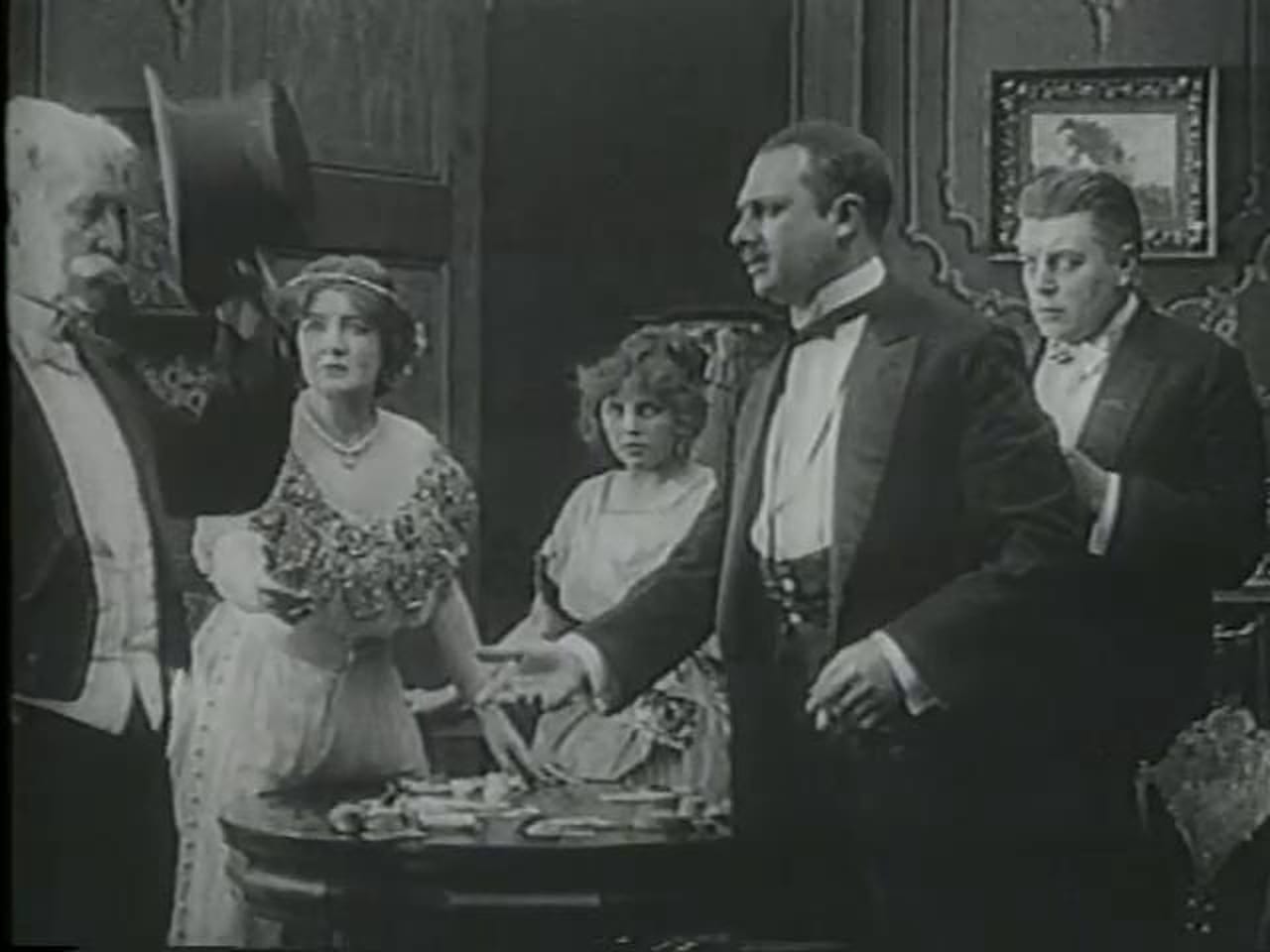
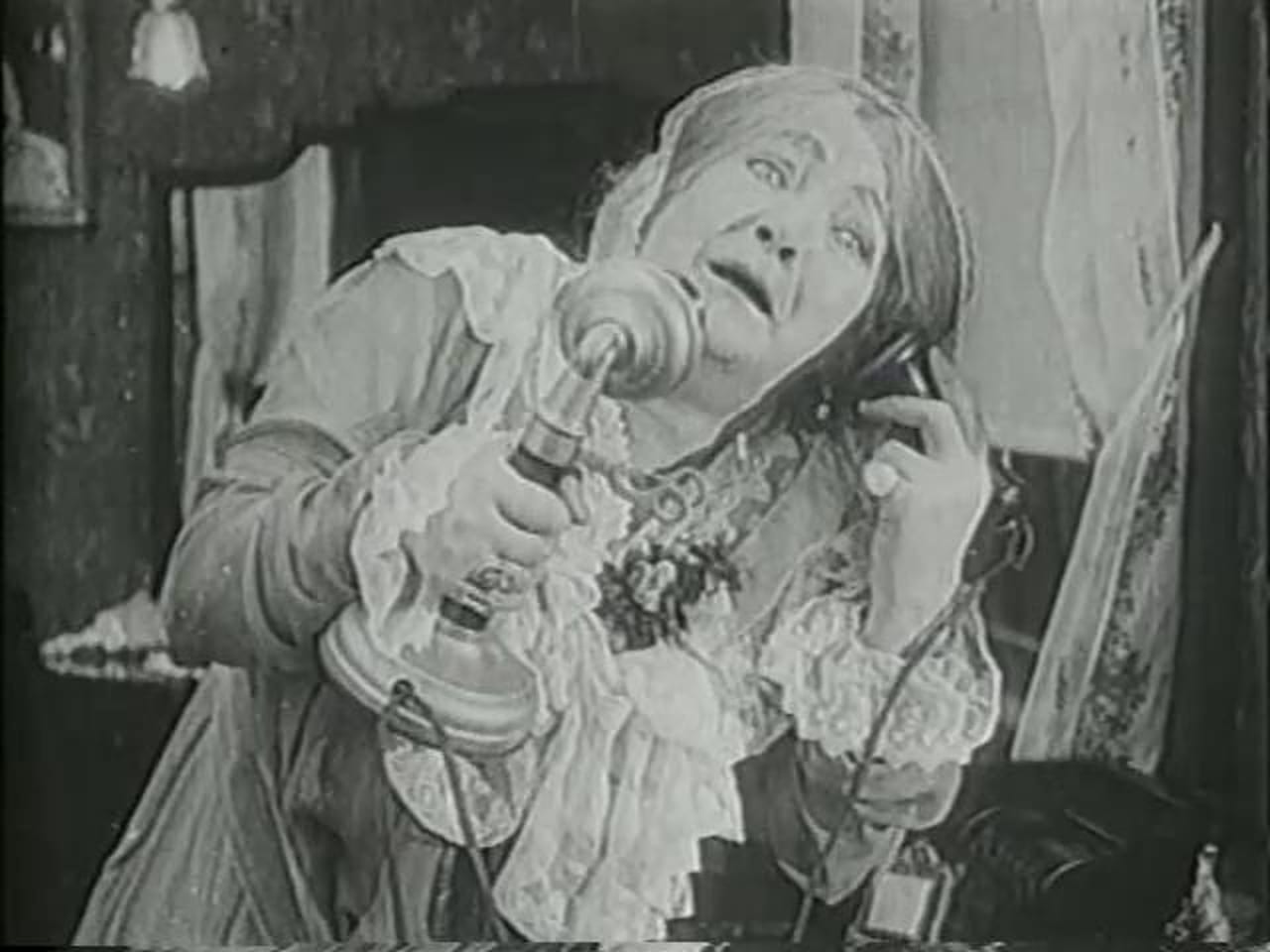
“Jim Price is engaged to Mary MacLaran, the daughter of John MacLaran, a working man. The little Connecticut factory town in which they live is prosperous, and the workmen have never had any difficulties with Trask or Wheeler, the factory owners, until Peter Black, a professional agitator, comes to the town and incites the men to violence. Price, much to the sorrow of Mary MacLaran and her father, falls under Black’s influence and consents to take part in a plot to dynamite the factory. Mary, however, induces him to throw over the conspirators. Black overhears Price disclose the plans to dynamite the factory, and with the aid of fellow conspirators brutally assaults the young workman. Mary goes to the factory to give the alarm, but Black and his men forestall her and while she, Ruth Wheeler, and Mrs. MacLaran are in Trask’s office the factory is dynamited. Wheeler is badly injured, and a bullet fired through the window of the office immediately after the explosion strikes Mary. The succeeding scenes of the play are designed to show the ruin which the closing of the factory entailed in the little mill town. MacLaran accepts Mr. Trask’s offer of employment in the new factory, which is to be built at Millville, Connecticut, and after Price has given Black a well-deserved beating. The last scene of all shows the MacLarans and Price making their way through the ruins of the village to the railroad.”
REVIEW, The Bioscope, July 30,1914:
“Such a film as this, dealing with the class hatred and the civil strife aroused by the labour unrest, is unhappily all too topical at the moment, and there is no doubt but that it will evoke a considerable amount of interest and discussion wherever it is shown. By means of an introductory sub-title, the Thanhouser Company make it clear that they designed The Strike as a film with a purpose. It is a vehement plea for the settlement of industrial troubles by arbitration, instead of by the fatal and ruinous policy of strikes. It must be admitted that they give a somewhat one-sided view of the question in this picture, which shows the employer as the innocent and injured party, and which lays the whole blame on a professional strike organizer, who preaches his message of discontent, and promotes it by the most unscrupulous criminal methods, solely for selfish commercial ends. However reprehensible their tactics may be in some cases, labour leaders, in England at any rate, are not always prompted by purely mercenary motives, nor are they wholly responsible for the tragedies of industrial wars, which, as often as not, are brought about either by the masters or actually by the men themselves. It would have been difficult, however, adequately to represent every point of view in a single picture, and putting argument upon one side, it cannot be denied that this Thanhouser film is a really striking production, which, in addition to its value as a drama, provides food for serious thought.
“As a play, The Strike is a remarkably fine piece of work. In many ways, indeed, it is one of the best films the Thanhouser Company have ever made. It is not merely a sentimental melodrama, lightly skimming the surface of a vast problem. It actually touches the heart of a very vital subject, which is extremely near to the lives of most picture theatre audiences, and its object as a problem picture is not hopelessly spoiled, as is so often the case, by a conventional, foolish, ‘happy ending.’ The note of realism which runs throughout the plot is ably carried out in the staging and acting. At the very commencement of the film, the right atmosphere is suggested by an impressive panoramic glimpse of a big industrial centre, with its grime and squalor and obscurity, vividly indicating the conditions of life which are dealt with subsequently in the story. There are also several other excellent views, giving a more intimate picture of the factory worker’s existence, and all these have an unescapable realism which greatly adds to the force of the production as a whole. The acting, moreover, could scarcely be improved upon, and the greatest praise for these vivid and wholly natural character studies is due to Mr. J. Sparks, as the sinister, bullying strike organizer; to Mr. George Welsh as the grimly determined factory owner, who fiercely refuses to be intimidated even while beholding his business and fortune falling in ruins about him; to Mr. Morgan Jones as the ‘old fashioned’ workman who alone recognizes the folly into which his comrades are blindly permitting themselves to be led like sheep; and to everyone else in the long cast, including Mr. Morris Foster and Miss Muriel Ostriche.
“There is a good deal more which might be said concerning The Strike, though nothing unfortunately for which we have space here. It is a really fine film, original, impressive, and convincing, and it should certainly be widely seen throughout the theatres. As we have suggested, it is more likely to provoke a great deal of discussion in many places, but his is all to the good, since one cannot but feel grateful for the refreshing novelty of a film drama which relies for its effect upon a basis more solid than mere trifling sentimentality.”
Summary from Reel Life · 2 May 1914