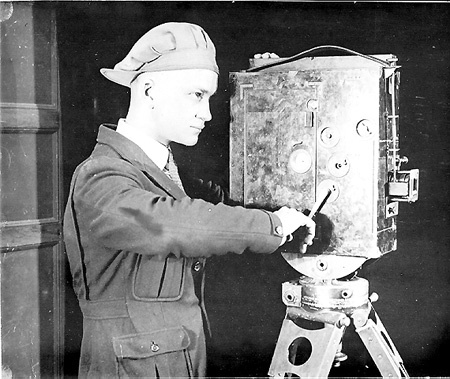
During the 1914-1916 years Gregory was a popular lecturer on the subject of motion picture photography. Among his audiences were the organizations to which he belonged, including the American Chemical Society, the New York Camera Club, the Screen Club, and the Cinema Club. In 1917 he worked in Florida for Technicolor.
An important event in Gregory’s life was the subject of an article in The Moving Picture World, February 10, 1917: “Carl Louis Gregory...was married to Miss Myrta Belle Strong in Jacksonville, Florida, on Saturday, January 20. The ceremony, which was witnessed by scores of the couple’s friends, took place at noon in the sunshine parlor of the Hotel Burbridge. The bride, who arrived from her home in Cleveland a few hours before the ceremony, was given away by C.A. (‘Doc’) Willat, manager of production for the Technicolor Company. The marriage of Mr. Gregory and Miss Strong brings to a happy climax the romance of 20 years’ standing. The beginning of the romance dates back to the time that both bride and bridegroom were attending school in Cleveland.”
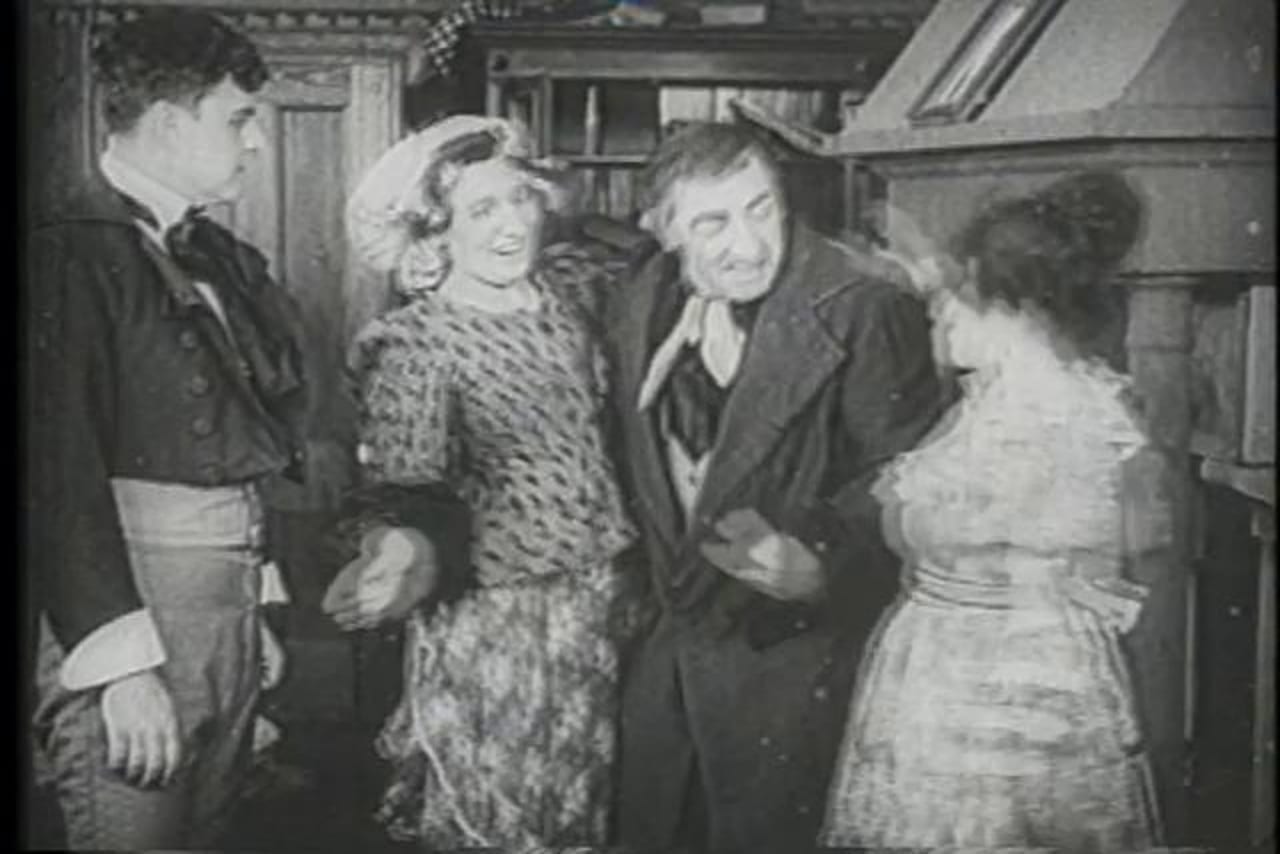
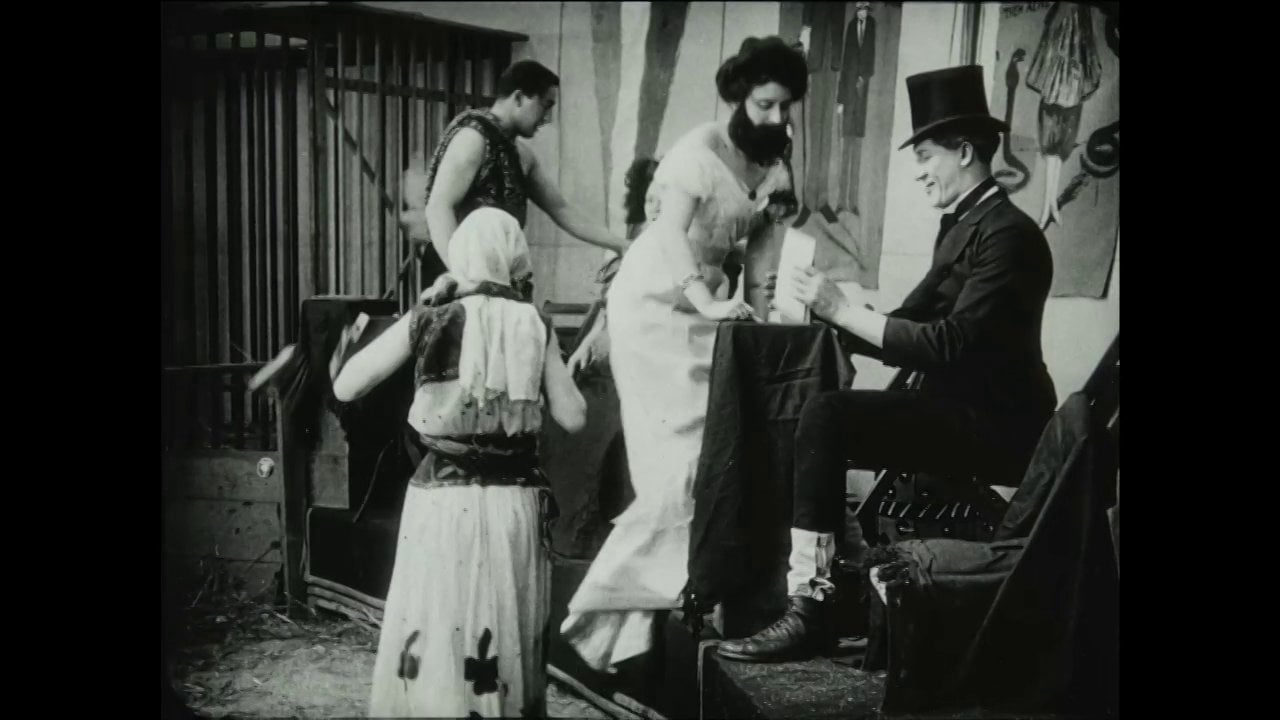
In 1918 he was a cameraman for the Fox film, Queen of the Sea, featuring swimming champion and physical culture advocate Annette Kellermann. During the World War, Gregory was the chief instructor in cinematography at the Signal Corps School of Photography at Columbia University, New York City, where more than 700 motion picture and still photographers were trained in a short period of time. He wrote a popular reference book, Motion Picture Photography. After the war, Gregory was an instructor in photographic technique at Columbia University. Later he was named as Dean of Photography at the New York Institute of Photography. He was director and cameraman for the 1920 Fidelity release of Love’s Flame. He was active in the field for many years, and in the late 1920s was considered to be the dean of his profession.
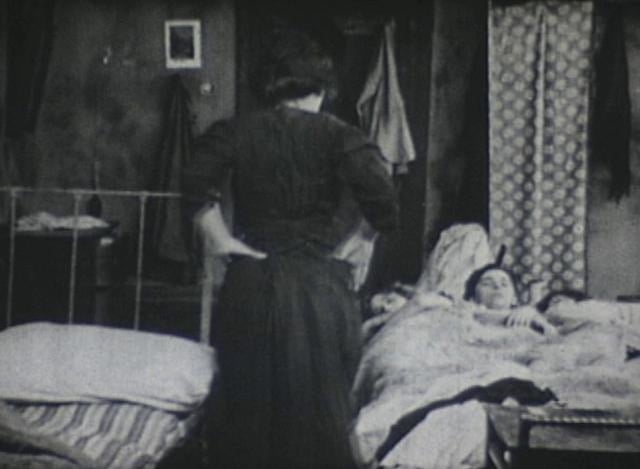
At one time he was chief of production for the Orient and India Pictures Corporation, affiliated with the Frawley-Blood Motion Picture Company of New York City, which took a company of 15 American and British actors to such far-flung places as Hawaii, Japan, China, the Philippine Islands, Malaya, Burma, the South Seas, and India. On the island of Hilo, Hawaii the film, The 13th Girl, was photographed. During the trip Gregory exposed 20,000 feet of film. Later he became a consulting engineer with the Kislyn Color Corporation, a firm which sought to exploit a color motion picture process invented by Louis Berthon. In the early 1940s Carl Louis Gregory did work for the National Archives and while there was the first person to attempt restoration of paper prints of early motion pictures.
Carl Louis Gregory died of arteriosclerosis after a year-long illness, at his home in Van Nuys, California on March 11, 1951. Services were held at Wee Kirk o’ the Heather, Forest Lawn. He was survived by his widow, Marie Garrison Gregory, and five sisters. Certain stills and other items from his estate were acquired by film historian Jonathan Miller, who sold them to Ralph E. Graham, M.D., who, in turn, loaned numerous photographs for inclusion in the present volume.