The story
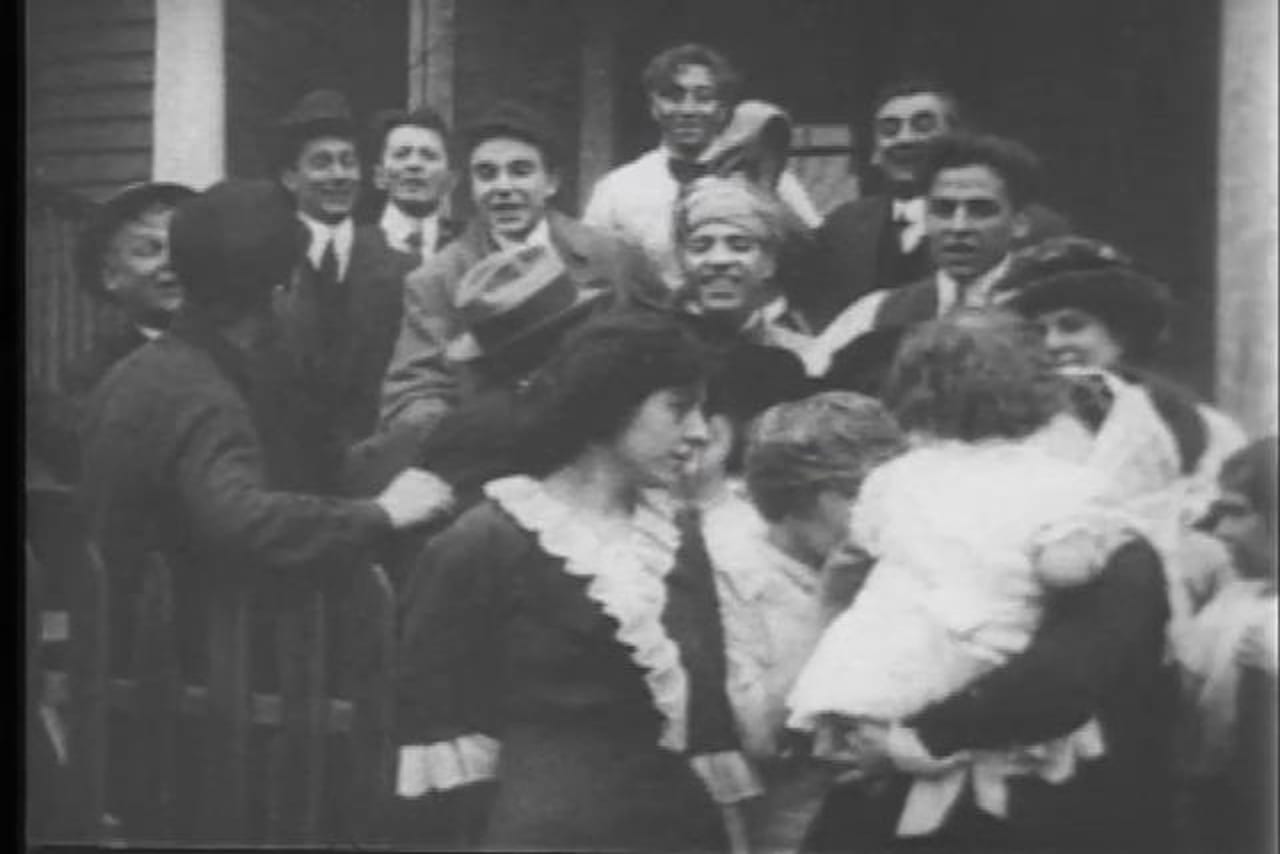
“In a certain Continental village, far removed from busy centres, on a beautiful summer day, the wedding festival of Blanchette and Pietro was being celebrated. The peasant folk, flocking about the radiant bride and groom, wished them happiness—all except one, Johannes, a rejected suitor. None knew that he had vowed in his secret soul to have revenge for the slight he had suffered. The happy marriage was blessed with years of contentment, with children, and with an ever-deepening love between husband and wife. But sorrow was not always to pass them by. One day the elder child, Lizette, was playing in the road, when a great touring car—an intruder rare in those parts—came sweeping round the curve. Lizette’s father reached the spot in time to snatch his daughter from the monster’s path. But he was struck down, the machine passing over his foot. Two months later, Pietro was up and about, although he was no longer the magnificent specimen of health and physique that he had been. He moved slowly now, dragging the useless foot behind him.
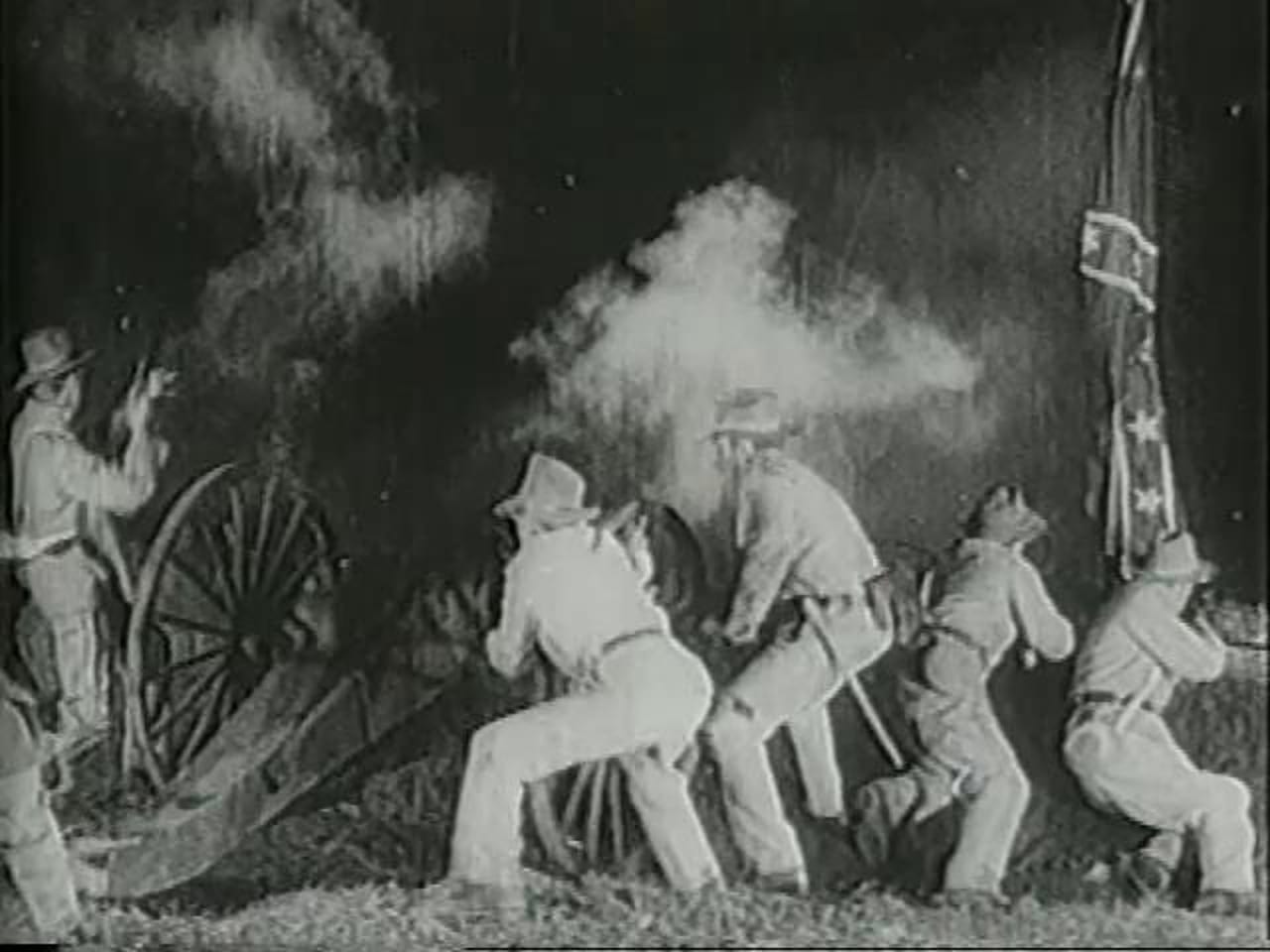
“About this time, virtually without warning, war was declared. The nations of Europe divided into two hostile camps. In the little village of Blanchette and Pietro, the war sentiment was strong. The men rushed to the colors. One of the first to go, a hero in the eyes of his fellow townsmen, was Johannes. On the eve of his departure, he called at the crippled man’s cottage. ‘Well, and what do you intend to do?’ he asked Pietro, with veiled malice. It was painfully humiliating to Pietro to have to confess that he now was useless to his country. His old rival talked grandiloquently of his own intentions, not unmindful that the eyes of the pretty wife were filled with an involuntary admiration. War seemed the vocation, indeed, for the rejected suitor. News of his exceptional fearlessness in action from time to time found its way back to the village. For bravery on the field, he was made a sergeant. After that, tidings ceased. The villagers began to mourn him as dead. Could they have known where he actually was and what he was doing, they would have grieved more that Johannes had not died before ever he was tempted to buy his freedom from the enemy with dishonor.
“Some weeks later, the spy returned to the village. But his townspeople knew him only for the brave defender of his country he previously had been. He told everybody a thrilling story of his escape. Meanwhile, he had sent word to the enemy that the defenseless village was theirs, unless certain of the peasantry who suspected trouble should destroy the bridge. Then, slashing his arm with his sword, Johannes staggered into the cripple’s cottage. ‘Our own countrymen are on the way,’ he gasped. ‘But the invaders are approaching from the other side. Only by destroying the bridge can the town be saved. I was going to do this myself, when I was seen and shot down by a sentry.’
“Pietro, with explosives in his possession, was taken captive by the invaders, just as he was in the act of firing the bridge. By that time, the spy had stolen off to keep his rendezvous with the enemy’s commander. As Pietro was marshalled before the chief, Johannes muttered, ‘I will tell Blanchette.’ Then the patriot realized that he had been the victim of treachery. However, he did not flinch when told of his doom. The spy did not linger for the execution but hurried back to Blanchette’s cottage, where he told her how he had caused her husband’s death. ‘And now you belong to me!’ he cried, seizing her and pressing her close. The next instant his arms fell from about her. He staggered back. In the doorway stood Pietro, his clothing dripping water, his face covered with blood. He flung himself upon Johannes. They struggled desperately. Outside, a squad of the invaders, pursuing Pietro, whose weight had broken the rotten rope on which he had been suspended, saw a man’s head in the cottage window. The officer gave the order to fire. The spy fell, a bullet through his heart. Pietro and Blanchette, clinging to one another, took refuge in the inner room. They heard the soldiers at the door. Cries of ‘The enemy!’ suddenly cut the air, and the detachment fled to rejoin the invaders. Pietro’s own countrymen, thousands strong, were coming, an army of deliverance.”
Summary from Reel Life · 29 May 1915