1914Thanhouser CompanyTwo reelsLiterary adaptation

The Golden Cross

No copy you can watch online. No print is known to survive. What follows is what does: the release, the cast, the story, and what the trade press said at the time.

The story

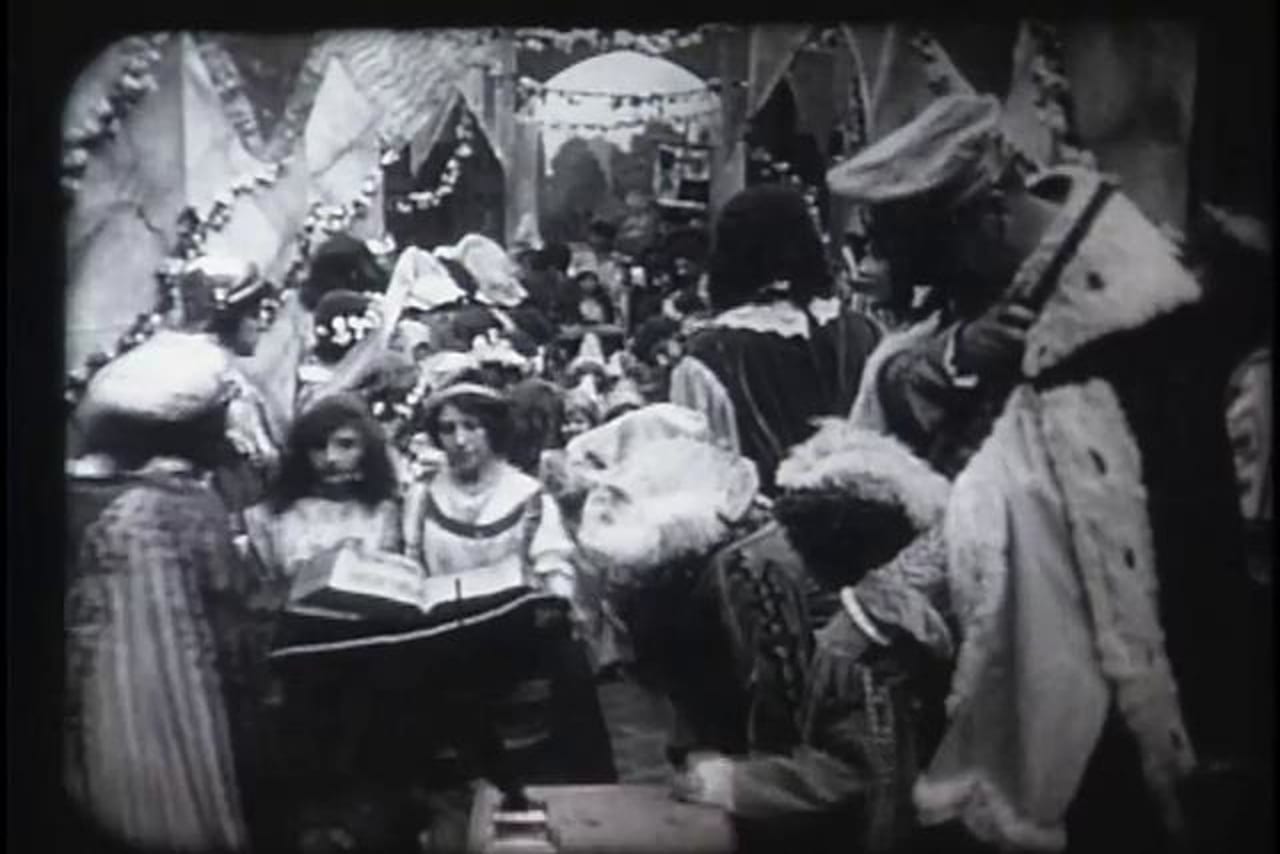
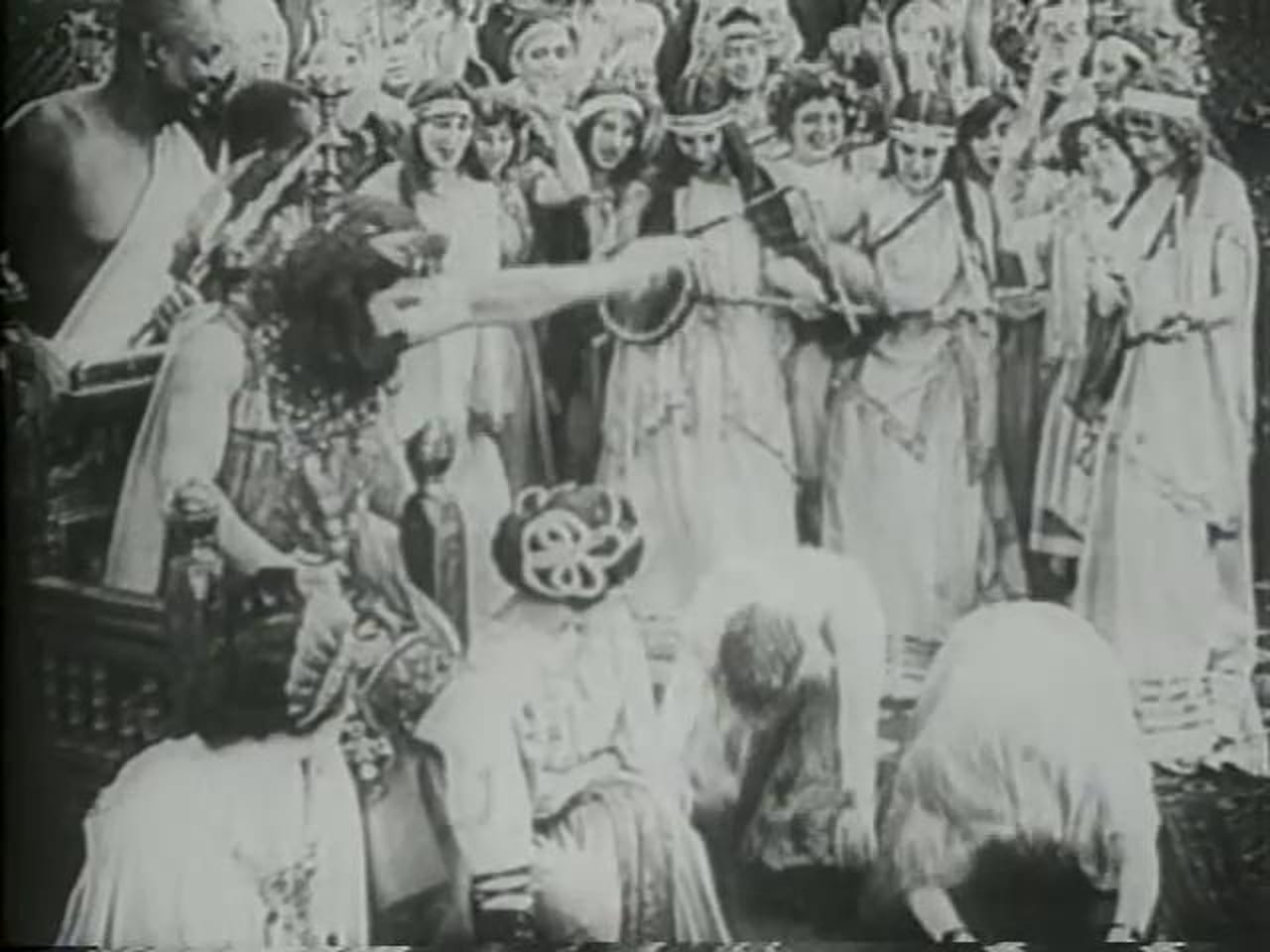
“Melun, a miller, and his sister, Christine, live alone in a little French village. The wars of the First Napoleon have denuded the country of its able-bodied, young men, and at last, just as he is about to marry Theresa, his sister’s dearest friend, Melun is also named in the conscription. Christine strips a gold cross from her breast and offers it as a pledge of her promise to marry any one who will serve as her brother’s substitute in the army of Napoleon. A young French nobleman, visiting the village in disguise, is smitten with Christine’s beauty and accepts the offer. While lying wounded on the battlefield a sergeant steals the golden cross from the young noble’s breast and returns to the village to press his claim upon Christine. Christine, although suspicious of the sergeant, is about to comply with the terms of the bargain when the young count, who had escaped from the prison where he had been confined during his convalescence, confronts the sergeant with his dishonor. The count and the miller’s beautiful sister, needless to say, take the first opportunity to consult the village abbe regarding a wedding ceremony.”

Summary from Reel Life · 21 February 1914
Background of the scenario

The opera, Das Goldene Kreuz, was composed by I. Brüll and initially performed in 1875 in Berlin. The opera was derived from a play by Melésville and Brazier. Melésville, a woman, (1787-1867) was a dramatist and librettist who wrote or co-authored numerous operas.

What the papers said

3 reviews · 1 advertisement

“A story which is as entertaining as it is original is presented in this two reel subject. Laid in the time of Napoleon, it has correct costuming and is staged in such a way as to obtain the right atmosphere. The plot is an unusually good one. A young French miller is notified just as he is about to be …

Read in full · 1 min

“A story which is as entertaining as it is original is presented in this two reel subject. Laid in the time of Napoleon, it has correct costuming and is staged in such a way as to obtain the right atmosphere. The plot is an unusually good one. A young French miller is notified just as he is about to be married that he has been drafted by the army and that he can escape service only by sending a substitute. His sister takes a gold cross from her neck and announces that she will give it to anyone that who will go to war in her brother’s place, and that when he returns she will marry the man if he has the cross. A young nobleman in disguise accepts her offer, but when he is wounded a petty officer, who knows of this condition and admires the girl, steals the cross and going back to the village, demands the girl in marriage. She feels bound to consent, although she of course knows that he is not the man to whom she gave the cross. Fortunately the young nobleman recovers and arrives just in time to prevent the ceremony and marry the girl himself.”

The Morning Telegraph · 1 March 1914

“This two-reel picture features Maude Fealy and has evidently been written for her to display her talents. It is a romantic vehicle and serves the purpose for which it was intended. She is very pleasing in the part and has good support. The story is a complicated one and a little dense in places. The settings are fine, especially the …

Read in full · 1 min

“This two-reel picture features Maude Fealy and has evidently been written for her to display her talents. It is a romantic vehicle and serves the purpose for which it was intended. She is very pleasing in the part and has good support. The story is a complicated one and a little dense in places. The settings are fine, especially the exteriors, and with Maude Fealy as the star the picture can not be anything else but a success. If exhibitors book this reel they will surely please their patrons.”

The Moving Picture World · 14 March 1914

More reviews

11 March 1914The New York Dramatic Mirror2 min

“This is a two-reel adaptation to the screen of the opera of the same name. It makes a very pretty scenic, medieval offering, with the spice of interest well scattered over the length of the film. And then, Maude Fealy takes the leading role. That alone is enough to ensure the film, whatever the subject, plenty of attention. She plays a capable and charming delineation of the part; there is plenty of chance for emotional interpretation of which this versatile artist takes the fullest advantage. She is strongly seconded in her efforts by the rest of the cast, who take a very close place in the order of achievement. The play as here presented, divides itself into two parts, the first reel being of the more artistic drama type, while the second is of the melodramatic hue. The second reel is thrilling; the first is artistically set and pathetic. The costuming is noticeable for its correctness. The settings for their artistry, the close-up views for their beauty and distinctness, the camera for its clear work, and the director for a smoothly running story, are all parts of the production that merit praise.

“The bashful miller finally proposes to his sister’s chum, and everything is under full sway for the wedding day. On the bridal morning he is ‘drawn’ and the soldiers come in the house, for he must enlist at once and fight the foe. A stranger, who loves his sister, volunteers to serve in his place when he hears the sister promise herself in marriage to the man who volunteers. In the battle, the villain steals a token by which he is to recognize the man who volunteered, for he insisted that this be done without her knowing who it was [sic; this is inconsistent with the review in The Morning Telegraph]. The villain comes back and claims his bride. Once more the wedding bells are ringing, and the ceremony is to be performed when the volunteer rushes in, stops the ceremony, proves his identity as the man who enlisted, vicariously, and claims his bride. Then he reveals his noble descent to her.”

Advertisement

28 February 1914The Moving Picture World1 min

“A Maude Fealy feature that we put into regular service to make you want her in four-reel Big Productions. This has struck us as a bully way to popularize the latter stuff, and to get you a feature for which a state-rights office would charge nice money....”

Have you seen this film, or a print of it?

Prints of films thought lost still turn up in attics, private collections and archives. A record like this one is how the next one gets found.

Tell us about a print

Cast and crew

Cast
Arthur Ellery as the count
Charles T. Horan as Nicholas, her brother
Harry Benham as Count l’Ancre
John Lehnberg as Bombardon, sergeant
Maude Fealy as Christine
Mignon Anderson as Theresa, her chum

Every name opens that person's page, with each film they appear in and which of them you can watch.

Watch instead

Films you can watch from the same company

Matched by cast, director and kind

More about this film

Bowers’ notes
  1. Reel Life, February 21, 1914, named Charles Horan’s role as Melun, rather than Nicholas. 2. The miller’s name appears variously in accounts as Nicholas or Melun.

From Volume II: Filmography of Q. David Bowers’ Thanhouser Films: An Encyclopedia and History, reproduced with permission and unchanged. Read the history of 1914 →

Cite as: Bowers, Q. David. Thanhouser Films: An Encyclopedia and History, “The Golden Cross”. thanhouser.org/films/the-golden-cross/

Where a print is held

Held by
No print known