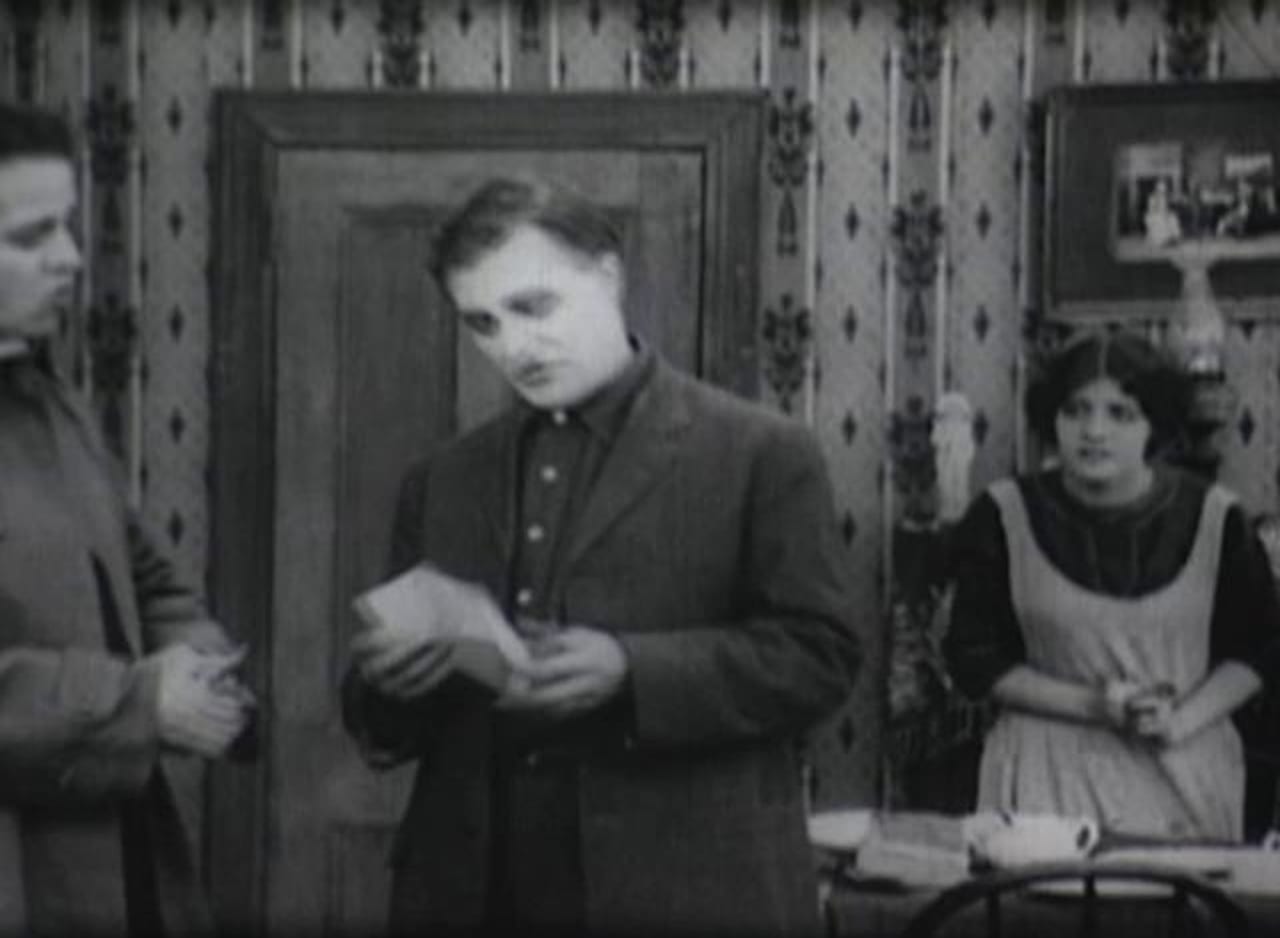
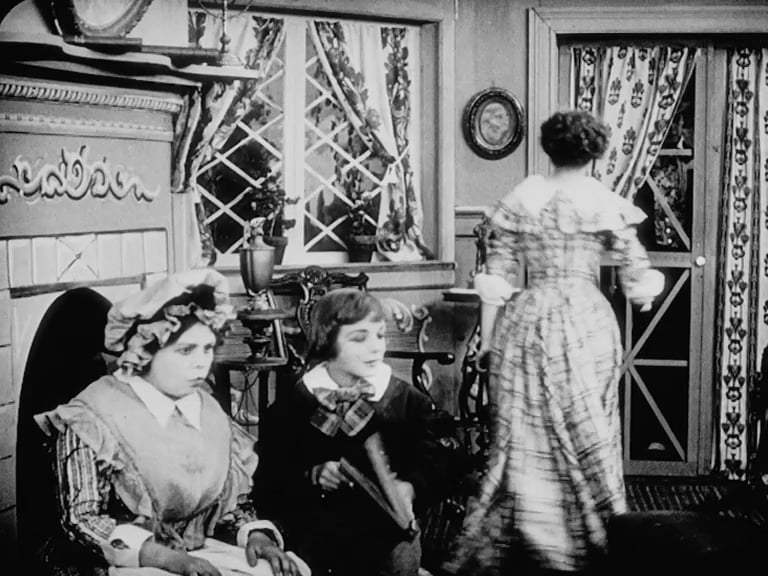
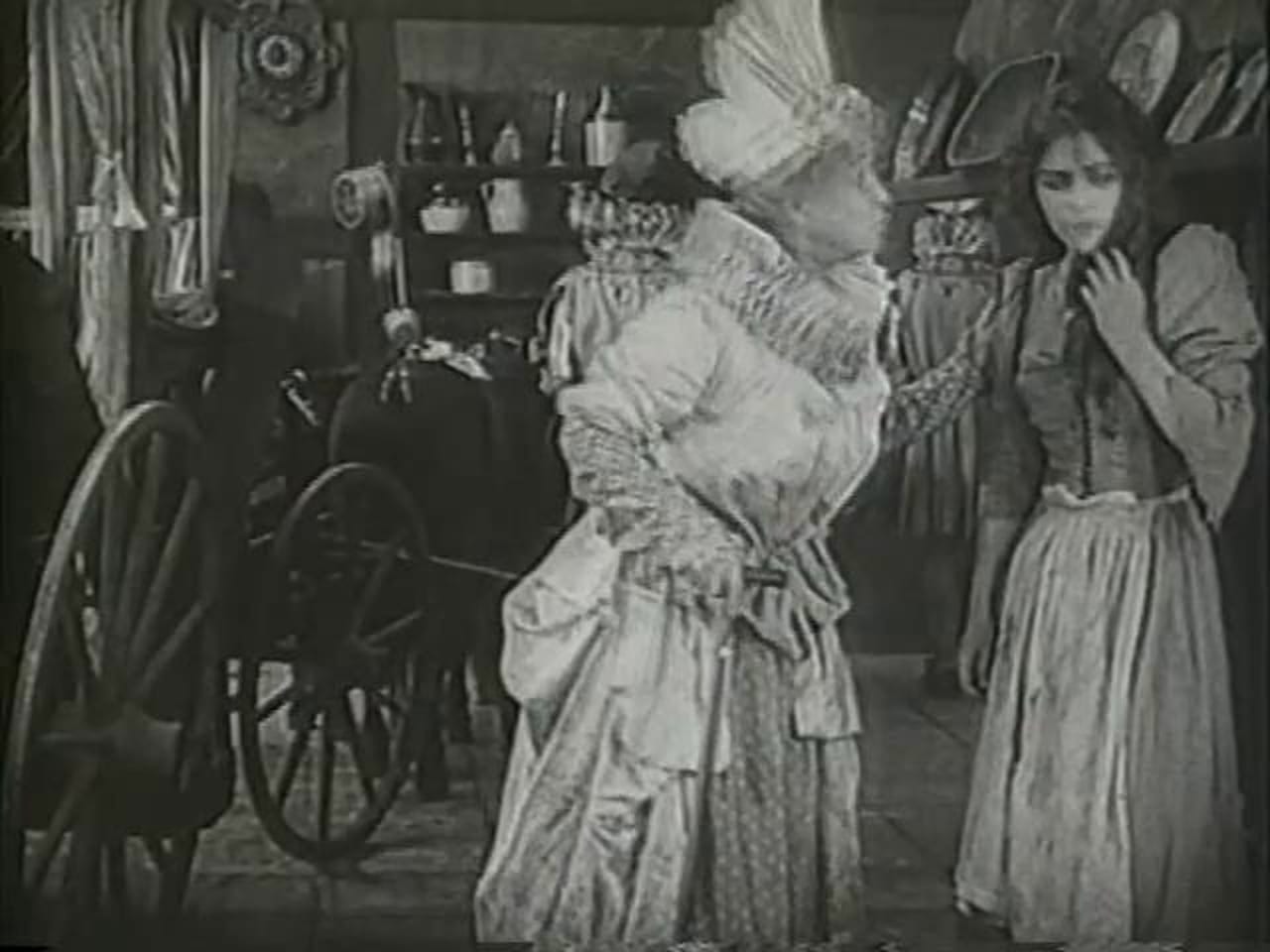
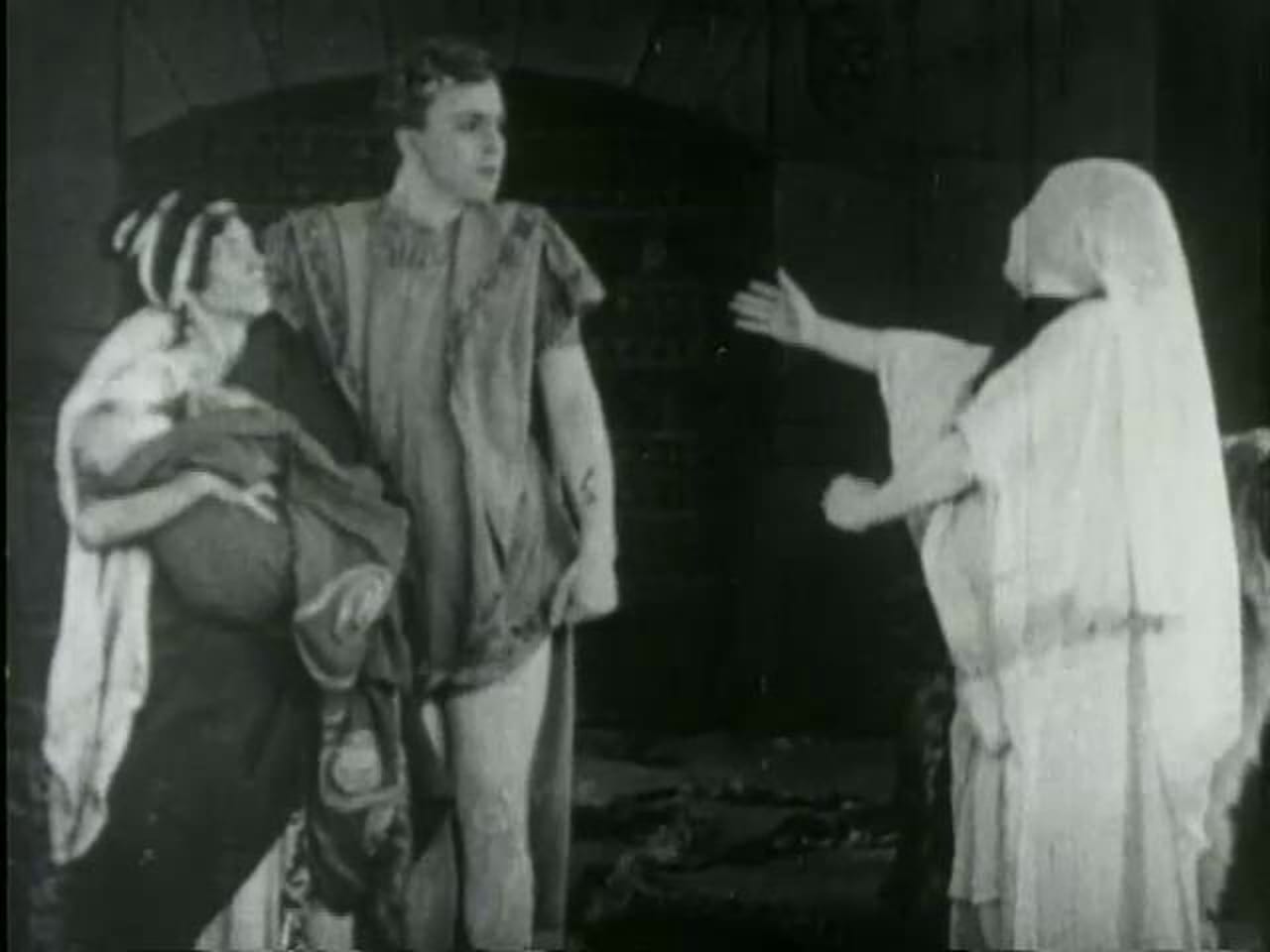
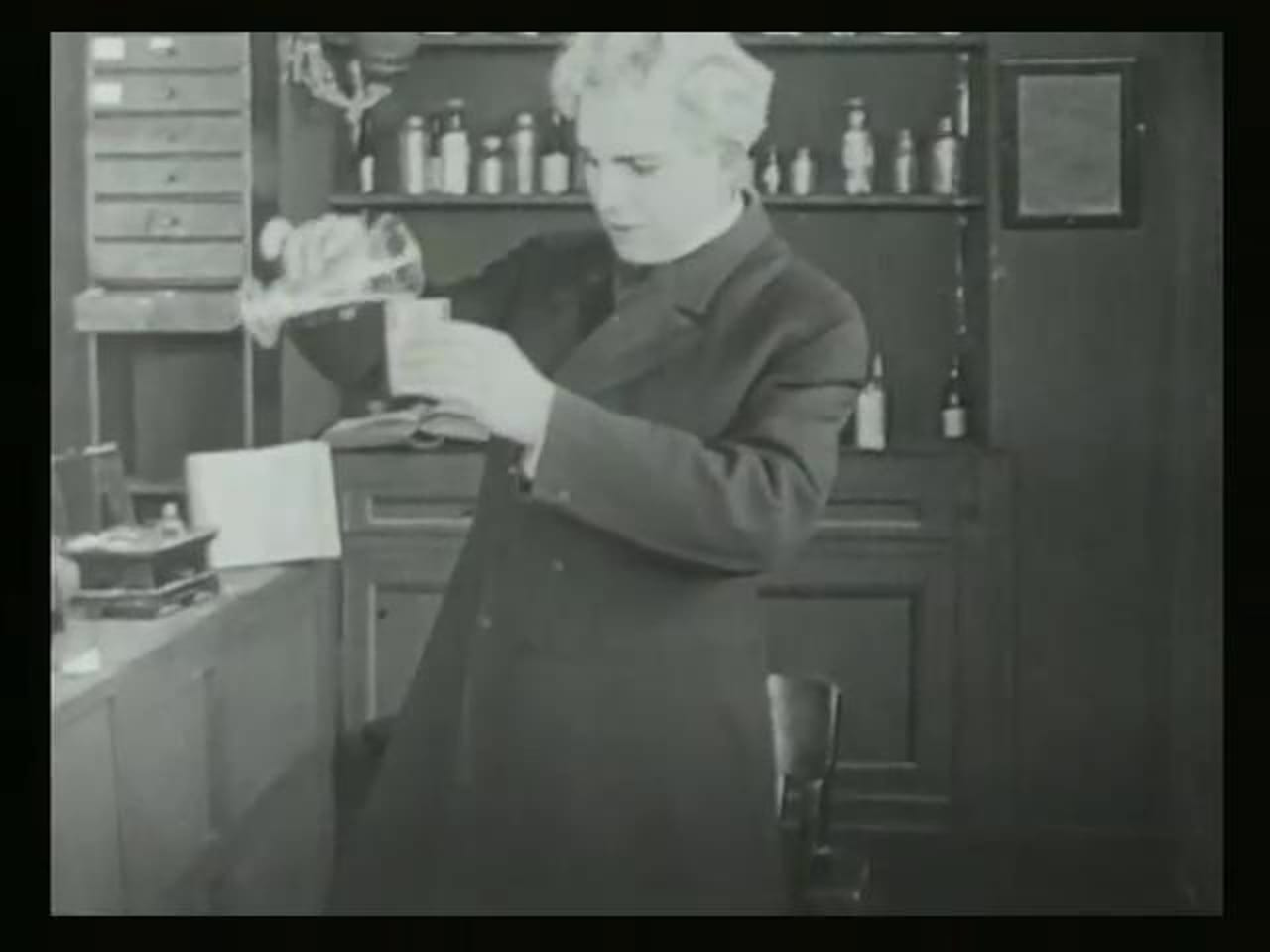
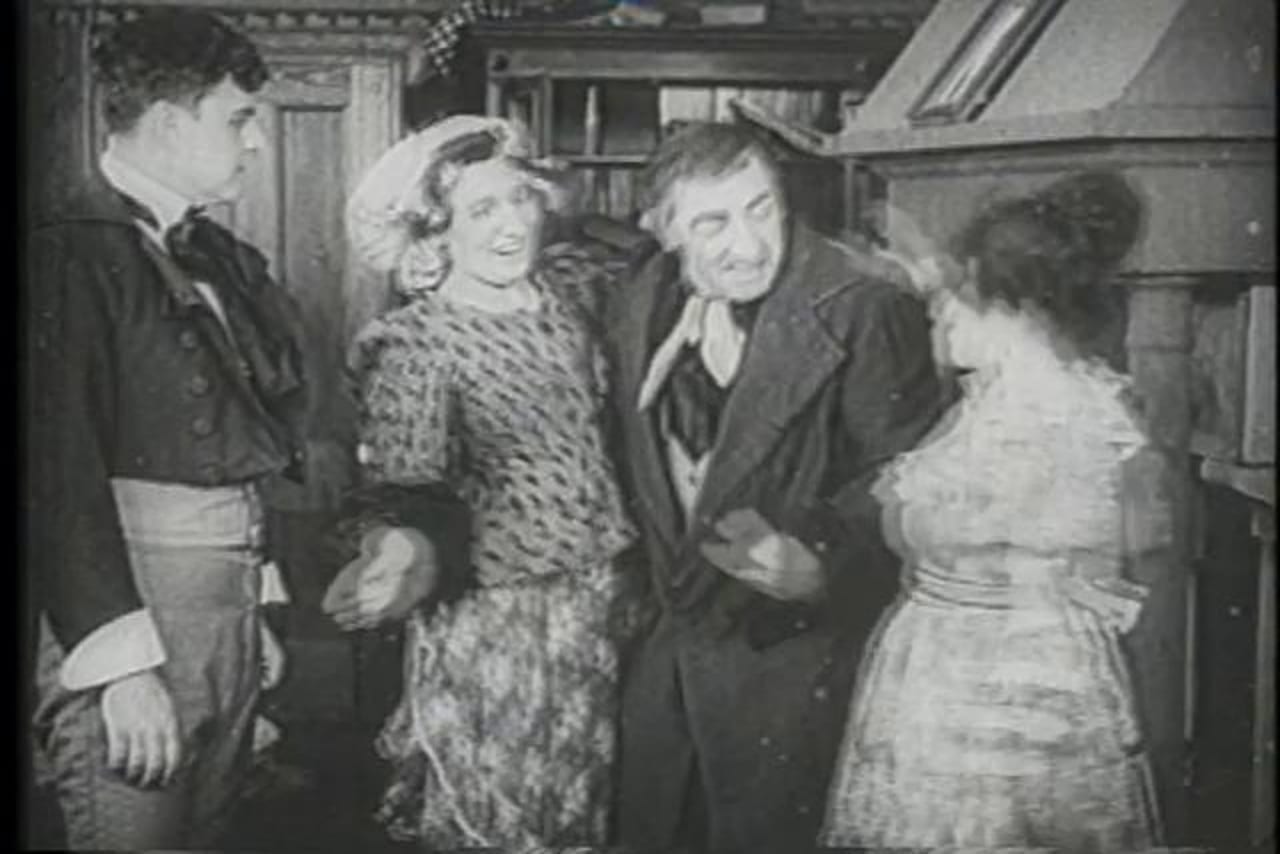
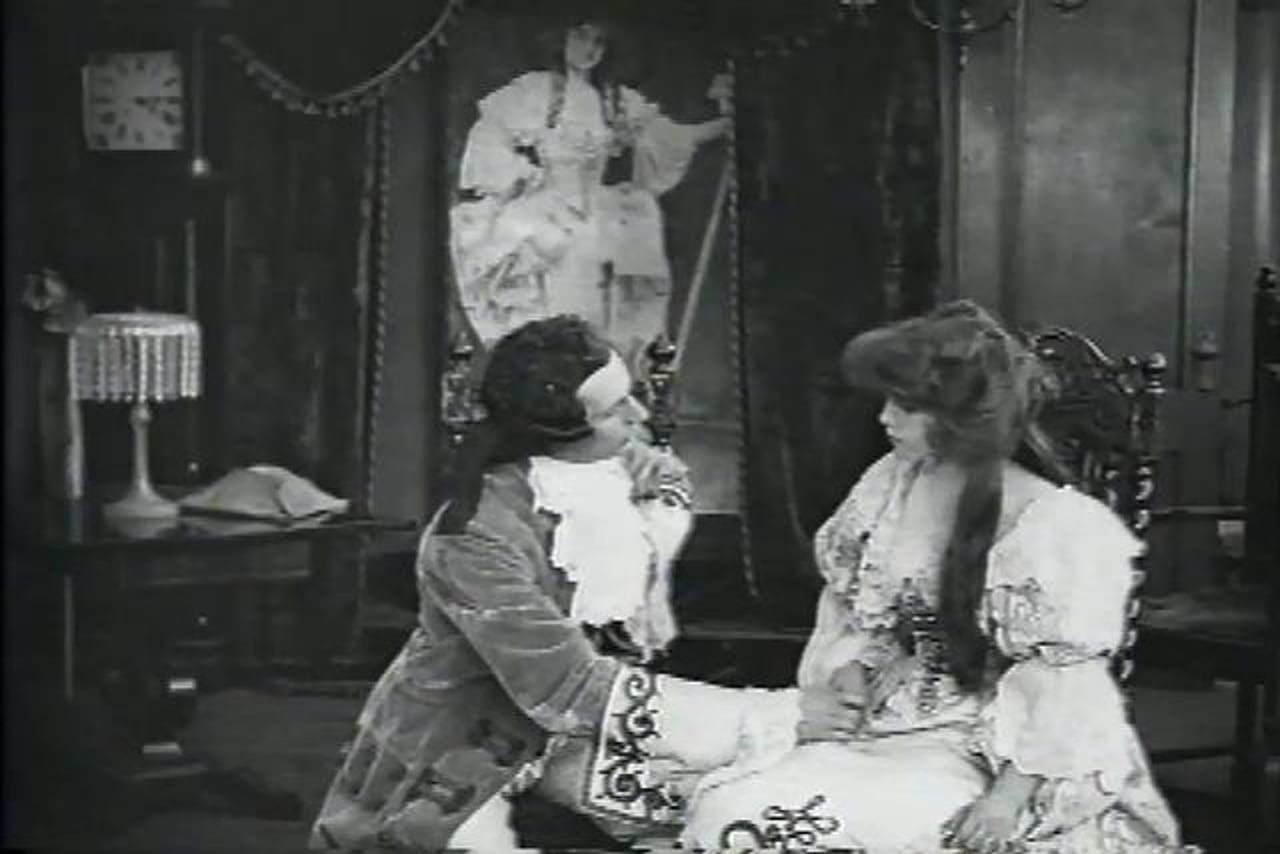
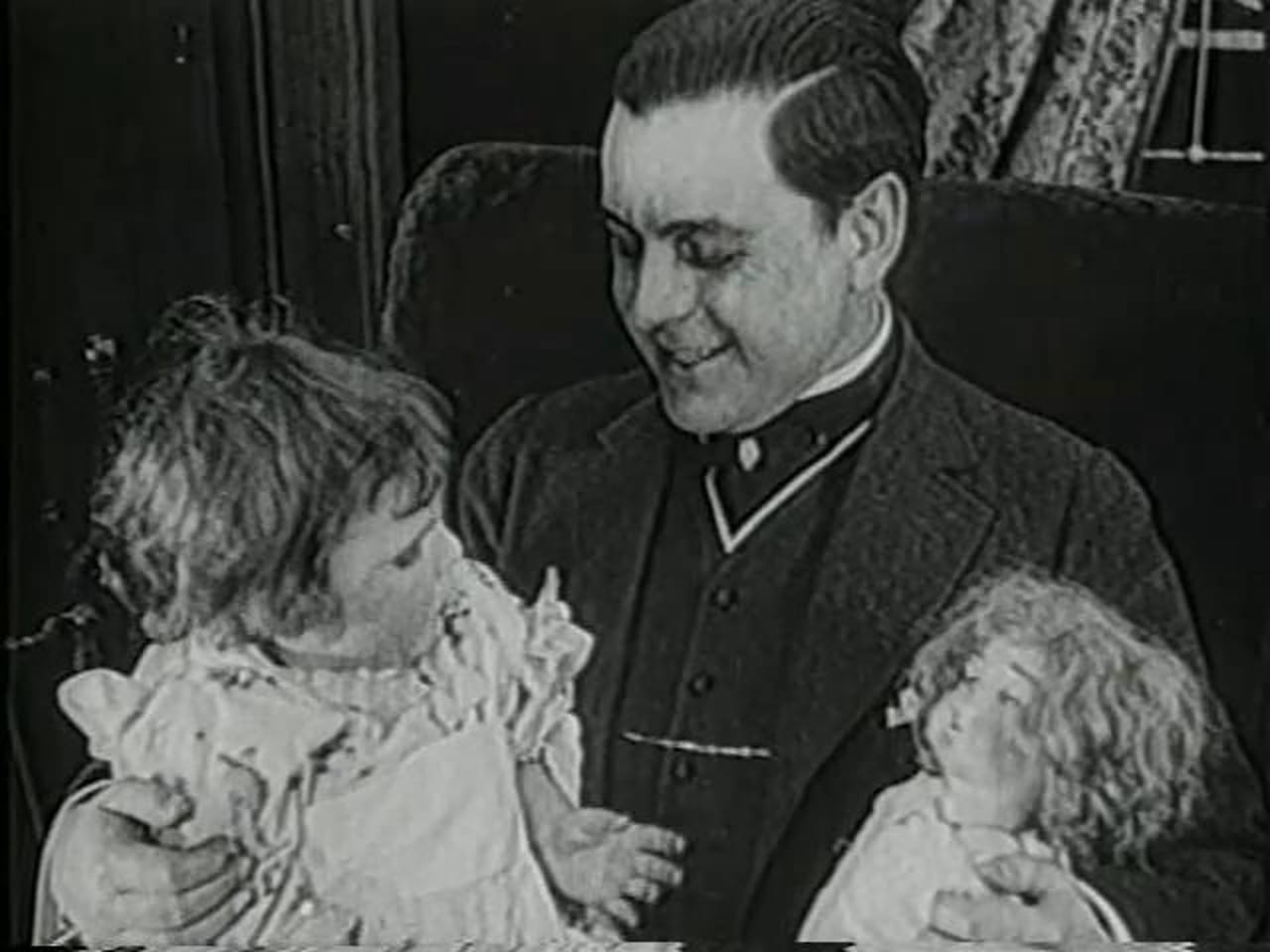
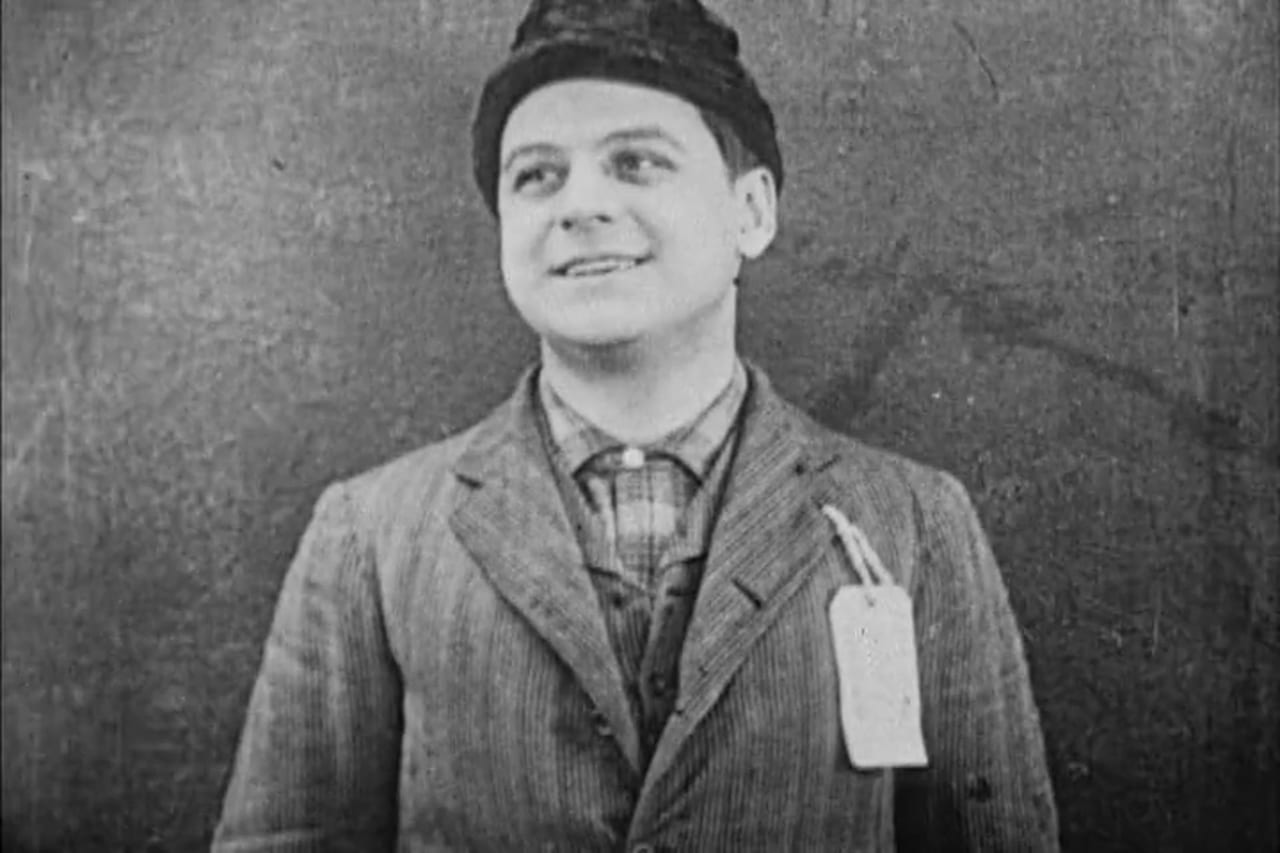
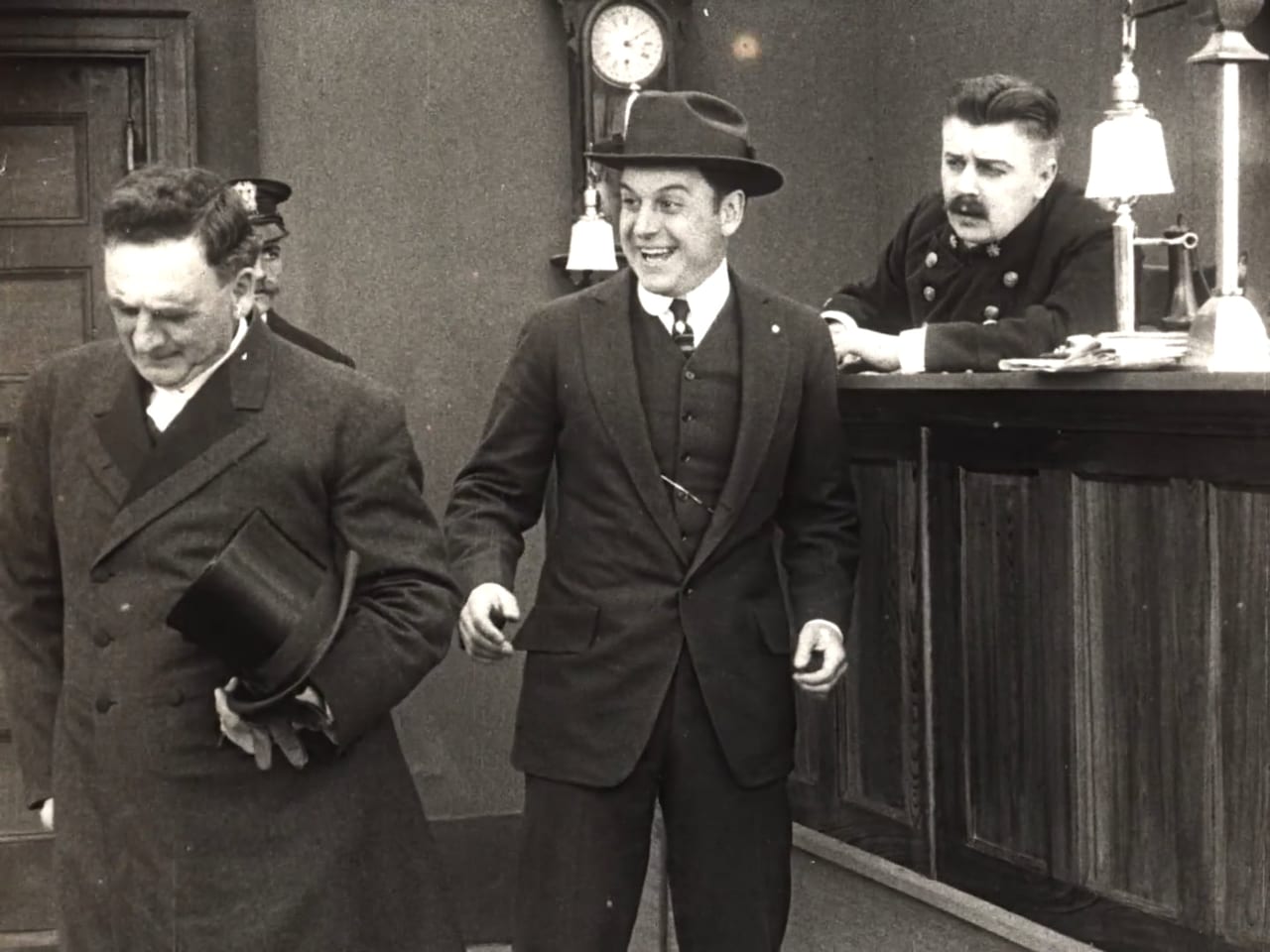
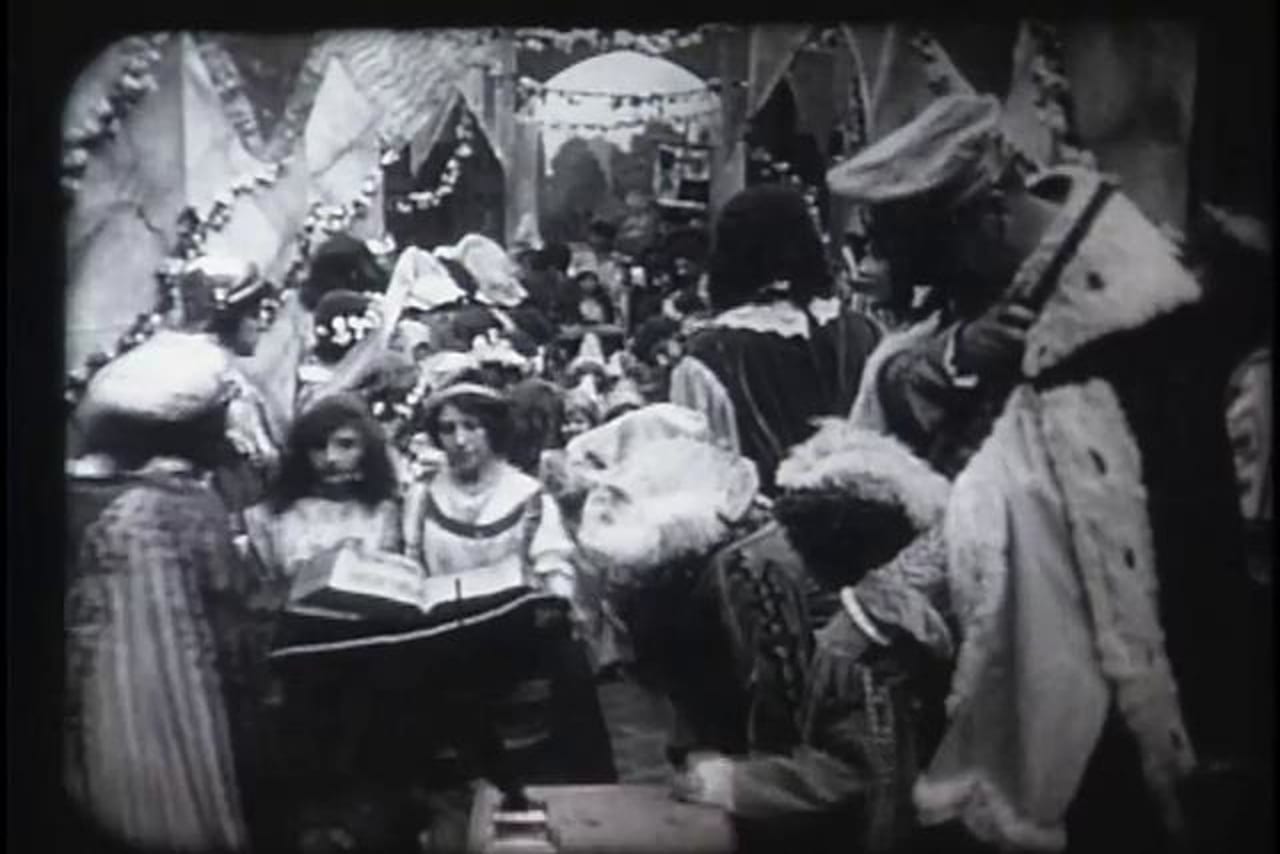
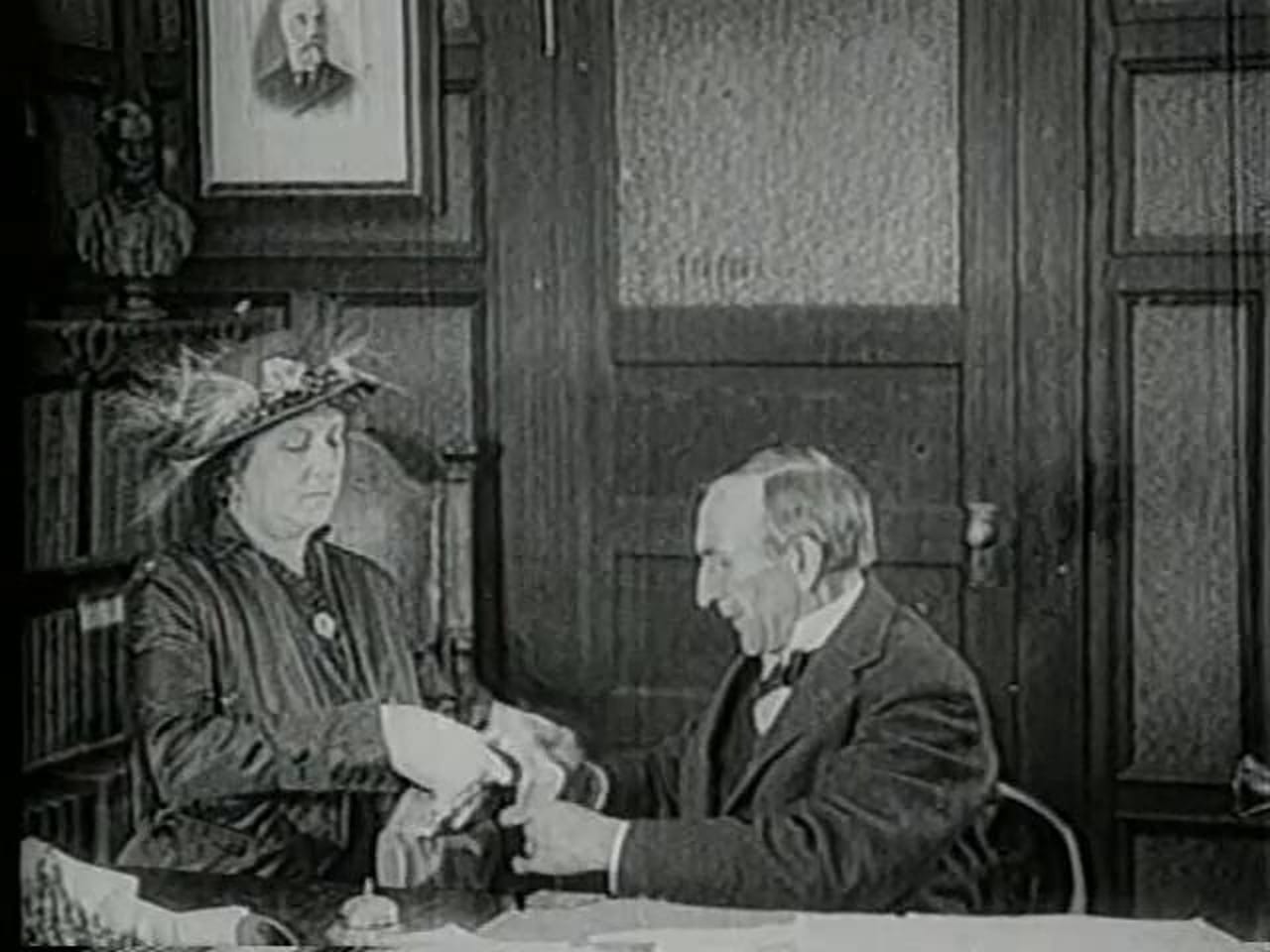
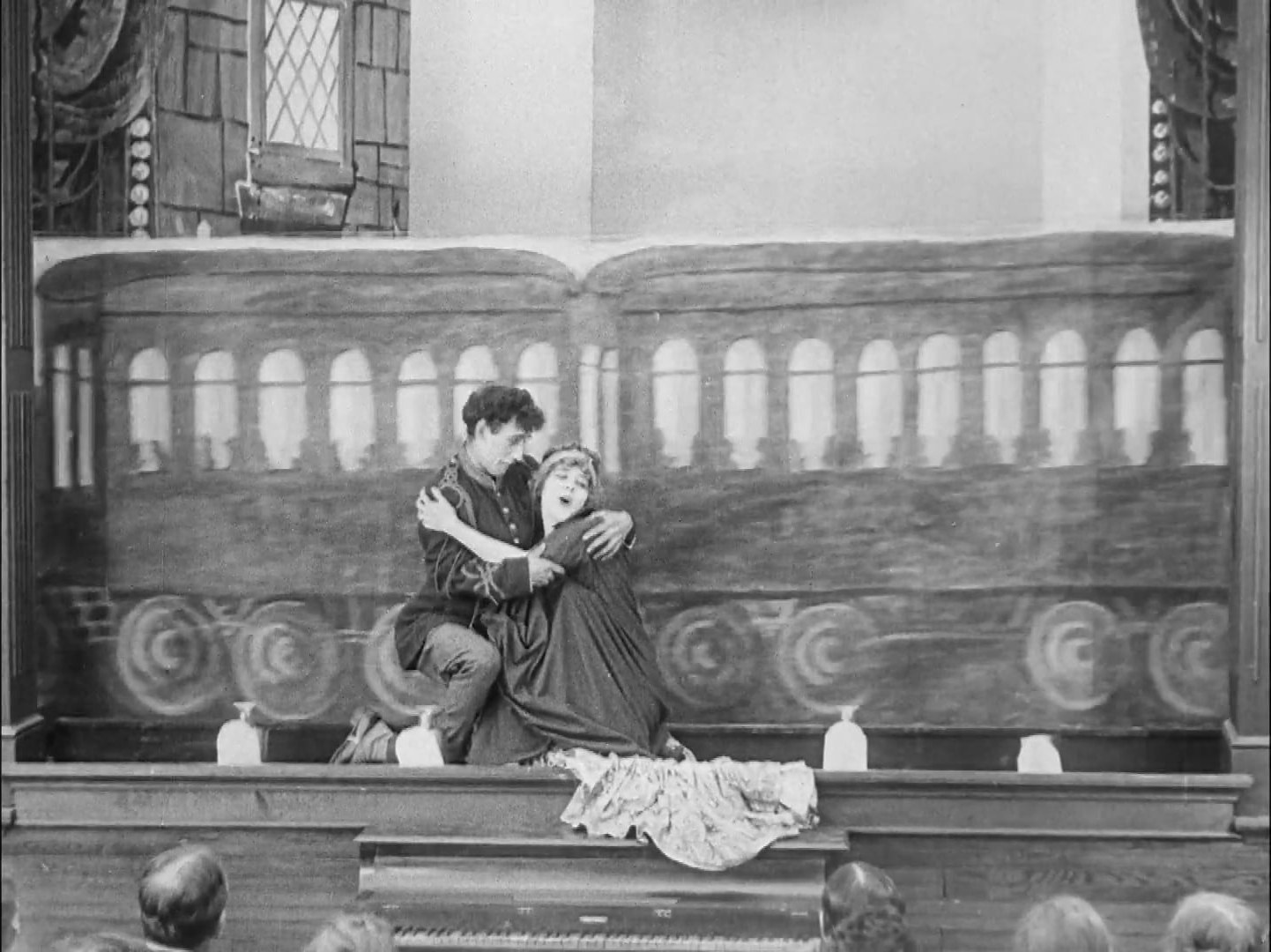
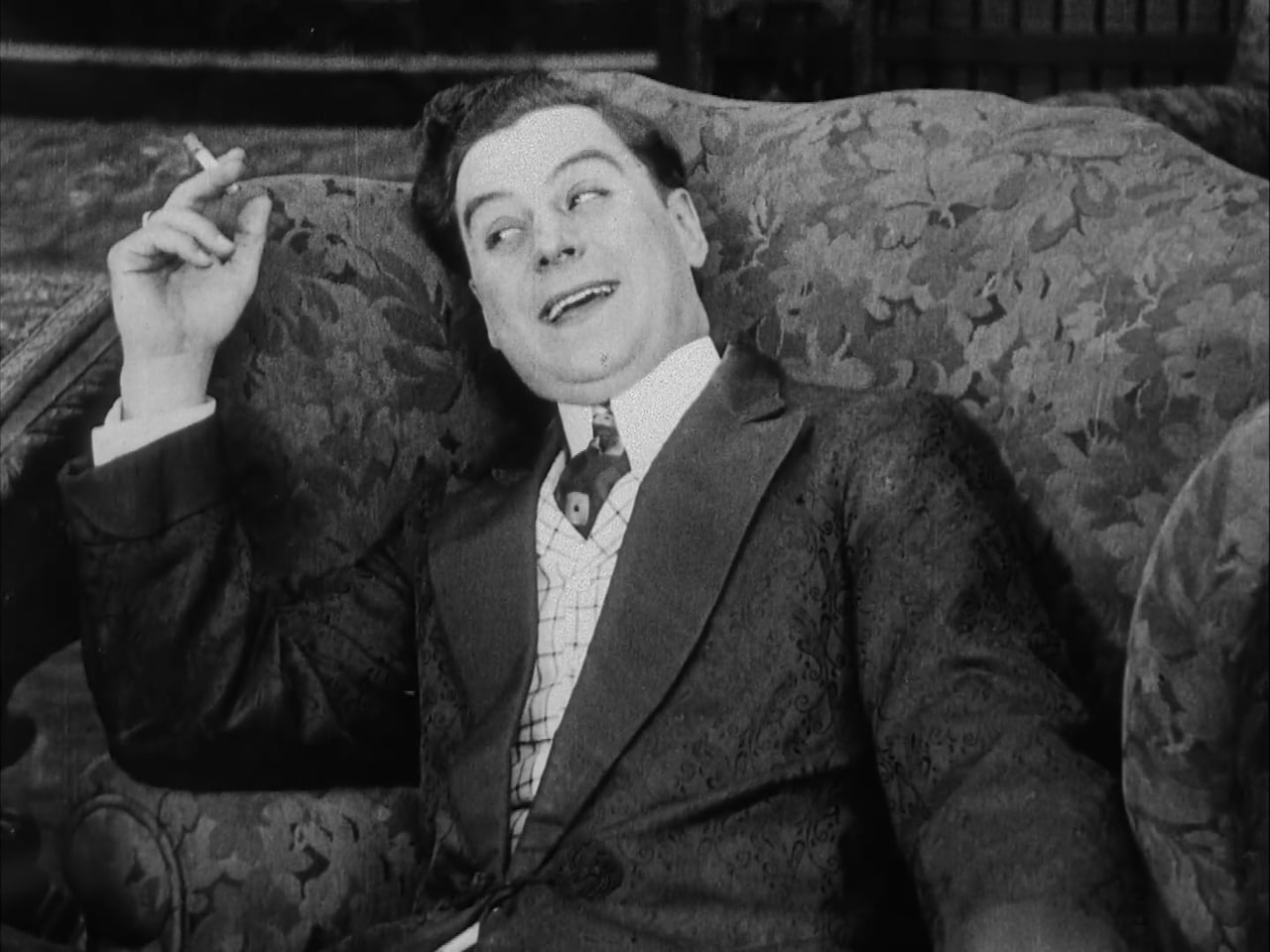
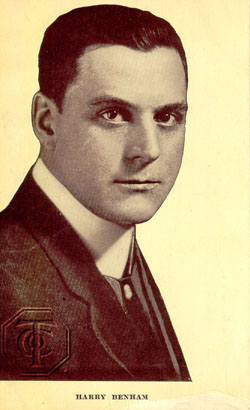
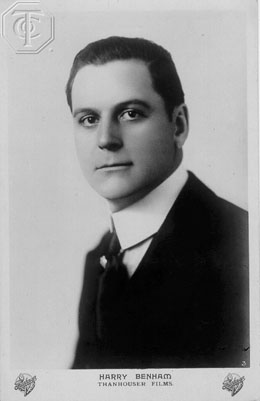
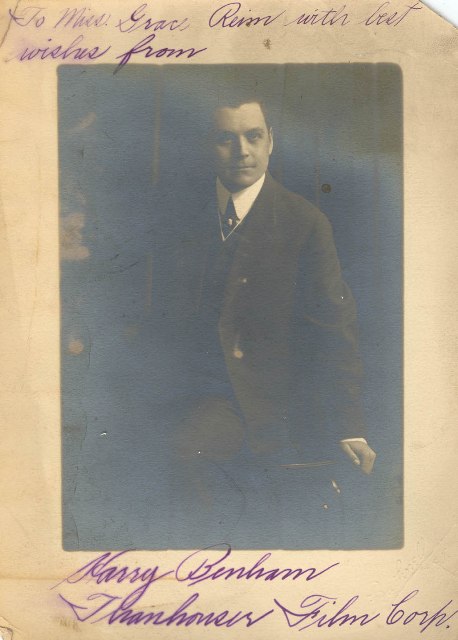
Harry Benham’s last day at the Thanhouser studio was Saturday, August 7, 1915, after which he and his children, Leland and Dorothy, went to Famous Players. This arrangement proved to be ephemeral, and soon the three were working for Universal in Coytesville, New Jersey. His wife, Ethyle Cooke, remained with Thanhouser, and the family continued to live in New Rochelle. Subsequently, Harry Benham appeared in many Universal pictures, including Man Inside, Joan of the Hills, Capital Prize, The Doll Doctor, Love’s Masquerade, The Girl Who Didn’t Tell, Peggy and the Law, When Thieves Fall Out, Mignonette, and Her Mother’s Sweetheart. Benham also appeared in the 1917 Astra release (through Pathé) of The Last of the Carnabys.
In 1917 Harry Benham worked with several studios and appeared in Warfare of the Flesh (Warren Productions, states rights), The Victim (Catholic Art Association), The Frame Up (American), Mischief Maker (Fox), and The Outsider (Rolfe for Metro). In 1918 he was seen in Convict 993 (Astra for Pathé), and in 1920 he appeared in The Dangerous Paradise (Selznick) and The Prey (Vitagraph), among others. Among his memorable later film roles was the male lead in the 1918 Select production of Cecilia of the Pink Roses, opposite Marion Davies in her second film. Benham was also seen in Hush Money (Paramount, 1921), The Road to Arcady (J.W. Films, 1922), Your Best Friend (Warner Bros., 1922), and The Town That Forgot God (Fox, 1922).
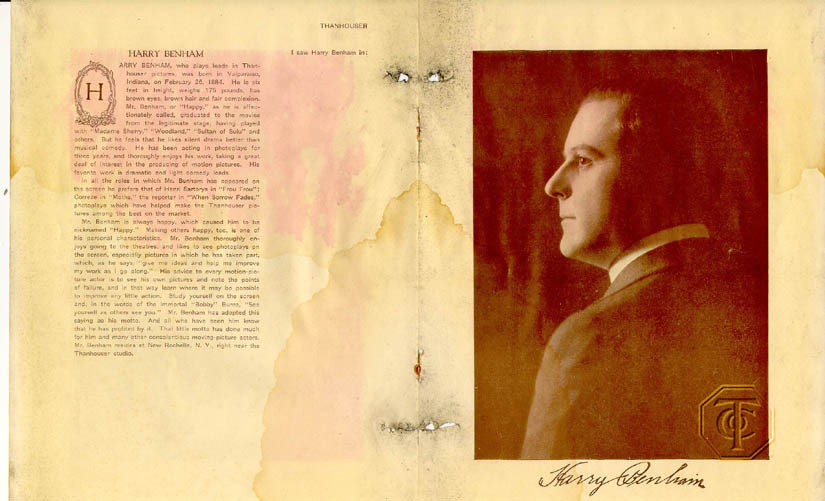
A directory in 1916 noted that he was 5’11” tall (a 1914 biography gave his height as 6’), weighed 175 pounds (a 1918 directory stated he was 170 pounds), and had brown hair and brown eyes. His pastimes included swimming, skating, horseback riding, golf, and tennis. In 1918 his home address was 209 West 107th Street, New York City.
The Cleveland Plain Dealer, January 2, 1919, told of Benham’s career before, during, and after the movies: “The best thing about the stage is that it furnishes us with a lot of our best motion picture players. Harry Benham, over at the Opera House this week—making believe he’s a real live lord—really belongs to us. And so does his wife, who was Ethyle Cooke. Because they both became well known in pictures and worked together in them. Cleveland has a further claim on them in that they were married here. It was during Mr. Benham’s engagement with the Peggy From Paris show, and it happened in a church right on Euclid Avenue.
“Now there are two Benham children, a girl and a boy, but that’s getting away ahead of the story. It all began in Chicago, where a lot of nice things begin. Mr. Benham was working in a bank or something, and singing in a church choir on Sundays. Someone told him he had a ‘stage voice,’ whatever that is, and he went right down to see about getting a job with an opera troupe. He landed a job in the chorus at $12 a week, and his career began. Almost at once he was given ‘bits’ to do, and made so much of them that after a while he was made second understudy to the star, and when the first understudy was indiscreet enough to break something the very same week the star had to be sent home to recover from an illness, Harry went on and made good in the part. So the next season, they gave him the part when the show started out. To save confusion later, I suppose, when it would have been necessary to give it to him anyhow.
“Since then it has been just one success after another, with five years in pictures, a wife and two kiddies, to make life interesting. Thanhouser claimed most of the five years, and a year with Irene Castle and some time with Fox. During that time Harry’s voice had a nice long rest. Cleveland remembers him even before he went into pictures because he played stock here at the old Euclid gardens and did Peggy From Paris at the Opera House and The Gay Musician at the Colonial. With the money earned in the movies Mr. Benham has bought a nice big farm in Florida, just north of Miami, where he hopes to end his days after the pictures and the stage have lost their fascination for him. The ten-year-old Benham boy left Cleveland New Year’s Day for that farm in Florida, all by himself, to spend some time with his father’s mother.
“The three most important questions of the film fan have been answered in the story—all except one. The first two—is he married, and what’s his real name, we know. The third one—how old is he, I refuse to answer because he said when I asked him, ‘Not so awfully old. Just about your age.’ Voila!”
In the 1920s Harry Benham was involved in the clothing business. His wife, Ethyle Cooke Benham, passed away in 1949. In 1953 he married Doris Townsend Deppe, a widow, whom he had met in Sarasota, Florida one winter. During the later years of Harry Benham’s life the couple spent their winters in Sarasota and their summers in Doris’ cottage on the north shore of Devil’s Lake in Wisconsin. Following four and a half months of hospitalization, Harry Benham died on July 17, 1969 in Sarasota. After her husband’s death, Mrs. Benham gave his scrapbooks to film historian Clark Wilkinson, who subsequently presented them to the State Historical Society of Wisconsin.
Note: His first name was given as “Henry” in publicity for several films, including The Lady from the Sea and She. The names Harry and Henry were often interchangeable, Harry being a diminutive of Henry. In certain publicity for the 1912 Thanhouser release of The Merchant of Venice, his name appeared as “Harry Burnham.” His middle initial S was rarely used.