1912Thanhouser CompanyOne reelComedy

Dotty, the Dancer

No copy you can watch online. No print is known to survive. What follows is what does: the release, the cast, the story, and what the trade press said at the time.

The story

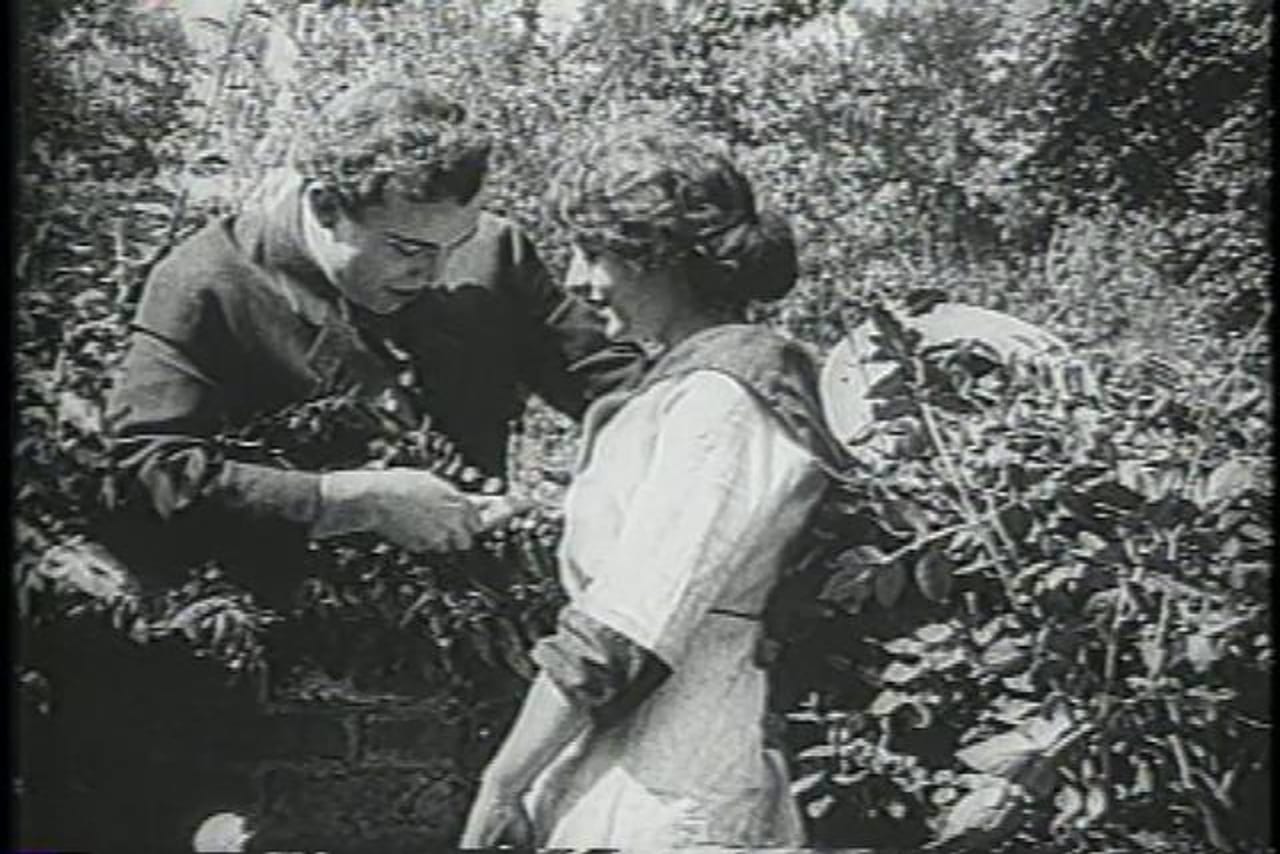
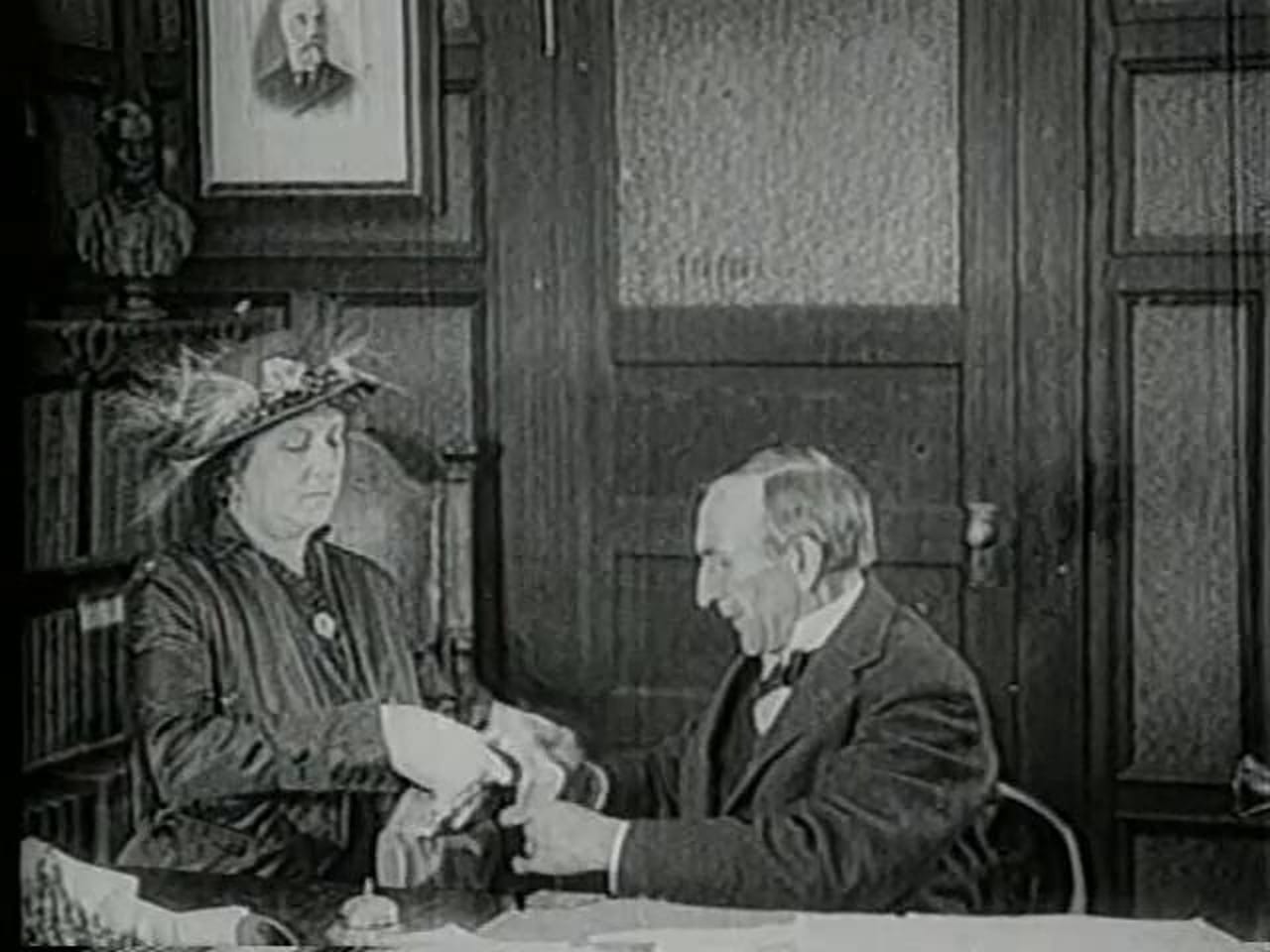
“A young singer in a musical comedy attended a reception at a rich man’s house as one of the ‘talent’ and fell deeply in love with the daughter of the house. His affection was reciprocated, but the daughter’s father firmly opposed any alliance between his daughter and the actor. The star of the young man’s company, a celebrated dancer, was a creature of moods. She became violently angry when the young singer mimicked her steps, and left the theatre in a rage just as the opening performance was about to begin. The manager was in despair, but the young man volunteered as a substitute and won approval by his excellent dancing and superb make-up. Among those favorably impressed with his talent was the father of the girl he loved. He witnessed the performance from the orchestra and later sent his card to the dancer. The latter invited him to call, carried out the joke, assisted by several of his friends, and soon the foolish old man was convinced he was deeply in love. So he wrote to the ‘Divine Cleo,’ saying, ‘I am determined that you must become a member of my family. May I hope?’ To which the dancer coyly replied that ‘she’ was willing to be married if the old man’s daughter consented. When the father arrived with the minister and his daughter there was a wedding, but he only figured as a spectator. He couldn’t object, for he didn’t dare go back on his note.”

Summary from The Moving Picture World · 12 October 1912
What the papers said

3 reviews · 1 advertisement

“Highly ludicrous in plot and exceedingly well done, this is a comedy of distinction. The female impersonation is creditable and not overdone. A singer falls in love with the daughter of a rich man. Later he impersonates the star of his company, a woman dancer, at an opportune time. The old man sends a note to the supposed star. A …

Read in full · 1 min

“Highly ludicrous in plot and exceedingly well done, this is a comedy of distinction. The female impersonation is creditable and not overdone. A singer falls in love with the daughter of a rich man. Later he impersonates the star of his company, a woman dancer, at an opportune time. The old man sends a note to the supposed star. A dinner follows, then a proposal. The letter asking the star to ‘become a member of my family’ is immediately replied to by the singer, and when ‘her’ and the daughter are married the old man is forced to treat the matter as a joke on himself.”

The Morning Telegraph · 20 October 1912

“The fun in this comedy grows out of a young actor’s assumption of the leading lady’s role in a musical comedy. He plays the part so well that his girl’s father, who had objected previously to him as a son-in-law, falls in love with him. Riley Chamberlin plays the part of the deceived old man with his usual success, and the acting throughout is commendable. The humor is broad and will go over in any playhouse.”

The Moving Picture World · 19 October 1912

More reviews

9 October 1912The New York Dramatic Mirror1 min

“A professional singer is invited to his manager’s house for dinner with a few others of the company. He sings for the guests and a young debutante is infatuated with him. He falls in love with her and afterward proposes for her hand, but is refused by her father. Dottie, the dancer, becomes excited and refuses to go on, and the singer volunteers to play her part. In the meantime his sweetheart’s father, having seen the dancer advertised in the paper, decides to attend the performance. He is charmed with the supposedly beautiful actress and invites the singer to supper. But the latter refuses and invites the old man to sup with him and a few friends. The father accepts and is fascinated with the singer. The next day he sends a note of proposal. The lover replies that he will, with the daughter’s consent, and asks them to call at his house that day. The father and daughter go over and the old man discovers the joke, and the young couple supposedly live happily ever after.”

Advertisement

12 October 1912The Moving Picture World1 min

“A musical comedy man is one of the ‘talents’ at a rich man’s home, and is smitten with the daughter of the house, who reciprocates his affection. Of course, the difference in their position makes marriage out of the question until a wig and a female dancer’s costume turns the trick.”

Have you seen this film, or a print of it?

Prints of films thought lost still turn up in attics, private collections and archives. A record like this one is how the next one gets found.

Tell us about a print

Cast and crew

Cast
Harry Benham as in a female role as Mlle. Cleo
Riley Chamberlin as the deceived old man

Every name opens that person's page, with each film they appear in and which of them you can watch.

Watch instead

Films you can watch from the same company

Matched by cast, director and kind

More about this film

Bowers’ notes
  1. The preferred title was Dotty, the Dancer, sometimes without a comma, but certain reviews and references listed the first word as “Dottie.” 2. Harry Benham’s female impersonation caused wide comment. In 1913 he was again to impersonate a woman, as the countess in The Eye of Krishla (June 22, 1913). 3. There was no Thanhouser film released on Sunday, October 11, 1912, because of the two-reel release of the preceding Tuesday.

From Volume II: Filmography of Q. David Bowers’ Thanhouser Films: An Encyclopedia and History, reproduced with permission and unchanged. Read the history of 1912 →

Cite as: Bowers, Q. David. Thanhouser Films: An Encyclopedia and History, “Dotty, the Dancer”. thanhouser.org/films/dotty-the-dancer/

Where a print is held

Held by
No print known