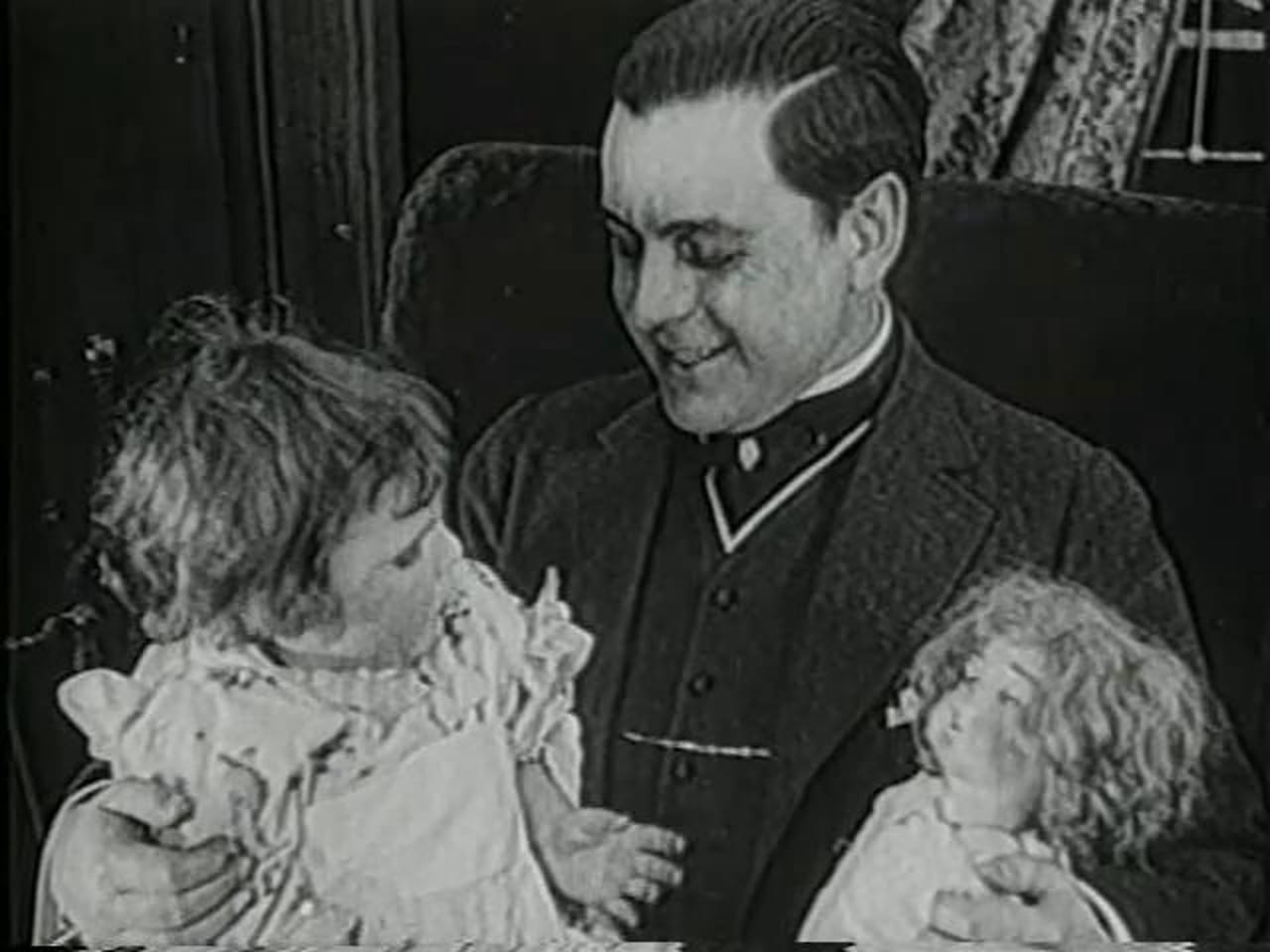
1913Thanhouser CompanyOne reelDrama

The Girl and the Grafter

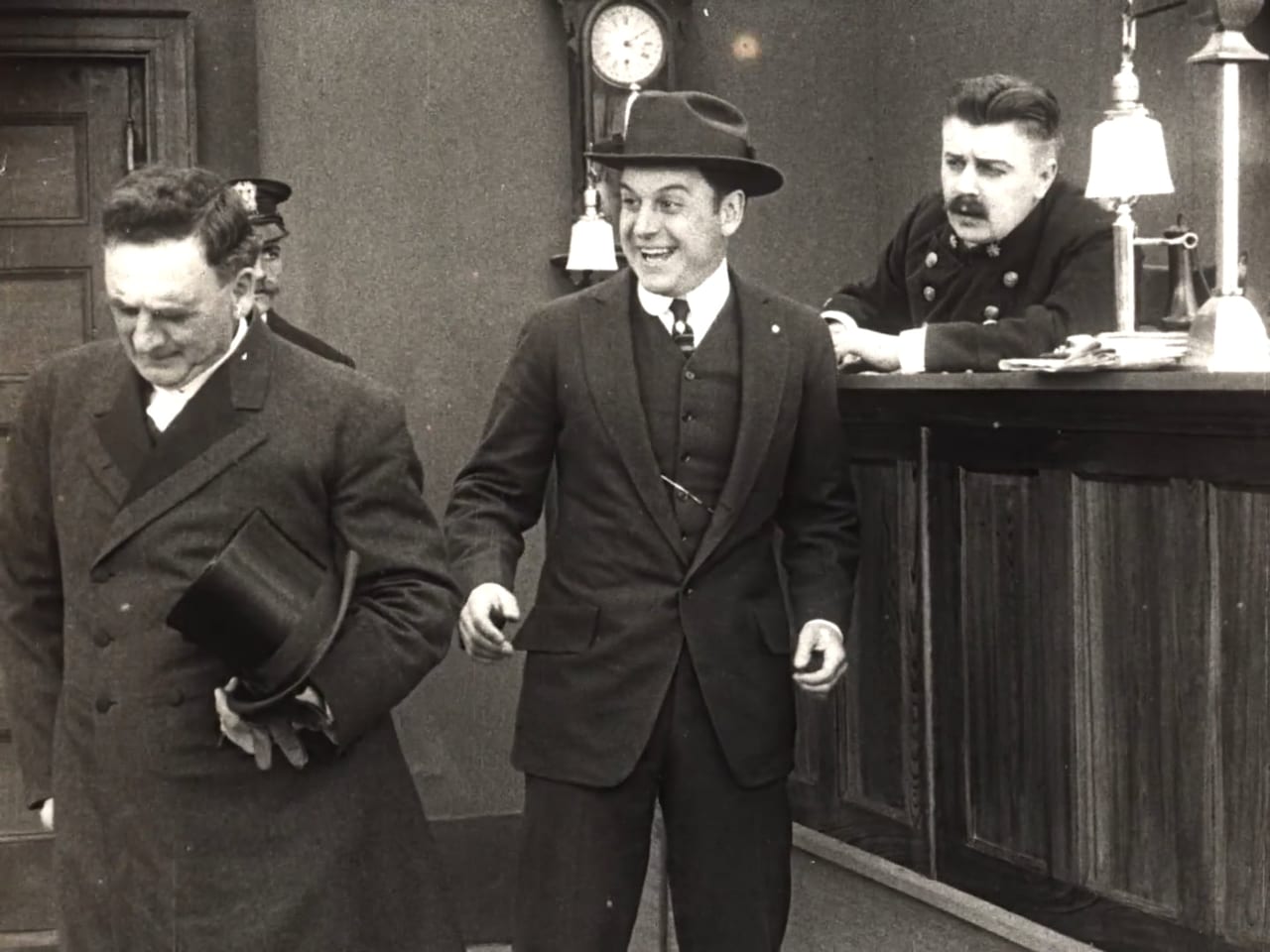
No copy you can watch online. No print is known to survive. What follows is what does: the release, the cast, the story, and what the trade press said at the time.

The story

The city editor was really a human being, not one of those cold heartless machines which some writers like to talk about. His staff was enthusiastically loyal to him and every member of it sympathized when it seemed that his star was in danger of an eclipse. The editor printed a story which met with the disapproval of the city’s political boss, who revenged himself by giving news ‘beats’ to the rival sheets. The managing editor realized what the trouble was, and determined to sacrifice his hard-working assistant. However, he gave him one week’s grace, but made it clear that at the end of the time if he was still on the outs with the boss he must seek another job. The paper had one girl reporter, and contrary to precedent, the city editor admired her. Womanlike, she understood the situation, but knew that there would be no romance in her life, not even a proposal, so the city editor was discharged. Therefore, she hated the boss, oh, how she hated him.

Out on an assignment one day the girl happened to pass a cheap lodging house and was surprised when the boss came out, and went down the street. She saw the tenant who had been talking with him and recognized him as one of the traction company’s lobbyists. Being a bright newspaperwoman she was convinced that something was wrong, and perhaps she might have a chance to checkmate her enemy. On the impulse of the moment she applied for accommodation and succeeded in securing the room immediately adjoining that of the lobbyist. A day or two later the lobbyist and the boss were closing up ‘a business transaction’ which necessitated the passing of real money. The door in the next room opened, the men were blinded by a flashlight, and the girl rushed away with the photograph which meant ruin for the grafters. The city editor did not lose his job. Neither did he ‘make up with the boss,’ as he had been ordered to do. There was no necessity, for the boss went to the penitentiary and was unable to attend the wedding of the city editor and the girl reporter, even had he cared to do so.

Summary from The Moving Picture World · 19 April 1913
What the papers said

3 reviews · 1 advertisement

A crackerjack for thrills. Where the girl reporter gets the better of a tense situation by taking a flashlight on the QT of the ‘lobbyist’ and the ‘boss’ closing a business transaction, thereby getting a scoop for the paper, is a great stunt.

The Moving Picture News · 19 April 1913

Here is a bright little story of an improbable but interesting character. The managing editor is badly in need of a scoop for his paper, and the girl reporter accomplishes this by getting a flashlight photograph of one man in the act of bribing another. The audience will smile at the absurdity of this, but the film is enjoyable.

The Moving Picture World · 26 April 1913

More reviews

23 April 1913The New York Dramatic Mirror1 min

Having incurred the displeasure of one of the big politicians by the printing of an accusing story, the young city editor is boycotted on many of the big stories. The politician turns the news items into the other papers. Failing to appreciate this, the managing editor informs the city editor that unless he ‘scoops’ the town as proof he is not sleeping on the job he must walk out. Now it happens that a girl reporter is particularly fond of the young city editor, and she determines to save him. Chance brings her into touch with one of the colleagues of the politician, and, scenting a graft scheme on foot, she lingers to investigate. She takes lodgings next to those of the lobbyist, and later is successful in securing a photograph of the politician as he is handing over a bribe to him. This story, with the accompanying photograph, saves the day for the young editor, and the grafters are duly apprehended. Such is the story as it is told in a clear, concise manner. Perhaps, to some who insist on consistency and realism in a picture, the situation where this girl secures the photograph will meet with disapproval; there is no denying that it is accomplished in rather a crude way. She simply opens the door leading into the next room, touches off the flash light, snaps the shutter, snatches up her camera and decamps. There is nothing adroit or clever, either in this or in the way in which she happens upon the grafters in the first place. The ending is rather illogical with the appearance of policemen so suddenly.

Advertisement

19 April 1913The Moving Picture World1 min

She flash-lighted him at the important moment and her editor and lover didn’t have to resign his job of crusading on crookedness.

Have you seen this film, or a print of it?

Prints of films thought lost still turn up in attics, private collections and archives. A record like this one is how the next one gets found.

Tell us about a print

Cast and crew

Cast
Harry Benham as the editor
Mignon Anderson as the girl reporter

Every name opens that person's page, with each film they appear in and which of them you can watch.

Watch instead

Films you can watch from the same company

Matched by cast, director and kind

More about this film

From Volume II: Filmography of Q. David Bowers’ Thanhouser Films: An Encyclopedia and History, reproduced with permission and unchanged. Read the history of 1913 →

Cite as: Bowers, Q. David. Thanhouser Films: An Encyclopedia and History, “The Girl and the Grafter”. thanhouser.org/films/the-girl-and-the-grafter/

Where a print is held

Held by
No print known