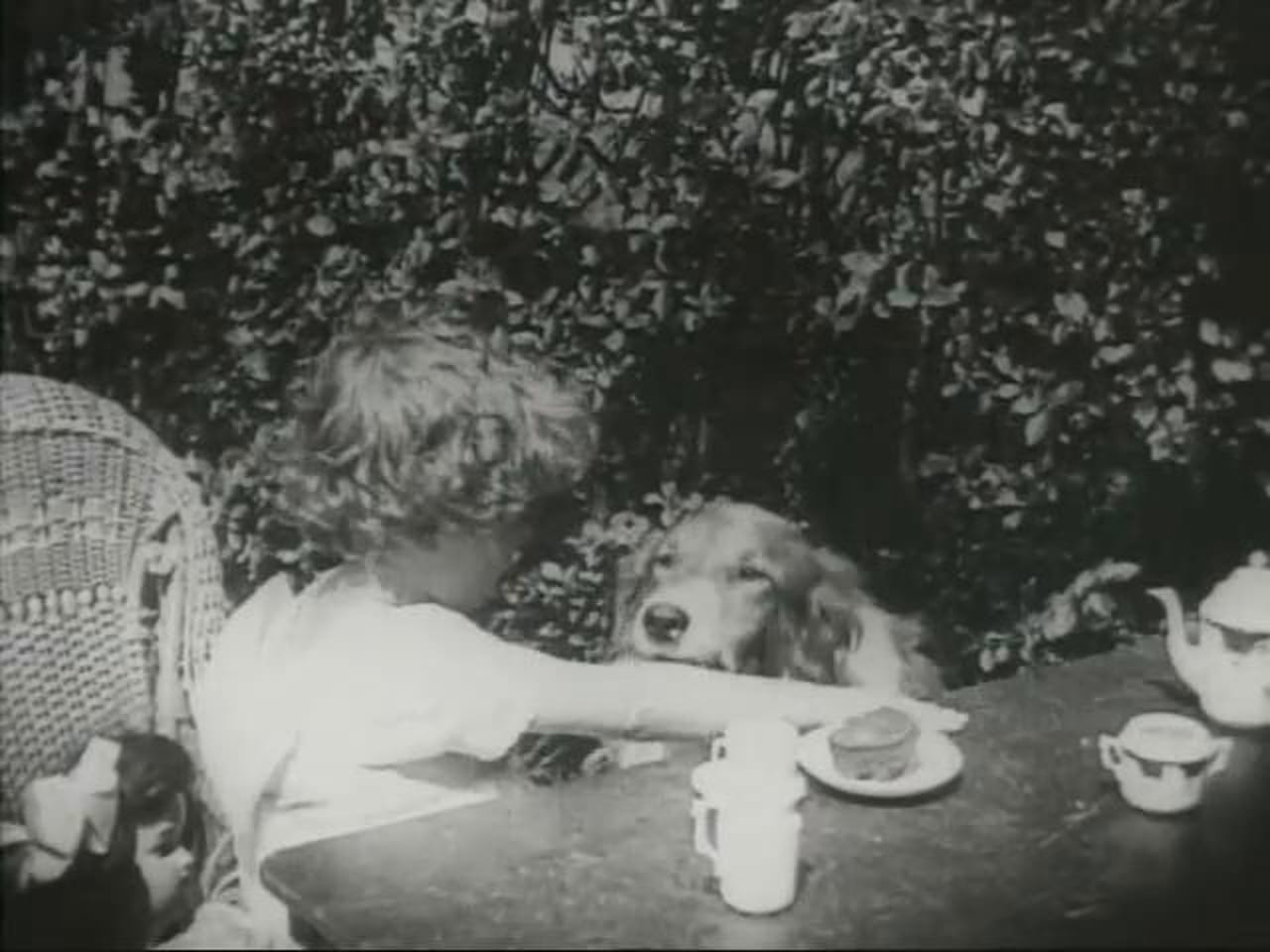
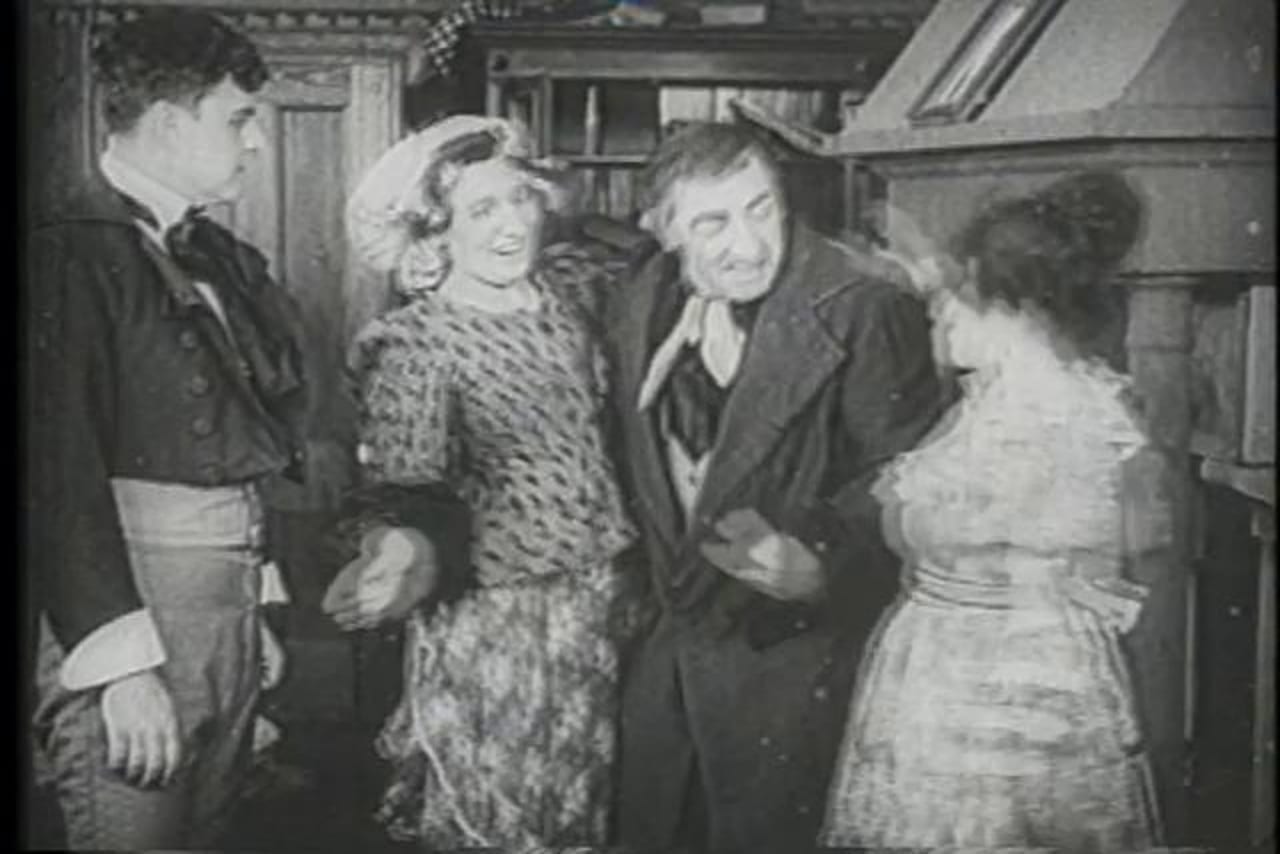
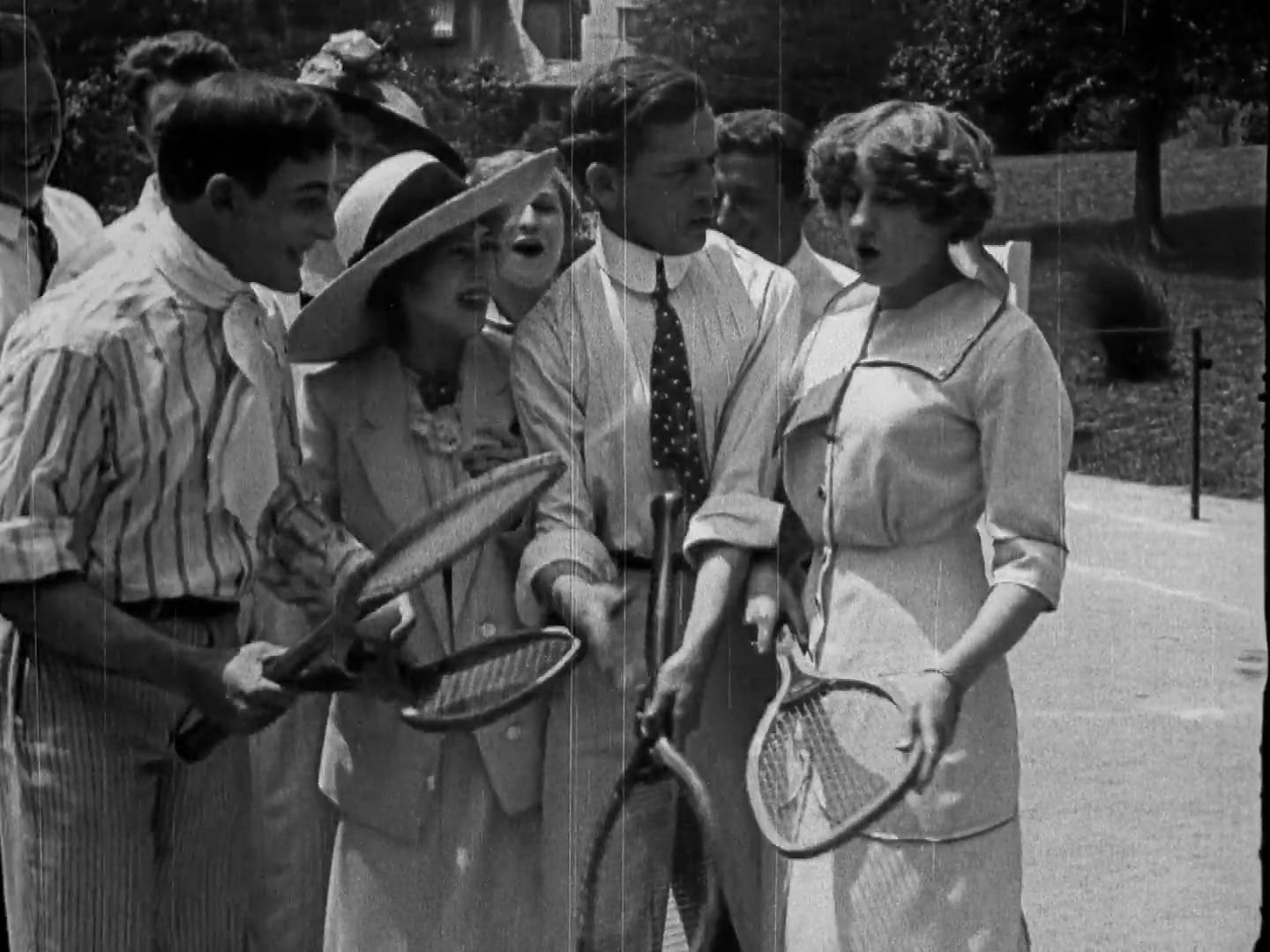
“We have here a wholly delightful film which is notable for its perfect realism in acting, in staging, and even in story. Realism in its truest sense, by which we mean strict fidelity to nature, is, perhaps, the most essential quality for a serious film play to possess, and there are few producers who know how to achieve this sort of realism so well as the Thanhouser Company. The characters of the Thanhouser dramas and comedies are less imaginary personages in an imaginary play than real men and women moving through a story of real life. The Thanhouser producer has banished from his company every trace of artificiality and unnatural exaggeration, and the realistic art of his players is continued in the realism of his remarkable studio settings, about which there is seldom a trace of the ordinary theatrical scene.
“The extraordinary excellence of Thanhouser films as transcripts from life has seldom been better demonstrated than by the present picture. The story which it tells is almost commonplace, but, perhaps for this very reason, it is one of the most human and convincing dramas that one remembers. Its plot deals with the tragic love of a girl for a man whose father, a banker on the verge of ruin, desires his son to marry the daughter of a vulgar but wealthy friend, the latter having promised to finance his business on these conditions. The sacrifice is made, and the girl’s heart is broken. But on the sorrowful wedding day the man, too, succumbs to his suffering, and, as the story ends, the souls of the two lovers are seen passing away together, united in death.
“No praise could be too high for Miss Mignon Anderson’s tenderly pathetic study of the heroine, whose happiness is suddenly shattered by her lover’s decision to save his father. Mr. Benham gives a splendidly, manly and sincere performance as the lover, whilst an unnamed actor is even better as the worldly and heartless financier. Towards the close of the film there are numerous examples of very skillful double-photography, which is introduced legitimately and with great success, not, as in so many cases, for the sake of obviously artificial effect. The man’s sudden death from heart failure is a little unconvincing, and one fancies that a more original method of disposing of him might easily have been discovered. With the exception of this point, however, the story is wholly probable, and is most naturally developed throughout. As to the many elaborate settings, including spacious ballroom and church interiors, with which the picture abounds, these could not have been improved upon. We have no hesitation whatever in recommending Stronger Than Death as a very beautiful and moving drama, which cannot fail to impress all who see it.”