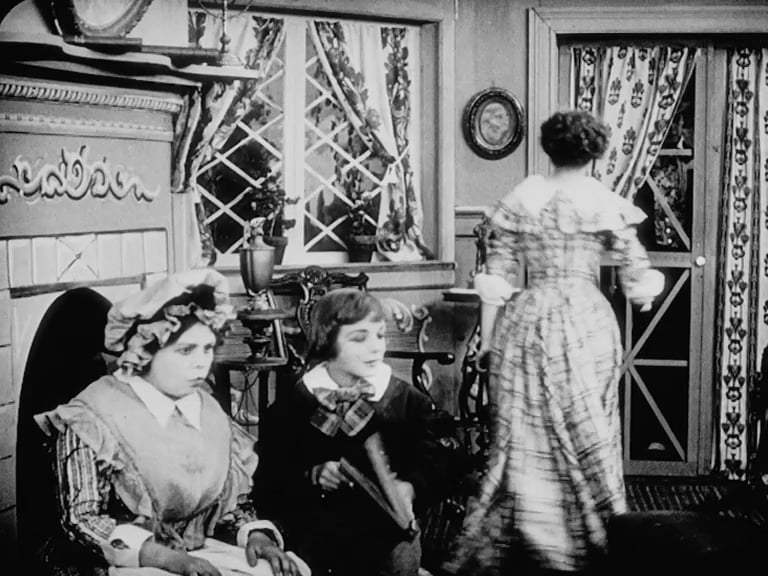
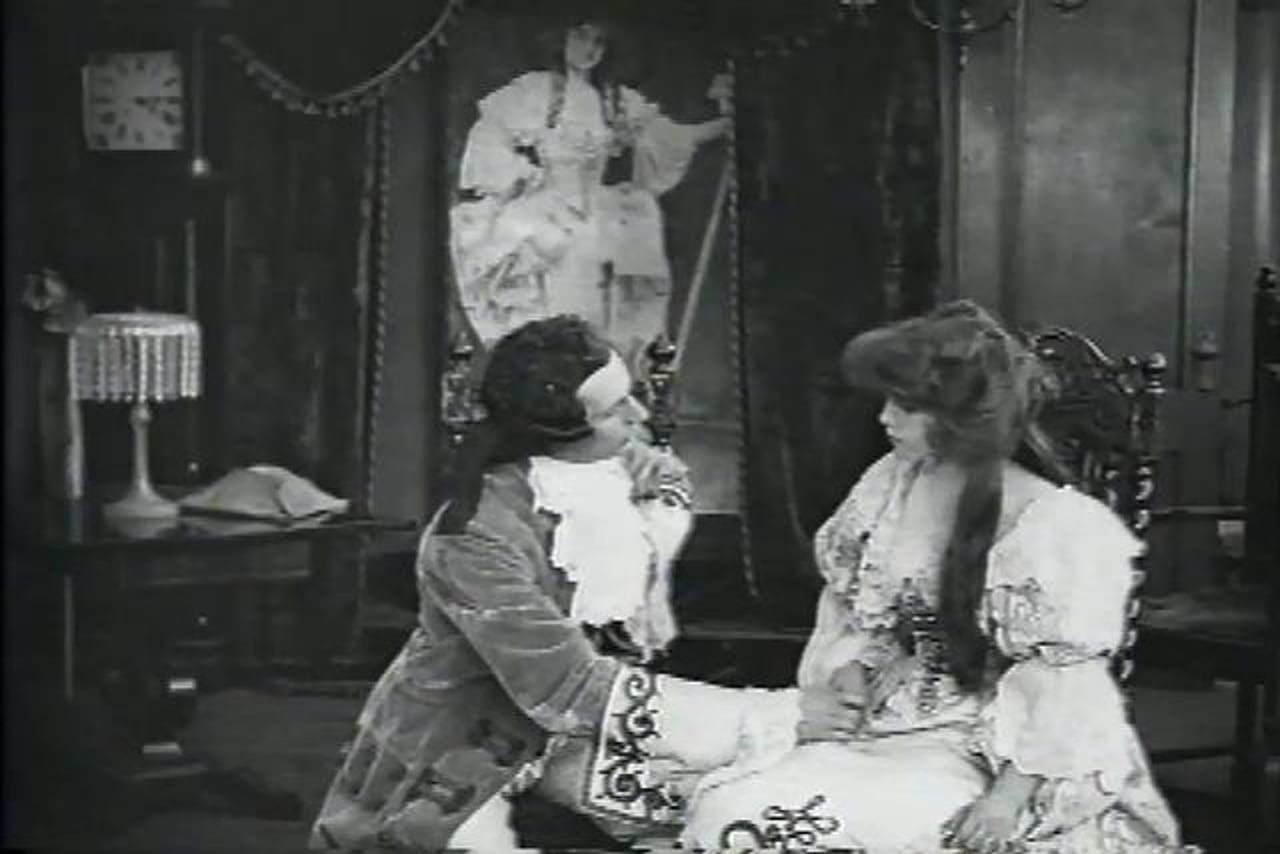
1912Thanhouser CompanyOne reelDrama

Jilted

No copy you can watch online. No print is known to survive. What follows is what does: the release, the cast, the story, and what the trade press said at the time.

The story

“When the beautiful heroine and the gallant hero are wrecked, or drift to a desert island, and they are marooned, or left behind when the others sail away, they ALWAYS get married—in story books. Of course, it is all right in make-believe-land, but in real life such a course would be inconvenient, and so a certain young woman found. She was pretty enough to be a heroine, and the man who saved her life was brave enough to be her hero, but she was very mournful when she reached her friends, and thought of the rules laid down by her most popular authors. The young woman was a college graduate, wealthy in her own right, and a painter from choice. The hero was a common sailor, brave enough, yet not the kind of a man she would pick out for a life partner.

“Then there was another reason. This ‘reason’ was a wealthy, well-bred young man, who adored her, and whom she deeply loved. They were engaged, both were perfectly happy, but the romantic young woman believed that it could never be. By all the laws of literature, her life belonged to the man who had saved her; so when they were rescued, she wrote two notes, one to the preserver of her life, informing him that she would marry him, and the other to her fiancé, tearfully informing him that all was over between them. Real life differs decidedly from fiction. Men do not always wed the women whose lives they save. If they did so, he would go on the retired list after one act of bravery and only be eligible again when he became a widower or was freed by the divorce courts. So, for reasons that satisfied at least four persons, this adventure did not end in the story book way, and everybody was happy.”

Summary from The Moving Picture World · 11 May 1912
What the papers said

3 reviews · 1 advertisement

“Here is still another photoplay which was taken in part when the company started on its trip to Florida, making at least the sixth or more film in which scenes on the steamer have been brought into acceptable usage. A girl starts for Florida, leaving her girl chum at the studio in New York and also her sweetheart. The ship …

Read in full · 1 min

“Here is still another photoplay which was taken in part when the company started on its trip to Florida, making at least the sixth or more film in which scenes on the steamer have been brought into acceptable usage. A girl starts for Florida, leaving her girl chum at the studio in New York and also her sweetheart. The ship is wrecked and the girl is saved by a dashing sailor whom she had spoken to a few times. She feels it her duty to wed him because of his gallant act. And so she jilts her lover. Soon she returns home to find her sweetheart still yearning for her and then the sailor calls with his own bestest girl and tells them all that he is engaged to her, and so the heroine (if she be such) wins her own love after all. The ship scenes are remarkably realistic, some of genuine taking and some of studio manufacture. Those in the stateroom showing the motion of the vessel are unusually clever in production.”

The Morning Telegraph · 19 May 1912

“A picture giving the love story of a girl who is very sentimental. She left her fiancé in New York to visit friends in Florida. The ship was wrecked and her life was saved by a sailor. These scenes are very good. She thought it her duty to marry him. The way out of the difficulty is found through a …

Read in full · 1 min

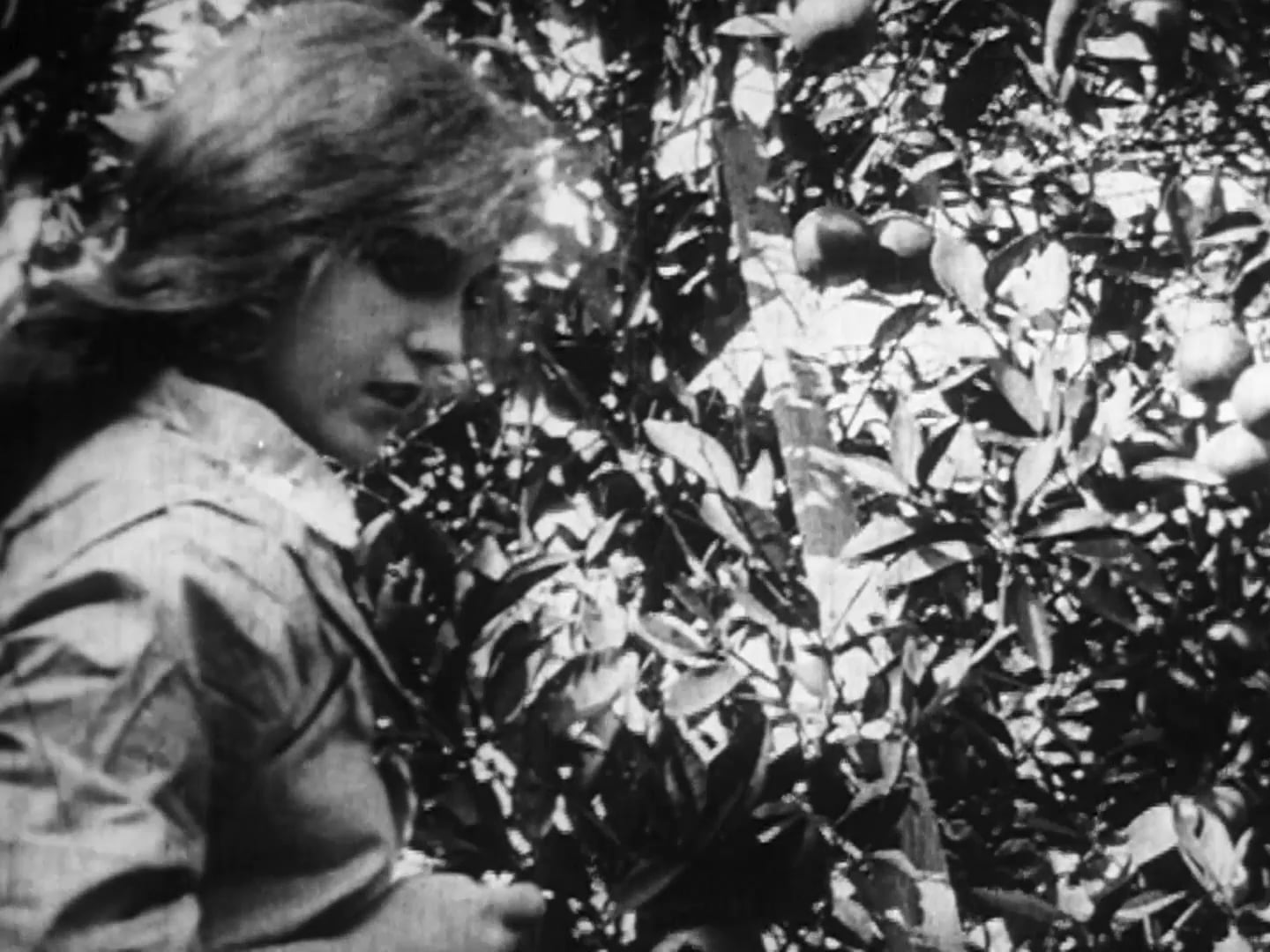
“A picture giving the love story of a girl who is very sentimental. She left her fiancé in New York to visit friends in Florida. The ship was wrecked and her life was saved by a sailor. These scenes are very good. She thought it her duty to marry him. The way out of the difficulty is found through a bit of humor. It is a slight picture, but contains some fine pictures; one is of a skating pond and another is of a flower garden in Florida. Miss Snow, Miss LaBadie, and others appear in it. It is commendable.”

The Moving Picture World · 25 May 1912

More reviews

22 May 1912The New York Dramatic Mirror1 min

“There is plenty of novelty in the way of background in this film, for the young lady concerned enjoys herself here in the North with skating and other winter sports and then goes to Florida. On the way there her life is saved on shipboard by a sailor, who rushes to her rocking cabin just at the crucial moment. On her arrival at Florida, she writes back to her lover, that she must say goodbye forever, as she feels in duty bound to marry the man who saved her life. It is not clear that the young man from the North ever received this letter. When she returned he called upon her, and the sailor also called at the same time. He sent a note before, however, which read: ‘I am downstairs with the girl I love. Please don’t marry me for saving your life. I prefer the one I’ve got.’ After this naive ‘come-back’ on the girl, it is not hard to imagine where she sought balm for her wound.”

Advertisement

11 May 1912The Moving Picture World1 min

“A marvelous love story that runs all the way from New York to Florida and back again. Niagara the Beautiful gives a really beautiful finish to the film.”

Have you seen this film, or a print of it?

Prints of films thought lost still turn up in attics, private collections and archives. A record like this one is how the next one gets found.

Tell us about a print

Cast and crew

Harry Benham as the fiancé
William Russell as the suitor
Photographed by
Alfred H. Moses, Jr.

Every name opens that person's page, with each film they appear in and which of them you can watch.

Watch instead

Films you can watch from the same company

Matched by cast, director and kind

More about this film

Filmed in
New Rochelle; aboard the Apache, a coastwise steamer of the Clyde Line; and Florida

From Volume II: Filmography of Q. David Bowers’ Thanhouser Films: An Encyclopedia and History, reproduced with permission and unchanged. Read the history of 1912 →

Cite as: Bowers, Q. David. Thanhouser Films: An Encyclopedia and History, “Jilted”. thanhouser.org/films/jilted/

Where a print is held

Held by
No print known