1914Thanhouser CompanyTwo reelsDrama

Conscience

No copy you can watch online. No print is known to survive. What follows is what does: the release, the cast, the story, and what the trade press said at the time.

The story

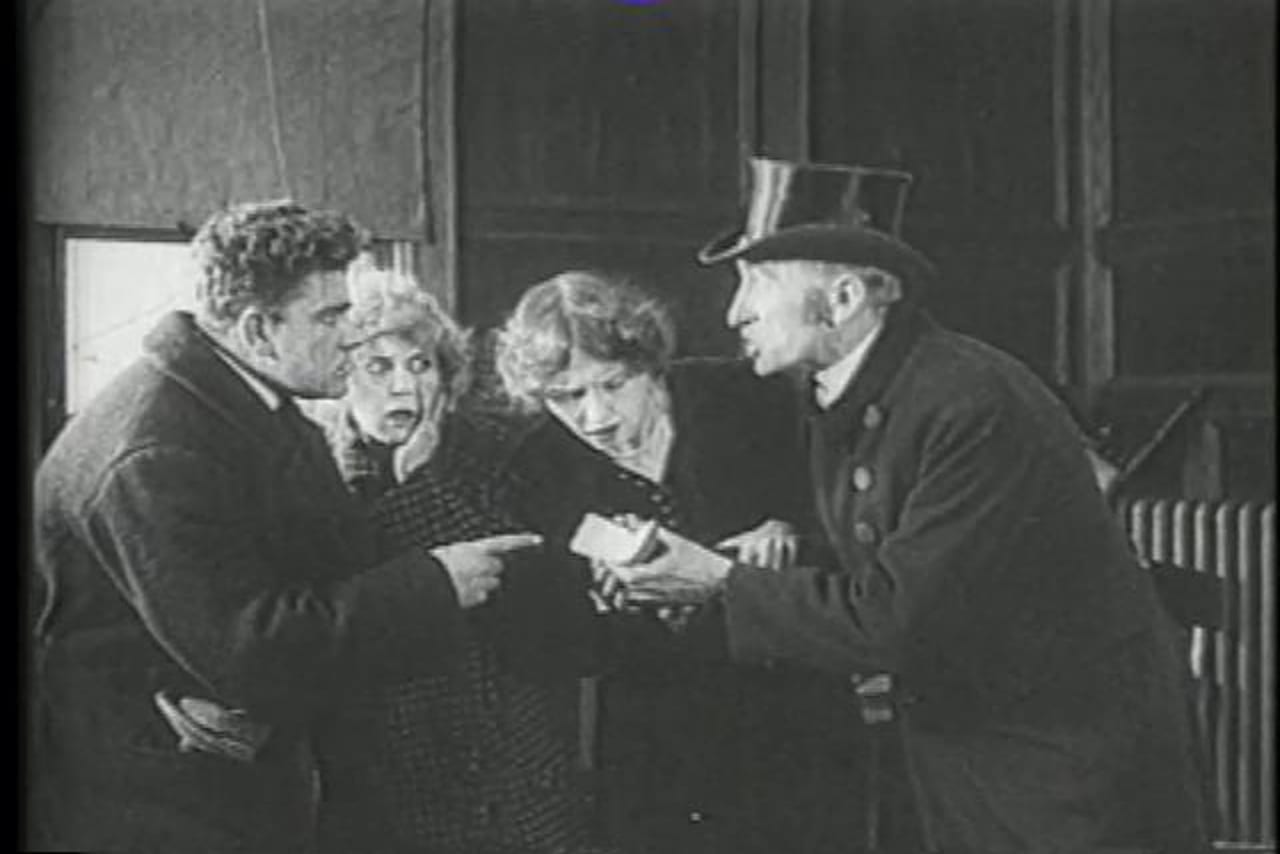
“Jack Gleason is at his wit’s end because the doctor has given his consumptive wife just one more chance, provided she can go to Arizona—and he has no money for the trip. In a reckless moment he stakes his life’s savings on the gaming table—and loses every cent. Going home, the most despondent man in the world, he comes upon a sleeping beggar into whose hat some benevolent soul has dropped a ten dollar gold piece. Remembering that ten is his lucky number, the young man steals the coin and rushes back to the gambling parlor. Sure enough, his luck turns. He wins a suitcase full of money. But the weary face of the old beggar haunts him. At last he goes in search of him, brings him home with him, tells him the whole story, and thrusting upon him the suitcase of bills sends the dazed old man away. But the tramp has recognized in Gleason’s wife one who has given him food when everybody else had turned him from the door. A few days later all but $20 of the money comes back, with a note, reading: ‘Please take the rest to cure the lady, who had pity on an old hobo.’”

Summary from Reel Life · 15 August 1914
What the papers said

3 reviews

“A somewhat novel story which, although it is not altogether convincing, is certainly interesting and, for the most part, effective. The plot deals with the moral qualms of a gambler who, with a small sum which he has stolen from a sleeping beggar, wins enough money to save the life of his consumptive wife, and then hesitates to do so …

Read in full · 1 min

“A somewhat novel story which, although it is not altogether convincing, is certainly interesting and, for the most part, effective. The plot deals with the moral qualms of a gambler who, with a small sum which he has stolen from a sleeping beggar, wins enough money to save the life of his consumptive wife, and then hesitates to do so because of the moral wrong involved. These conscience scenes, in which the beggar constantly appears to the gambler, by means of double photography, are artificial. It does not seem probable that the latter, once having descended to petty theft, would think of sacrificing his wife for the sake of a moral quibble. It seems still more unbelievable that the beggar, his original coin having been restored to him, together with the money it has won, would voluntarily relinquish so pleasant a windfall. However, although the sentiments of the story ring rather false, the latter makes quite a good entertainment. The acting is exceedingly capable, Miss Mignon Anderson and Mr. Irving Cummings giving particularly fine performances.”

The Bioscope · 24 December 1914

“Gleason is at his wit’s end to know how to secure the money necessary to send his sick wife to Arizona. At last he stakes his all on the gambling table and loses. On his way home he inspects an old tramp sleeping by the roadside. Some one has dropped a ten dollar bill [sic; synopsis and other reviews say …

Read in full · 1 min

“Gleason is at his wit’s end to know how to secure the money necessary to send his sick wife to Arizona. At last he stakes his all on the gambling table and loses. On his way home he inspects an old tramp sleeping by the roadside. Some one has dropped a ten dollar bill [sic; synopsis and other reviews say $10 gold coin] into his hat. He remembered that ten is his lucky number Gleason takes it and, returning to the gaming room, wins a suitcase full of money. His conscience troubles him, however. He finds the old tramp, tells him the story and, thrusting the suitcase in his hand, sends him away. The tramp recognizes his wife as the only woman he had given him anything to eat. A few days later he returns all but $20 of the money and leaves a note for Gleason, which advises him to ‘take the rest to cure the lady who had pity on a poor hobo.’”

The Morning Telegraph · 23 August 1914

More reviews

4 September 1914The Moving Picture World1 min

“A two-reel number with Mignon Anderson and Irving Cummings in the leads. This tells a highly improbable story, but it has a pretty sentiment behind it and works up to a pleasing climax. The young bank teller, needing money to send his wife to Arizona, takes a $10 gold piece from a beggar’s hat, plays it on the lucky 10 at roulette and wipes up a fortune. This he feels compelled to turn over to the beggar, after confessing to his wife, but Blind Baggage Jake takes only a limited amount of the money and leaves the rest. The plot is almost fantastic, but the result is a cheerful yarn which leaves a pleasant feeling with the observer.”

Have you seen this film, or a print of it?

Prints of films thought lost still turn up in attics, private collections and archives. A record like this one is how the next one gets found.

Tell us about a print

Cast and crew

Edward N. Hoyt as Dr. Wray
Ernest C. Warde as Blind Baggage Jake, an aged tramp
Eugene Moore as Billy
Irving Cummings as Jack Gleason, bank teller
Mignon Anderson as Nell, his wife
Mrs. Frank Farrington as Meg, her old servant

Every name opens that person's page, with each film they appear in and which of them you can watch.

Watch instead

Films you can watch from the same company

Matched by cast, director and kind

More about this film

From Volume II: Filmography of Q. David Bowers’ Thanhouser Films: An Encyclopedia and History, reproduced with permission and unchanged. Read the history of 1914 →

Cite as: Bowers, Q. David. Thanhouser Films: An Encyclopedia and History, “Conscience”. thanhouser.org/films/conscience/

Where a print is held

Held by
No print known