The story
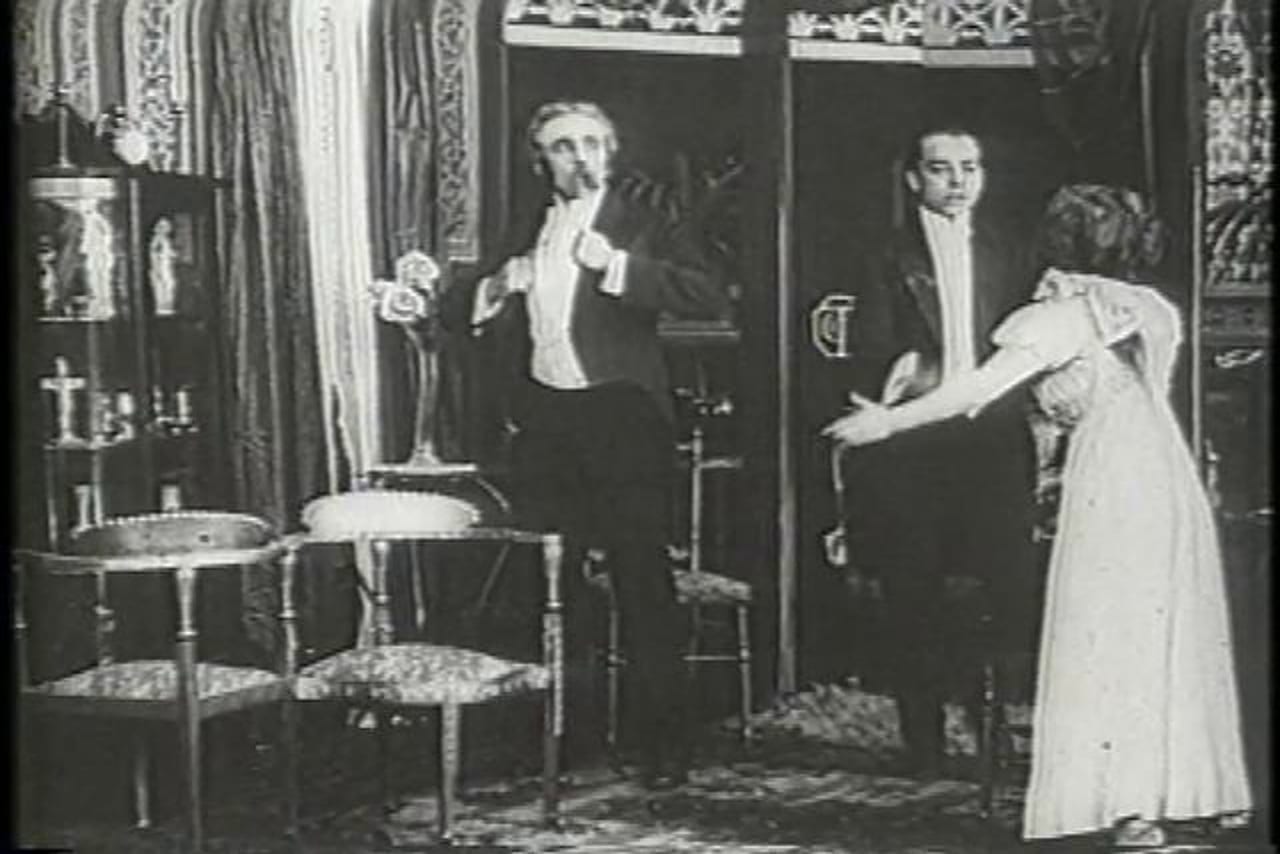
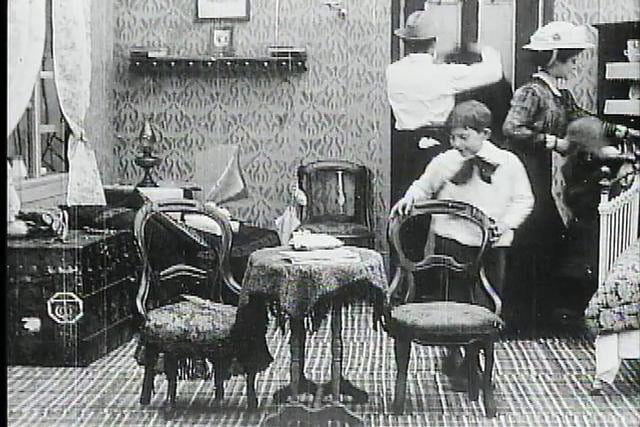
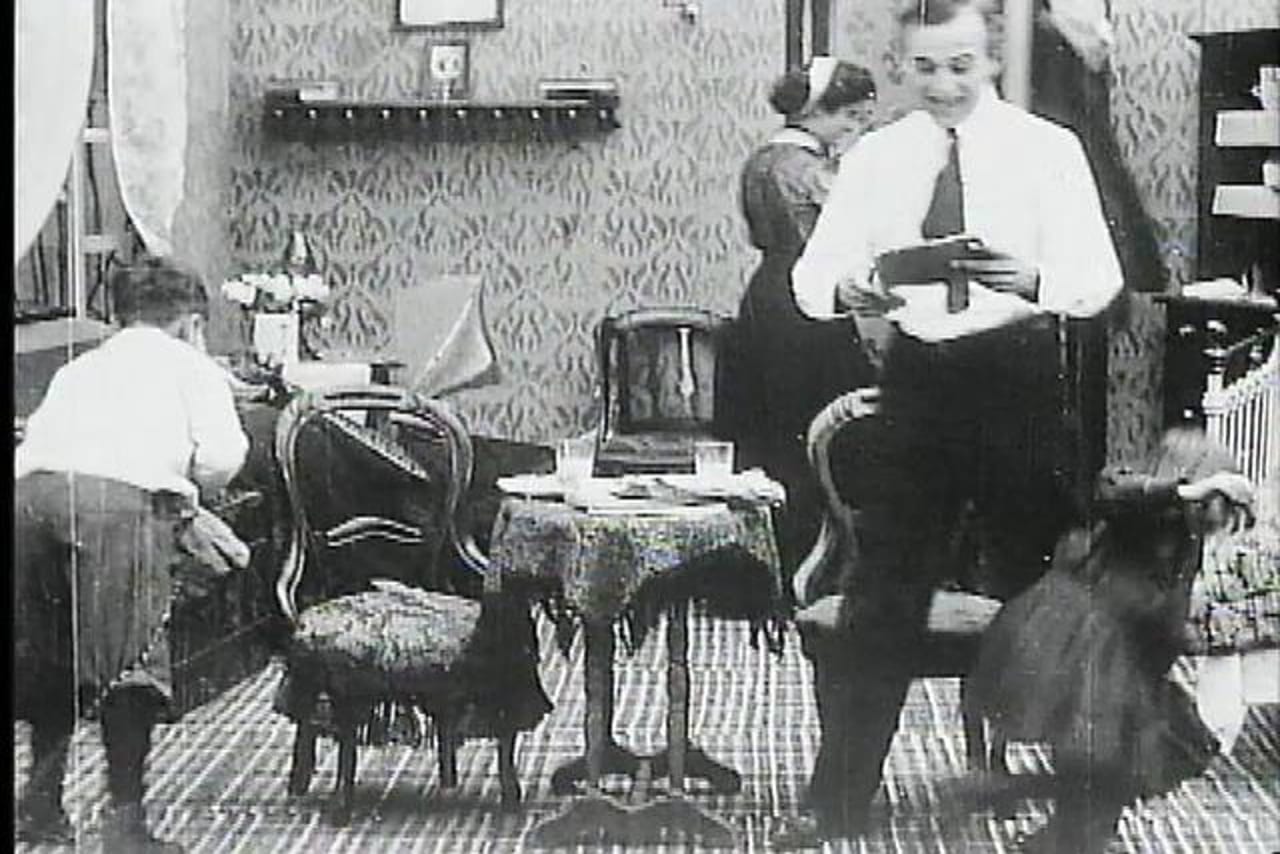
“Here is a subject in human interest—rich and real human interest—the kind that appeals to the men, woman, and young folks alike—in village, town or city—everywhere, all the time. Two people of the stage, Eugenie Freeman and Paul Temple, join in matrimony and up to the time this picture opens are amply able by the professional labors to provide for themselves and the two children who have blessed their union. Then to the breadwinners comes a prolonged lay-off and its consequent hardships; how to meet the rent becomes a problem of the hours. True, the father and mother have been assigned parts in a production that is shortly to open, but pay and not prospects appease a landlady’s palm. Landladies there are, it must be admitted, who are inclined to be lenient with delinquents under certain conditions; but Mrs. O’Brien, who lodged the Temples, was not one of these. That a temporary and unavoidable stroke of misfortune had laid her lodgers low, meant nothing to her; if the family exchequer was hard hit what need has the family of a roof over its head?
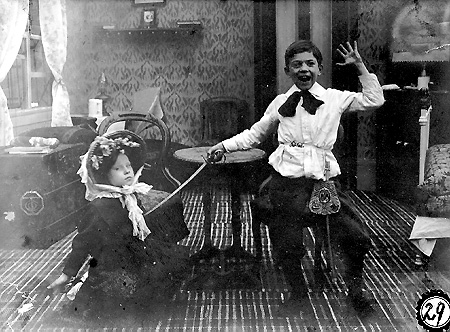
“So argues Mrs. O’Brien when Paul confronts her with empty pockets on that momentous occasion ‘when the rent comes ‘round,’ and even sight of the Temple children at their innocent play fails to affect the landlady’s frame of mind. By dint of persuasion and the flourishing of his typewritten ‘part’ in the forthcoming production, Temple secures one week’s respite at Mrs. O’Brien’s hand; he will have earned some money by then, he tells her. Having no prospective tenant for the rooms in view, she concludes to wait. And then—the opening of the production is postponed—and a tenant comes along. He is a flashy youth with a ‘roll’ and in the absence of the job-hunting father and mother, Mrs. O’Brien shows him the rooms. He is pleased with them but wants to know what to do with the children—he certainly doesn’t want to be afflicted with them. Mrs. O’Brien tells him not to worry about the tots and casts them out of the house.
“Alone and friendless in the streets of a great city it is little wonder that the children fall captive to the wiles of an Italian organ grinder who takes them to his hovel and instructs them in the art of dancing to a hurdy-gurdy, much as a dog trainer teaches a mongrel stage tricks—with an oath and a whipping. Luckily, the children are rescued from the foreigner by a kindly theatre manager, who recognizes dancing ability in the youngsters and finds a place for them in the program.
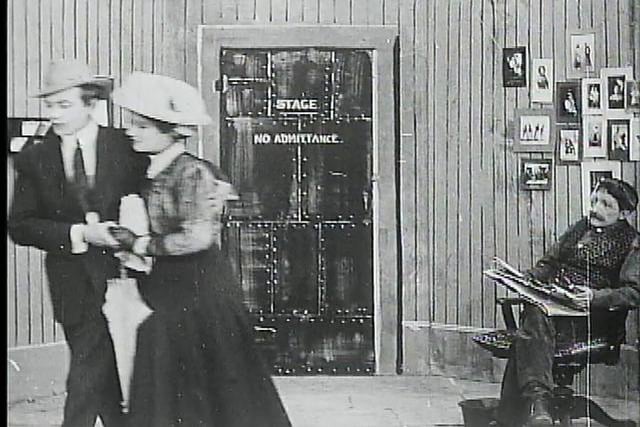
“The parents have meanwhile searched long and fruitlessly for the children. To add to their grief is the fact that they have fallen heir to a relative’s fortune. In hope of finding the little ones, the parents attend all large gatherings and make the rounds of all the places of amusement. So when they enter the theatre where the children do their dancing act it is but natural that—you see the most interesting and impressive film that has closed a reel in many a day. The picture producer’s art is seen at its best in the views of the children imitating their elders at rehearsal, and tender ‘touches’ of a similar order result in as pretty a picture as ‘child actors’ ever helped to create. The big climax idea of the Thanhouser producers is worked out most effectively in the theatre restoration scene—a scene which competent critics call the best thing of its kind ever seen in an independent picture.”
Summary from The Moving Picture News · 5 March 1910