The story
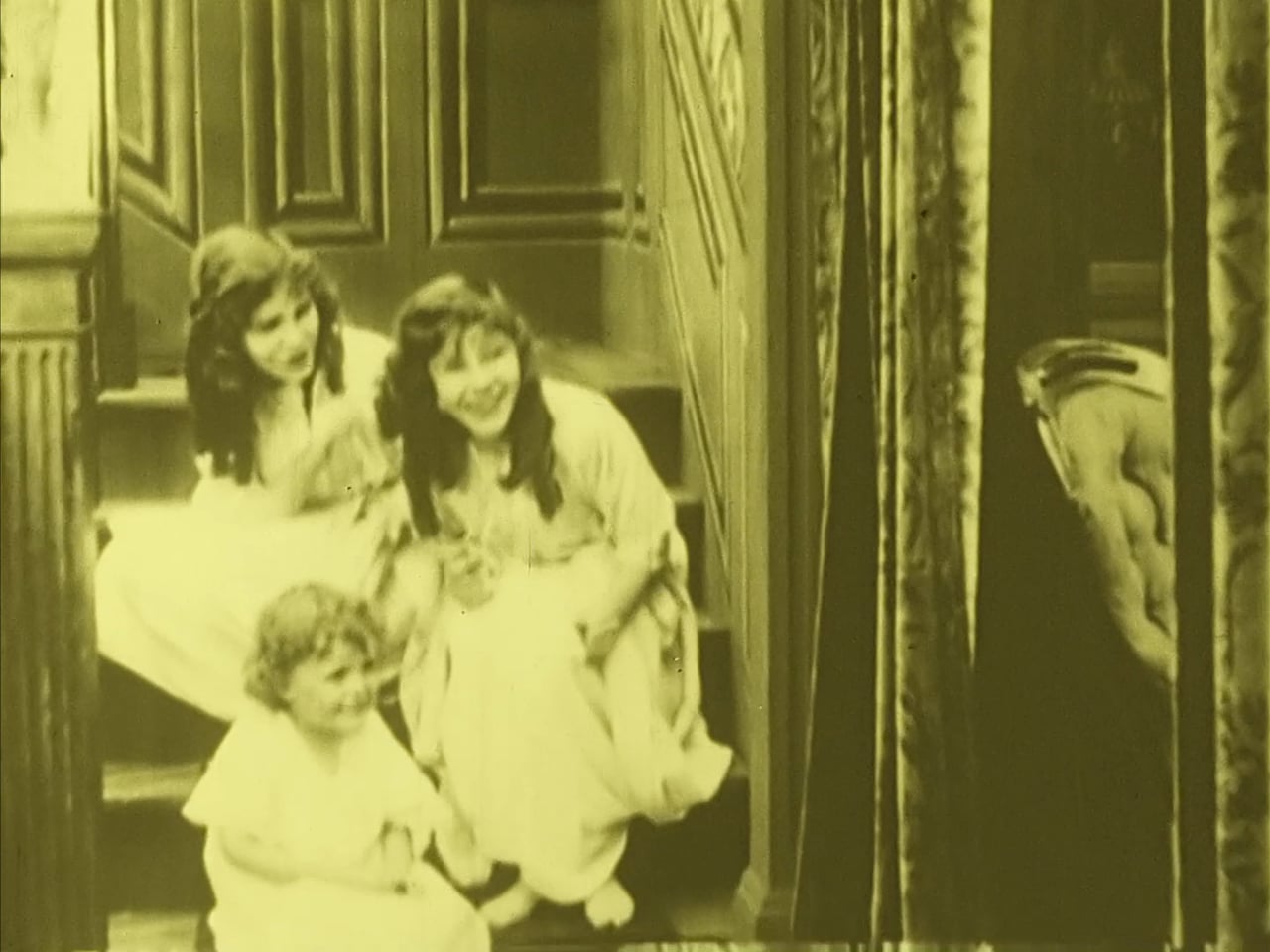
“A wealthy New Yorker disinherited his son because he disliked the woman he married. The son went South to live, where his wife died, and he brought up his little daughter. The years passed, and finally the man in New York received word that his son had passed away, and that the little orphan had been shipped to him by steamer. The day the boat docked the old man went to meet it, but was delayed by an auto accident, and when he arrived at the pier, he found no trace of the child. The police were notified, but in a few minutes the grandfather called off the search, explaining that the child had turned up. He did not suspect that he had been the victim of a deception, but the fact was that the child who appeared was not his grand-daughter. As later developed, the little girl wandered around the streets until she was exhausted, and then met another child who closely resembled her. This girl, the daughter of a brutal laborer, was planning to run away from home, and noting the resemblance, had a wicked idea. She decoyed the other child to her home, induced her to rest, exchanged clothing with her while she slept, and then departed to meet the trusting old grandfather. The little girl from the South, when she woke, found none to believe her story, and friendless and alone, seemed doomed to a life of squalor and wretchedness. A kindly old washerwoman, however, played detective, and aided by a strange coincidence, was enabled to straighten out the tangle, and bring the right child back to the home of her grandfather, where her latter years were peaceful and happy. She forgave the other little girl, and the aid she extended to her enabled her in time to rise to a better position in the world.”
Summary from The Moving Picture World · 27 September 1913
Another synopsis, from Reel Life · 30 September 19131 min
“It is always a question as to just what a child will take into his or her head to do at any particular moment. One is never quite sure as to their point of view, even though we watch them day after day and try to fathom their processes of reasoning. An Unfair Exchange deals with the action of a little girl of the tenements—abused by a brutal father until she decides to run away when the opportunity presents itself, to change places with another girl of her own age who closely resembles her, and inherits a life of luxury. The son of a wealthy New Yorker, who marries against his father’s wishes and goes South with his wife after he has been disinherited, becomes the father of a beautiful little girl. Subsequently, his wife dies—and when he himself is struggling with a fatal illness, he makes arrangements to send his daughter North after his death.
“Her grandfather is notified when her steamer is due and, having forgiven his son, is hurrying to meet her—but is delayed by a motor accident. The little girl wanders off the pier and loses herself in the city streets. No one believes the story she tells—until she meets the tenement girl who is running away. This child knows the city well enough to test the story—and taking the Southern girl home, forces her to change clothes. It is a pretty serious position for a little girl who has never been accustomed to rough life—but a good hearted old washer-woman suspects the trick, believes her story and takes her to the grandfather’s house where she confronts the little imposter and proves her own identity. The acting of the children in this play is surprisingly good and the story is absorbing from start to finish.”