The story
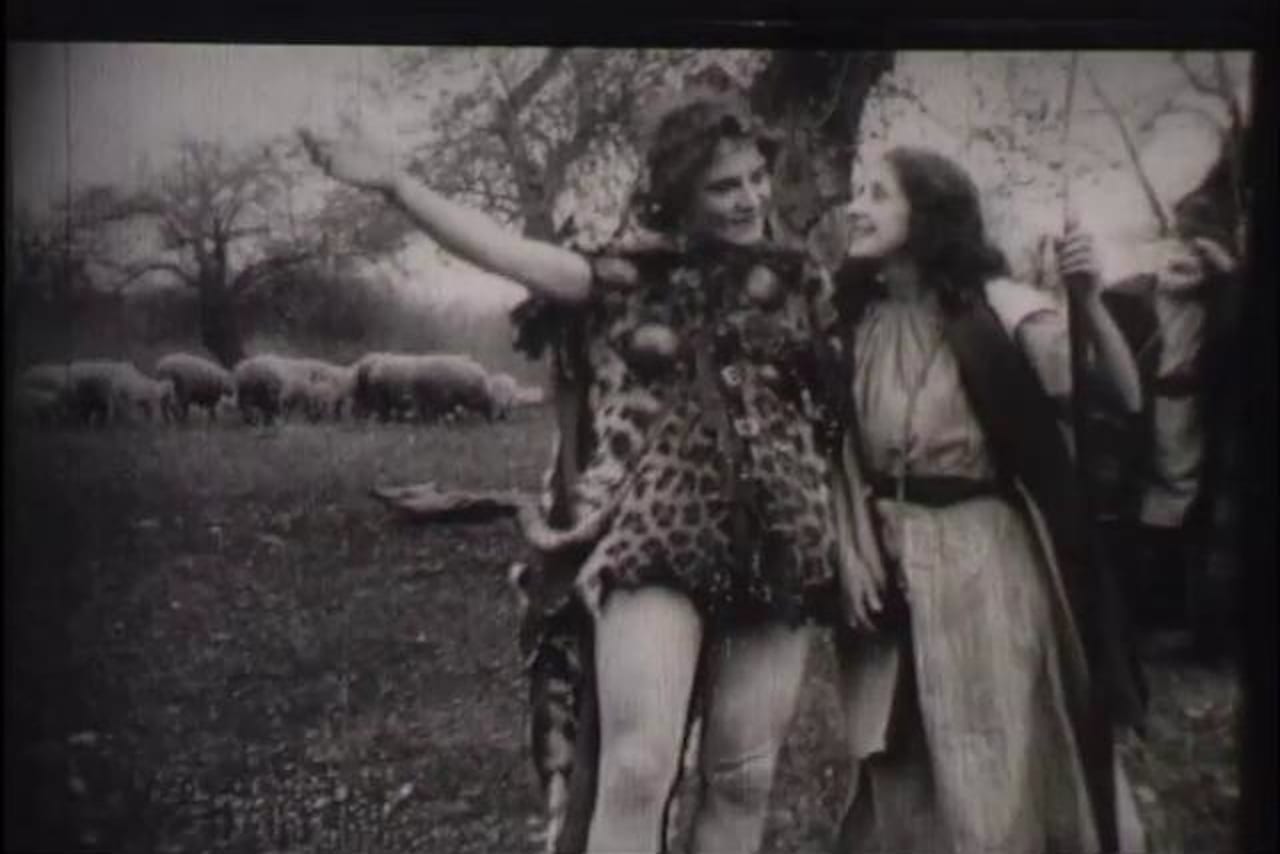
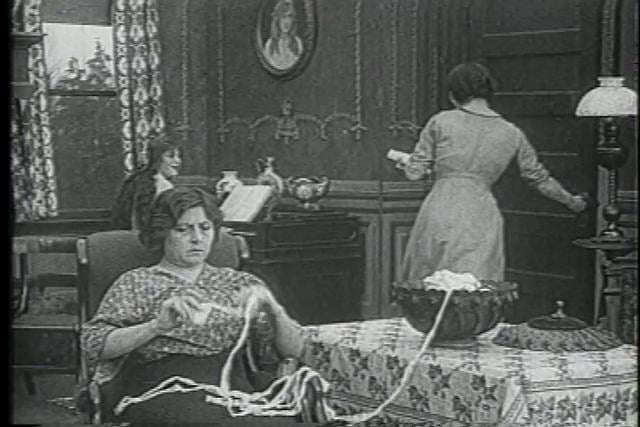
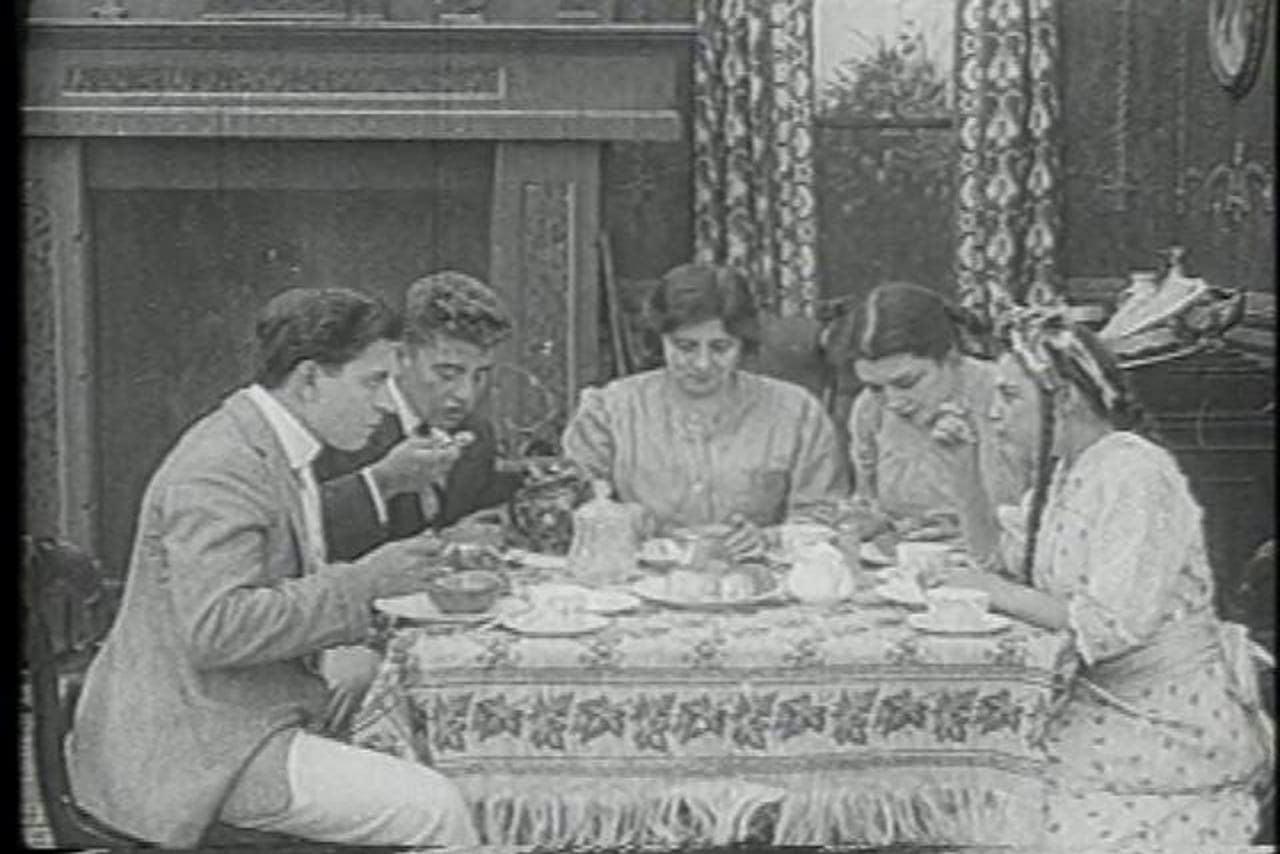
“Every year, it seems, the poor old farmer has more trouble to secure ‘hands.’ A Nebraska agriculturist, who came East looking for workers, found his errand fruitless. In despair he offered that men who worked for him would be given a chance to court the farmer’s two pretty daughters, and there would be no objection to a match on the father’s part if the girls were willing. It was a dull season for news and the papers made much of the happening. The notice fell under the eyes of two college boys who were wondering how they would be able to get through the season until classes resumed, without any money or food. They saw a chance to secure romance together with three square meals a day, and when they called upon the farmer and he showed them the pictures of his two beautiful daughters they gladly accepted his offer. The youths traveled West together, the farmer remaining behind hoping to land other ‘hands.’ Unfortunately for the boys, the farmer’s daughters had seen the notices in the papers, and so objected to being made matrimonial prizes. They rigged up in strange clothing and made themselves as homely and unattractive as possible. The new farm hands thought them frights and tried to run away. The girls were true to father, however, and held them prisoners. Of course all ended happily, but not until the boys had some mighty unpleasant experiences.”
Summary from The Moving Picture World · 4 September 1913
Another synopsis, from Reel Life · 27 September 19132 min
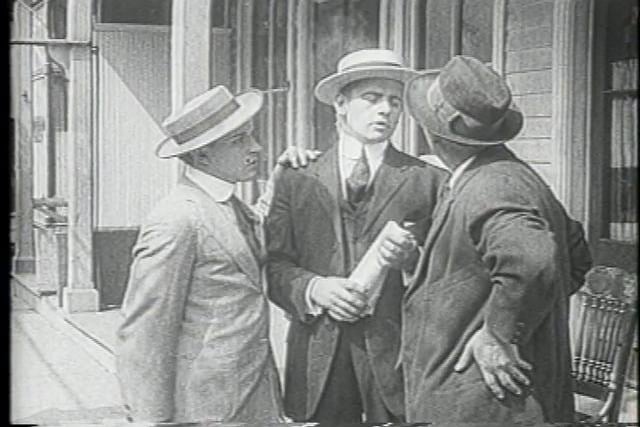
“In the farmers’ help problem, Mr. Lonergan has seized the opportunity for a clever and very plausible little comedy. Jim Freel [Henry Friel in the film, as evidenced by a surviving print], an enterprising farmer from Nebraska, comes to New York, looking for ‘hands.’ He is unsuccessful—and at last, in despair, he advertises in the papers, offering a rather unusual inducement. It is the dull season for news, and the papers make a good deal of the eccentric Westerner’s proposition. Two college boys, dead broke, whose fathers have refused to take them in over the summer vacation, are sitting on a park bench, looking over the ‘World’ for ‘Help Wanted’—when the following, among the news stories, catches their eye: ‘Farm Hands Can Court Two Pretty Girls Says Hard-up Farmer From Nebraska—Freel will accept help as sons-in-law if they suit. Awaits applicants at the St. Denis. Daughters not yet consulted.’
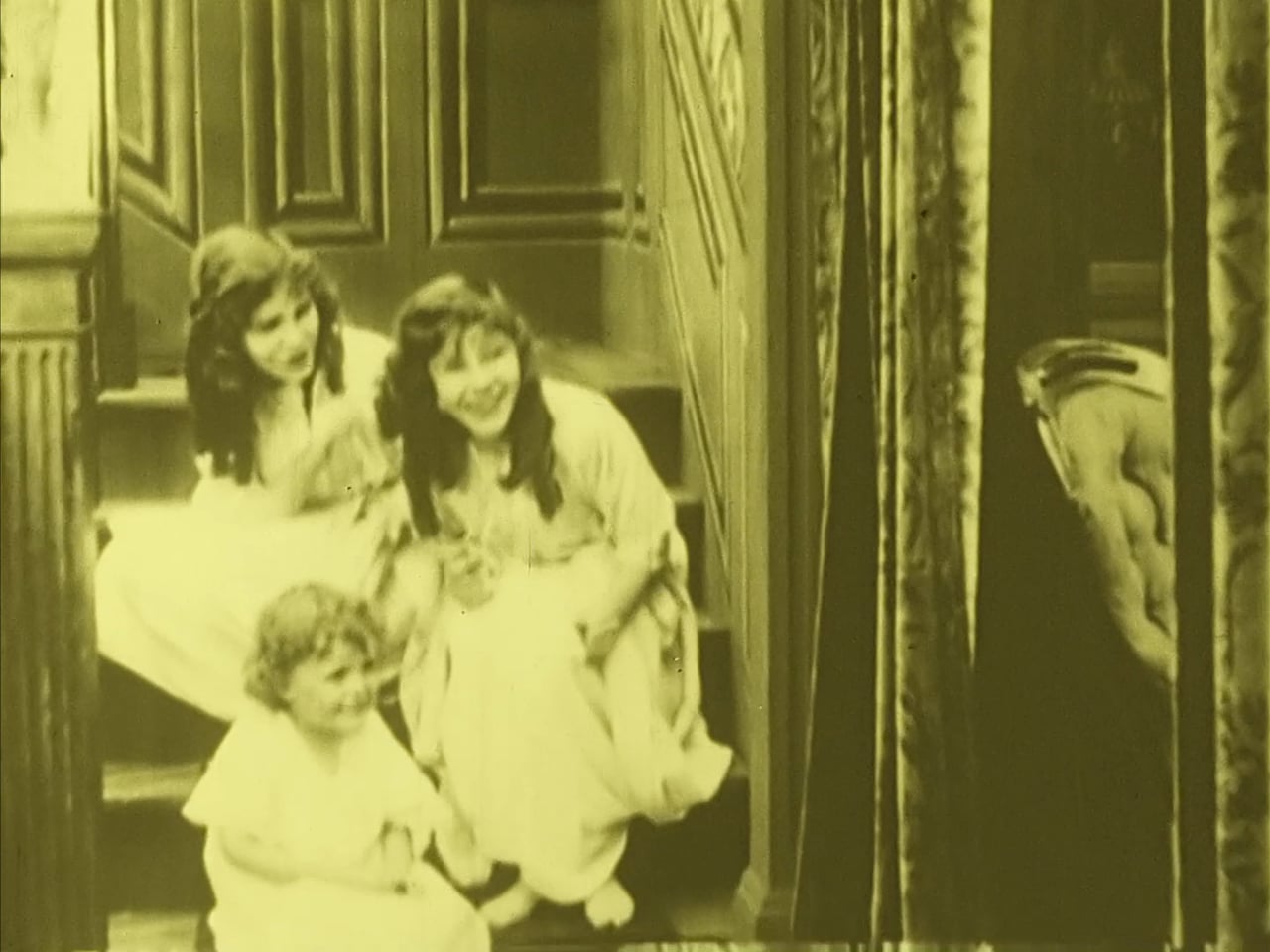
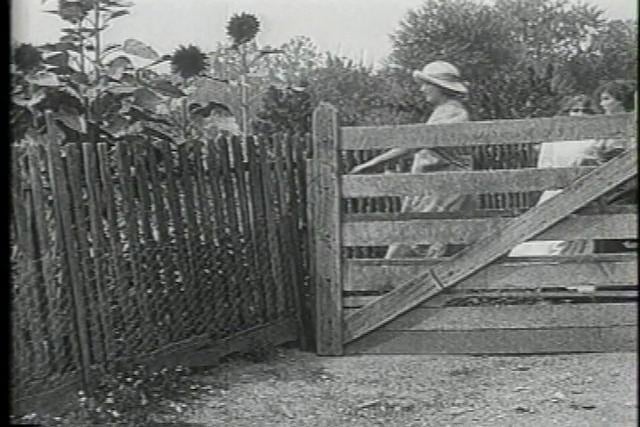
“Jack and Bill go to the St. Denis. Freel shows them photographs of his bewitching daughters—and inside of fifteen minutes has the two young men booked for the farm—and the romance. He sends them West, telegraphs his family they are coming, and that he is staying on another week in New York. Meanwhile, the papers, with their father’s famous advertisement, have penetrated to Shoshone, Nebraska—and May and Grace Freel are naturally shocked and indignant at being offered as matrimonial prizes. However, they are not lacking in a sense of humor, and they scheme to get even with their father, and give the two young men who are coming the disappointment of their lives—incidentally, getting all the fun there is to be had out of the situation for themselves. Mr. Lonergan has worked out the scenes at the farm very amusingly. The college boys fail to recognize in the ‘Sis Hopkins’ specimens they find awaiting them, the farmer’s charming daughters, and they are considerably dejected over getting the bad end of a bargain. The frightful creatures heartlessly drive the boys to the fields to work, daily, and in their off time the victims escape to smoke and commiserate one another—while the girls and their mother are enjoying the joke. There must have been something attractive, however, about those college boys from the East, that May and Grace left out of their reckoning—for one day, they take off the ridiculous calicos, and let down their wavy, abundant hair, tying it with beautiful ribbons to match their dainty muslin gowns—and then they go walking together in the lane, right under the windows of the boys’ room. This is where the real romance of the play begins. Farmer Freel reaches home just in time to see how perfectly his shrewd offer is working—and he is satisfied—not without reason—that he has solved the help problem from the rest of his life.”