The story
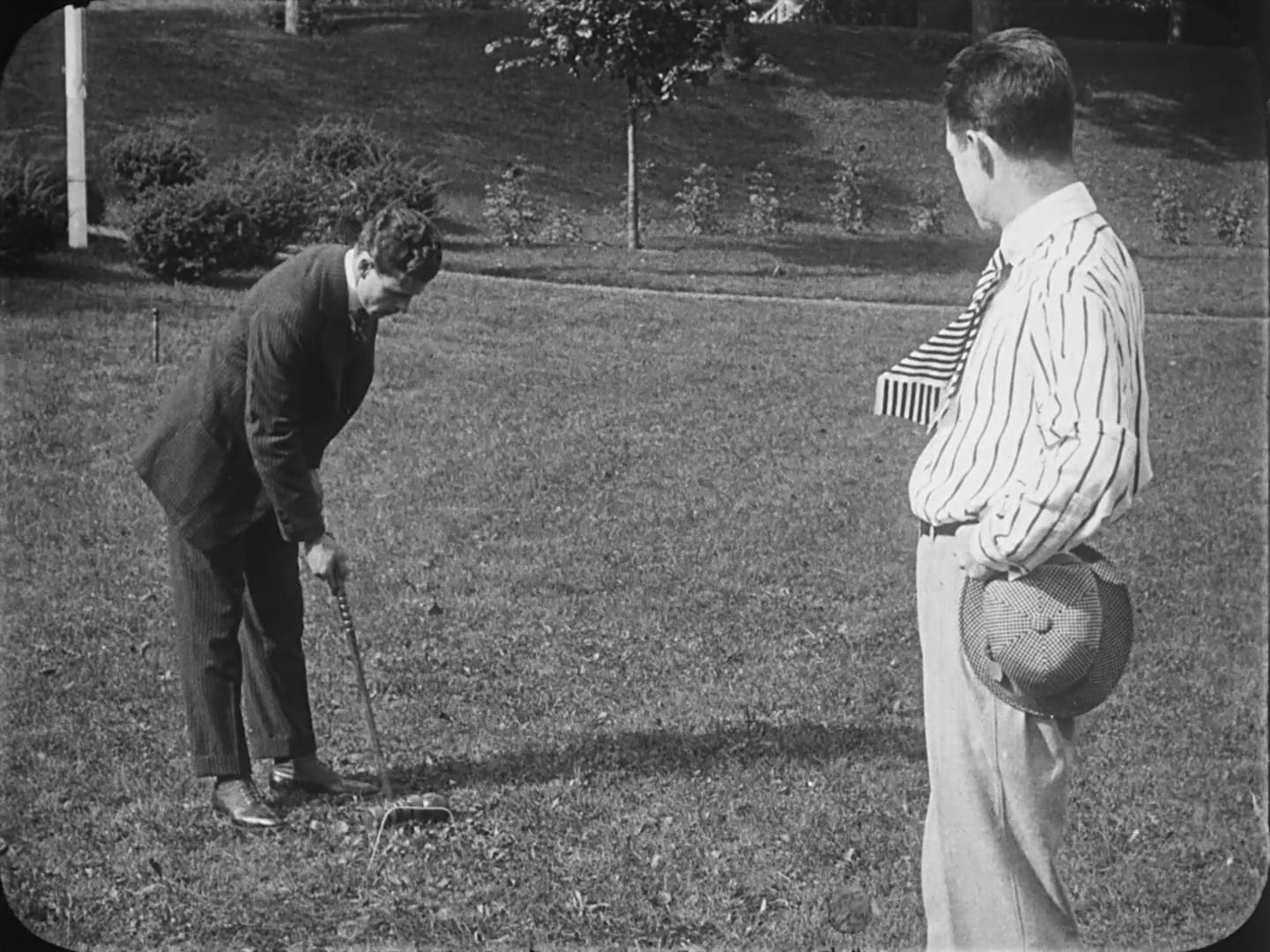
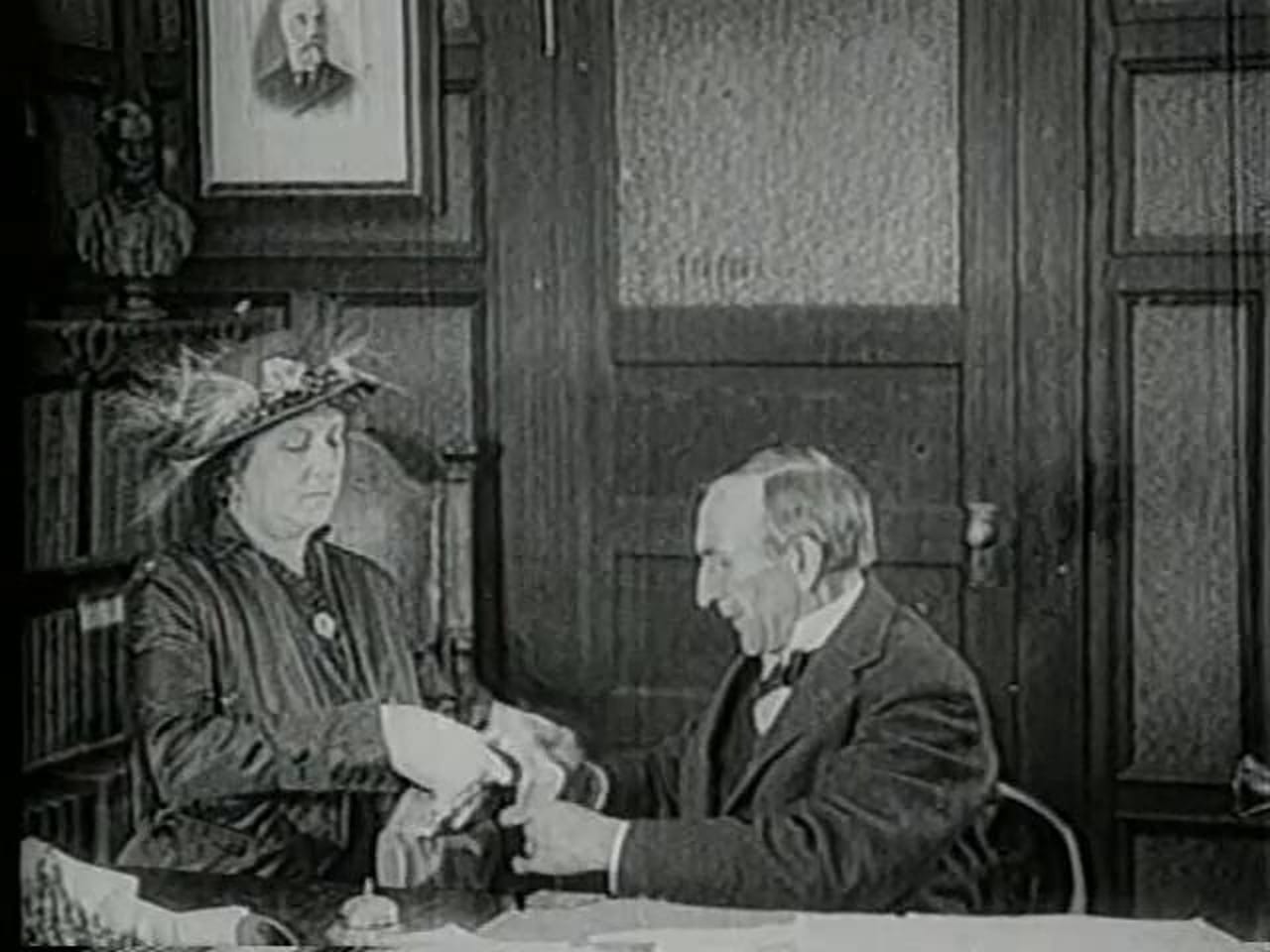
“Rivington Randall was very proud of his spotless reputation. Therefore, when his niece and ward decided to marry, Randall refused, declaring that the young man was not the kind of nephew-in-law he wanted. However, the suitor had a friend who was active in politics. In fact, he was managing the campaign of a congressional nominee, who had almost a certainty of election. When the suitor told him his troubles, the campaign manager laughed and said he knew how to ruin a business reputation, as that was his life work. Nobody wanted the opposition nomination, which probably explains why Randall got it. He took it as a compliment not knowing it was loaded. Randall was pictured as the most heartless of landlords, one who evicted a poor family in the depth of winter and was so pitiless that he even snatched the shoes from the feet of little children to apply on his rent. Randall was a bachelor of unblemished habits, and he was naturally amazed when he met his ‘wife and child,’ especially as he had never seen or heard of them in his life. Many of his would-be constituents believed that he robbed the poor-box in church, because a statement to that effect was going the rounds. In the end Randall hastily resigned and departed stealthily for South America, leaving a note in which he sadly said, ‘I have lost all my reputation and most of my friends, and I am afraid I’ll lose my liberty before election day if I stay here.’ Did the young man marry the niece? Most certainly, and Rivington Randall was grateful to him, for as he said to the young man, ‘It’s kind of you to want to belong to our family after all this disgrace.’”
Summary from Reel Life · 1 April 1916