1911Thanhouser Company1,000 feetDrama

That’s Happiness

No copy you can watch online. No print is known to survive. What follows is what does: the release, the cast, the story, and what the trade press said at the time.

The story

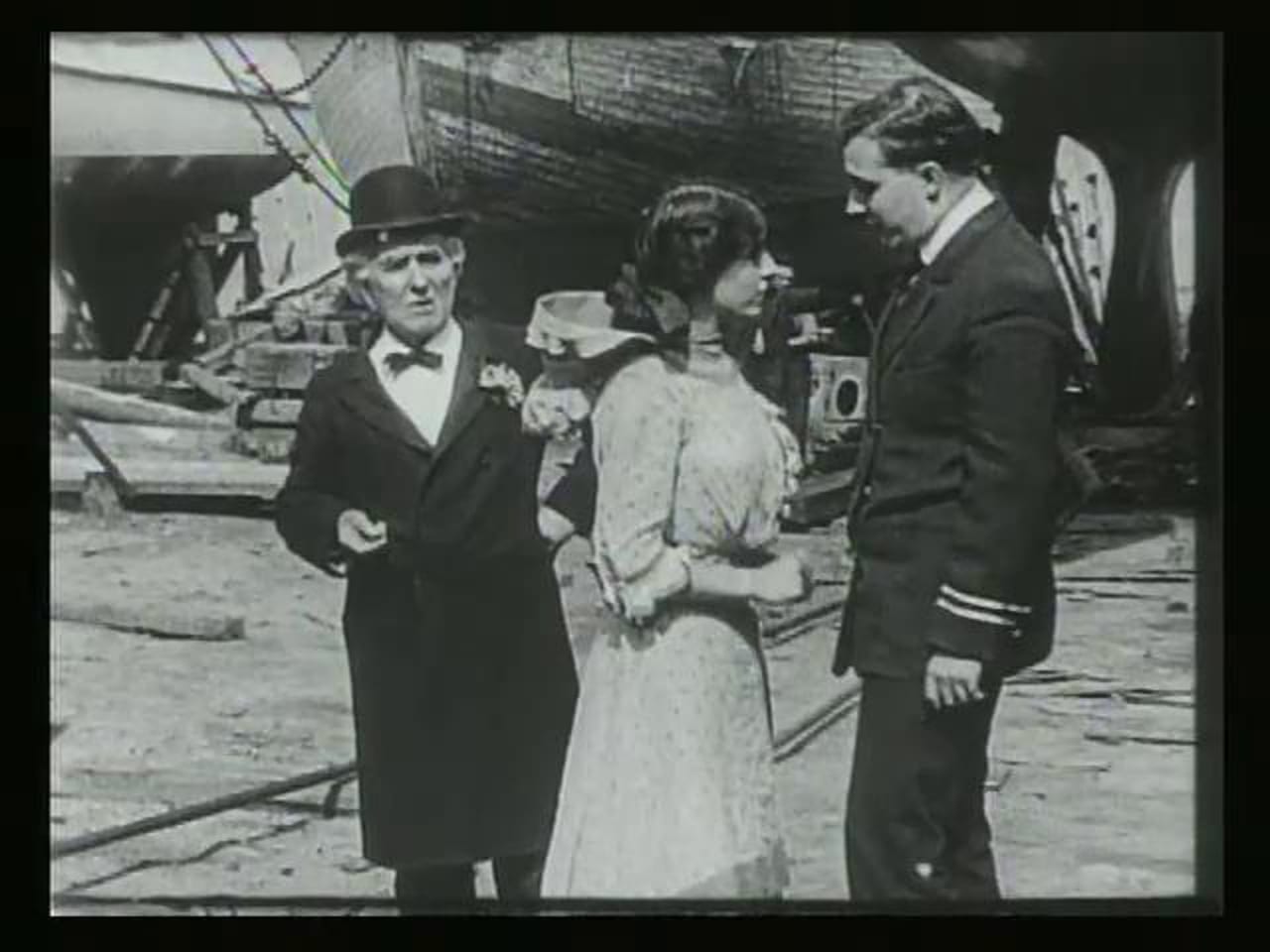
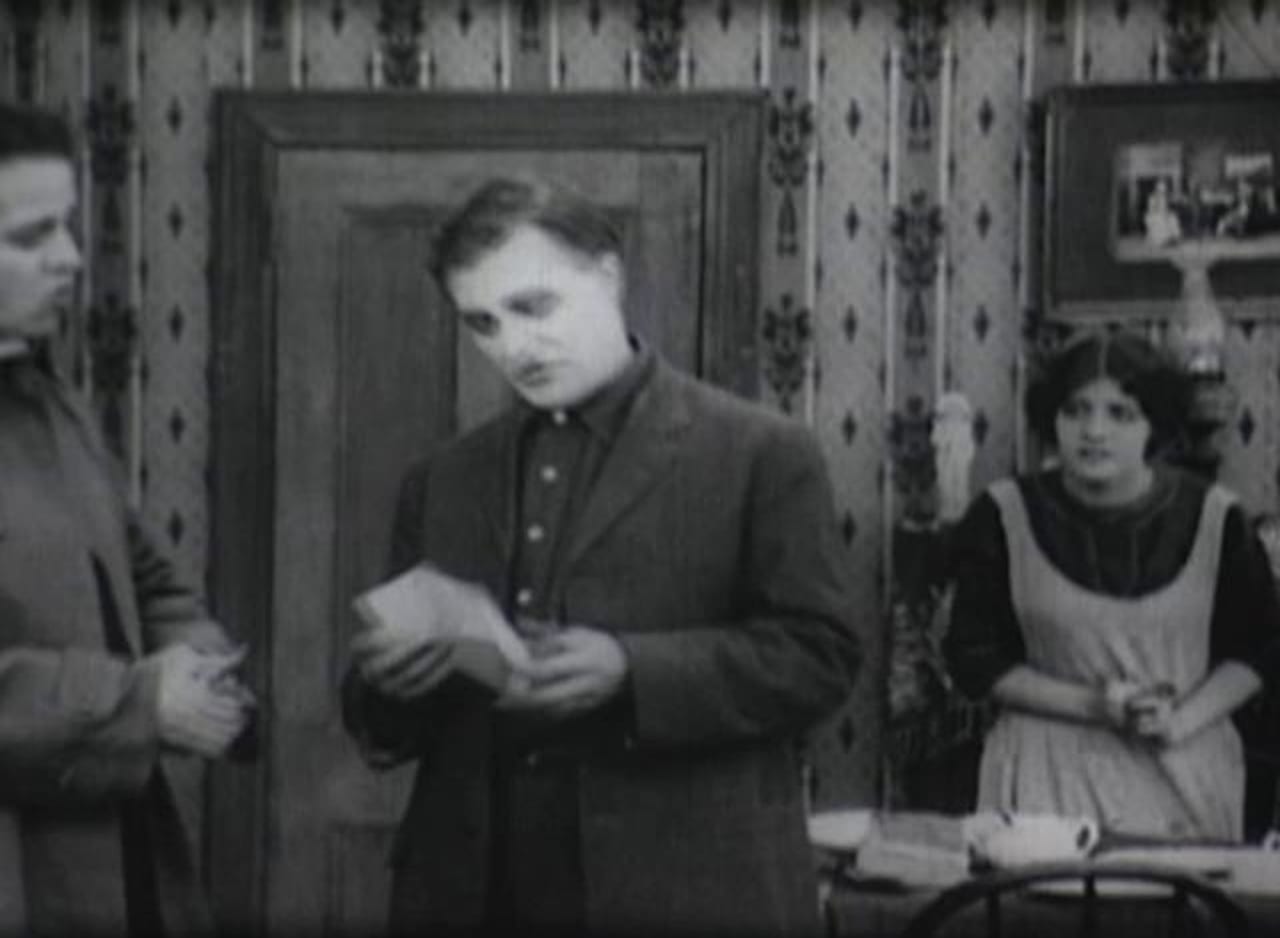
“Susie Smith was thoroughly happy, though she was poor and an orphan. She had health, a steady job in a factory, and a sweetheart, and really did not worry because of her lack of money. But everything took a change for the worse when she ‘became a heroine.’ There was a fire panic in the factory where she worked, and Susie was the only person who could cope with the emergency. The other girls, thinking of previous disasters, became panic stricken and tried to jump out of the window. But Susie drove them back, scared them into obeying her, formed them into line finally and marched them out of the building in some kind of order. There really was no fire, as it turned out, but had it not been for the work of one quick-witted girl, there would have undoubtedly been a heavy loss of life.

“The papers lauded Susie to the sky, especially when they found that she had broken her arm in an effort to restrain the frightened workers. And a rich woman read about her, and decided that ‘poor little Susie’ should have a chance, and took her to her rich home. The other girl had everything that money could buy, but strange to say, she was unhappy. She missed her old friends, the dances where she could ‘spiel,’ and that shabby sweetheart of hers. And she stole away one night, reappeared at the factory, got her old job back, was again thoroughly, genuinely happy. For she was among the people she understood and who understood her, and did not have to worry about what the butler thought, or what was good or bad for her.”

Summary from The Moving Picture World · 15 July 1911
Background of the scenario

The theme of this film was undoubtedly suggested by the disastrous fire in the Triangle Shirtwaist Factory, located in the top floors of the 10-story Asch Building at the corner of Washington Place and Greene Street, New York City, at about 4:45 p.m., Saturday, March 25, 1911. In cramped quarters, serviced by an elevator with a capacity of 12 persons, fire broke out. Fire ladders reached only to the 6th floor and water could be pumped no higher than the seventh. Panic struck, the narrow escape routes were jammed, many jumped to their death from high windows, and within 20 minutes at least 146 people, mostly young women, were killed. The owners of the business were later prosecuted on the charge of having exit doors locked, in violation of the city fire code.

What the papers said

4 reviews · 1 advertisement

“The story in this film is surely true to nature in its conception, and likewise in its portrayal in the hands of the Thanhouser Company. It relates the adoption of a factory girl by a rich lady, and the girl’s return to the factory in order to find the happiness which she could not find in the finely-appointed home. The …

Read in full · 1 min

“The story in this film is surely true to nature in its conception, and likewise in its portrayal in the hands of the Thanhouser Company. It relates the adoption of a factory girl by a rich lady, and the girl’s return to the factory in order to find the happiness which she could not find in the finely-appointed home. The first scene shows a foreman of the shirtwaist factory asking her to attend the iron workers’ dance, a twenty-five cent affair, which seems to be her heart’s delight. The dance which follows, while not as good as the factory scene, shows some very characteristic ‘iron workers’ dancing. Not a scene in the film lacks naturalness, and the result is of course a splendid production.”

The Billboard · 22 July 1911

“This story of a heroic factory girl who saves many of her companions from death during a panic caused by a false fire alarm, and who is later adopted by a wealthy woman, but who finally returns to live among her own folk, is well put on, capably acted and consistently disclosed. The scene showing a part of the sweatshop …

Read in full · 1 min

“This story of a heroic factory girl who saves many of her companions from death during a panic caused by a false fire alarm, and who is later adopted by a wealthy woman, but who finally returns to live among her own folk, is well put on, capably acted and consistently disclosed. The scene showing a part of the sweatshop with several of the girls at work, the exterior views of the real factory at the closing hour, the luxurious home of the rich lady contrasting so glaringly with the humble room of the girl, will all bear remembering. Praise must be given the girl is so creditably enacted the principal role of the factory girl.”

The Morning Telegraph · 23 July 1911

More reviews2 · 29 July 1911 – 26 July 1911

29 July 1911The Moving Picture World1 min

“This pretty picture is in a way hardly true to life. It is a story with a pretty sweatshop seamstress for its heroine. She proves herself a heroine in a false alarm of fire in a crowded shop and is adopted by a rich woman; but she tires of riches and goes back to her old friends, for ‘that is happiness.’ The picture is very well acted by graceful players and includes a scene with real operatives of a shirtwaist factory leaving the shop at night. The effect of the picture is quite pleasing.”

26 July 1911The New York Dramatic Mirror1 min

“One finds this an entertaining picture from the realistic atmosphere it creates in its backgrounds of life among the factory girls. The stitching room with the forelady and later the iron workers’ ball were suggestive and characteristic. The story itself is not unlikely, but some might feel that the moves of the characters in the action of the plot were more sentimental than natural. A shirtwaist maker saves her co-workers from falling into a panic on a false alarm of fire at the factory. A wealthy lady reads of her bravery and adopts her. At a dance and dinner given in her honor she longs for the old times, and that evening leaves her benefactress to find her happiness among her old associates. The young lady playing the lead gave an interesting performance, but might have had just a bit more poise.”

Advertisement

15 July 1911The Moving Picture World1 min

“That’s Happiness takes up the old-old question of what constitutes the state of being happy, and we offer Susie Smith’s solution because it is the most remarkable we know of. Had Susie been a ‘silk stocking’ her views on happiness would not have been interesting enough to bear filming, but as a mere sweatshop lady she furnished some happiness ideas that were very novel while very natural, and as such command the reel of film and your full attention.”

Have you seen this film, or a print of it?

Prints of films thought lost still turn up in attics, private collections and archives. A record like this one is how the next one gets found.

Tell us about a print

Cast and crew

Cast
Bertha Blanchard as wealthy lady
William Garwood as the son

Every name opens that person's page, with each film they appear in and which of them you can watch.

Watch instead

Films you can watch from the same company

Matched by cast, director and kind

More about this film

From Volume II: Filmography of Q. David Bowers’ Thanhouser Films: An Encyclopedia and History, reproduced with permission and unchanged. Read the history of 1911 →

Cite as: Bowers, Q. David. Thanhouser Films: An Encyclopedia and History, “That’s Happiness”. thanhouser.org/films/that-s-happiness/

Where a print is held

Held by
No print known