The story
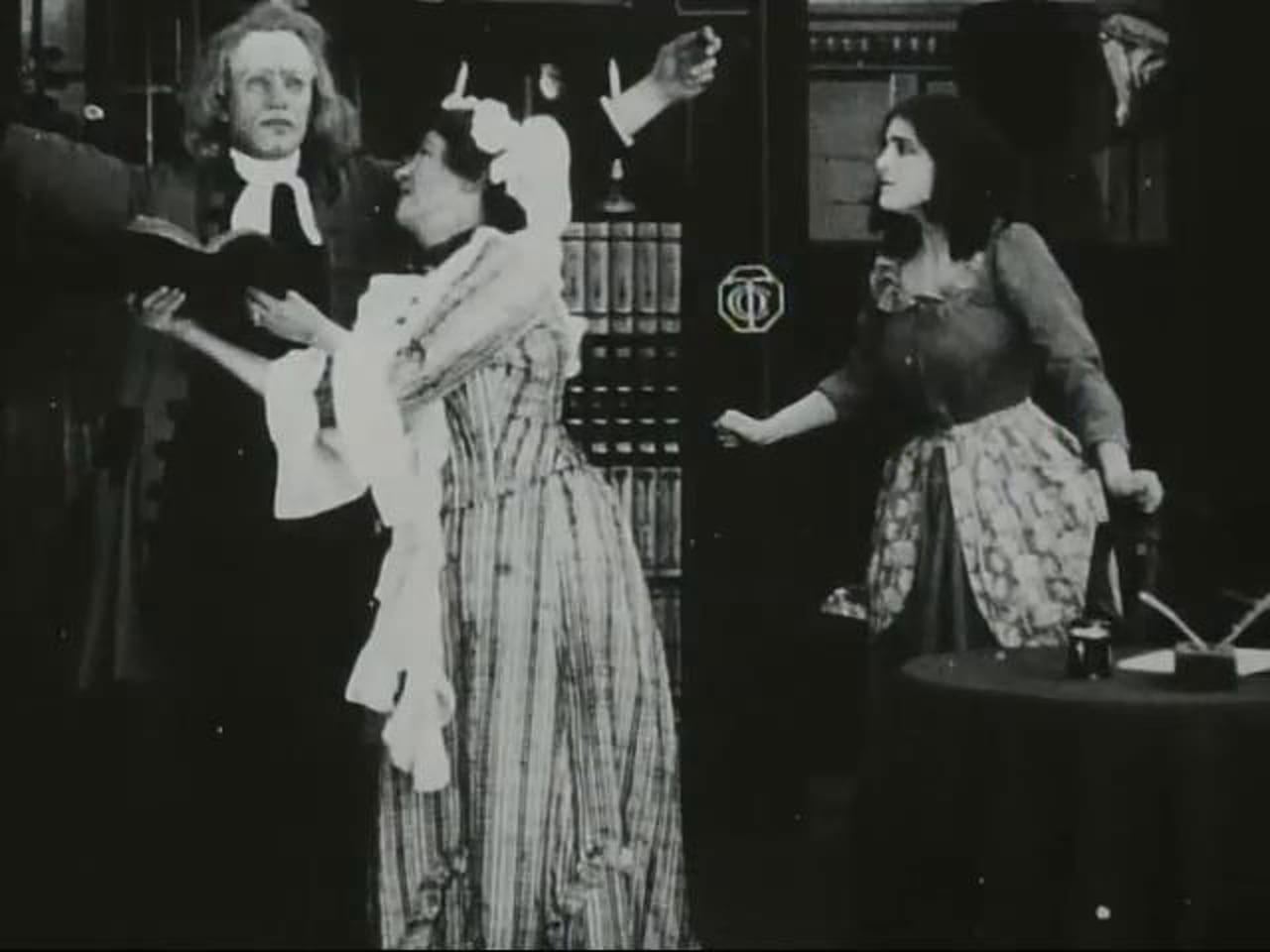
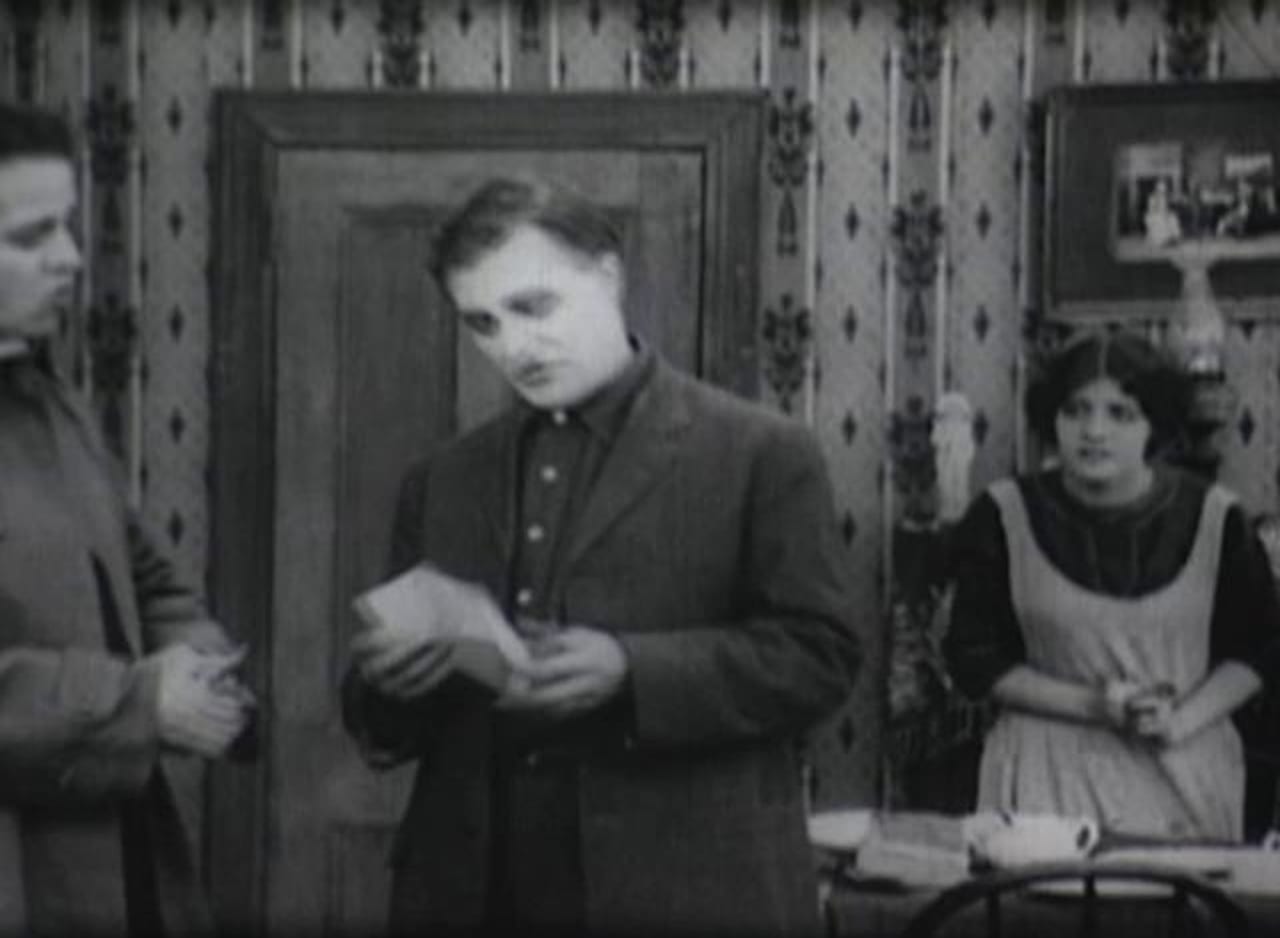
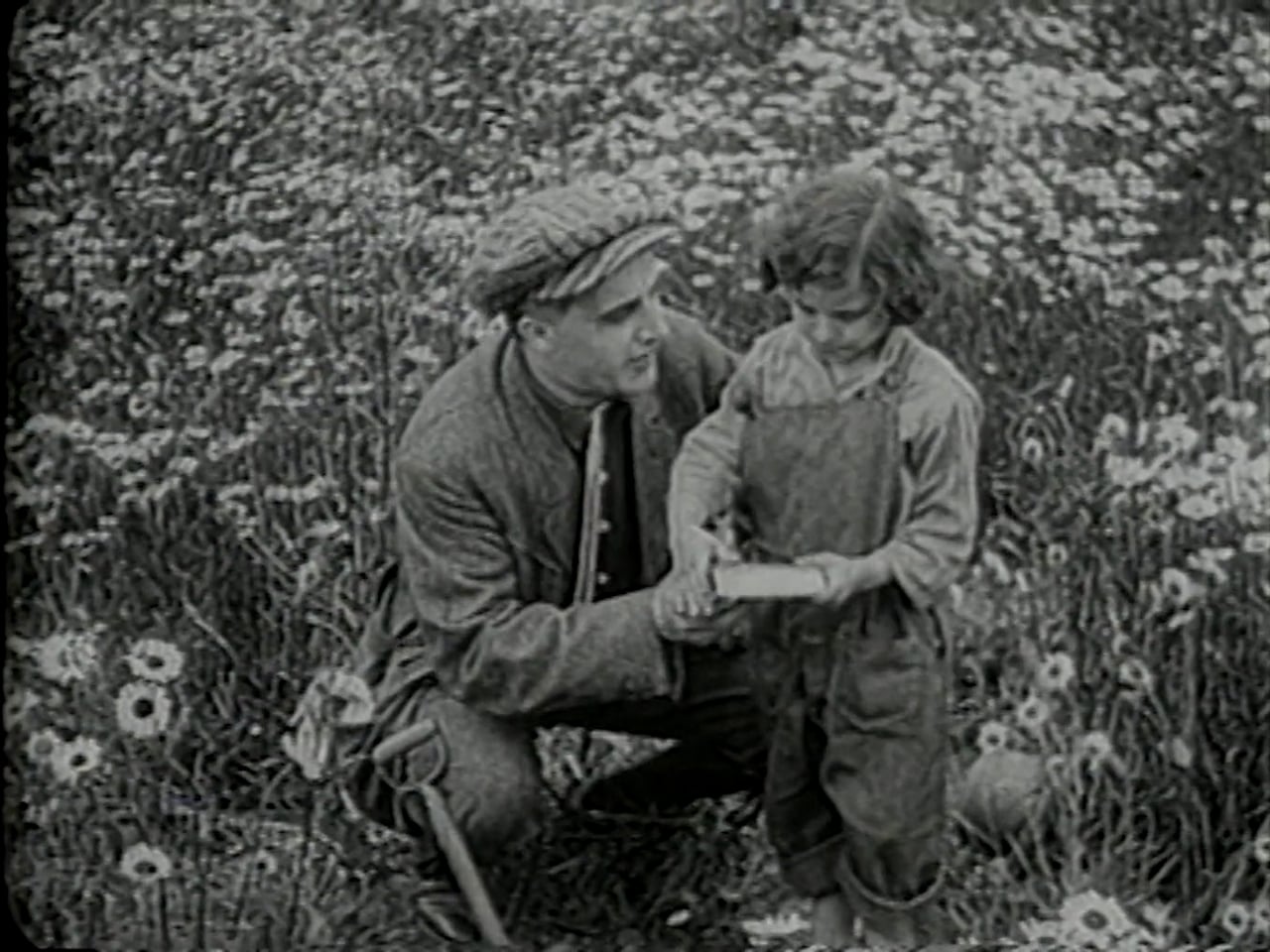
“Jack Thorne, a young artist, finds his efforts unappreciated, and he and his wife and little daughter are on the verge of starvation. The final blow comes when his last painting, on which he had built much hope, was rejected by a rich man, whom an artist chum kindly brought to the impoverished studio. Jack decides that he can struggle no longer. Unseen by his wife, he packs up his revolver, puts it in his pocket and goes out, intending to end everything. But his little daughter had watched him; she follows him and stays his hand. Her prayers and entreaties bring him to a realization of what his rash act would mean to the two helpless ones that would be left behind. Penitent and remorseful, he accompanies his child back to their poor home. There he confesses to his wife that it was only the child’s timely interference that saved him from ending it all. The mother drops on her knees beside her child, and clasping her in her arms, raises grateful eyes to heaven in a prayer of thankfulness. Jack, looking up suddenly, sees the beautiful group of mother and child, with a light as if from heaven upon them. Realizing that there is the inspiration for the subject for which he has sought in vain, he calls for them not to move, and at once begins his great painting of them, which brings him fame and wealth.
“But with wealth, the artist becomes dissatisfied with his wife, and is infatuated with a beautiful society woman whose portrait he is painting. The couple, happy in poverty, are now rapidly drifting on the shoals of matrimonial disaster, but the child saves them. She is weeping one day when Miss Brent, the society woman, enters the room. Miss Brent, who has never seen the child before, asks the cause of her sorrow, and tries to comfort her. The child tells her, and Julia’s heart is touched. Though she has contemptuously ignored the wife, she feels that she cannot ruin the life of the helpless child, even to win the artist’s love. On the spur of the moment, she writes a farewell note to Jack, and gives it to the child, saying that it will cure all her sorrow. Then she goes out of their lives forever. Jack realizes, when he sees that his child is the messenger, why Julia has broken with him. An outsider had made a sacrifice to save the future of little Marie, when he, her father, who had always loved her, had selfishly forgotten his duty. Remorsefully, he tears up the letter, and destroys the painting, not angrily, but as a symbol that he had cast the original out of his life. Then he makes peace with his wife and daughter, who are joyfully ready to forgive, and tells them that their love will keep him in the right path for the rest of his life, and that the lesson he has been taught will never be forgotten.”
Summary from The Moving Picture World · 4 February 1911