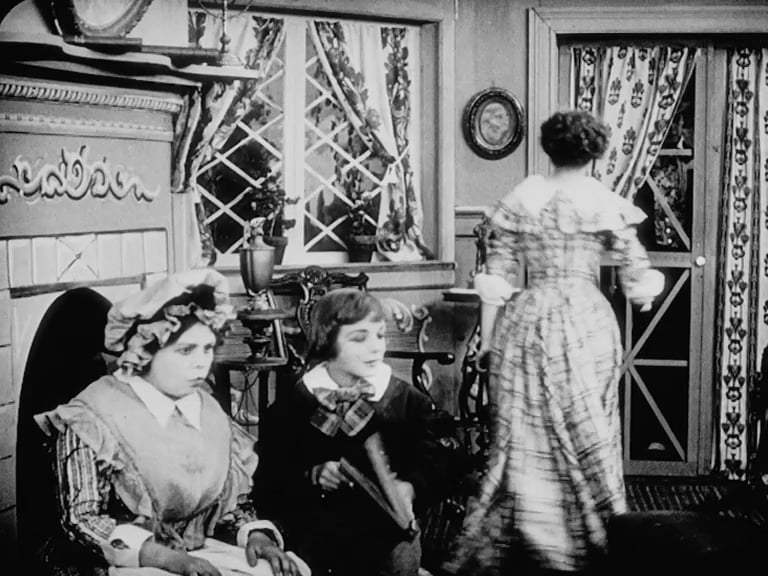
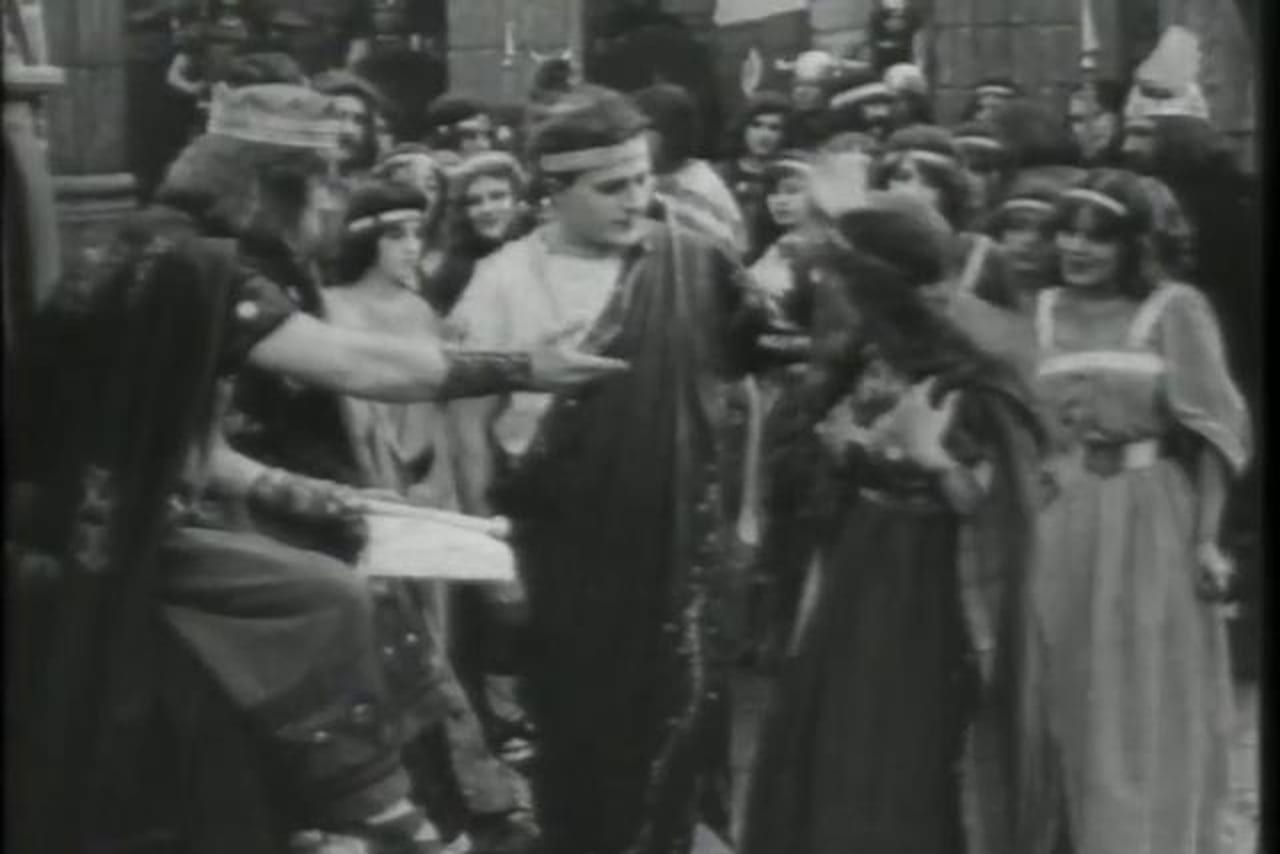
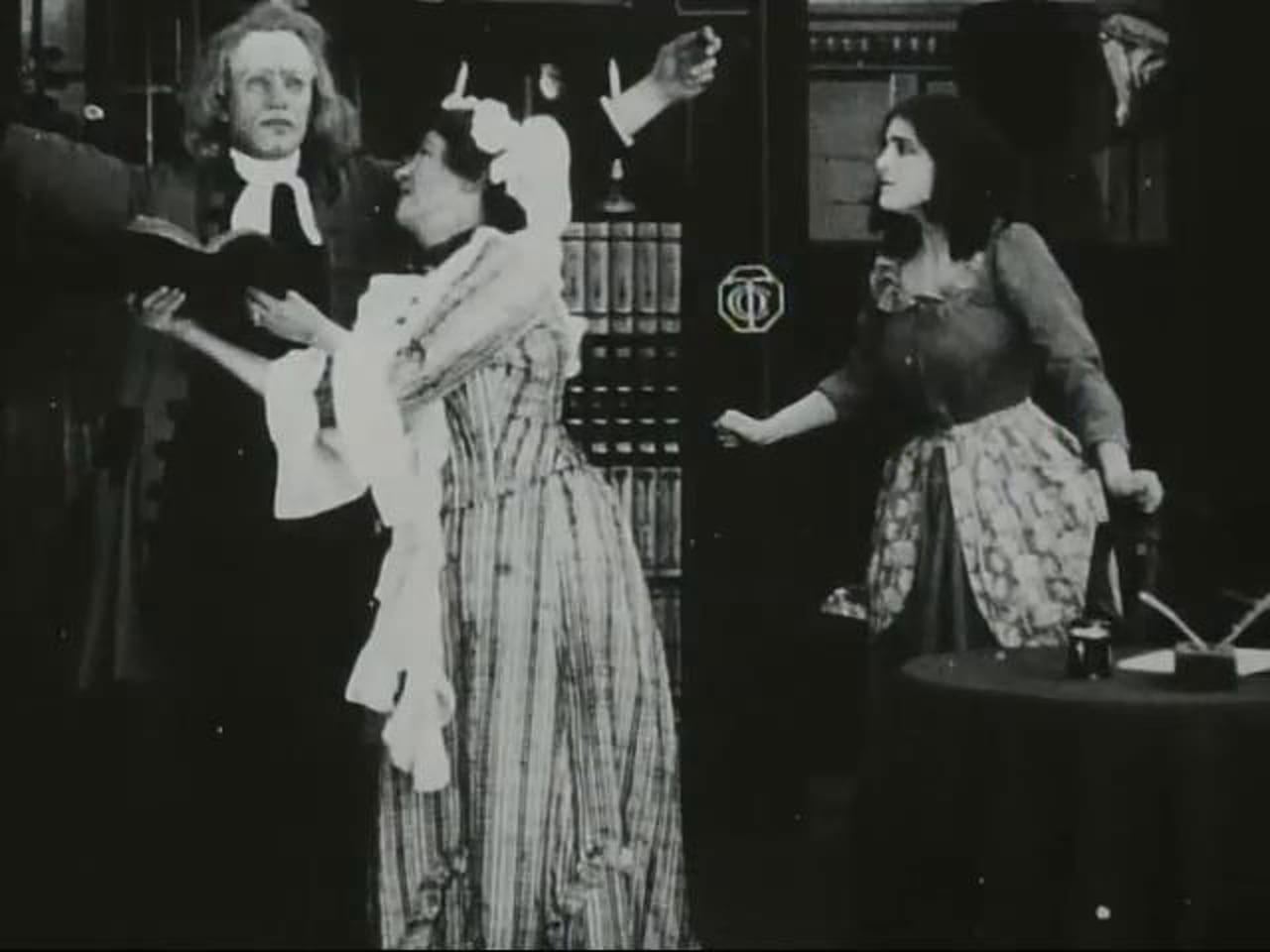
The story
“During the French and Indian War, while America was still under the role of England, Colonel Munroe was the commander of Fort William Henry, in New York State. His two daughters arrived from England, and pushed their way into the wilderness determined to join their father. The last stage of their journey was made under the escort of a young army officer, Major Heyward, one of their father’s most trusted officers, and who was deeply in love with Alice, the younger girl. Their guide was a treacherous Indian, who had planned to lure them into the wilderness, and make them captive. They were saved, however, by a chance meeting with a trapper and his two Indian companions, who were men of reputation throughout that wild region.
“The trapper, American born, lived with Indians all his life, and because of his skill with his rifle was known as Hawkeye. The Indians were the last of the tribe of Mohicans, but at one time ruled the country that is now New York City. But they had been driven back by the encroachments of the white men, and had made their homes in the then wild region around what is now Lake George. Through the aid of this trio, the little party of whites were lead toward the fort, but the treacherous guide escaped, and backed by the Huron Indians, a hostile tribe, followed and attacked them. During the attack the girls were captured, and carried off to the Hurons’ village. Heyward and Hawkeye, disguised as a medicine man, and his trained bear, by skill and daring, managed to rescue the younger of the two girls, but the elder was still in the power of Maqua, their former guide. He was cornered at last with his fair captive, and an effort to rescue her, Uncas was killed. His death was avenged by the unerring rifle of Hawkeye. The old chief, the last of his tribe, mourned his dead, comforted by Hawkeye, who tells him, ‘the gifts of our color may be different, but God has so placed us as to journey in the same path. I have no kin, and like you, no people. The boy has left us for a time, but, sagamore, you are not alone.’”
Summary from The Moving Picture World · 4 November 1911
Background of the scenario
James Fenimore Cooper (1789-1851), sometimes called “the American Scott,” was the first American novelist to win a lasting reputation. Like Scott he enjoyed an international vogue; both Dumas and Balzac were influenced by him. With The Spy (1821), The Pioneers (1823), and The Pilot (1824) he discovered for himself and his successors three great fictional worlds: history, the forests and the Indians who inhabited them, and the sea.
He was born in Burlington, New Jersey, but he is generally associated with Cooperstown, near Oswego Lake, in upper New York State, where his father, Judge William Cooper, was a landed proprietor. His early schooling was under an Episcopal clergyman, and he was always passionately devoted to Christian orthodoxy, his allegiance to which he expressed freely in his novels. He was expelled from Yale for a prank, served in the Navy, became a lawyer, and married Susan DeLancey, the daughter of a Loyalist family. In 1822 he moved to New York City, and from 1827 to 1833 he lived in Europe.
Cooper’s idealism and his special skill in describing action impelled him in the direction of romanticism, but the main interests of his life were thoroughly practical, hard-headed, and realistic. A publicist and a good citizen, he was most interested in the novels like Satanstoe and Home as Found in which his social and political convictions were most fully expressed.
His most popular novels however are the “Leatherstocking Tales,” of which Natty Bumppo (Deerslayer, Hawkeye, Leatherstocking, and Long Rifle) is the hero: The Deerslayer (1841), The Last of the Mohicans (1826), The Pathfinder (1840), The Prairie (1827), and The Pioneers (1829). In the order in which they are named here, the first gives us Natty in his youth, the next two in his prime, and the last two in his old age, concluding with his death. It is the second which develops the drama of pursuit and escape that Cooper did so outstandingly well. Of all his work it is therefore the one best adapted to the cinema, the medium in which D.W. Griffith was to develop its suspense element with such overwhelming power and Mack Sennett and his “Keystone Kops” to burlesque it so delightfully that it became difficult for any later writers to match them on the printed page.
Though Cooper’s background was aristocratic, he deserted the Federalists to become a Democrat, but he was never blind to the shortcomings and temptations that beset democracy; thrillingly alive to the social evils he saw springing up around him in America, he warned against them and labored valiantly to correct them. All his sympathies were agrarian, and, like Scott, he mistrusted the growing power of merchants and industrialists. Since he described the virgin continent of America as it was before selfish interests had gutted it as no other novelist was ever to do it, it was fitting that Natty Bumppo should be one of the pioneer American conservationists. The battle still being waged between the spoilers and the environmentalists is all implicit in his pages. (by Edward Wagenknecht for the present work)