1911Thanhouser Company1,000 feetLiterary adaptation

Lorna Doone

No copy you can watch online. No print is known to survive. What follows is what does: the release, the cast, the story, and what the trade press said at the time.

The story

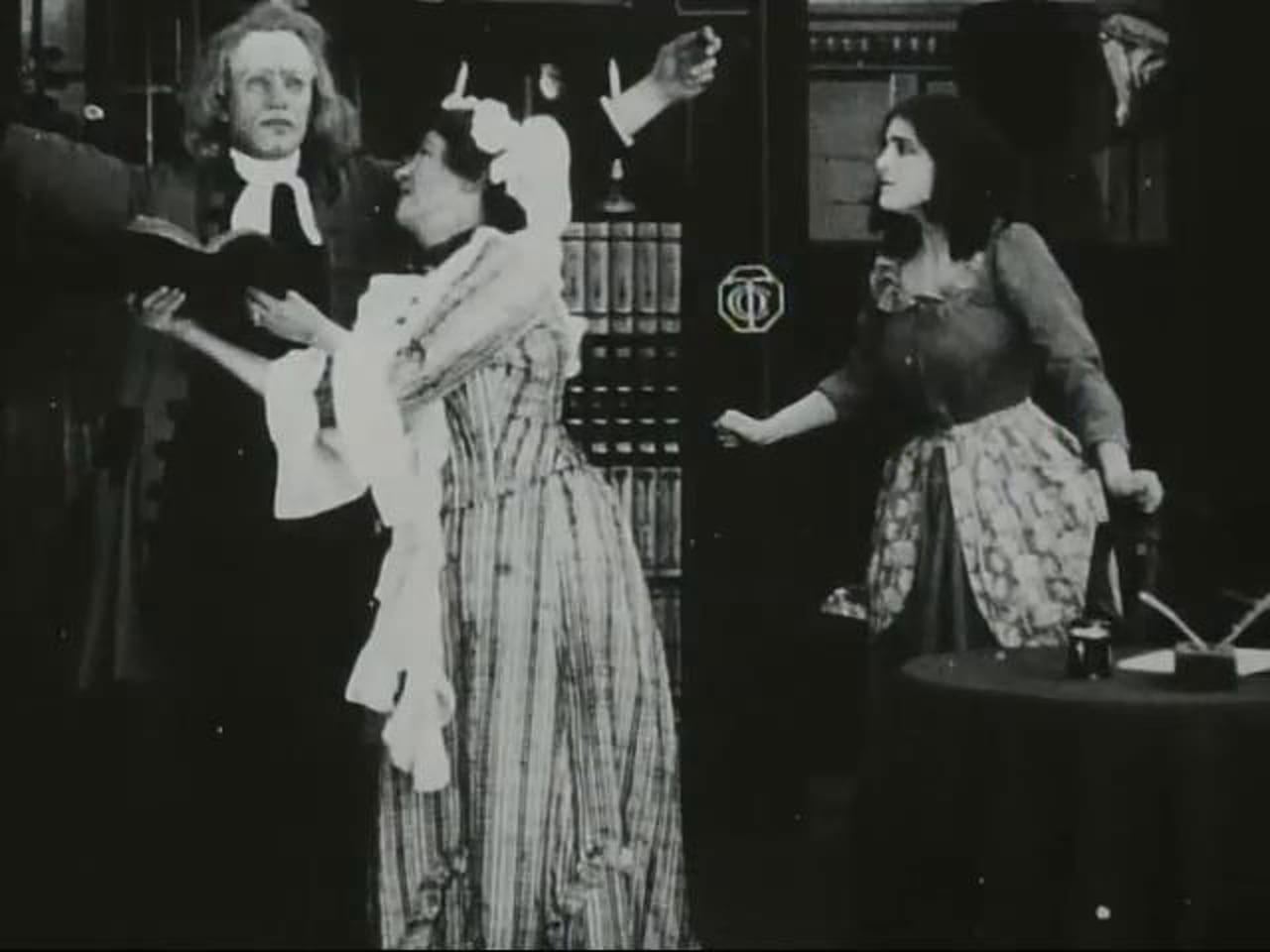
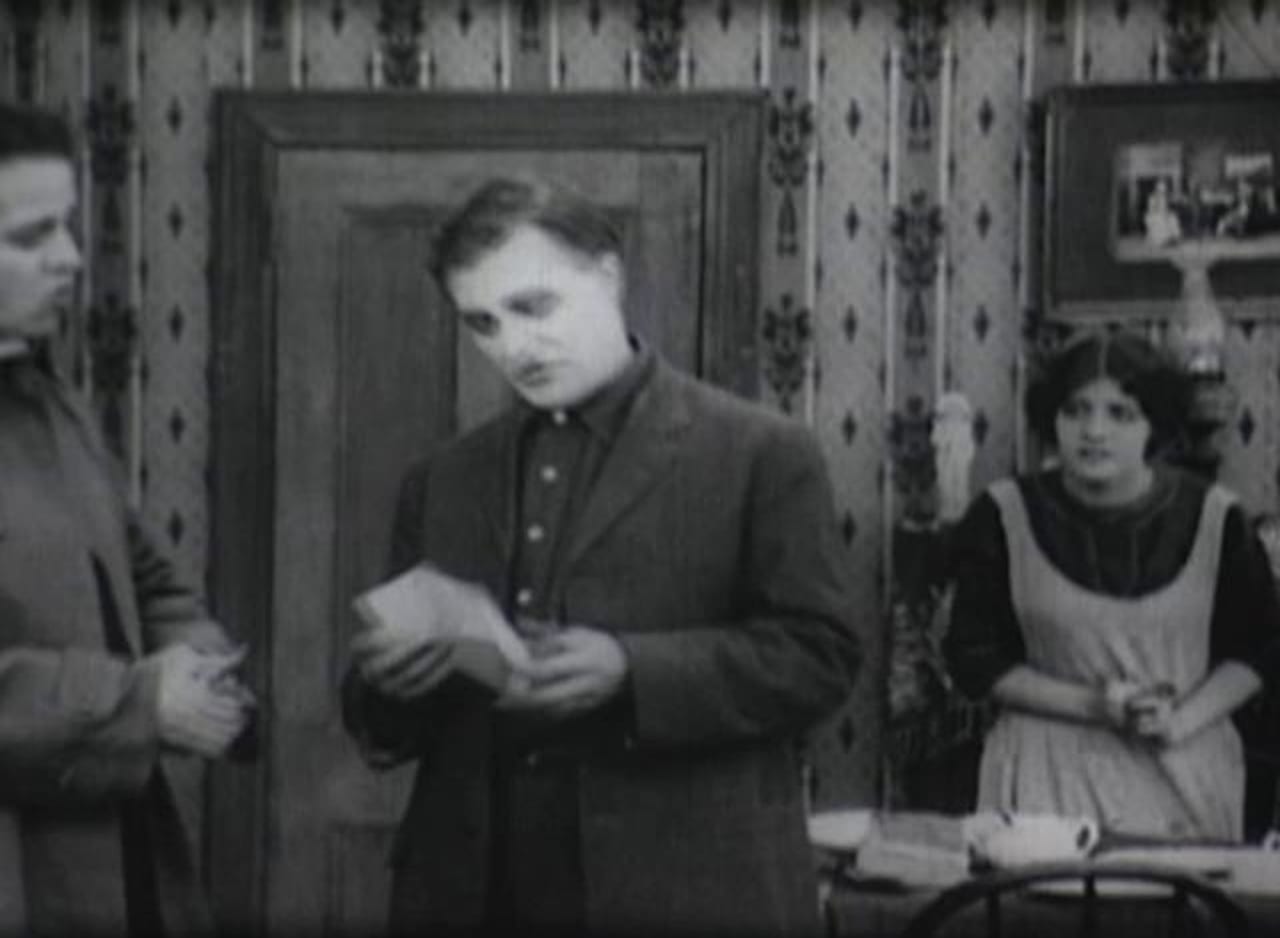
“Lorna Dugal, the little daughter of an English nobleman, is carried off by her father’s enemies, the Doones, when she is five years old. Sir Ensor Doone had been banished from court, and he and his family had established themselves in a well-protected valley, and became outlaws and highwaymen. To this den of robbers little Lorna is carried, partly for revenge, and partly in the hope that when she grew to womanhood she could be forced into marriage with one of the Doones, who would thus secure her fortune. John Ridd, then a little boy, returning from school, saw the helpless child being carried off by the Doones, and at once became interested in her. Lorna is told that she is a Doone and believes it.

“While on a fishing trip, young John, soon after, accidentally finds a hitherto unknown entrance into Doone valley. There he meets little Lorna, and the children become fast friends. They arrange to meet often, unknown to the Doones, and through many years their friendship continues. Finally, when Lorna has reached the age of 16, John wins her consent to become his wife. In an heroic fight he rescues his wife from the hands of the outlaws and brings her to his mother’s home. Here as their wedding is being celebrated they are attacked by the leader of the Doones, who fires at them through the window of their home and wounds Lorna. The enraged bridegroom rushes from the altar in pursuit. They engage in mortal combat on the heath at the edge of a quagmire. Here providence intervenes. The Doone leader in the struggle steps from solid ground and is swallowed up in the quicksand, leaving John to return to the arms of his bride, now safe from further persecution.”

Summary from The Moving Picture World · 24 June 1911
What the papers said

5 reviews · 1 advertisement

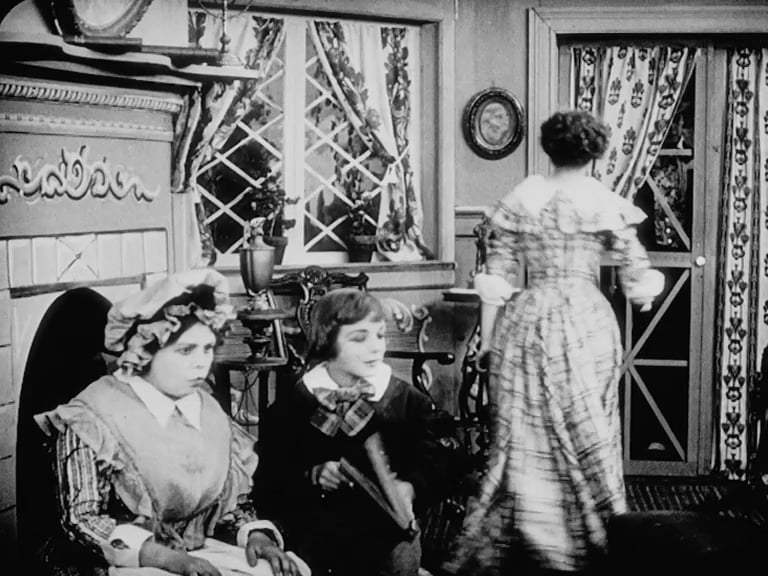
“The story of Lorna Doone, taken from the novel, is excellently told in this film. The scenery is beautiful and the acting good, while the photography is excellent. That this fine combination is obtained in the portrayal of such a popular and pleasing story makes this film a feature in every respect. The people who play the parts are well …

Read in full · 1 min

“The story of Lorna Doone, taken from the novel, is excellently told in this film. The scenery is beautiful and the acting good, while the photography is excellent. That this fine combination is obtained in the portrayal of such a popular and pleasing story makes this film a feature in every respect. The people who play the parts are well chosen. Lorna’s beauty and simplicity are very noticeable, while John Ridd is the massive man of the original story. The first meeting of Lorna and John in Doone Valley is the most excellent scene. The Thanhouser Kid does what is perhaps her best work in this scene, and works with the cleverness of an actress of many years experience. The scenery here is also of exceptional beauty.”

The Billboard · 6 July 1911

“This famous and charming story is herein given an interesting photo production, which, though not giving the entire of the original tale, tells the essential parts, beginning with the meeting of Lorna and John Ridd when children and taking them up to the time when John kills off all of the Doones who had meantime captured and held her prisoner …

Read in full · 1 min

“This famous and charming story is herein given an interesting photo production, which, though not giving the entire of the original tale, tells the essential parts, beginning with the meeting of Lorna and John Ridd when children and taking them up to the time when John kills off all of the Doones who had meantime captured and held her prisoner through the years of her girlfriend. It is well put on, save for a few minor details. The stage coach, for instance, is a bit fakey, though practical in its usage. The interiors could have been somewhat bettered, especially the one in Carver Doone’s home; the others being adequately presented. The exteriors are fine examples of outdoor photography, showing pleasing selections of scenery. The film more than pleased.”

The Morning Telegraph · 2 July 1911

More reviews3 · July 1911 – 5 July 1911

July 1911Motography1 min

“A worthy adaptation of the famous novel is here given. It might be better in some point; the quicksand episode, for instance, was slighted, and the Doones received inadequate emphasis; but the film hits a good level at the start, with its pretty scene between the boy and girl, and keeps to it constantly throughout. If not an inspired adaptation it is at least interesting and romance has a pleasing quality. The acting is first-rate, except for the few places where it seems hurried; but this fault should be charged to the producer, not to the actors. Several of the scenes show especially artistic backgrounds, all presented in clear photography.”

15 July 1911The Moving Picture World1 min

“The true lover of Blackmore’s Lorna Doone, and there are many, will be disappointed in this picture as a picture of the story. It is, however, an interesting moving picture. The John Ridd of the picture is a big fellow, but his size does not give a convincing reason for the marvelous success of his prowess. This is the picture’s one fault; it makes it seem too much like a certain kind of boy’s story. Little Marie Eline is in the picture and she, with all the other players, acted very well.”

5 July 1911The New York Dramatic Mirror1 min

“Blackmore’s Lorna Doone seems especially adapted to picture, and has been afforded particularly vivid treatment in this film, emphasizing only the essentials. The backgrounds chosen are exceptionally suggestive, and it is well costumed and acted, the actor playing the stalwart John Ridd deserving of special mention. Lorna is captured by the outcast Doone family, who live in the dreaded Doone Valley, in the hopes that they may be reinstated in society and gain her fortune. The young boy, John Ridd, meets her in the Doone Valley, and they grow up to love each other. At length the Doones attempt to compel her to marry a certain young Doone, but she gets word to John Ridd, who with his mighty missile [sic] goes into the Doone Valley and rescues his Lorna. At the wedding—a good scene—Caver Doone appears at the window and shoots Lorna. John pursues him, and throws him into the quicksand, and that is the end of the Doones. The picture is remarkably interesting and well conceived.”

Advertisement

24 June 1911The Moving Picture World1 min

“When Blackmore wrote Lorna Doone, neither he nor any of his day knew, thought, or even dreamt of the motion picture. There did seem possible to him some things that the brains of later day inventors gave to the world, but the moving picture—never! Still, from the all-action style of the story you would really think he had a moving picture scenario in mind when he wrote it. All the situations are highly moving, picturesque and give thrill upon thrill, as though written order to make an extra-startling release.”

Have you seen this film, or a print of it?

Prints of films thought lost still turn up in attics, private collections and archives. A record like this one is how the next one gets found.

Tell us about a print

Cast and crew

Every name opens that person's page, with each film they appear in and which of them you can watch.

Watch instead

Films you can watch from the same company

Matched by cast, director and kind

More about this film

Bowers’ notes

Gladys Hulette, who acted in this film, became a prominent Thanhouser player years later, 1915-1917.

From Volume II: Filmography of Q. David Bowers’ Thanhouser Films: An Encyclopedia and History, reproduced with permission and unchanged. Read the history of 1911 →

Cite as: Bowers, Q. David. Thanhouser Films: An Encyclopedia and History, “Lorna Doone”. thanhouser.org/films/lorna-doone/

Where a print is held

Held by
No print known